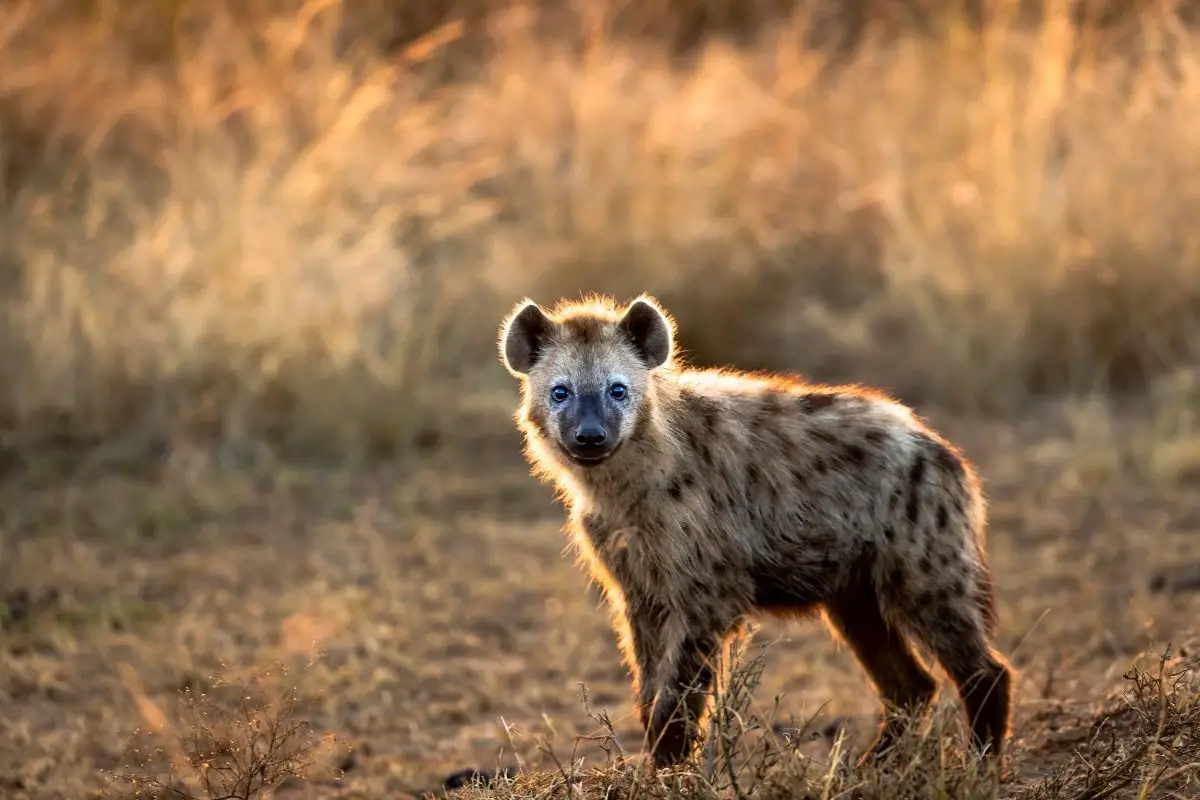
Only a few natural predators go after honey badgers but they’re sometimes hunted by hyenas, lions, and leopards. The honey badger’s aggressive behavior, on the other hand, makes it a difficult meal for predators, and given the honey badger’s small size, predators’ efforts are frequently better spent obtaining an easier, meatier meal.
The honey badger is known for its hardness, aggressiveness, and strength. When escape is difficult, it is known to attack practically any other species viciously and fearlessly, even repelling much larger predators like lions and hyenas. The Guinness Book of World Records deems this animal the most fearless.
Animal bites, bee stings, and porcupine quills rarely penetrate their skin. A honey badger will attack horses, cattle, or Cape buffalos who enter its burrow.
What Kills Honey Badgers?
If you were to ask someone what causes the most honey badger deaths, they would probably assume a big animal such as a lion or leopard. However, many honey badgers have been found stung to death by bees. You see, honey badgers love to consume honey and bee larvae.
They are willing to invade beehives in the hopes of attaining their favorite meal, even if it means getting stung hundreds of times. Their thick skin and fur aren’t usually able to protect them from these attacks. Honey badgers are some of the most ferocious animals, and this trait can typically lead to their death in the wild.
They are very aggressive and territorial animals, which means they don’t back down without a fight. Honey badgers have been known to go up against larger animals such as leopards, lions, tigers, and hyenas. They have been known to attack these larger animals to try and steal their food, but this tactic doesn’t usually end well for them.
They are much smaller in size than their opponents, which leaves them at a major disadvantage. Overall, honey badgers generally don’t face many threats in the wild because of their aggressiveness, but this same trait usually leads to their overconfidence when attacking bigger animals. They can live up to seven years in the wild, which … Read the rest of the story.

No comments:
Post a Comment