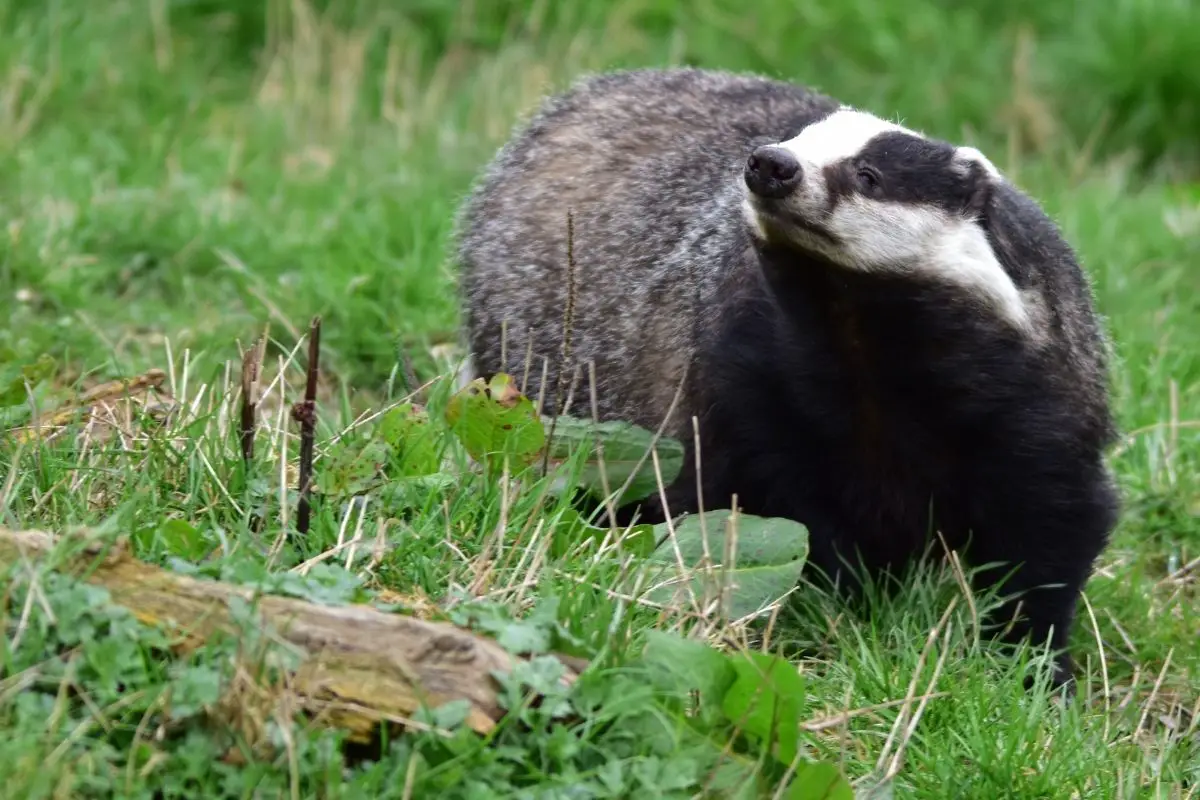
If you answered honey, you would not be completely wrong. Honey badgers (Mellivora Capensis) are fierce omnivores with an adaptable diet that includes honey, honey bee larvae, roots, berries and fruit, insects, small mammals, and even amphibians and birds. Honey badgers are fascinating, rough-and-tumble creatures and undoubtedly worth knowing more about.
For parents, this mammal is a treasure trove for school projects.
Honey Badger Basics
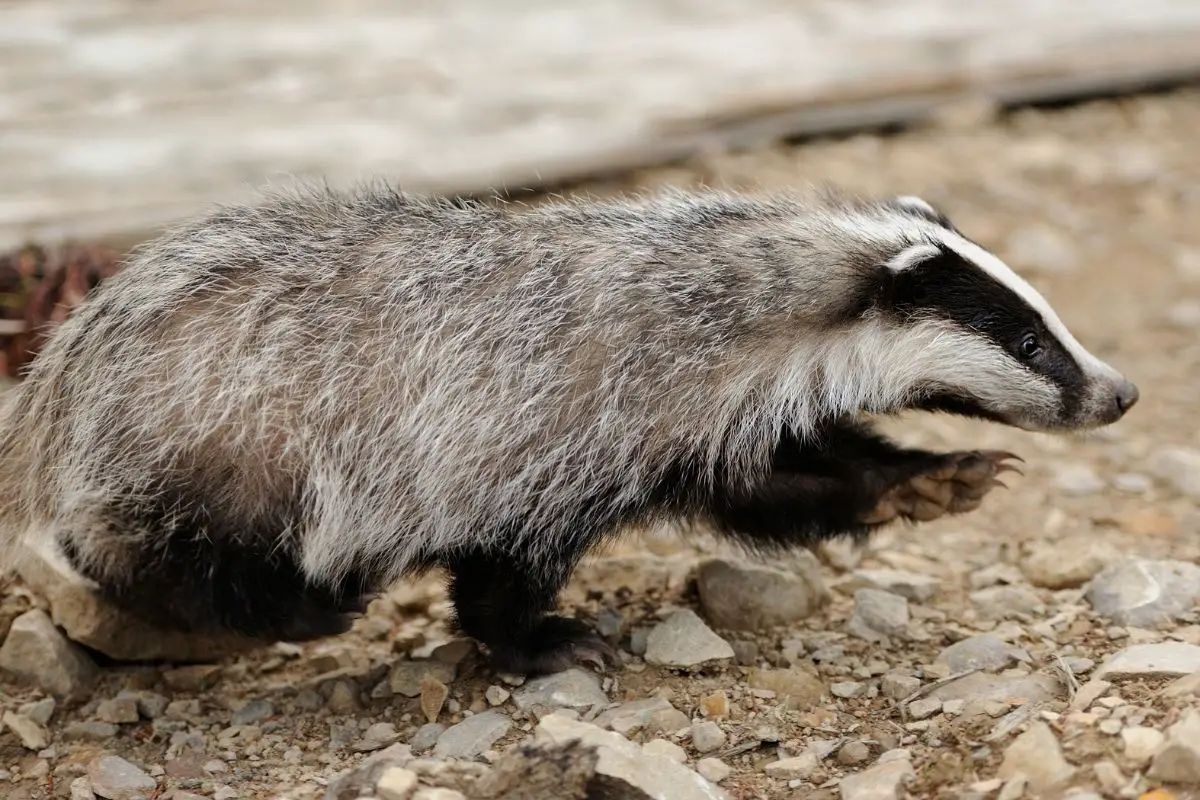
Unsurprisingly, honey badgers belong to the same family of mammals as otters, weasels, other badgers, and wolverines. The genus of the honey badger is Mellivora, a subcategory of the mammalian family Mustelidae, of the Carnivora order. Honey badgers are also known by the name Ratel.
Honey badgers are medium-sized, with an average shoulder height of approximately 11 inches, and they weigh around 30 pounds at maturity. They are distinguishable by their thick black fur and a broad silver-white stripe from their head to their tail. Their muscular neck has a thick layer of skin that helps them wriggle around and escape opponents’ jaws.
They can secrete a potent scent from their anal glands to deter others. Honey badgers have stout bodies with long sharp claws and lethal teeth for tearing flesh, and by their very nature, they are formidable warriors. A honey badger’s sense of smell is powerful, balanced out by their eyesight, which is poor and limited hearing.
Honey Badger Habitat

Honey badgers are found predominantly in sub-Saharan Africa, parts of western Asia, and in Iraq, Iran, and Saudi Arabia. They prefer a dryer habitat but can adapt to forest and grassland biomes. They use their long claws to dig burrows for homes, or if they feel lazy and it is convenient, they are not above stealing other animals’ burrows.
If neither of these is an option, then honey badgers will make do with what they have, including using termite founds and exposed tree roots. Honey badgers are intelligent and are one of the species in the animal kingdom that uses tools to make their lives easier.
Eating Habits of the Honey Badger
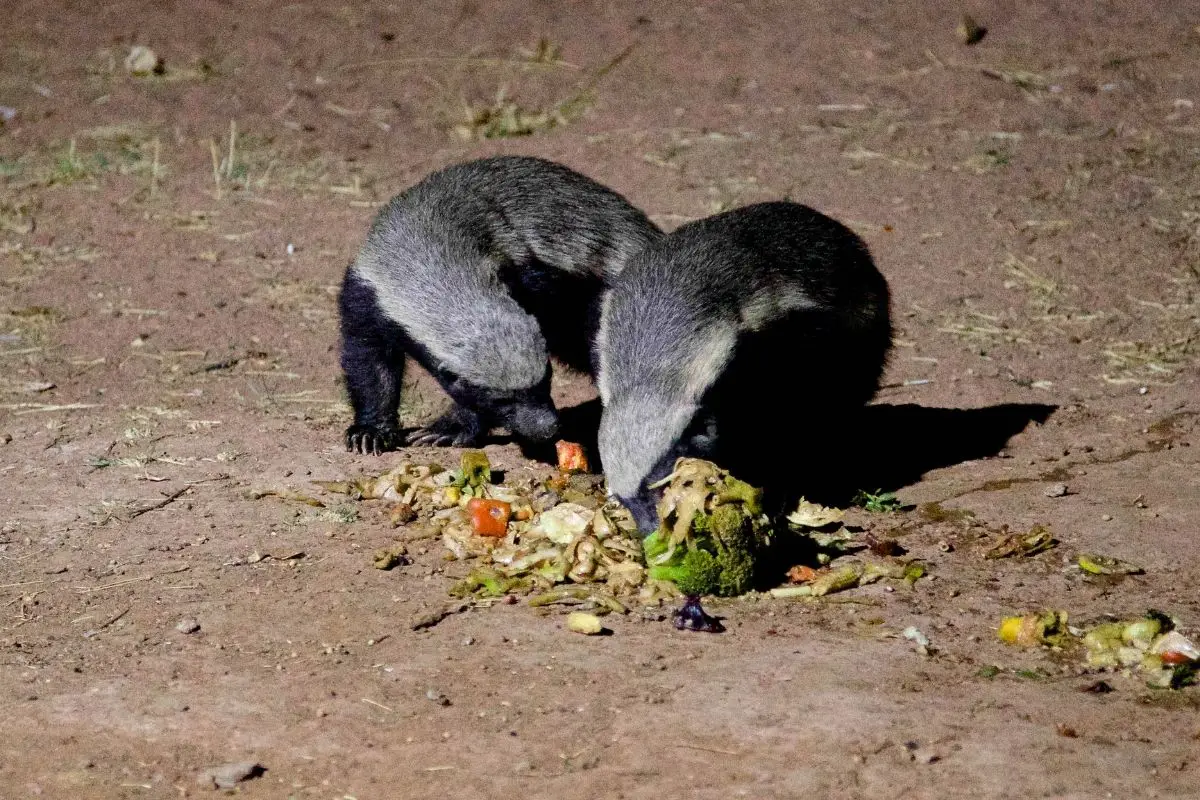
We already know that the … Read the rest of the story.

No comments:
Post a Comment