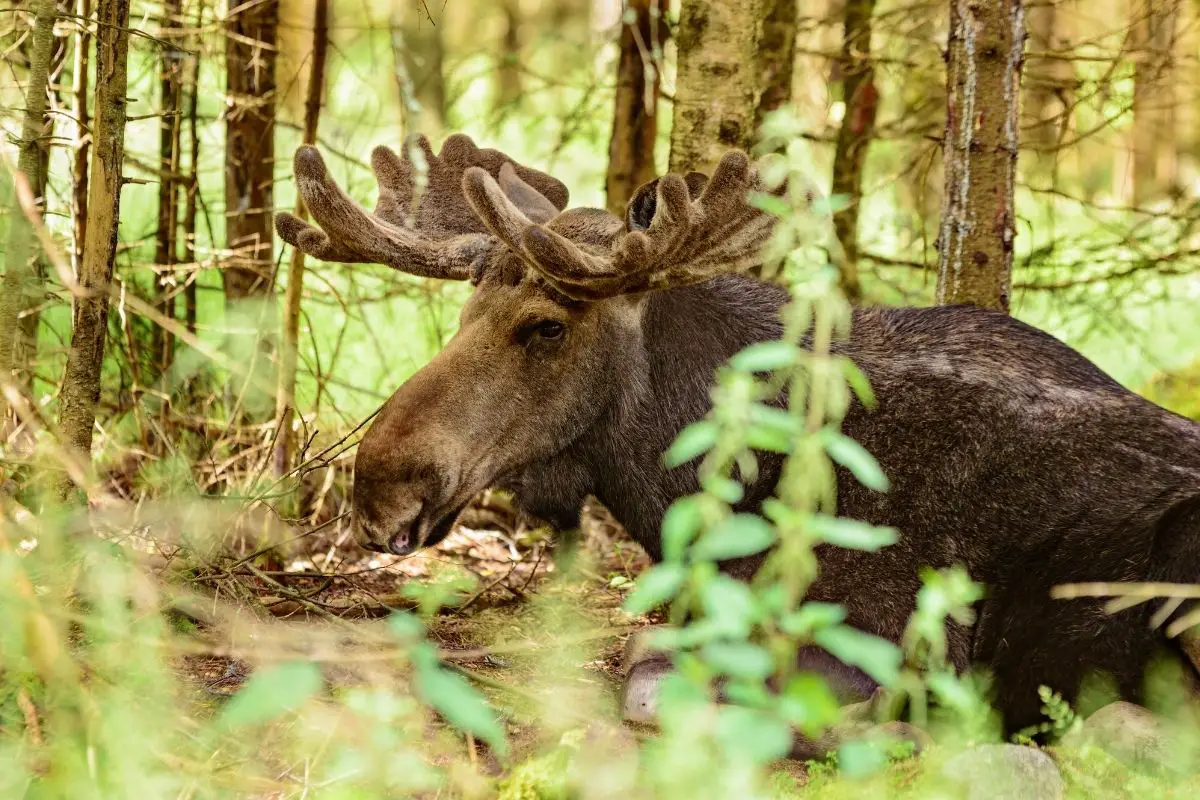
Have you ever seen a moose up close, in the wild? I have just once, and it was majestic. It was the turn of the season in the rocky mountains of Utah, when spring was finally coming to life.
We decided to take a drive through a popular loop in the mountains. We came to one particularly windy part of the road and noticed everyone slowing down, so we did too. As we drove by, we saw it just minding his business, grazing the fresh grass.
I couldn’t believe how big it was! I realize not many people have been so lucky to see one in the wild (since not everyone lives near the regions in which they roam). You may be surprised to know there are eight types of moose recognized in the world.
They primarily reside in North America and Eurasia, with there being four subspecies in each continental region. They were also introduced to the islands of Anticosti Island (in the Gulf of Saint Lawrence) and New Zealand. There has not been a moose sighted in New Zealand since 1952.
Moose have been roaming our planet since practically the dawn of time. The earliest species of moose date back to 2 million years ago, during the Pliocene epoch. Adult moose weigh anywhere from 800 lbs to 1,600 lbs.
Keep reading for a more detailed breakdown of each type of moose.
1. Alaskan Moose
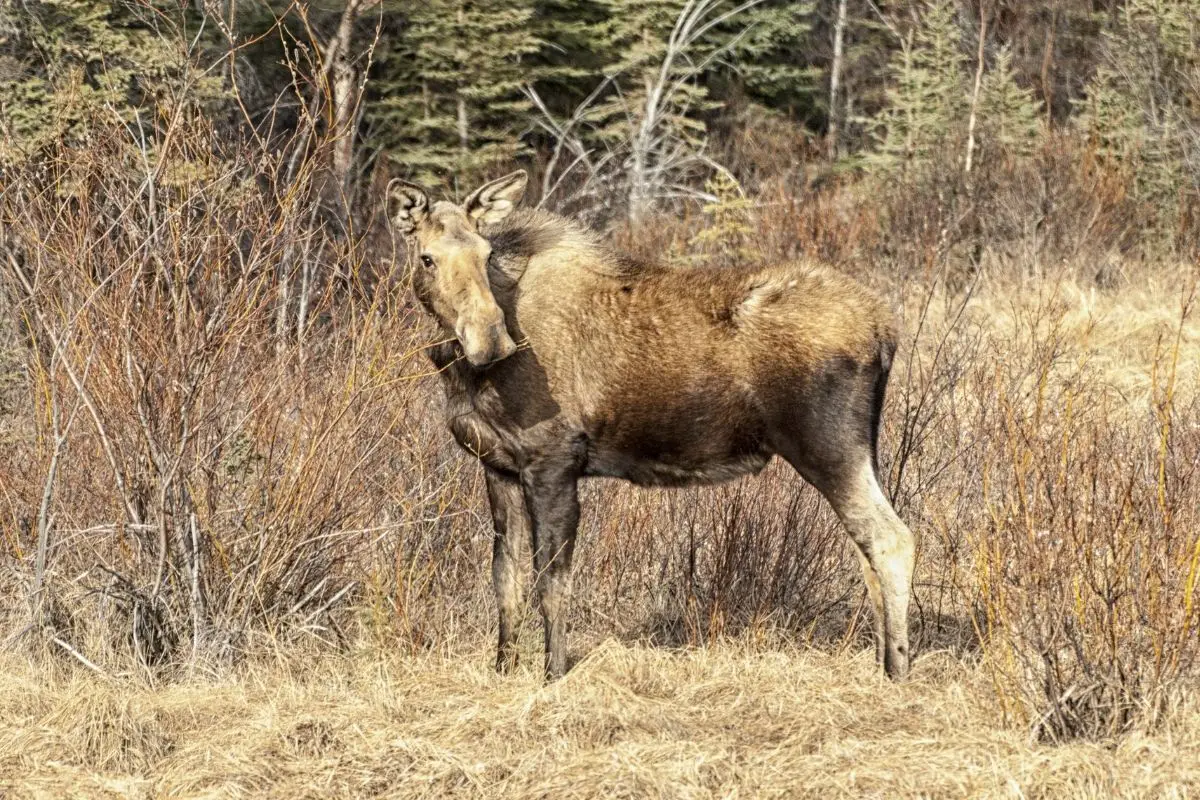
The Alaskan Moose (Alces alces gigas, or “Yukon Moose” in Canada) is the largest subspecies. It can be found throughout Alaska and parts of the western Yukon in Canada. Male Alaskan moose grow to be 6 feet tall and weigh up to 1,600 pounds.
There are approximately 225,000 of this type of moose. Alaskan moose graze on vegetation and shoots from trees like willow and birch. They do not have upper front teeth so they rely on their 8 sharp incisors on their lower jaw to chew up rougher, woodier vegetation.
They require daily consumption of 9,770 kilocalories––think of how many milkshakes that divides out to! When a baby Alaskan moose reaches 10 or 11 months of … Read the rest of the story.

No comments:
Post a Comment