Pages

Why do Moose have Antlers?

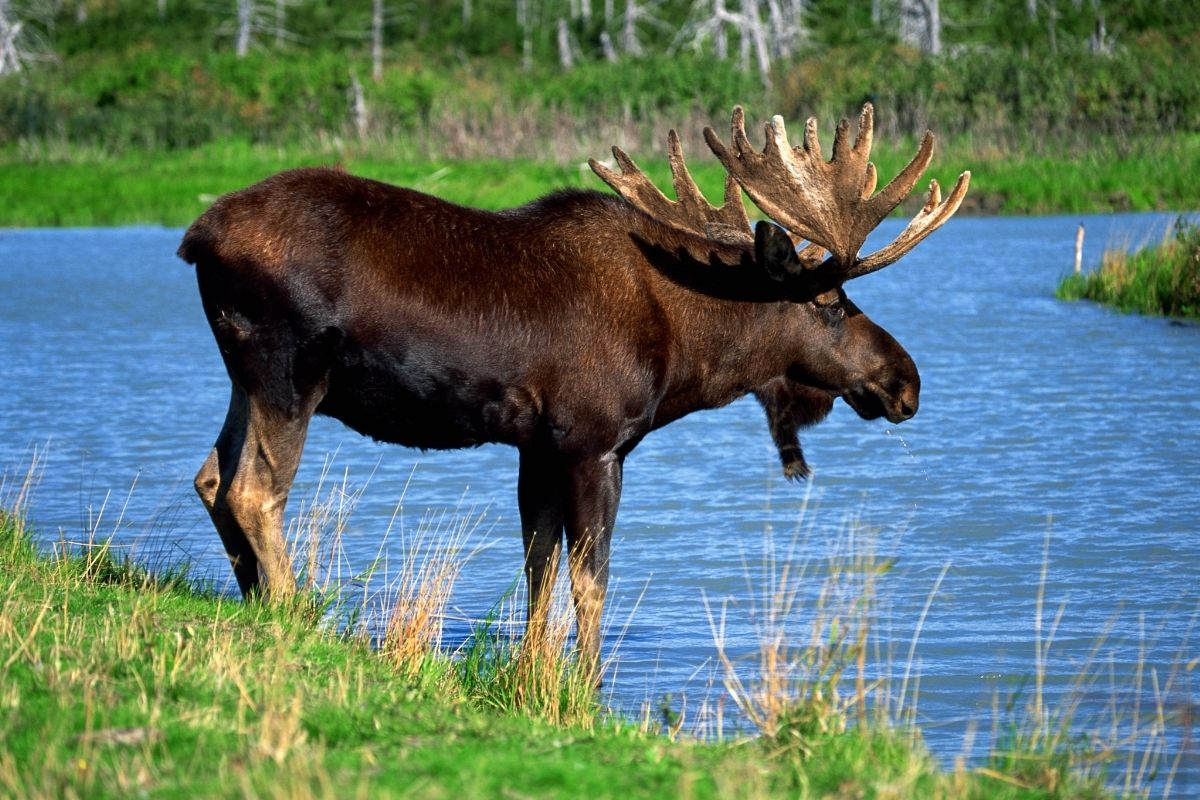
Moose showing his relaxed body near the river.

Moose are one of the largest mammals in North America. Adult males can weigh up to 1,650 pounds and stand six to seven feet tall at the shoulders. Like other male members of the deer family, bull moose have antlers that they grow and shed each year.

These antlers can grow to be up to five feet wide and can weigh as much as 30 pounds! Female moose don’t grow them. So why do bull moose grow giant antlers in fall only to shed them in winter? As usual, it’s all about romance!

What are Antlers?
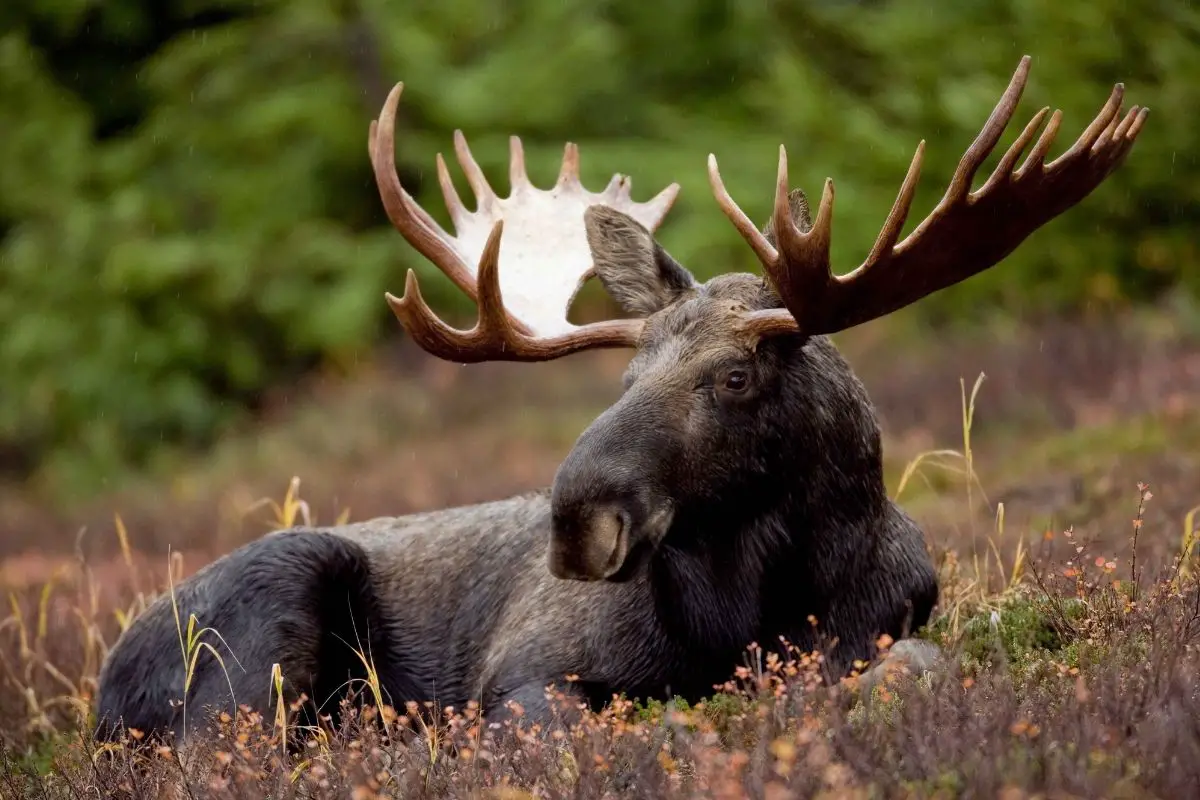
A macro shot of a moose on the rainforest.

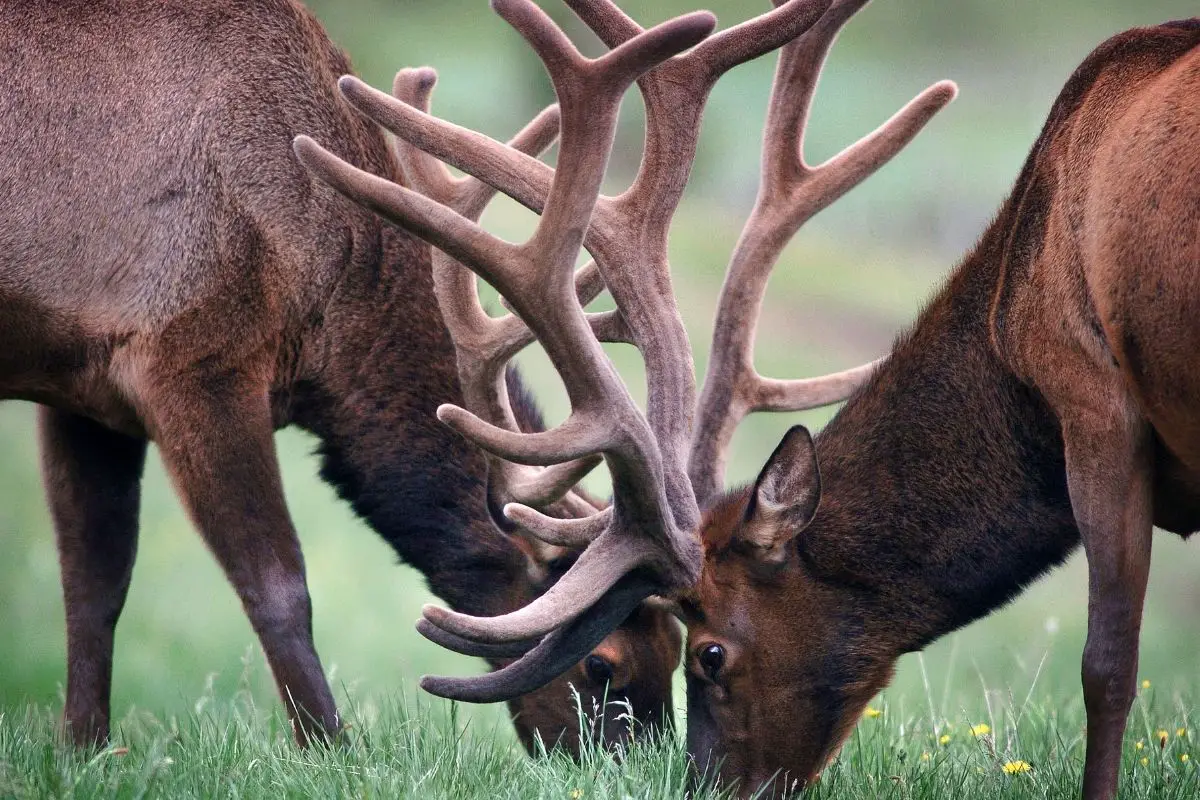
Moose have antlers rather than horns. Like other deer antlers, they grow from bone as an extension of a moose’s skull. But these “skull extensions” are not a permanent attachment). In contrast, cattle, sheep, and goats grow horns they keep forever that are composed of keratin—the same stuff that makes fingernails and hair!

If that sounds weirdly opposite, it gets worse. antler bones grow because of a rough velvet that covers them on the outside, supplying them  with blood throughout the growing season. This velvet can produce three-quarters of an inch of new growth per day!

How do Moose Antlers Grow?
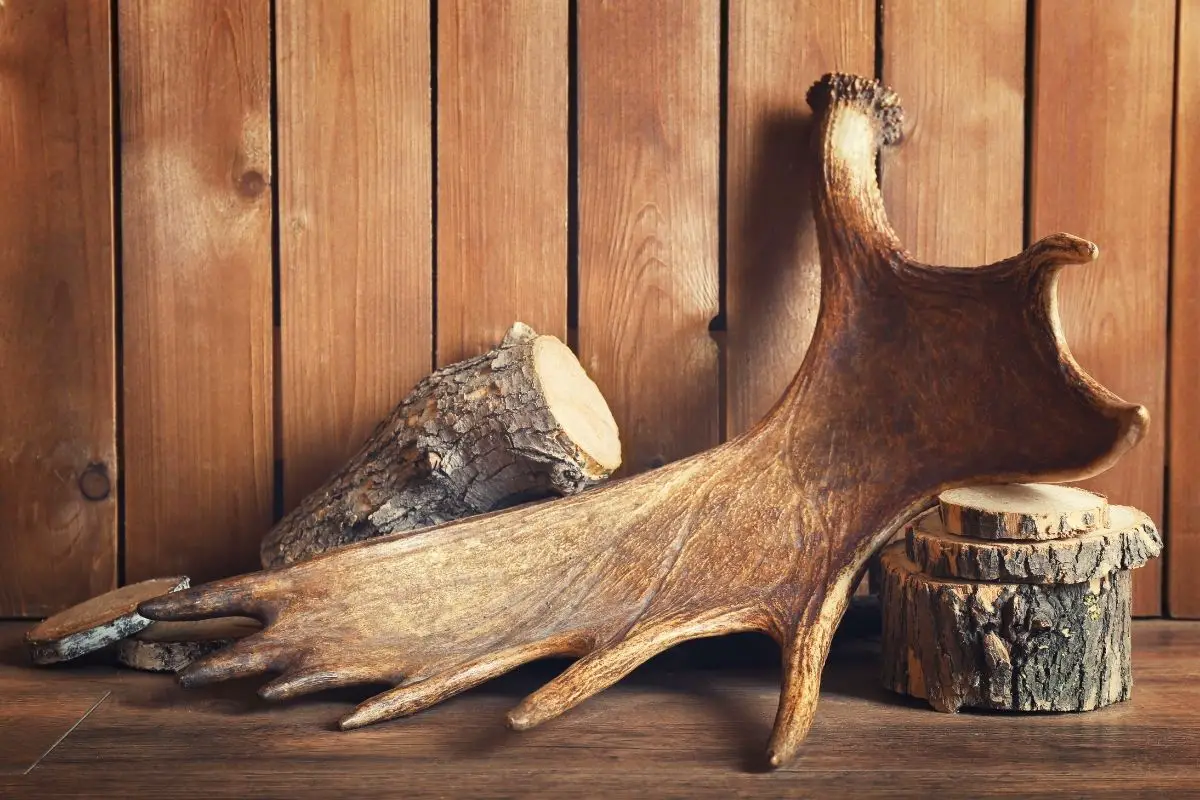
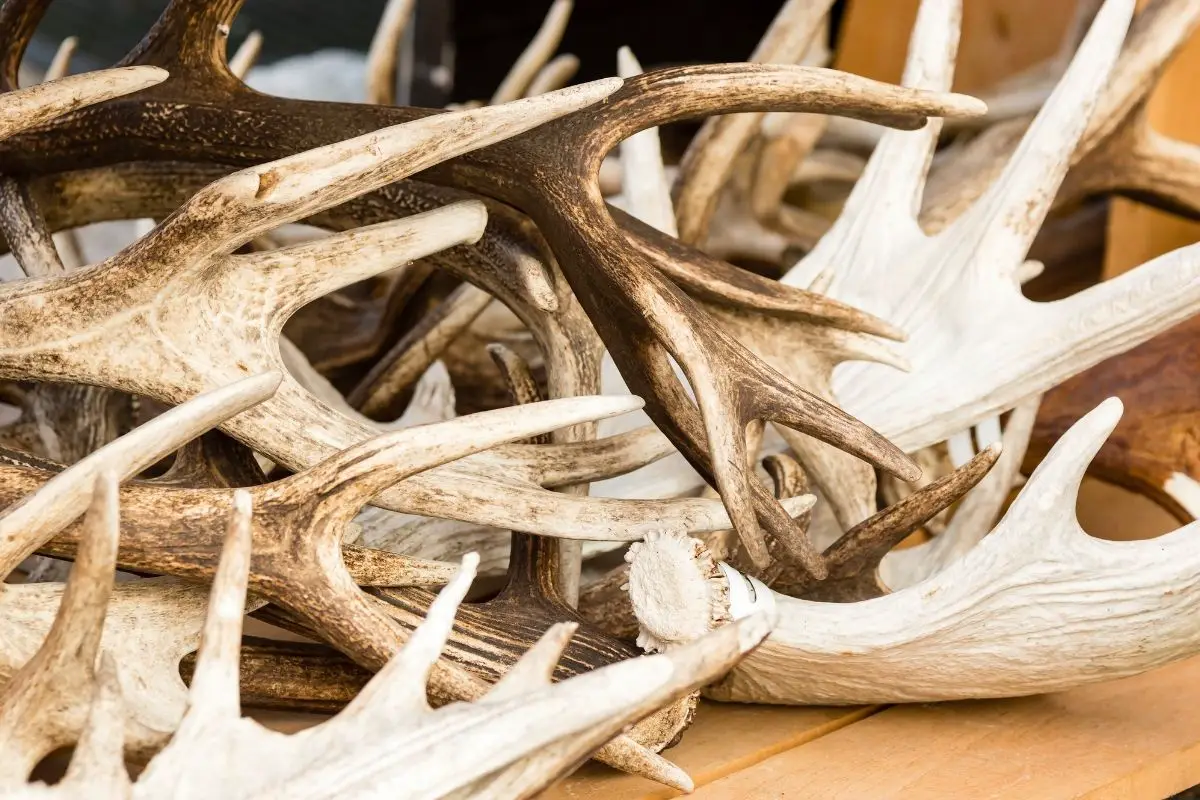
Moose antler with firewood on the wooden background.

Antlers begin to grow when the seasonal shifts in sunlight cue changes in the levels of a male moose’s testosterone, according to Dr. Bronson Strickland of the Mississippi State University. Longer summer days cause the buck’s hormones to activate antler growth. Waning autumn sun ramps up testosterone in the bull’s blood, signaling a stop in antler growth.

The antler velvet that has supplied them with blood throughout the year dries up, and males rub it off on trees and saplings to mark their territory with an oily scent. This marking signals a challenge to other male moose and an invitation to females.

What are Moose Antlers For?

During September and October, it’s mating season! Male moose search for mates by marking territory, by bellowing, and by fighting with one another. In addition to rubbing off their antler velvet to leave a signature scent on trees, bulls make … Read the rest of the story.

The Top 10 Closed Lakes in the World

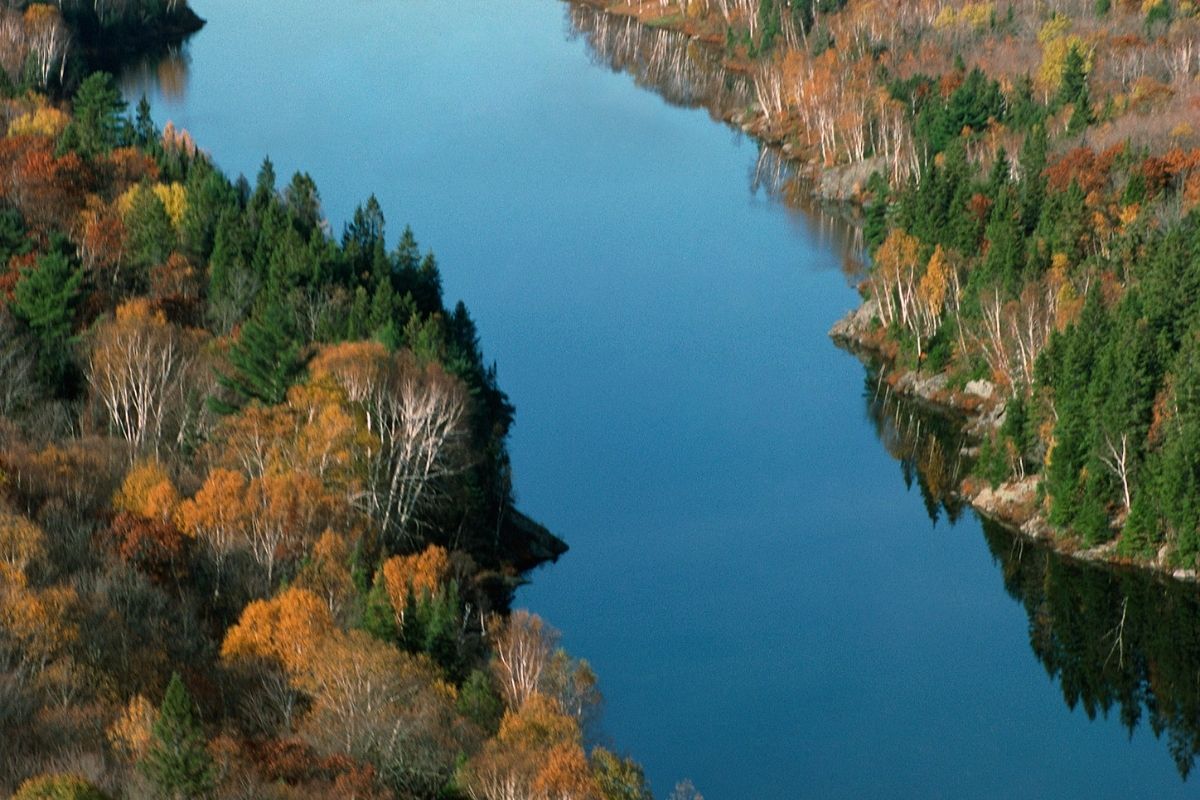
A breathtaking top-view of Snakeskin lake Ontario.

Before we dive into the best closed lakes in the world, let’s get on the same page regarding what we mean by a “closed lake.” Closed lakes are defined as endorheic basins with no surface outlet. Essentially this means that a “closed lake” is a lake that does not drain into a larger body of water.

These lakes can be found all over the world in a variety of climates and locations.  The ten largest closed lakes by surface area are all listed above.

1. Great Salt Lake- Utah, USA

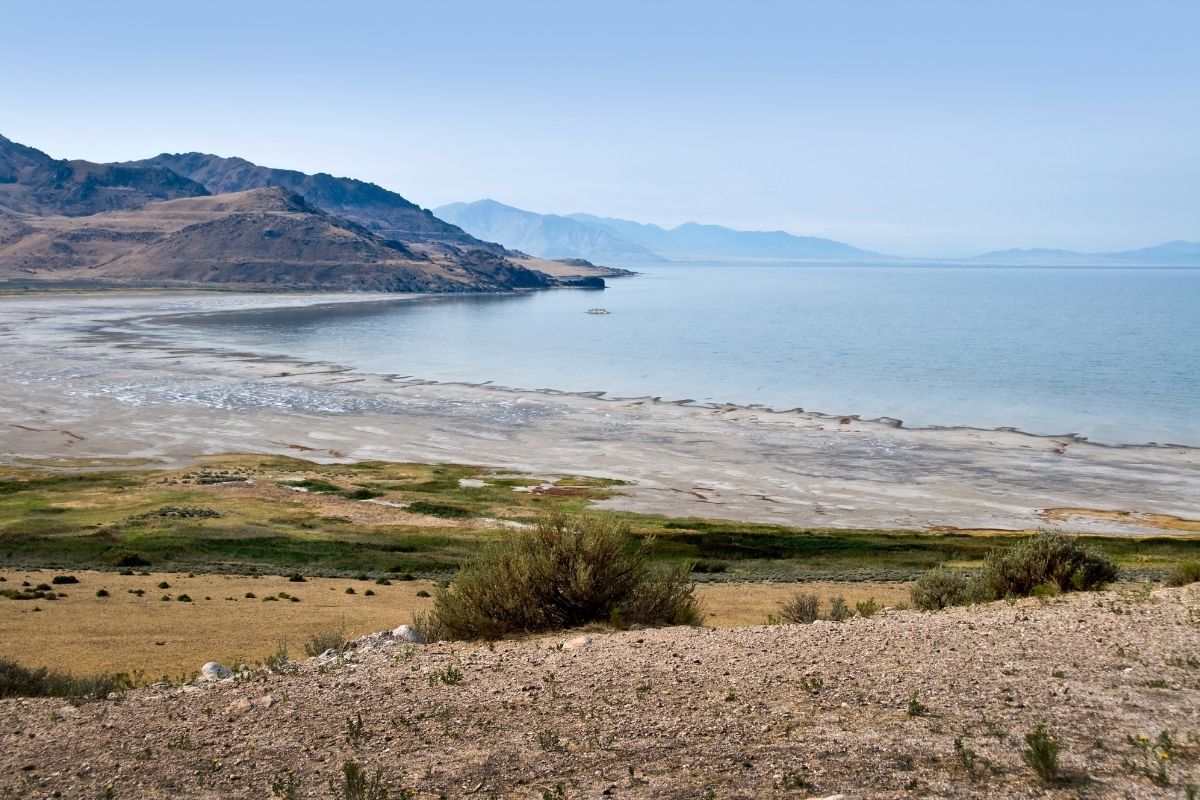
A breathtaking view of salt lake.

The Great Salt Lake in Utah, USA, is the largest closed lake in the world with an area of 1,700 square miles, approximately

Fun Facts about the Great Salt Lake:

  • It is up to ten times saltier than the ocean
  • The Great Salt Lake has no fish
  • It is home to the brine shrimp

Things to do at the Great Salt Lake:

  • Visit Antelope Island State Park
  • Hike Frary Peak
  • Take a dip in the brine pool

2. Caspian Sea- Azerbaijan, Russia, Kazakhstan, Iran, Turkmenistan

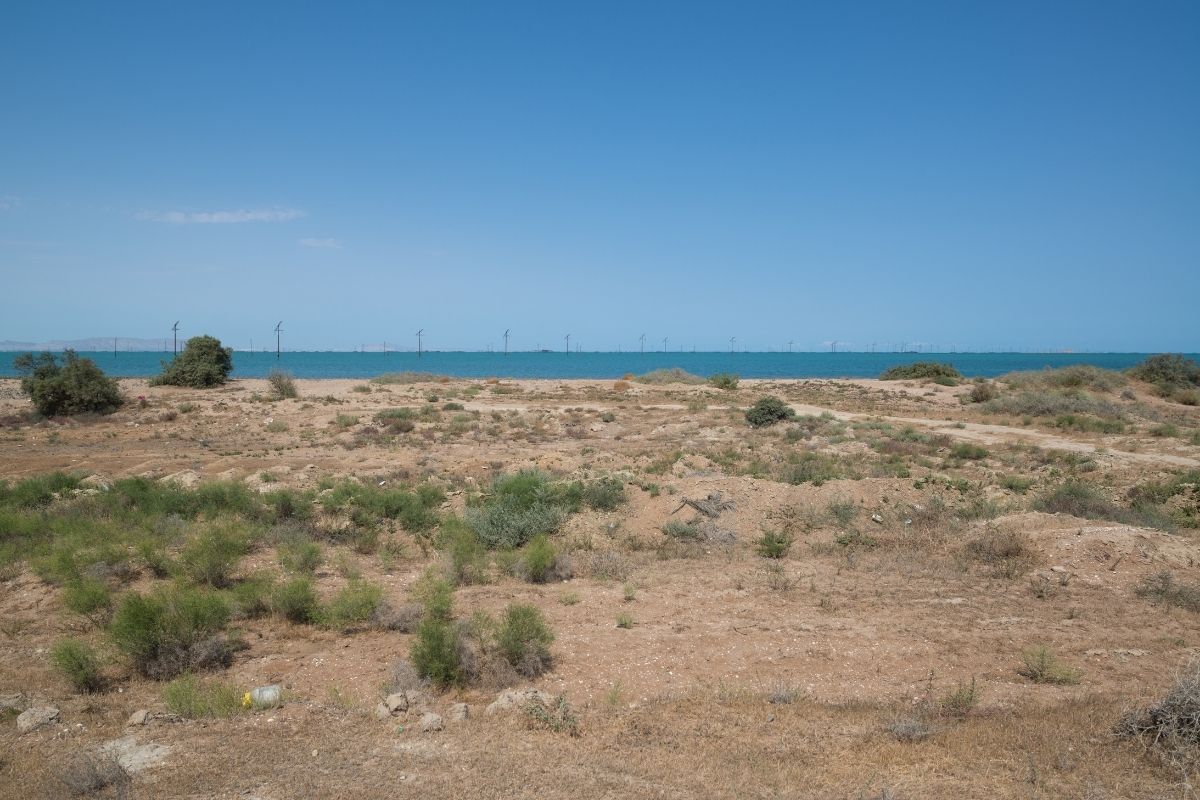
A dry caspian sea.

The Caspian Sea is the second largest closed lake, with an area of approximately 143,200 square miles. The Caspian Sea is located between Europe and Asia and is bordered by Azerbaijan, Russia, Kazakhstan, Iran, and Turkmenistan.

Fun Facts about The Caspian Sea:

  • The Caspian Sea is a lake, despite its name
  • It contains about 16% of the world’s oil reserves
  • The Caspian Sea is home to the sturgeon fish, which is used to make caviar

Things to do at The Caspian Sea:

  • Visit the Caspian Sea Beaches
  • Go Sturgeon Fishing
  • Explore the ancient city of Derbent

3. Lake Superior- Ontario, Canada

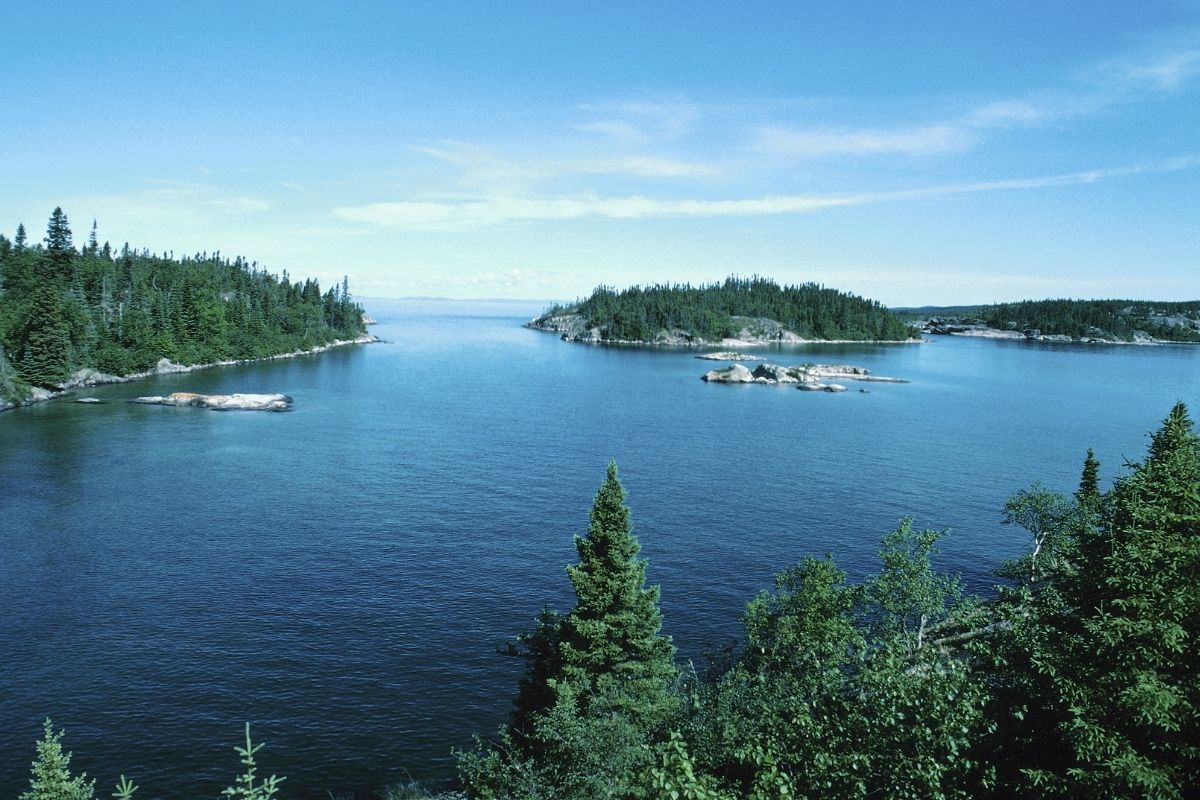
A beautiful lake superior ontario canada.

Lake Superior is the biggest of the Great Lakes of North America and the third largest closed lake in the world, with an area of 31,700 square miles. Lake Superior is located between the Canadian provinces of Ontario and Minnesota.

Fun Facts about Lake Superior:

  • It is the coldest and deepest of the Great Lakes
  • Lake Superior contains 10% of the world’s freshwater
  • There are over 200 known shipwrecks in Lake Superior

Things

Read the rest of the story.

Do Deer Antlers Grow Back if Cut Off?

A pile of deer antlers on a table.

Cutting antlers on deer is a process called de-antlering and is done to protect deer from injury and to sometimes aid in the process of record keeping for a deer farm. Some use deer antlers while in velvet as a medicine, but this type of cutting can injure and harm the deer.  There is a specific way to cut antlers and a specific time to do so where the deer has the least chance of being harmed.

Cutting antlers will let them grow back every year.

Why Cut Deer Antlers?

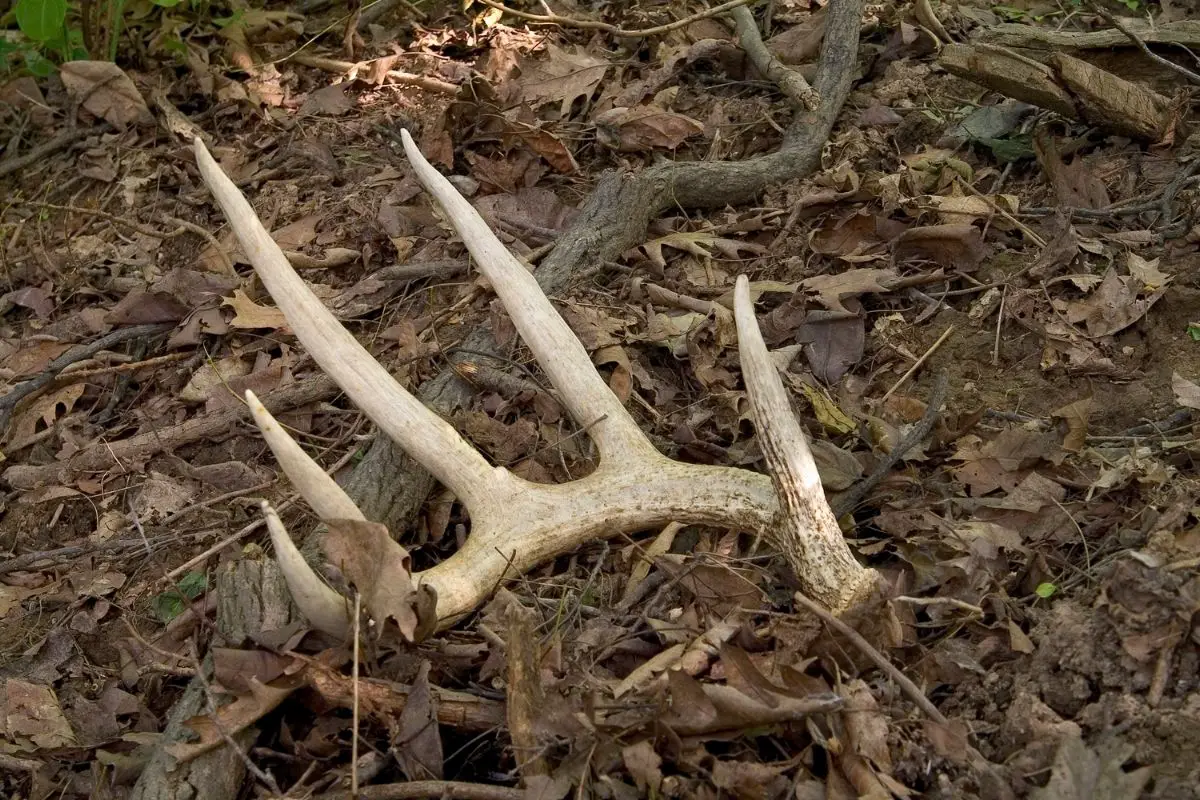
Ana antler from a mature whitetail.

Antlers are cut for many reasons. For those that raise deer, cutting antlers can help minimize the losses taken each year from bucks fighting with one another. Cutting back the antlers each year can keep those losses to a minimum.

Deer farmers have learned that just by taking the simple step of cutting back antler growth, it can help disarm potentially devastating results from bucks trying to assert dominance. Another reason to cut antlers is so that there is an easier way to keep antler growth records because you are able to match up the antlers with the bucks without having to go and locate them in the farm pasture. It is a way to do management and marketing for the farm without having to match DNA between them.

Both of these reasons are typically used for cutting back antlers in a deer raising setting and for those with pasture deer. Lastly, some deer antlers are cut while still in velvet for medicinal purposes. This process can hurt the deer.

Medicinal velvet supplements “contains multiple substances including the female sex hormones estrone and estradiol. It also contains substances which may help cells grow and function”, according to RxList.

Does Cutting Antlers Hurt the Deer?

A two deer on a grass.

Cutting antlers can cause pain, health complications, shock and fear to the deer if there are not proper cutting techniques used. Cutting during velvet season will give a heightened period of these complications. Cutting dry antlers can lessen the complications when you use proper techniques such as tranquilizers, clean cutting tools, and a little TLC.

Having … Read the rest of the story.


Wolf vs Leopard – Which Would Win in a Fight?

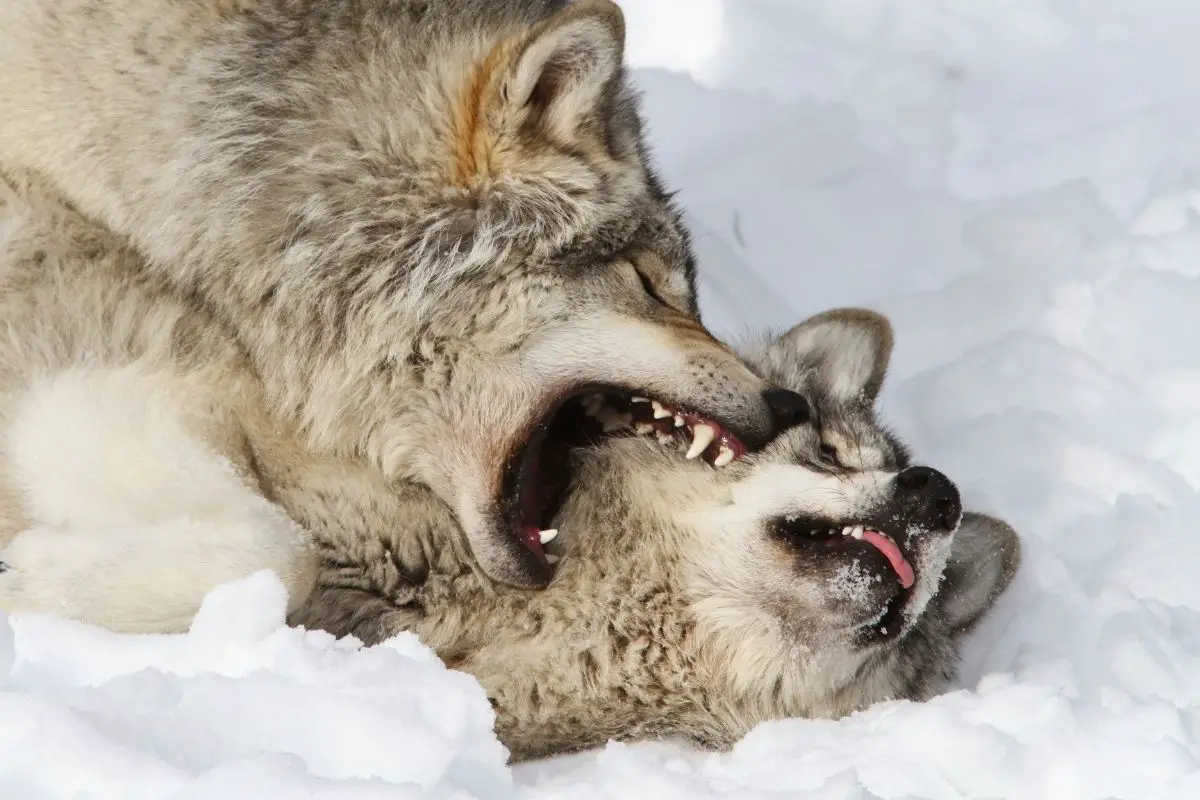
Aggressive Timberwolves are fighting in winter.

Who would win in a fight between a wolf and a leopard? Are you curious? I know I am.

I have always had a fascination with giant cats and dogs, er, wolves. After all, humans today live with miniature wolves and leopards in our homes just for sheer comfort and companionship. But, if a wolf and a leopard came upon each other in nature, who would win at the end of the day? Let’s find out.

Comparing a Wolf Vs. a Leopard in the Wild

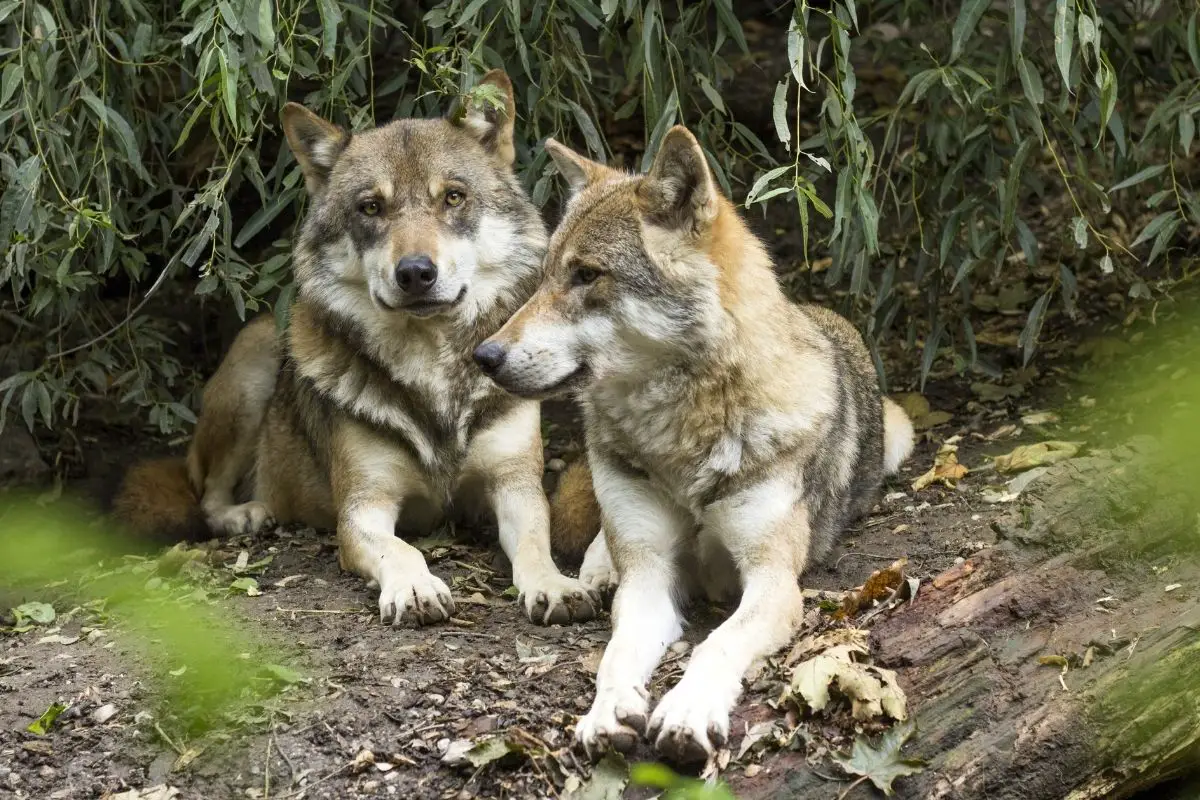
Two grey wolves relaxing on the ground.

Comparing a wolf versus a leopard is like comparing cats and dogs…and that is exactly what we are doing here. The leopard is a giant cat that is native to both the Asian and African continents, whereas the wolf is a large form of a dog that is less domesticated than our pets today. Leopards are great swimmers and are excellent climbers, giving them plenty of advantages when fighting in the woods or even in their own territory.

Wolves are made of an extremely muscular body and have the stamina to last far longer than a leopard, especially in a battle. Additionally, wolves are known for their bites, whereas leopards are typically known to use the power of their huge paws in order to gain a competitive edge over an opponent in the midst of a battle.

How does a wolf fight?

An amur leopard on the prowl.

Wolves are unique as they do not typically find themselves being aggressive on their own or in a one-on-one scenario. This is why when wolves are referenced they are typically done so as a wolf pack. Wolves prefer to travel in packs, as this provides them not only with companionship and support but also with fighting power and plenty of intimidation to go around.

When a wolf is confronted by a predator, they are most likely to call out for their pack if there is one available. However, if left on its own, a wolf will fight similar to that of a dog, as it is not too distant from a dog’s makeup and genetics. Wolves may typically use their teeth more than … Read the rest of the story.


How Long Do Most Lakes Last?

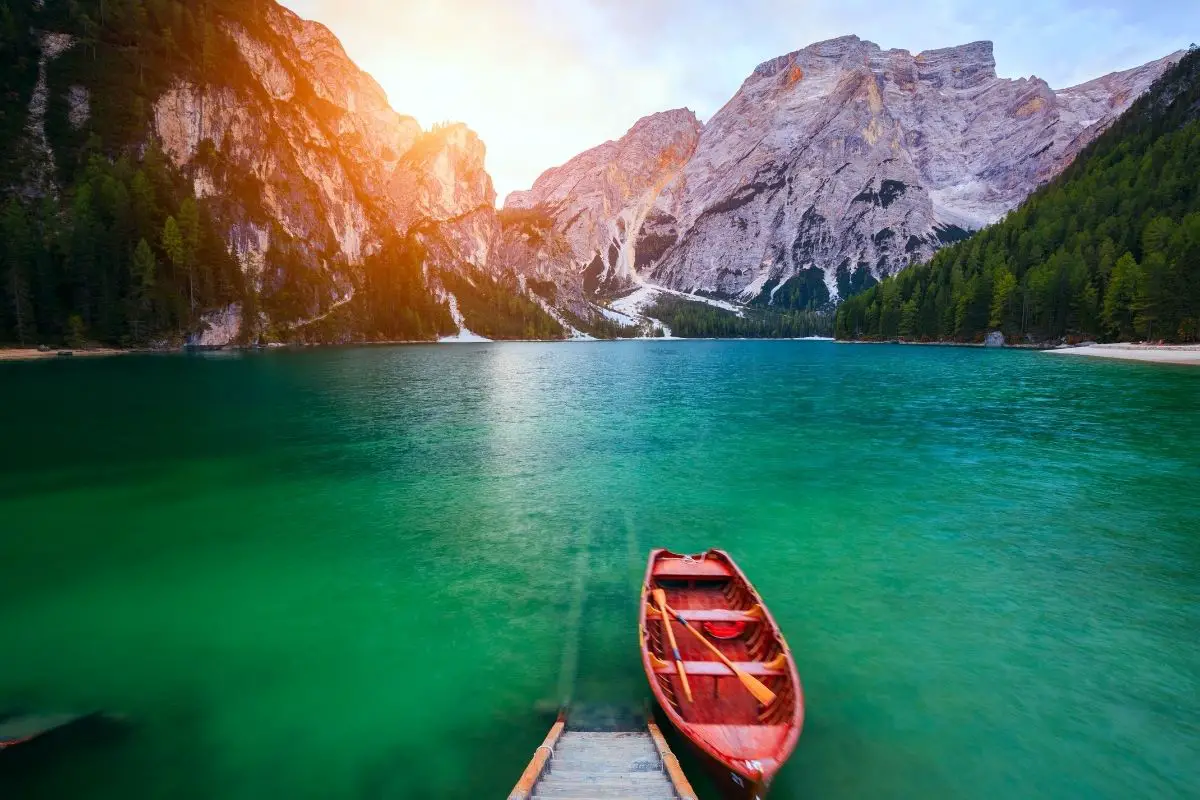
Braies lake with boat.

There are virtually endless awe-inspiring sights to see and take in around the world. With no shortage of wonders on planet Earth, it is no surprise that more people than ever have found a passion for all things Earth and science. For those who study geology and the waters of the blue planet, you may be curious as to how long a typical lake lasts.

The very idea of a lake disappearing may sound foreign or even impossible to you, however, if you are not familiar with the formation and evolution of lakes, rivers, and other Earthly bodies of water over time.

Some lakes may last only a few decades in regions with severe climate change and a lack of government resources to help replenish the lakes as they dry up. However, with the natural life cycle of a lake in a thriving and suitable environment, lakes can last anywhere from hundreds to thousands of years. 

Do all lakes last the same amount of time?

A breathtaking view of natural lake.

No. Not all lakes will last the same amount of time, as climates shift and change around the globe all of the time. Because there are many factors at play that help determine how long a lake may last naturally, there is no easy way to set an average time that a lake will last.

Lake Formation

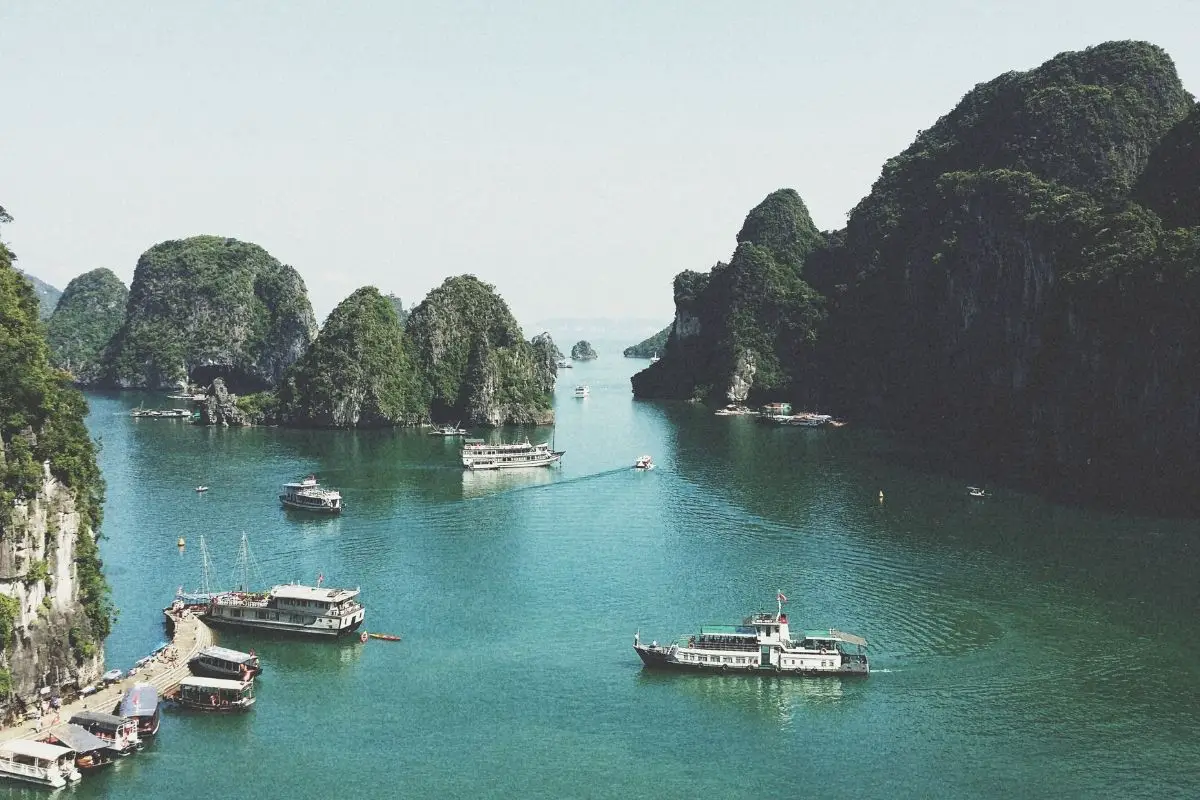
A natural lake formation with busy cruise ships.

In order to understand why lakes do not last the same amount of time, it is important to understand how lakes are formed and what exactly defines a lake. A lake is a basin in the Earth that is suitable for water collection and/or accumulation. Basins throughout the Earth’s surface make for excellent lakes, streams, and rivers.

Many glaciers around the world are also known to have helped in the formation of the lakes we know today after they have completely melted. Other instances of lake formations may occur due to the Earth’s own crust and plate tectonics. As plate tectonics shift, the Earth’s crust and ground may pull apart, helping to form natural holes and basins which are suitable for lake water accumulation and formation.

Additionally, lakes … Read the rest of the story.


Which Countries Have No Forests?

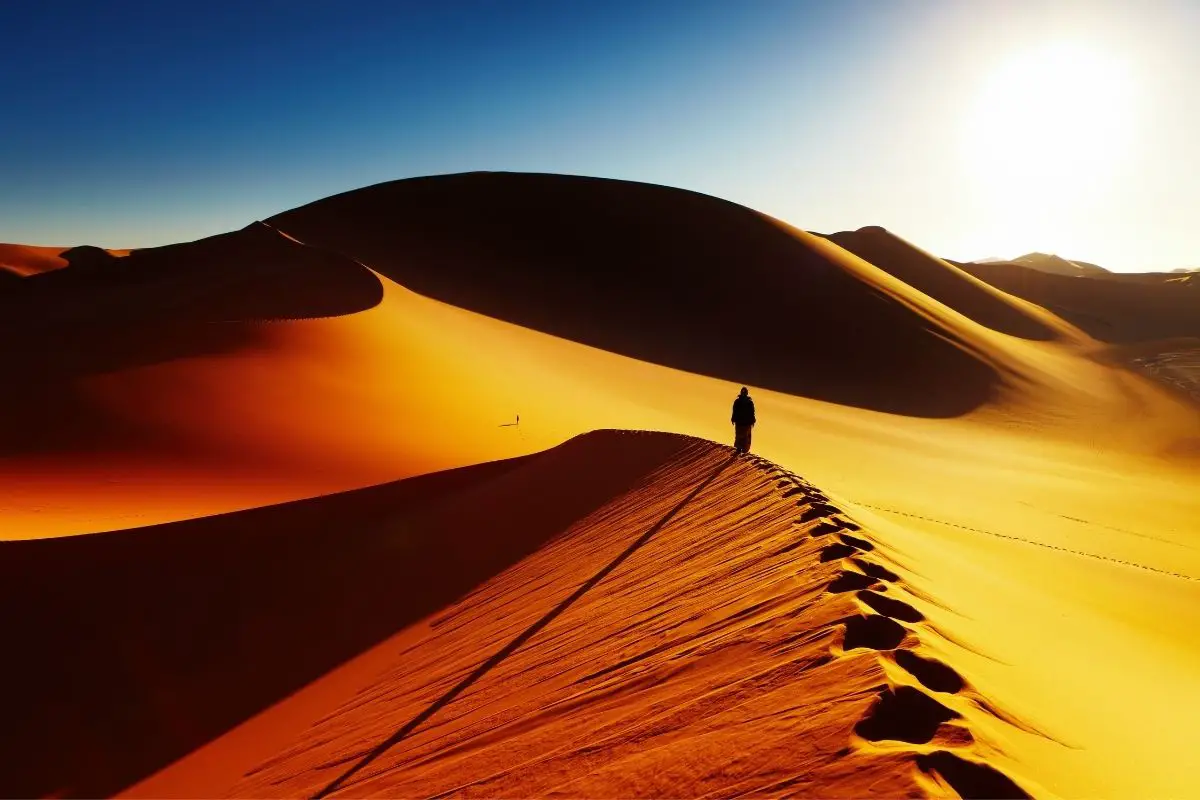
A man walking through the desert.

There are five treeless countries, or more appropriate, countries without forests in the world, according to World Bank data. One is truly hilarious, Greenland since the name would make us easily think it is filled with lush greenery. Anyway, the other four treeless territories are Monaco, Oman, San Marino, and Qatar.

So, if countries with trees are struggling with climate issues, what about those without them? How is it possible for a country to not have trees? Even deserts have a few, or so I thought since some deserts are too dry to have any trees at all that thrive there.

Let’s look at what scientists have to say, then analyze these countries individually.

Nations With Less than Percent Tree Cover

There are several countries that the World Bank states as having less than a percent of tree cover, including:

  • Oman
  • Greenland
  • Qatar
  • San Marino
  • Monaco
  • Nauru
  • Egypt
  • Libya
  • Djibouti
  • Mauritania
  • Kuwait

What is Considered a Forest?

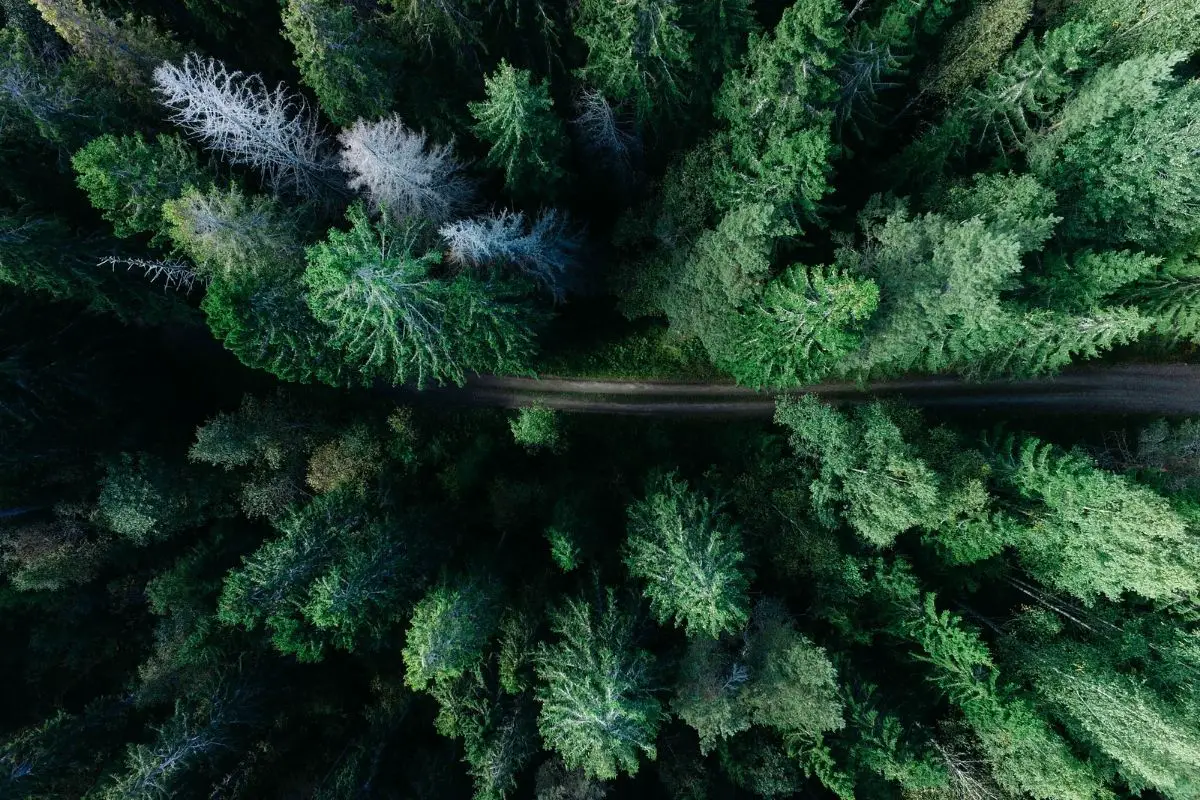
A top view of a forest loaded with tall trees.

Forest area is defined as land with trees taller than five meters and a canopy cover of at least ten percent, or trees that can achieve these thresholds in situ, covering an area larger than 0.5 hectares. Agricultural and urban land uses are not included in this calculation. Both the existence of trees and the lack of other major land uses contribute to the definition of a forest.

Ideally, the trees must be capable of growing to a height of at least 5 meters. As a result of human intervention or natural calamities, areas that have not yet attained but are predicted to reach 10% canopy cover and tree heights of at least 5 m are included in the study.

Inclusions

Plantations are mainly used for forestry or protection, as long as they meet certain height and canopy cover requirements, like those found in nature reserves, national parks as well as those found in areas of special scientific, historical, cultural, or religious interest. Shelterbelts,  windbreaks, as well as corridors of trees with an area larger than 0.25 ha and a width greater than 20 meters.

Exclusions

The presence of trees in agricultural production … Read the rest of the story.


Why are there No Trees in Qatar?

Skyline in the city of doha qatar.

When you think of Qatar, what is the first image that comes to mind? Do you picture vast deserts and plenty of warmth, or do you envision a growing city that is bustling with life and a giant economy day in and day out? If you imagined either one of these scenarios, you are not incorrect.

Qatar, although it has rapidly evolved in the past few decades, was known for quite some time for its lack of trees and other forms of greenery.

Why are there no trees in Qatar?

Amazing photo buildings in Doha Qatar.

Qatar has gone through a lot of changes in the past few decades alone. Once a vast desert with plenty of old buildings and crumbling infrastructure, Qatar has since been transformed into a wealthy, bustling city for those who can afford it. While the rebuild was occurring in Qatar, trees were not considered a top priority, and many that were left were removed entirely.

It is also important to keep in mind that Qatar is located in a desert climate, making it much more difficult for trees to survive on their own. There are specific trees that are suitable for desert climates and regions such as Qatar.

Causes of a Lack of Trees in Qatar

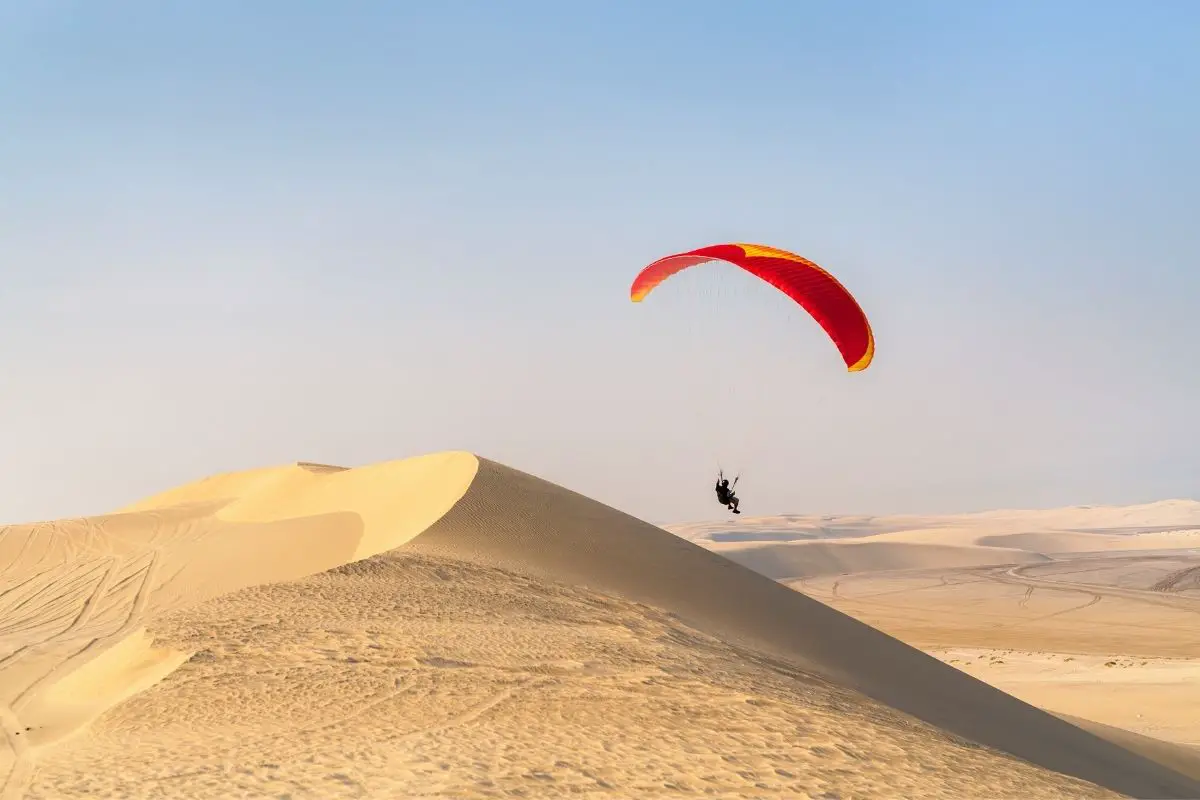
Paraglider flying over sand dunes in qatar.

A lack of trees in Qatar can be explained by simply remembering that Qatar is in a desert climate, which can be extremely hot and dry year-round, making it difficult for vegetation to grow, including simple trees. As Qatar began to expand and rebuild, it created a giant metropolitan city of its own. Those rebuilding Qatar with their high-rise buildings and skyscrapers neglected to consider any of the trees or vegetation that stood in its way, thus leaving the city flattened without any trace of trees that once lived.

As the importance of trees and nature becomes more well-known throughout the world, initiatives such as manmade forests are becoming even more commonplace, even outside of desert areas such as Qatar.

Is it healthy to live somewhere without trees?

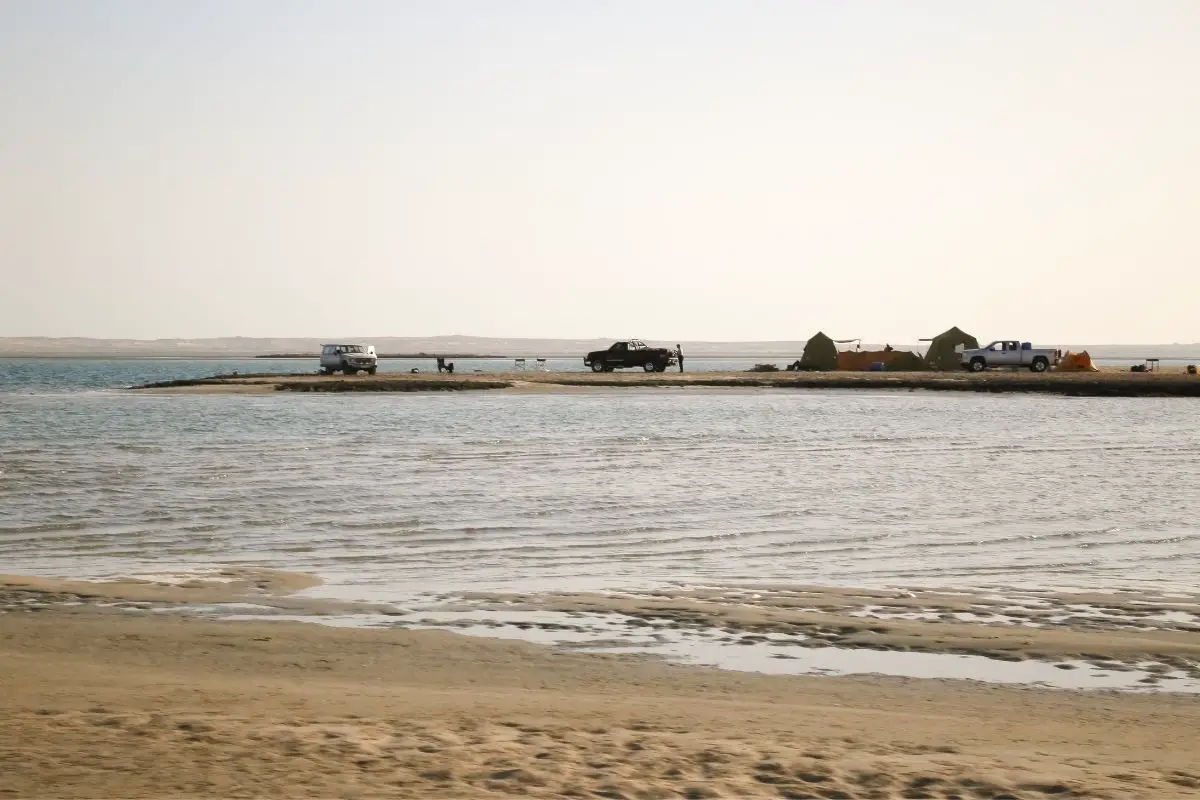
A qatar beach resort.

Not always. In fact, trees provide plenty of benefits in nature and for the health of … Read the rest of the story.


Do Flamingos Live in the Rainforest?

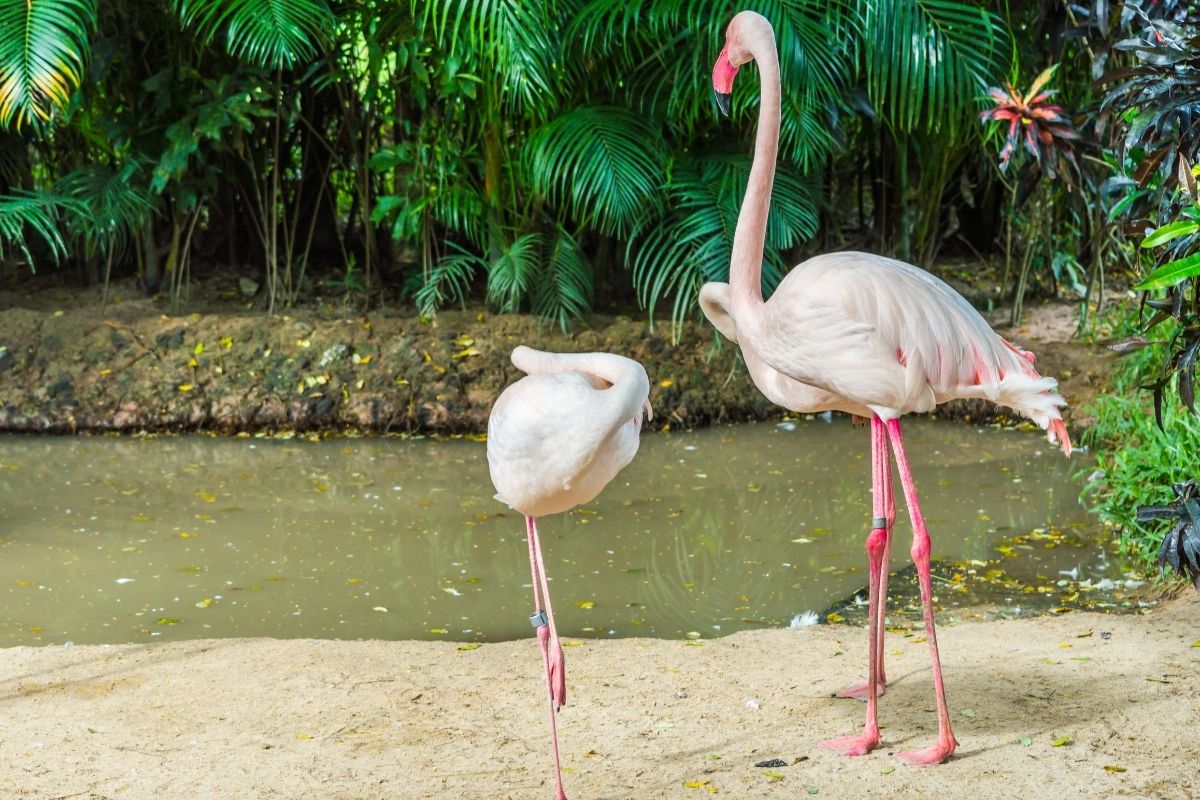
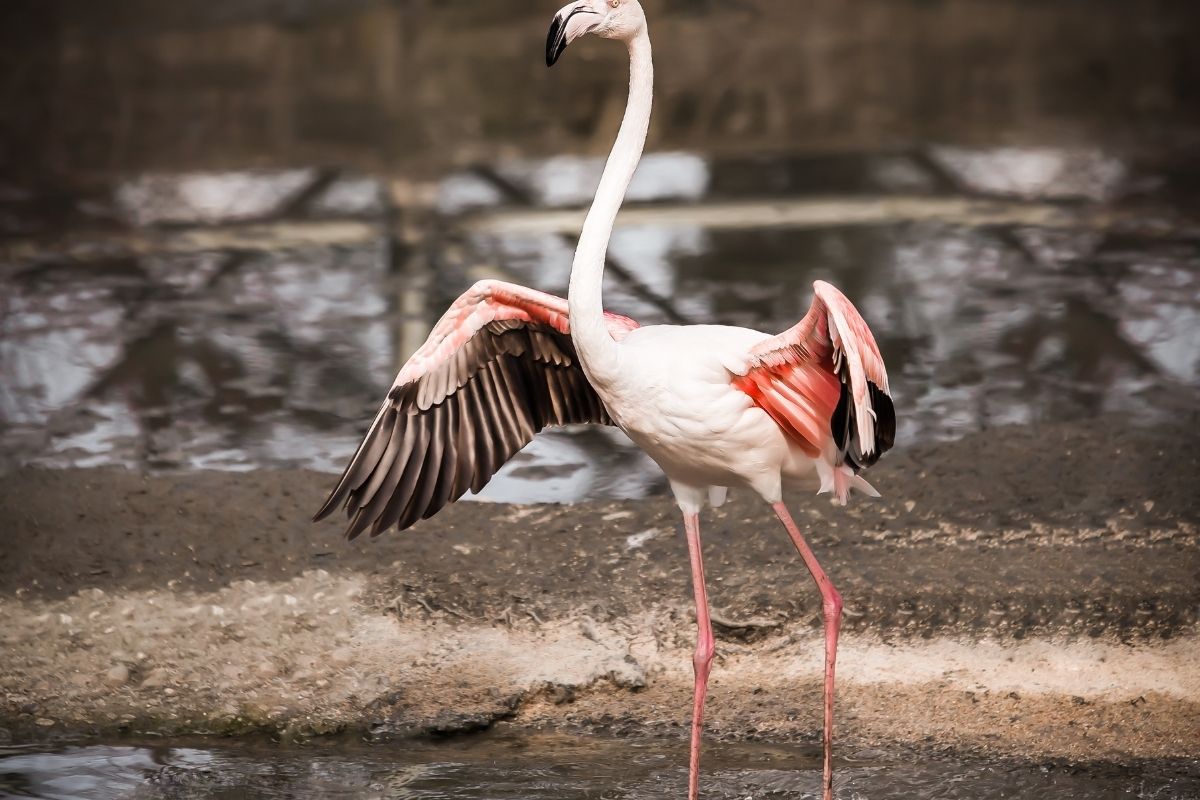
Two adult flamingos in the rainforest.

Flamingos do live in the rainforest, just not in the middle of it but rather at the edges. Close to lakes and estuaries where the rainforest meets the Andeans is where you’ll find Flamingos in the Amazon Rainforest region. Only two types of flamingos make their habitat on the outskirts of the Amazon rainforests and that’s the Andean and Puna.

The latter is the rarest Flamingo. Here’s a look at the different species of flamingos, those who live in the rainforest, and all the in-depth details you’d like to know about their lifestyle.

What is a Flamingo?

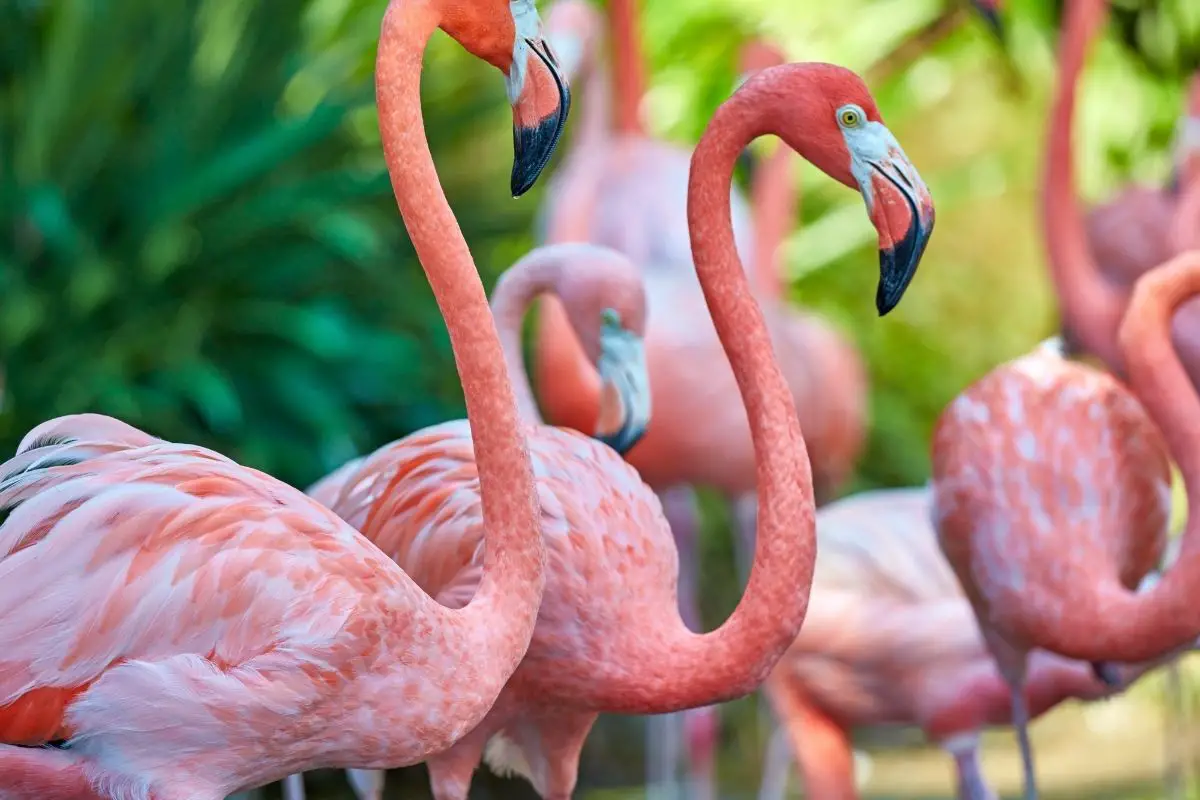
A american flamingo.

The flamingo is one of the oldest bird species remaining in existence. They stand out from other tropical species because of their unusual feeding habits and vibrant plumage. A common sight in zoos around the world, wild flamingos can be found in tropical and temperate locations, frequently near water and rainforests.

How Many Varieties Of The Flamingo Are There?

Flamingo at national zoo in bursa turkey.

Flamingos come in six distinct varieties.There are also lesser, greater, James’ (or Puna), Chilean, Caribbean/American, and Andean flamingos. The tropical and subtropical regions of Africa, Asia, and Europe are home to the largest populations of flamingos on earth.

The largest and tallest Flamingo species. Only in South America can you find Puna and Andean flamingos. Of the six species, the Andean flamingo numbers less than 40,000.

In Africa and southern Asia, there are smaller flamingos. Among flamingo species, they are the smallest and most common. More than 2 million lesser flamingos flaunt their pink plumage, illuminating the skies and shorelines.

Flamingos Found in the Rainforest Region

A zoomed photo of a group of pink flamingos.

James Flamingo(Puna)

While the Andean flamingo is slightly larger, the James flamingo is smaller still, being on par with the smaller flamingo of the Old World. It was Charles Rahmer, who was part of a collecting expedition financed by Harry Berkeley James, that first brought back a bird specimen of the species. Several species of flamingos live in the Andean plateaus of Peru, Chile, Bolivia, and northwest Argentina.

James’s flamingo is one of these species.

Andean Flamingo

South America’s Andes highlands are home to a unique … Read the rest of the story.

Are Flamingos Pink? If Not, What Other Colors Are They?

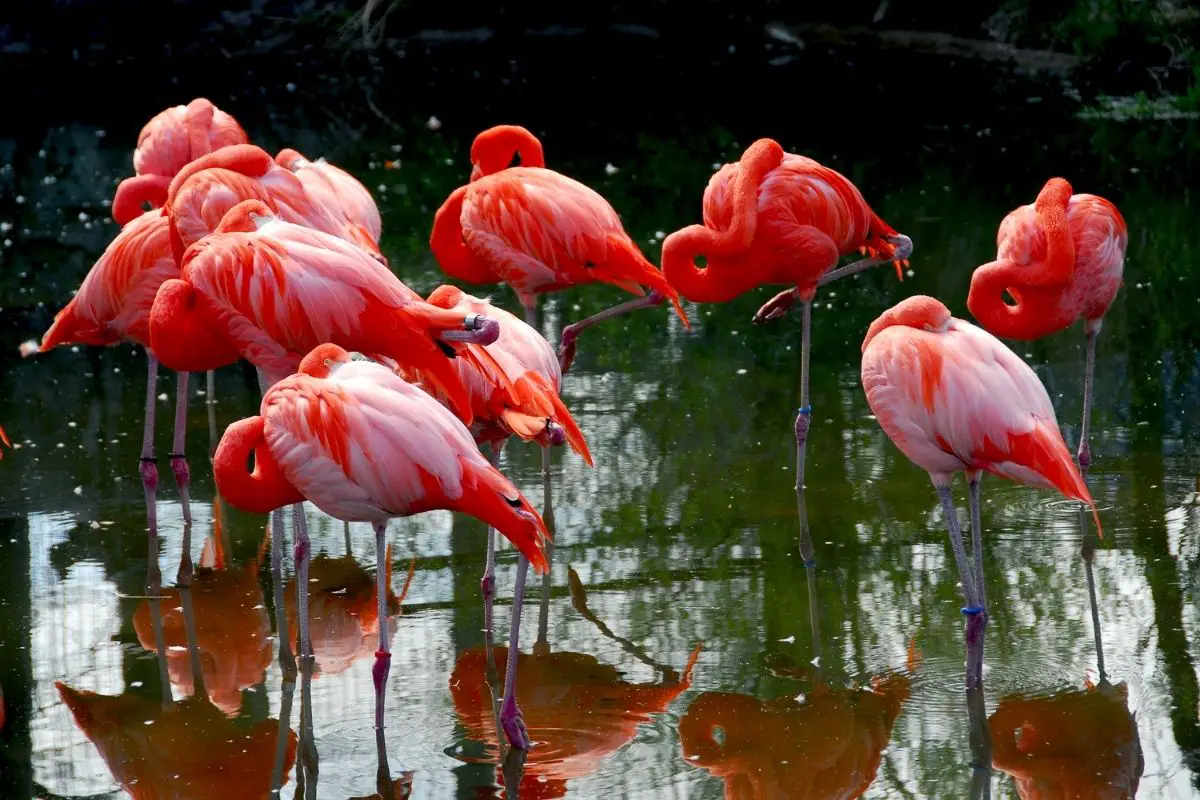
Group of colorful pink flamingoes standing in the water.

Flamingos are one of my favorite birds. They’re so graceful and their color palette is simply stunning. However, I was recently surprised to find out that not all flamingos are pink.

There are several different types of flamingos, each with its unique color scheme. If you’re curious about flamingos and want to learn more about their coloration, this article is for you!

How Flamingos get pink skin

A macro shot of beautiful pink flamingo.

A flamingo’s pink skin is not a hereditary trait – this means that they were not born pink. According to expert Zoologists, flamingos are born white or dull grey. So how do they get their pink skin?

Well, it’s primarily caused by their diet. The food that they eat – algae, brine shrimp, and brine fly larvae – contains high amounts of carotenoids. These are the pigments in plants and certain sea creatures that give them their bright orange, yellow and red colors.

Once the flamingos consume these plants, the pigment is metabolized inside of the digestive system – turning their body and feathers pink. Some flamingos are brighter in color than others. This is primarily due to the amount of carotenoid-rich food they consume.

With that being said, the Caribbean flamingo is the brightest. In the Caribbean, carotenoids can be found in abundance. A fun fact to know is that flamingos eat upside down.

The reason being is because it has evolved to do so. Its top bill (beak) functions as a bottom bill and vice-versa. So, in other words, its bottom bill is much larger and stronger, so it has to turn its head upside down to eat to accommodate that.

This is the complete opposite of any other bird. They have long legs that allow them to wade in deep water to look for food. Once they find an area, they take their feet and stir up food from the bottom of the water – then dunk their head in to eat.

They use their tongue to filter out water or any other thing they don’t want to eat.

Can flamingos be other colors?

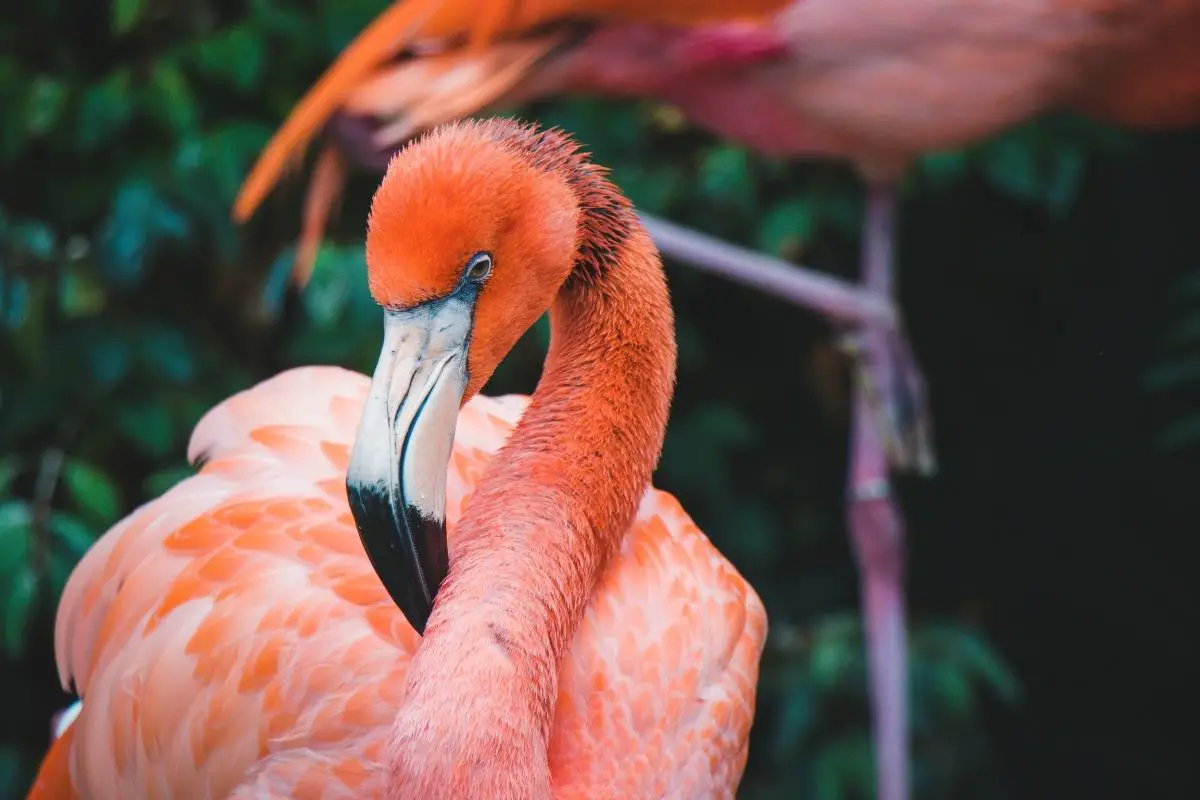
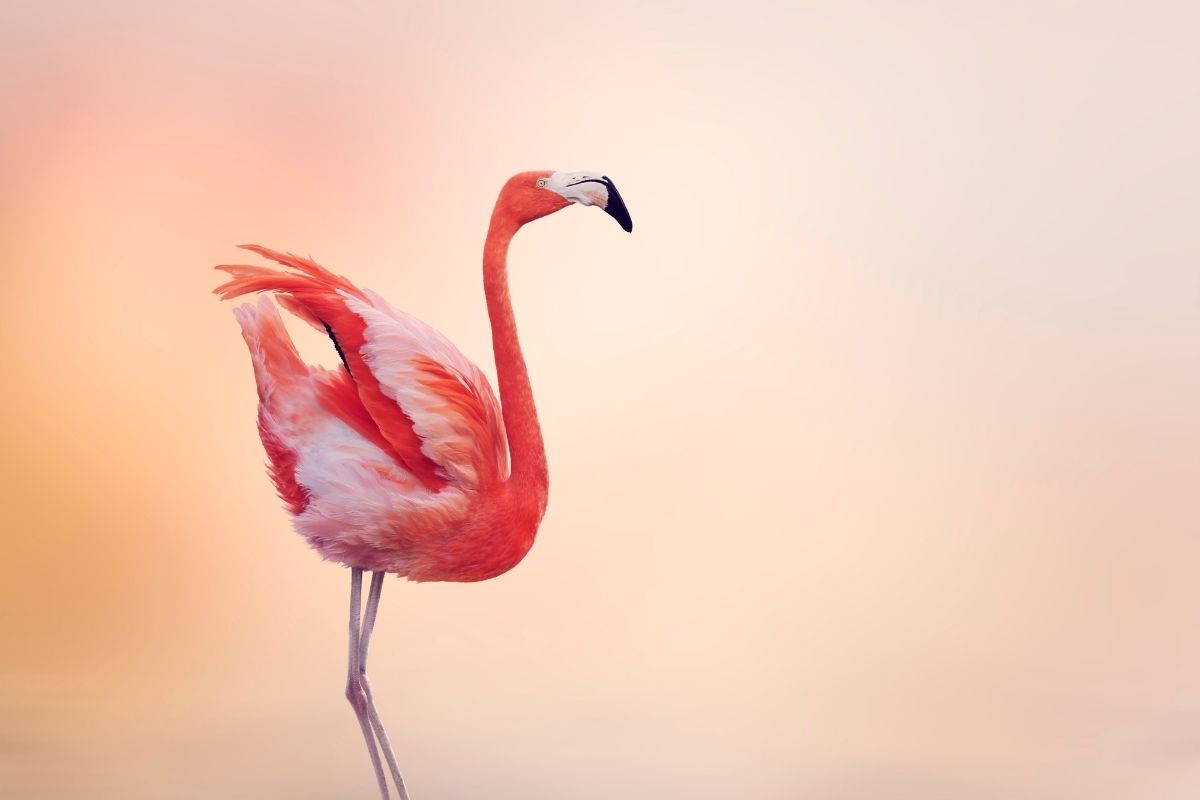
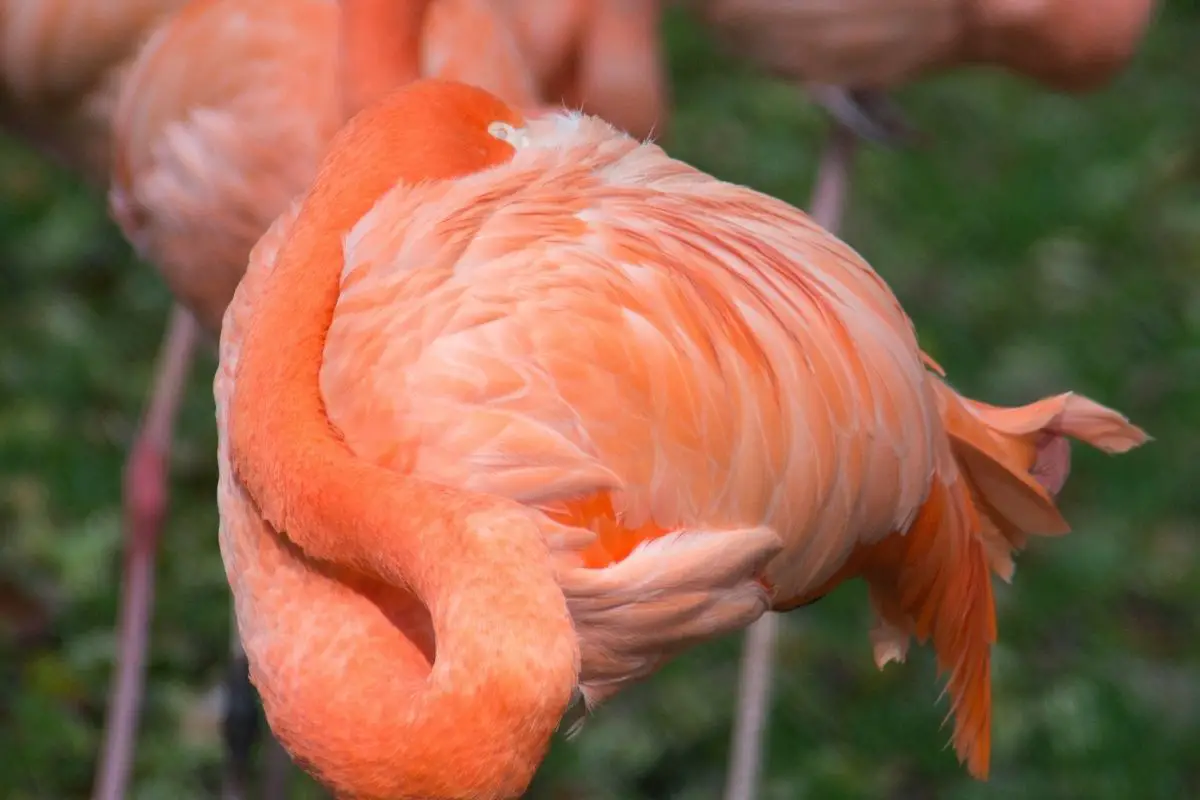
A bright orange flamingo.

The feather colors of a flamingo … Read the rest of the story.

What Animal Eats a Cougar?

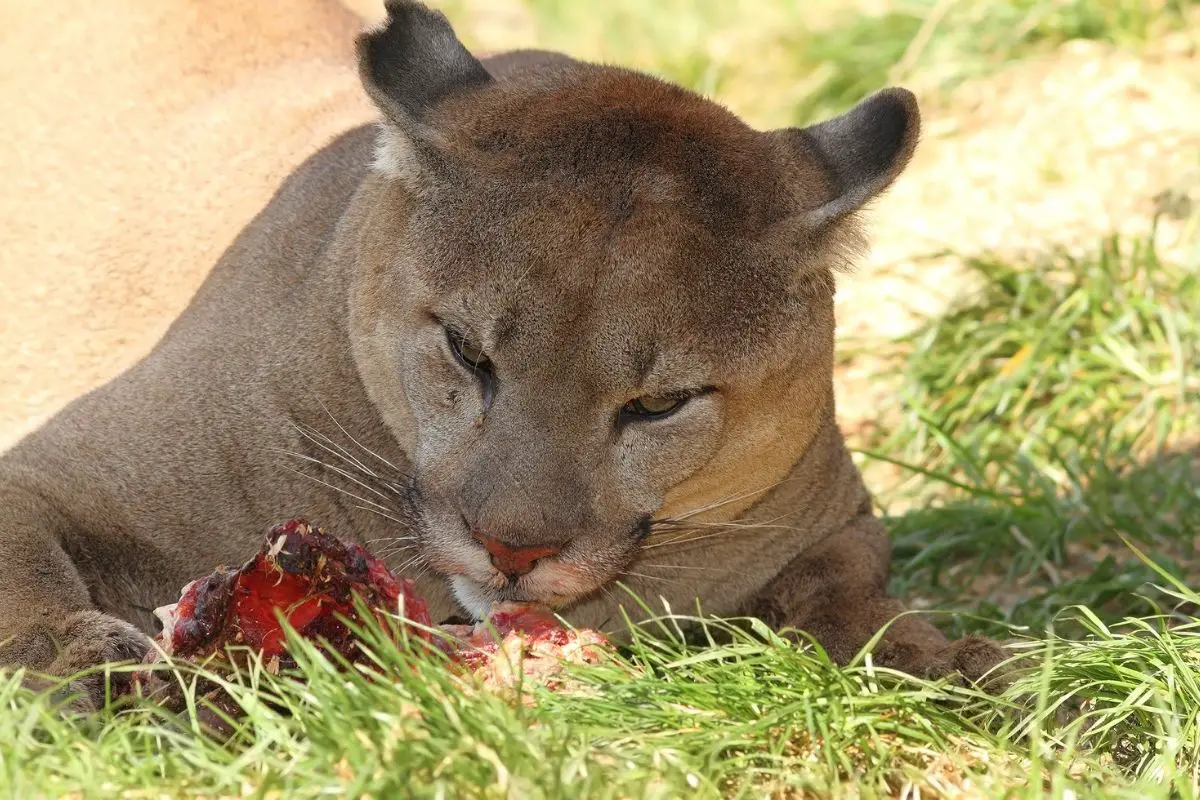
Hungry cougar eating a piece of meat on the grass.

The cougar (otherwise called the cat by many names) has no natural predators. Therefore, these mountain lions face no threat of being eaten by any other animals. Grizzly bears along with grey wolves, on the other hand, compete with them for resources and may come into conflict as a result.

When you look at the history of cougars, humanity is their greatest threat and the only current cougar predator.

What is a Cougar?

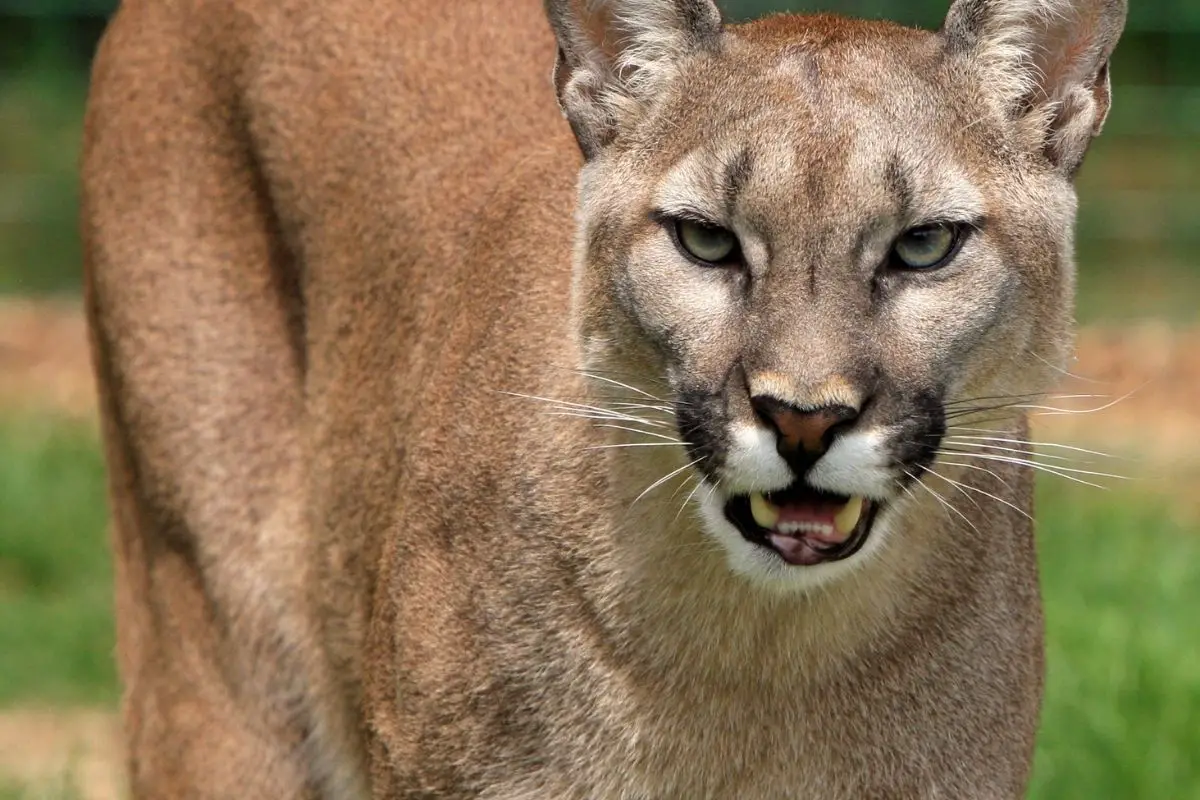
A wild cougar.

It is the second-largest cat in North America after the puma (sometimes known as the Panther or Mountain Lion). The cougar, unlike other big cats, is unable to roar. It instead purrs like a domesticated cat, something that cracks me up.

It’s like a bully coming at you, but sounding like a small child! House cats and cougars both have similar physiques, yet cougars are noticeably larger in stature. They’re slender, with round heads and erect ears.

From head to tail, they measure 1.5-2.7 m (5-9 feet). In contrast to males with 150 pounds(68kg), females might weigh as little as 100 pounds(45 kg).

Why are Humans Considered a Threat to Cougars?

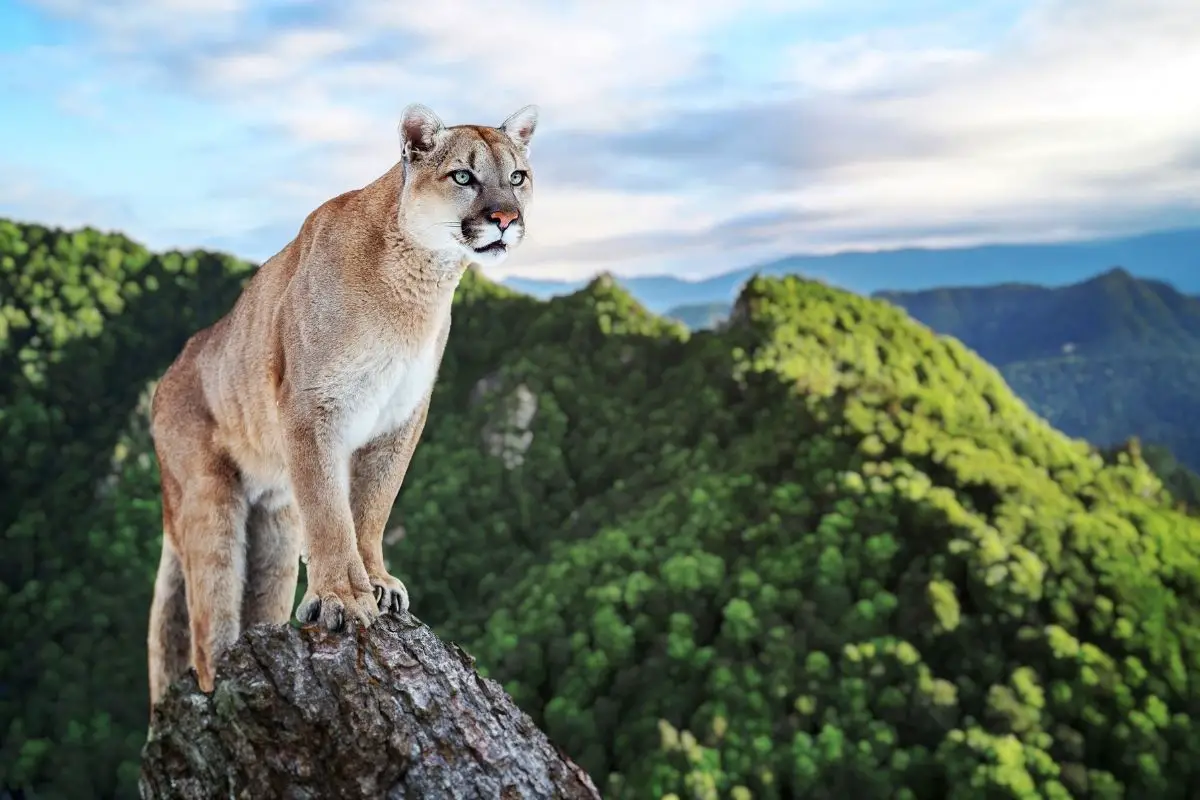
A brave shot of a cougar standing over a branch of the tree.

Some U.S. state laws allow people to shoot cougars, even though they are a protected species. Human-caused factors, such as habitat loss and depletion of natural prey, pose a greater danger to cougar populations than conscientious hunting.

Preservation of Cougars

Both recreational hunters and farmers who protect their cattle have long been responsible for the deaths of cougars. Additionally, fragmentation, habitat loss along with human-caused injury, are grave concerns for cougar populations worldwide. Therefore, cougar populations have declined dramatically.

The IUCN Red List considers cougars to be of least concern because of the large number that remains in the wild. Eastern North and South American cougar populations were decimated by European colonization in the 17th century, despite their widespread distribution. Florida panthers, a rare subspecies, are found only in a tiny area of the state.

As a critically endangered species, the Florida panther is being protected by several government entities.

What are the Different Cougar Names?

Panthers, Catamounts, Pumas, Lions, and mountain lions are … Read the rest of the story.


Why Do Gophers Dig Holes?

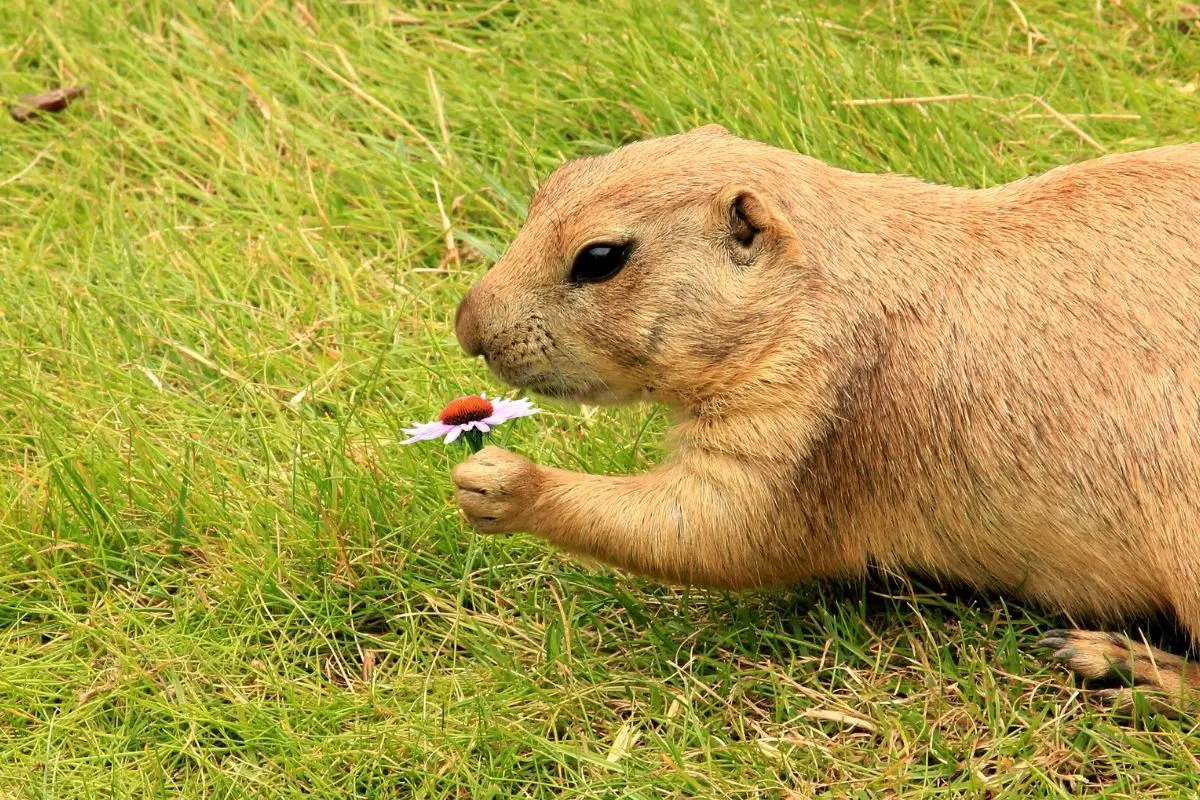
A gopher holding a flower while playing on the ground.

Gophers are furry, small burrowing mammals that dig holes to construct tunnels that help them negotiate their fossorial lives. Fossorial creatures live beneath the ground most of their lives. The surest sign of the presence of gophers is freshly formed mounds of dirt/soil.

Gophers, classified as a member of the Geomyidae family, are a type of rodent exclusively native to North and Central America. Gophers, which live in all kinds of soil, from woodlands to grasslands, are small – usually larger than a mouse but smaller than a typical rat. The gophers in the U.S have an average life span of about 1 to 3 years.

Gophers have fur-lined cheek pouches (that extend as far as their shoulders) to carry food and nesting materials throughout their underground neighborhood. Gophers use their incisor teeth to dig and as a defense if threatened. Gophers can close their lips behind their massive incisor teeth, sealing their mouths from the dirt loosened when digging.

Gophers, which are also known as pocket gophers, are a great example of nature’s adaptive ability. This is because gophers are efficient diggers with short, powerful forefront legs that have enlarged claws. In addition, their fur does not clump or cake when in contact with wet soil.

A gopher’s whiskers are unusually sensitive, which makes them quite [ invaluable when moving in low light or complete darkness. Interestingly, gophers are adept at moving both forward and backward in their tunnels with “…tails [that] provide important sensory information” that is needed for accurate, efficient movement.

Why Do Gophers Dig Holes?

Gophers build extensive tunnels underground (usually .5 to 1 foot below the top) as this is their habitat or safe space in the world. They typically build 3 to 4 mounds each day by pushing soil to the surface, although this varies by season and the specific gopher species. As the gopher removes soil, it creates a fan-shaped mound atop the ground that can be as high as six inches and as wide as 1.5 feet.

According to Colorado State University –

One gopher brings about 2.25Read the rest of the story.


Lake Turnover: What Is It and Why Does It Happen?

A man throwing his fishing nets in the sea.

Imagine that you’re a fisherman who likes to spend his days on the lake. You’ve seen the turnover occur a few times and have been wondering if it’s killed any fish in the area. You’ve also heard that it can have some pretty severe effects on fish populations, so you’d like to learn more about it.

In this article, we’ll discuss what lake turnover is, why it happens, and what its effects are on fish populations.

What is Lake Turnover?

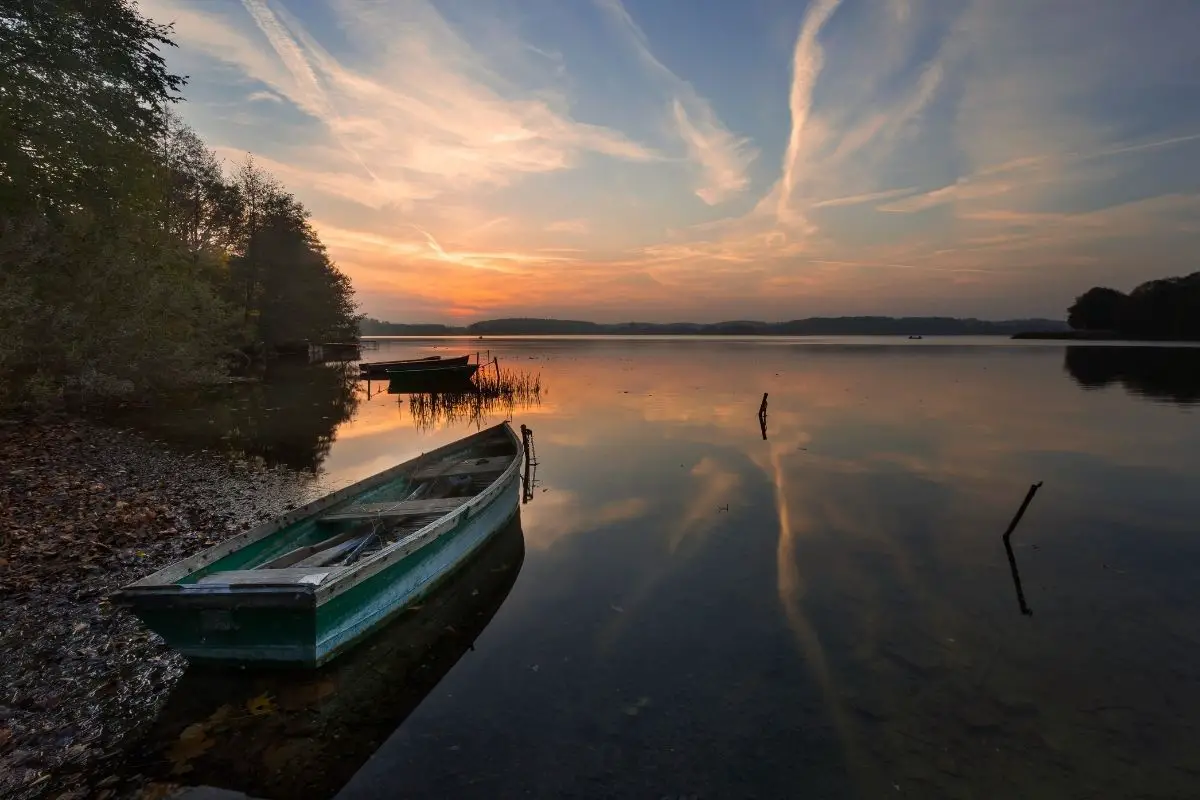
Beautiful lake landscape with a boat of fisherman.

Lake turnover is an important process that happens in all bodies of water. It plays a crucial role in the health of aquatic ecosystems and can have a significant impact on fish populations. According to National Geographic, lake turnover is the process by which a body of water renews itself.

It occurs when the warmer, lighter water at the surface of the lake mixes with the colder, denser water at the bottom. This process is known as convection, and it happens in all lakes on a regular basis.

Why Does Lake Turnover Happen?

Lake turnover happens for a few reasons. The first is that it helps to oxygenate the water. As the warmer, lighter water at the surface mixes with the colder, denser water at the bottom, it brings oxygen down from the surface and circulates it throughout the entire lake.

This is important because it helps to keep the water clean and habitable for aquatic life. Another reason why lake turnover happens is that it helps to regulate the temperature of the water. As the colder, denser water from the bottom of the lake mixes with the warmer, lighter water at the surface, it helps to even out the temperature of the entire body of water.

This is important because it prevents the water from becoming too cold or too warm, which can be harmful to fish and other aquatic life. Finally, lake turnover helps to clean the sediment that has accumulated at the bottom of the lake. As the water mixes, it brings the sediment up from the bottom and circulates it throughout the entire body of … Read the rest of the story.

Are Deer the Only Animals With Antlers?

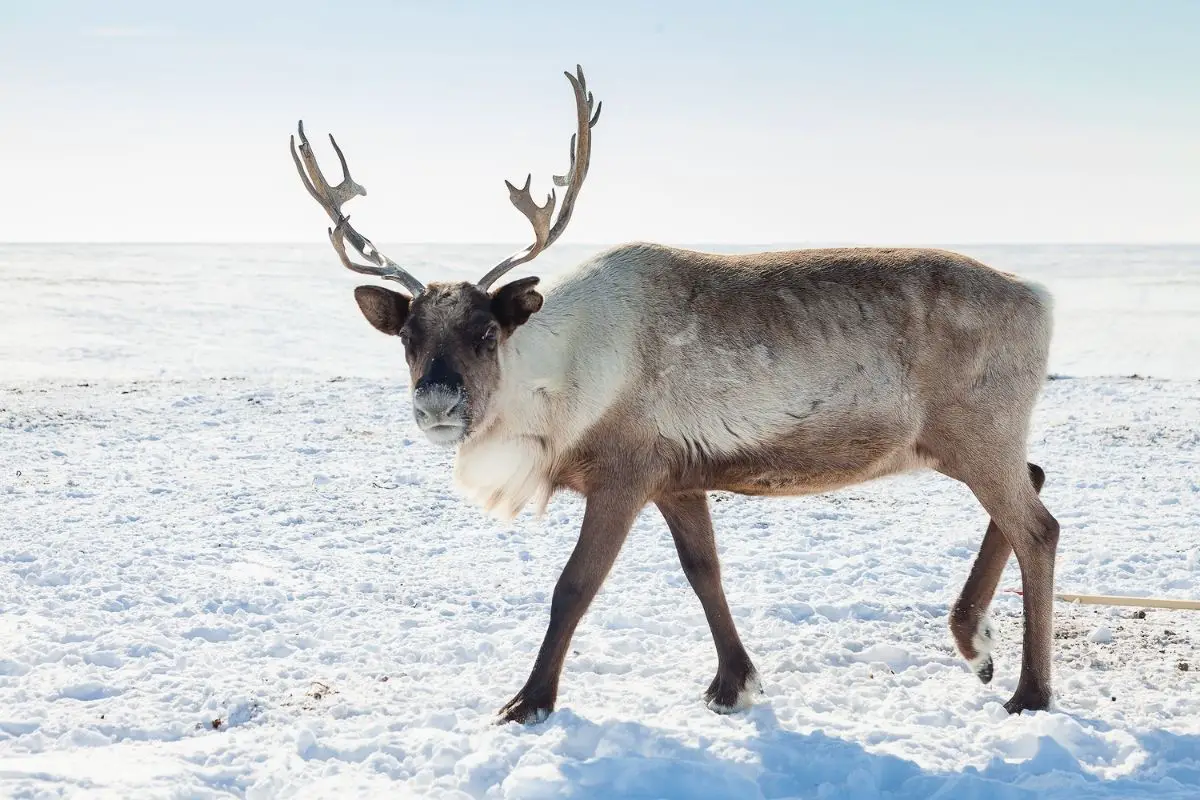
Deer grazing in the tundra during winter.

There are many animals that have antlers and most people don’t know this because they only think of deer when they hear the word antlers. Antlers are bones that develop and grow on the heads of male animals in certain species, such as moose, caribou, elk, and deer. In this article, we’ll break down what antlers are, how they are used in nature, and we’ll talk about some of the other animals that have antlers as well.

What Are Antlers?

While most people are familiar with deer antlers, few know what they are. The horn-like appendages attached to a male deer’s head serve several purposes: one, to protect males from predators during their vulnerable adolescence; two, to attract females and intimidate other males. While most animal horns contain hair on at least some of their surface, antlers contain no hair whatsoever; they are wholly composed of bone.

You will find antlers only on the heads of members of the Cervidae family. Most male deer lose their antlers each year between late winter and early spring—often just after mating season—and then regrow them during the summer months.

The Main Parts of an Antler

There are six parts of an antler: pedicle, beam, tine, brow tine, point, and palm.

  • The pedicle is where new growth emerges each year.
  • The beam is a long bone that comes out of both sides of the pedicle and divides into branches.
  • Tines are bony spikes that branch off the main antler beam like fingers coming off your hand.
  • A brow tine comes out perpendicular to the main antler branch at its widest point and helps hold scent glands in place so that bucks can mark their territory with secretions from those glands as they rub their rack on trees during territorial rituals called scraping.
  • Points are sharp projections at the end of antler beams that serve no purpose other than making buck racks more visually appealing.
  • Palms or buttons form at the base of antlers and get larger each year until it’s time for them to fall off. They’re also known as pedicles or button bucks because
Read the rest of the story.
Do Otters Build Dams like Beavers?

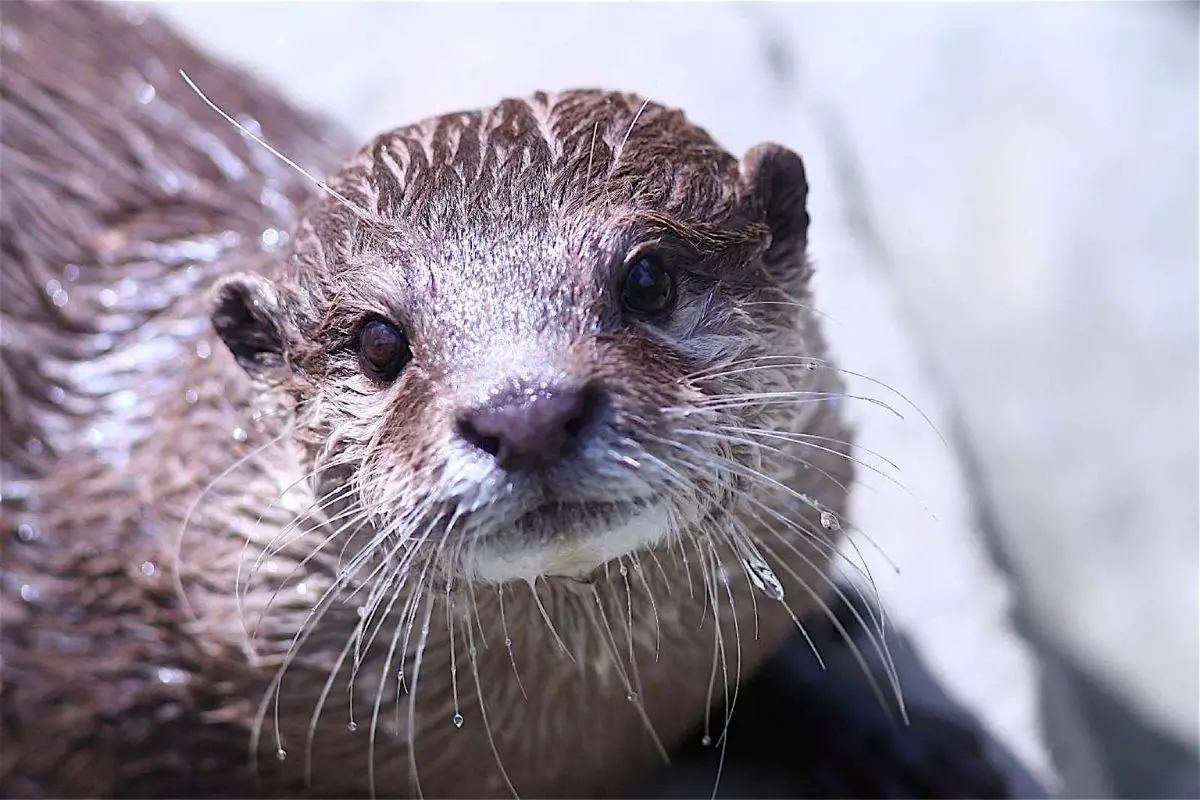
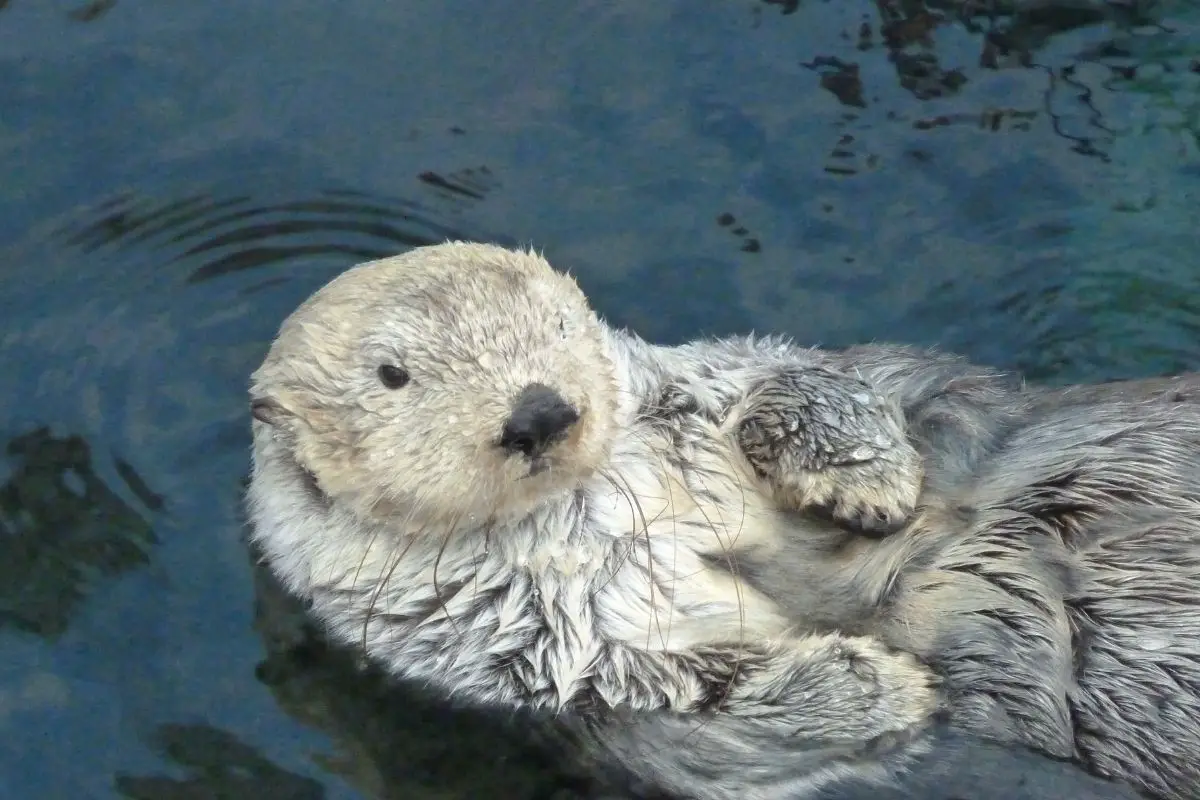
A close up photo of otter.

An otter is a sleek, glossy, dense furry aquatic mammal with short legs, webbed feet, and a muscular tail and looks very similar to a beaver and a muskrat; but are they the same? Do otters build dams like beavers?

What’s the Difference Between Otters, Muskrats, and Beavers?

The otter, the muskrat, and the beaver look very similar to each other, and if you are by a pond or a river, you might mistake one for the other. If you can get close enough, there are definite differences between these three similar mammals.

The Otter

An otter floats on the water.

The otter’s body is a sleek, streamlined, athletic build designed for swimming and moving quickly. The body shape is the easiest way to tell them apart from the other two mammals. They are entirely fur-covered with a brown, dense, shiny coat covering them to the tip of their muscular tail.

Speaking of tails, their tail is long and fur-covered, very different than the beaver and muskrat. The river otter varies in size, ranging from 38 to 44 inches in length, and will weigh 30 pounds, but can be as little as 10 pounds depending on their region. You can also tell which animal lives there by looking at the area where the mammal is living.

An otter leaves piles of fishbone and scales because they tend to eat in the same place repeatedly. Otters are also very social creatures, and you will hear a barking similar to a dog as they chatter back and forth with each other. The land where the otter lives will have distinct smooth areas on the water banks, which are called “otter slides,” and they help the otter get into the water quickly.

They use these trails so often they cause them to look like slick slides, and the otter slides rapidly into the water – it’s a great escape route from a predator.

The Beaver

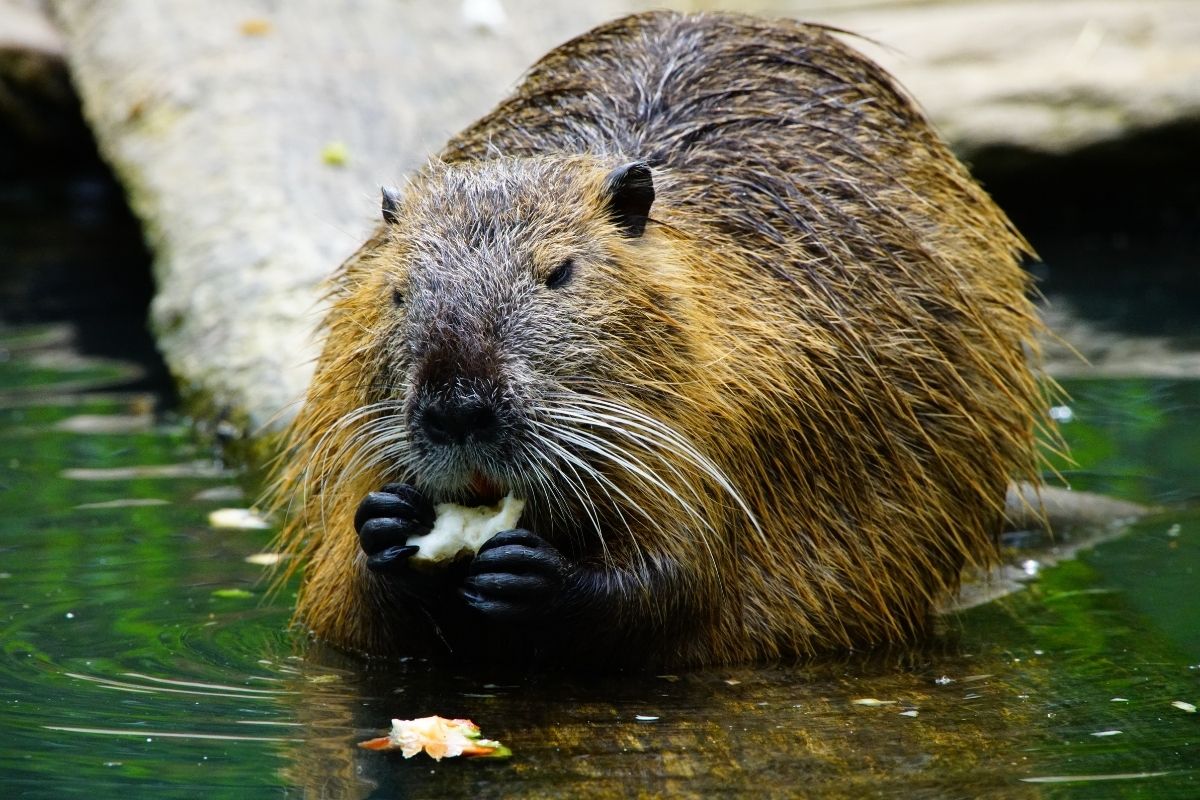
A beaver eating on a dam.

The beaver is the largest of the three mammals. They can weigh up to 60 pounds, look much rounder, and are definitely not very athletic looking. They are covered with long fur, and have … Read the rest of the story.