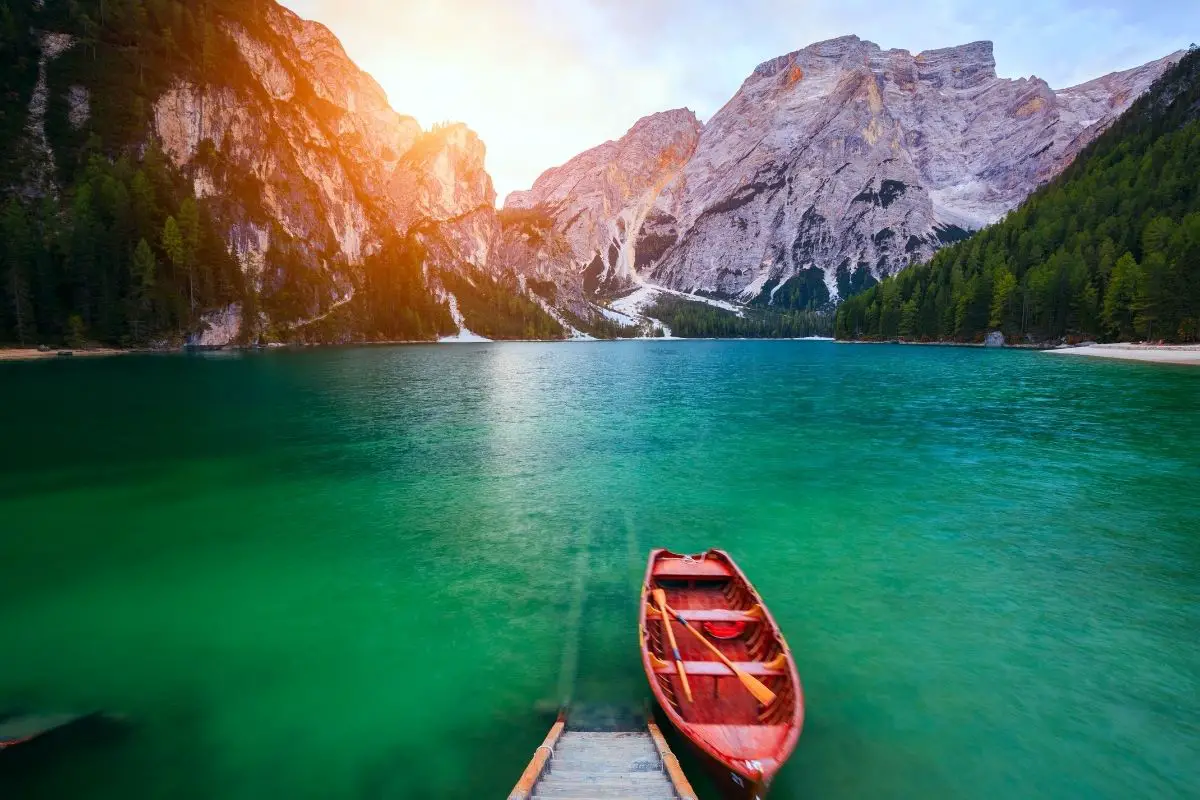
There are virtually endless awe-inspiring sights to see and take in around the world. With no shortage of wonders on planet Earth, it is no surprise that more people than ever have found a passion for all things Earth and science. For those who study geology and the waters of the blue planet, you may be curious as to how long a typical lake lasts.
The very idea of a lake disappearing may sound foreign or even impossible to you, however, if you are not familiar with the formation and evolution of lakes, rivers, and other Earthly bodies of water over time.
Some lakes may last only a few decades in regions with severe climate change and a lack of government resources to help replenish the lakes as they dry up. However, with the natural life cycle of a lake in a thriving and suitable environment, lakes can last anywhere from hundreds to thousands of years.
Do all lakes last the same amount of time?
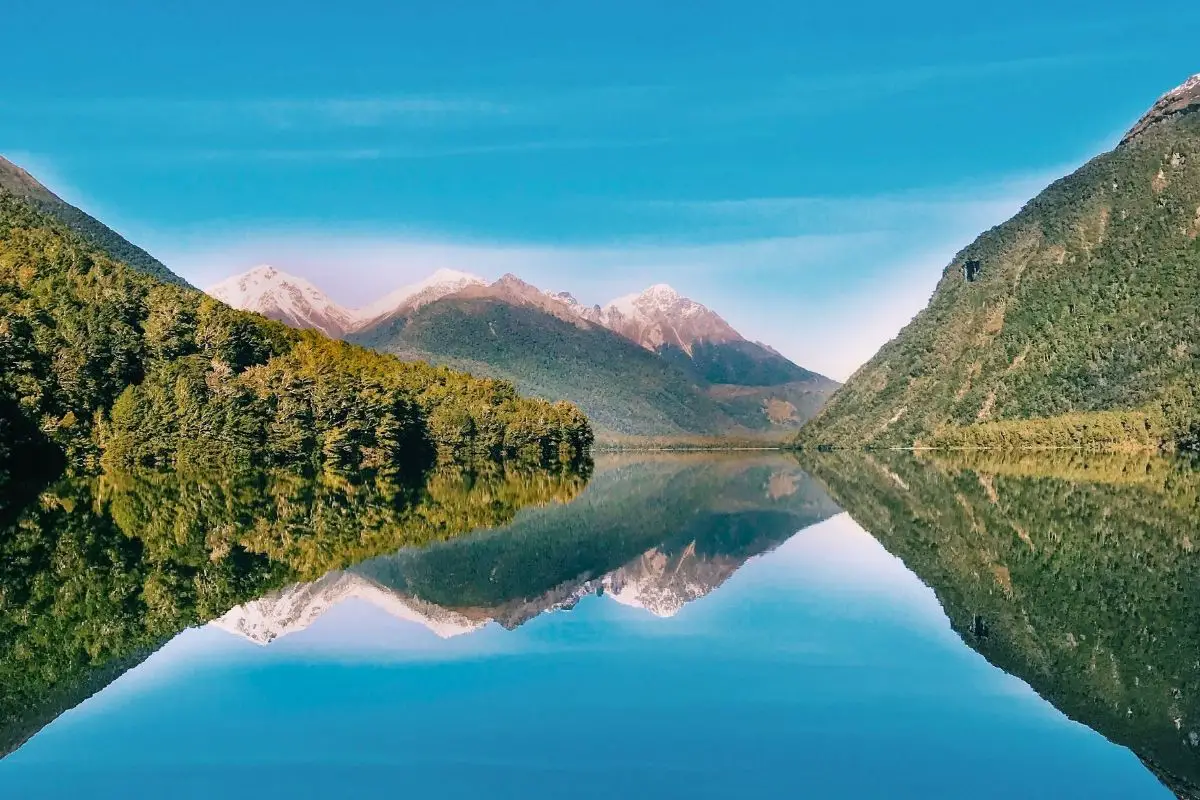
No. Not all lakes will last the same amount of time, as climates shift and change around the globe all of the time. Because there are many factors at play that help determine how long a lake may last naturally, there is no easy way to set an average time that a lake will last.
Lake Formation
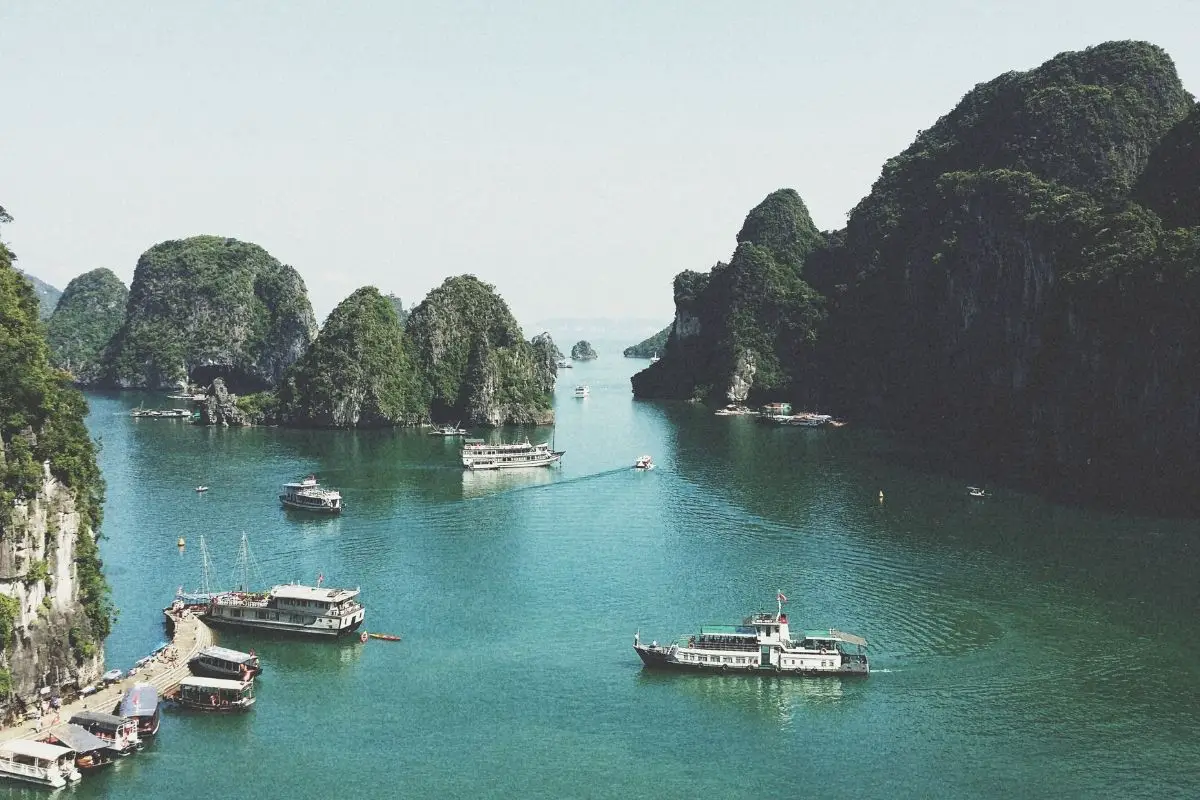
In order to understand why lakes do not last the same amount of time, it is important to understand how lakes are formed and what exactly defines a lake. A lake is a basin in the Earth that is suitable for water collection and/or accumulation. Basins throughout the Earth’s surface make for excellent lakes, streams, and rivers.
Many glaciers around the world are also known to have helped in the formation of the lakes we know today after they have completely melted. Other instances of lake formations may occur due to the Earth’s own crust and plate tectonics. As plate tectonics shift, the Earth’s crust and ground may pull apart, helping to form natural holes and basins which are suitable for lake water accumulation and formation.
Additionally, lakes … Read the rest of the story.

No comments:
Post a Comment