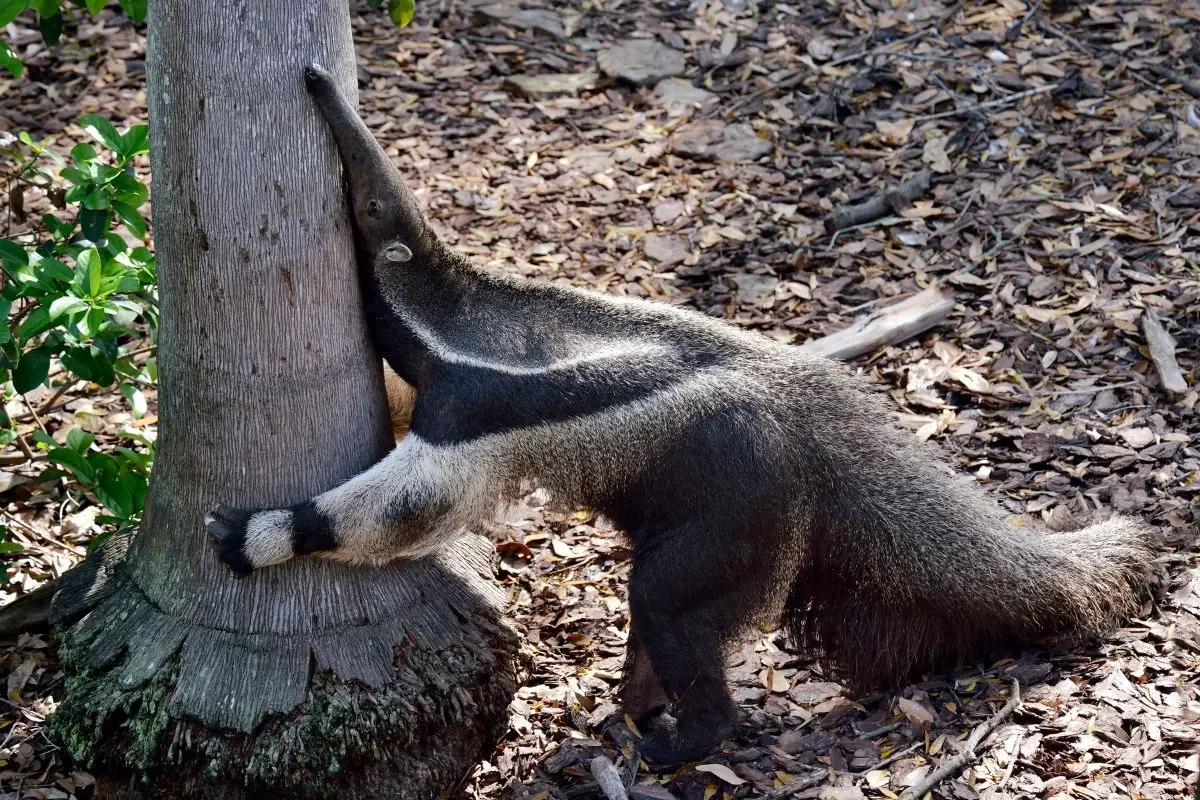
Anteaters are silly-looking mammals that fascinate anyone who looks at them. With their long snouts, slow-motion movements, and coarse and spiky hair, they’re quite interesting to watch. Anteaters live in Central and South America and get their name from their diets.
Did you know that it’s possible to tell anteaters apart by their front claws? These claws, which are also known as thumbs or fingers, make it easy for the anteaters to tear open termite mounds or logs to reach the ants they love to eat. So, what kind of ants do anteaters eat?
Do they prefer one type above another? Do they ever eat anything other than ants? Let’s find out!
What do Anteaters Eat?
As we all know, anteaters generally (and primarily) eat insects like termites, ants, and other small critters living in the dirt. They lick up these insects with their incredibly long tongues — anteater tongues can be up to two feet long! — that they can flick out of their mouths about 150 times a minute.
These insects provide anteaters with all the protein and nutrients they need to survive. With strong claws, no ant-filled log or termite mound is a challenge a hungry anteater can’t overcome.
What do Different Types of Anteaters Eat?
Not everyone realizes that there are actually two main kinds of anteaters: the giant anteater and the lesser anteater (tamandua). The tamandua is smaller than the giant anteater, is most active at night, and has an unpleasant smell. In addition to these differences, the two types of anteaters also have slightly different diets.
Giant Anteater’s Diet
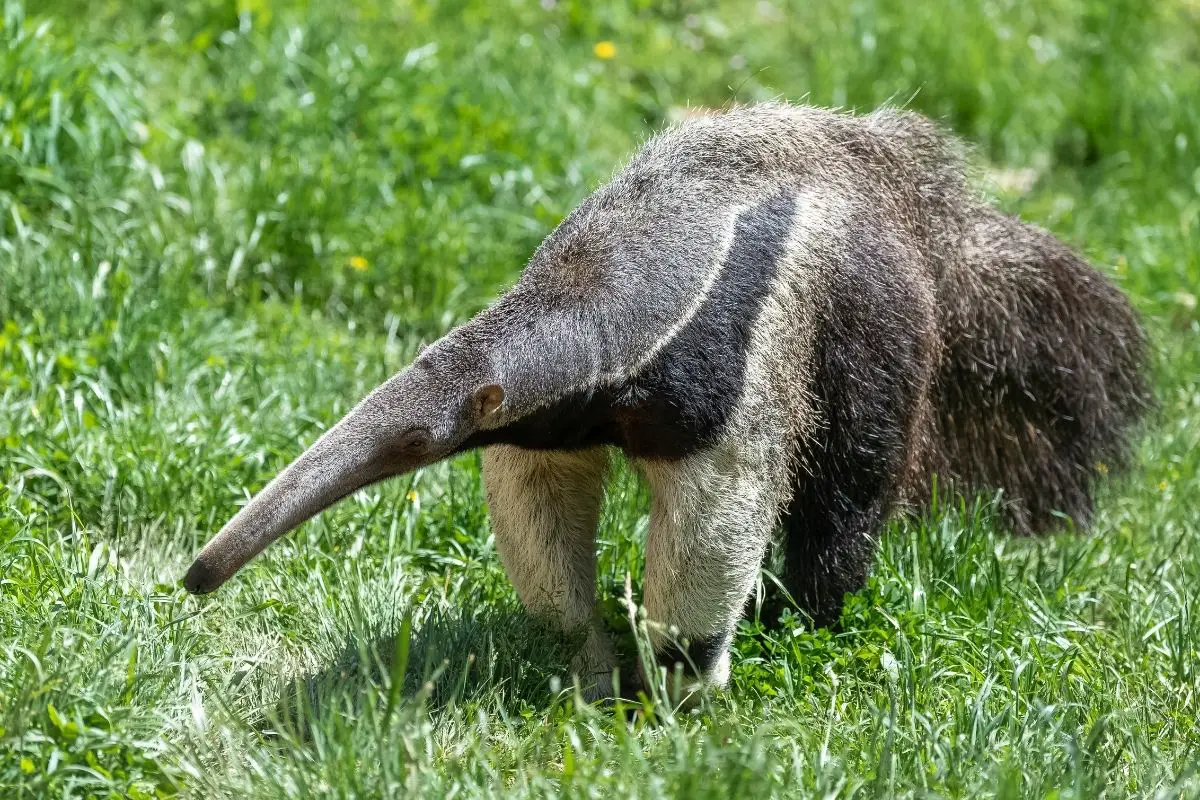
Giant anteaters mainly eat ants and termites, though it seems they prefer termites above ants. However, if they are in areas where termites are scarce, these anteaters will happily eat only ants. They do also like to indulge in fruit, eggs, carrion, and small lizards.
However, they steer clear of hornet, wasp, and bee nests.
Lesser Anteater’s Diet
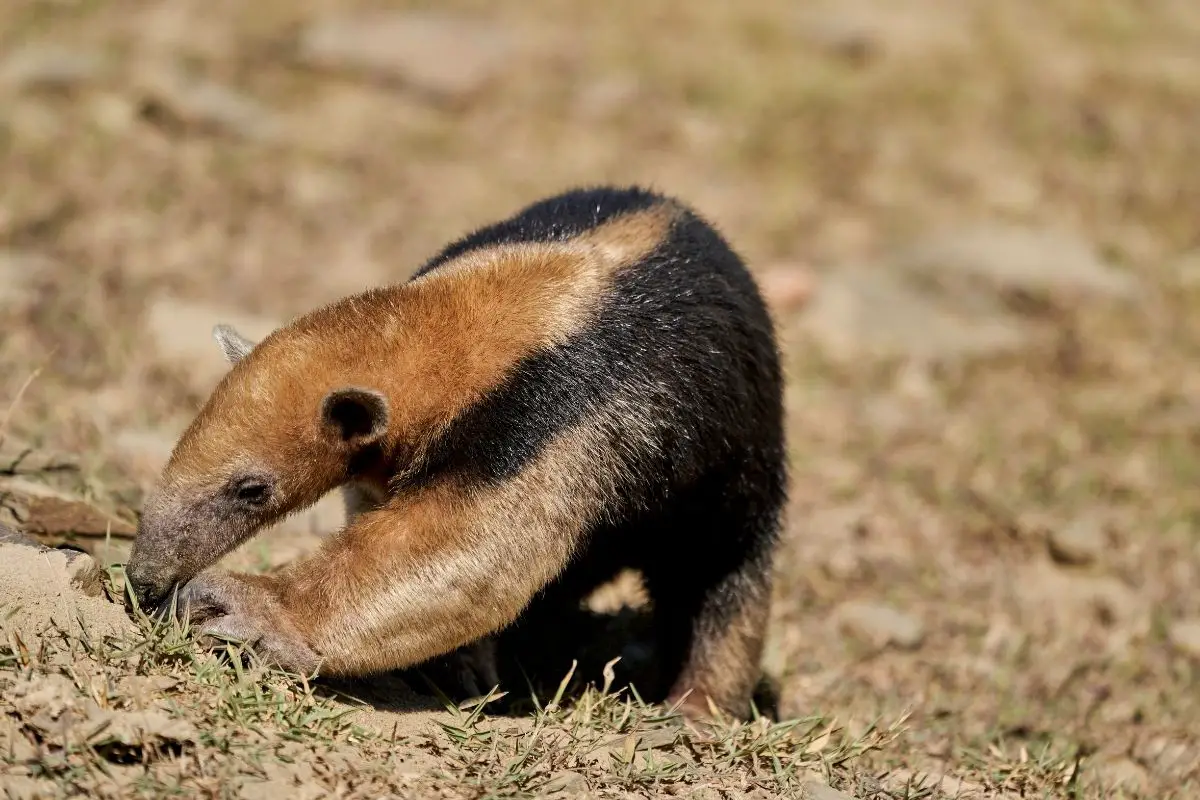
Lesser anteaters mostly only eat ants. But, if they can get their paws on them, they will also eat scorpions, grasshoppers, and spiders. Sometimes, … Read the rest of the story.

No comments:
Post a Comment