
Imagine that you’re a fisherman who likes to spend his days on the lake. You’ve seen the turnover occur a few times and have been wondering if it’s killed any fish in the area. You’ve also heard that it can have some pretty severe effects on fish populations, so you’d like to learn more about it.
In this article, we’ll discuss what lake turnover is, why it happens, and what its effects are on fish populations.
What is Lake Turnover?
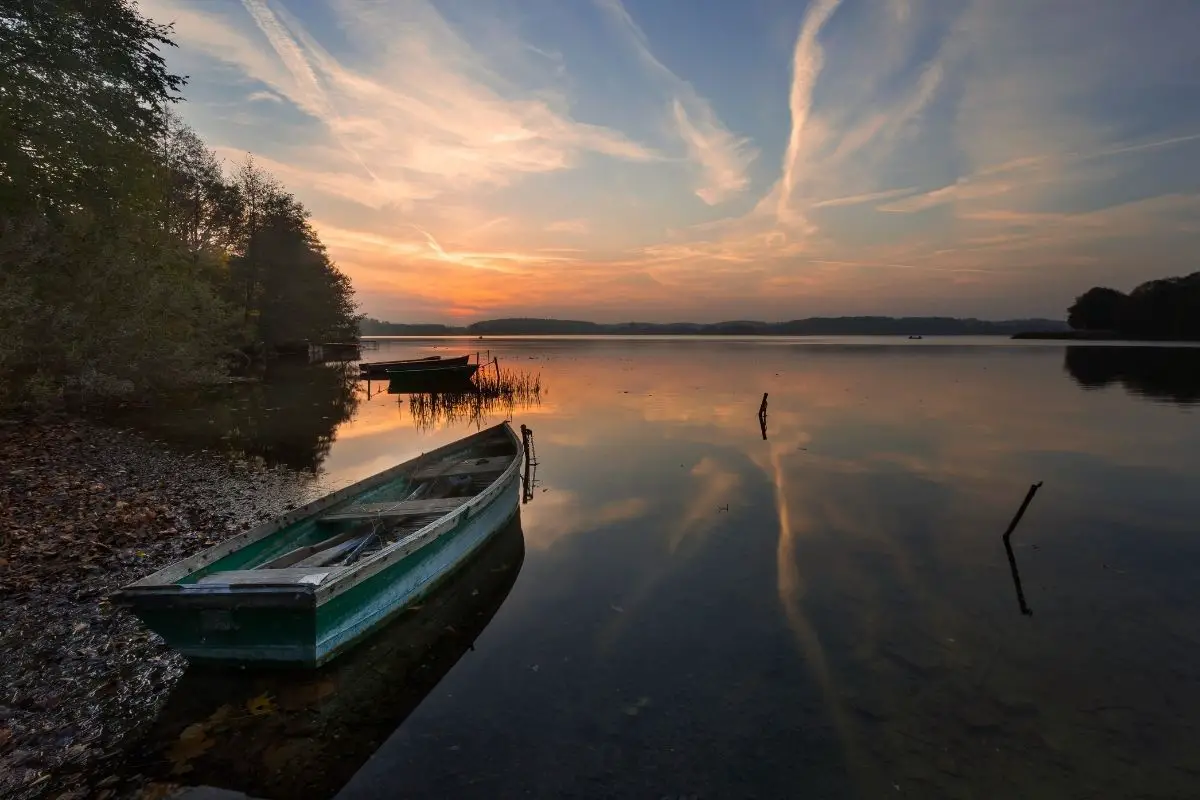
Lake turnover is an important process that happens in all bodies of water. It plays a crucial role in the health of aquatic ecosystems and can have a significant impact on fish populations. According to National Geographic, lake turnover is the process by which a body of water renews itself.
It occurs when the warmer, lighter water at the surface of the lake mixes with the colder, denser water at the bottom. This process is known as convection, and it happens in all lakes on a regular basis.
Why Does Lake Turnover Happen?
Lake turnover happens for a few reasons. The first is that it helps to oxygenate the water. As the warmer, lighter water at the surface mixes with the colder, denser water at the bottom, it brings oxygen down from the surface and circulates it throughout the entire lake.
This is important because it helps to keep the water clean and habitable for aquatic life. Another reason why lake turnover happens is that it helps to regulate the temperature of the water. As the colder, denser water from the bottom of the lake mixes with the warmer, lighter water at the surface, it helps to even out the temperature of the entire body of water.
This is important because it prevents the water from becoming too cold or too warm, which can be harmful to fish and other aquatic life. Finally, lake turnover helps to clean the sediment that has accumulated at the bottom of the lake. As the water mixes, it brings the sediment up from the bottom and circulates it throughout the entire body of … Read the rest of the story.

No comments:
Post a Comment