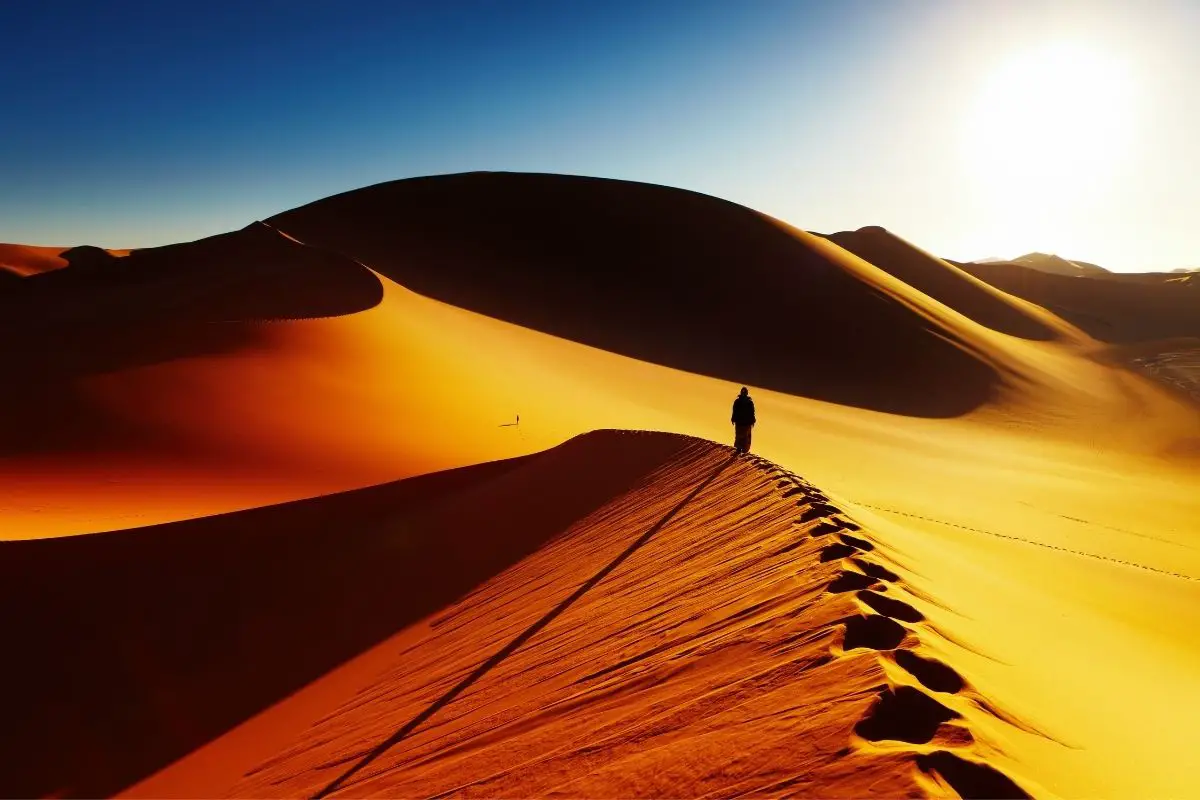
There are five treeless countries, or more appropriate, countries without forests in the world, according to World Bank data. One is truly hilarious, Greenland since the name would make us easily think it is filled with lush greenery. Anyway, the other four treeless territories are Monaco, Oman, San Marino, and Qatar.
So, if countries with trees are struggling with climate issues, what about those without them? How is it possible for a country to not have trees? Even deserts have a few, or so I thought since some deserts are too dry to have any trees at all that thrive there.
Let’s look at what scientists have to say, then analyze these countries individually.
Nations With Less than Percent Tree Cover
There are several countries that the World Bank states as having less than a percent of tree cover, including:
- Oman
- Greenland
- Qatar
- San Marino
- Monaco
- Nauru
- Egypt
- Libya
- Djibouti
- Mauritania
- Kuwait
What is Considered a Forest?
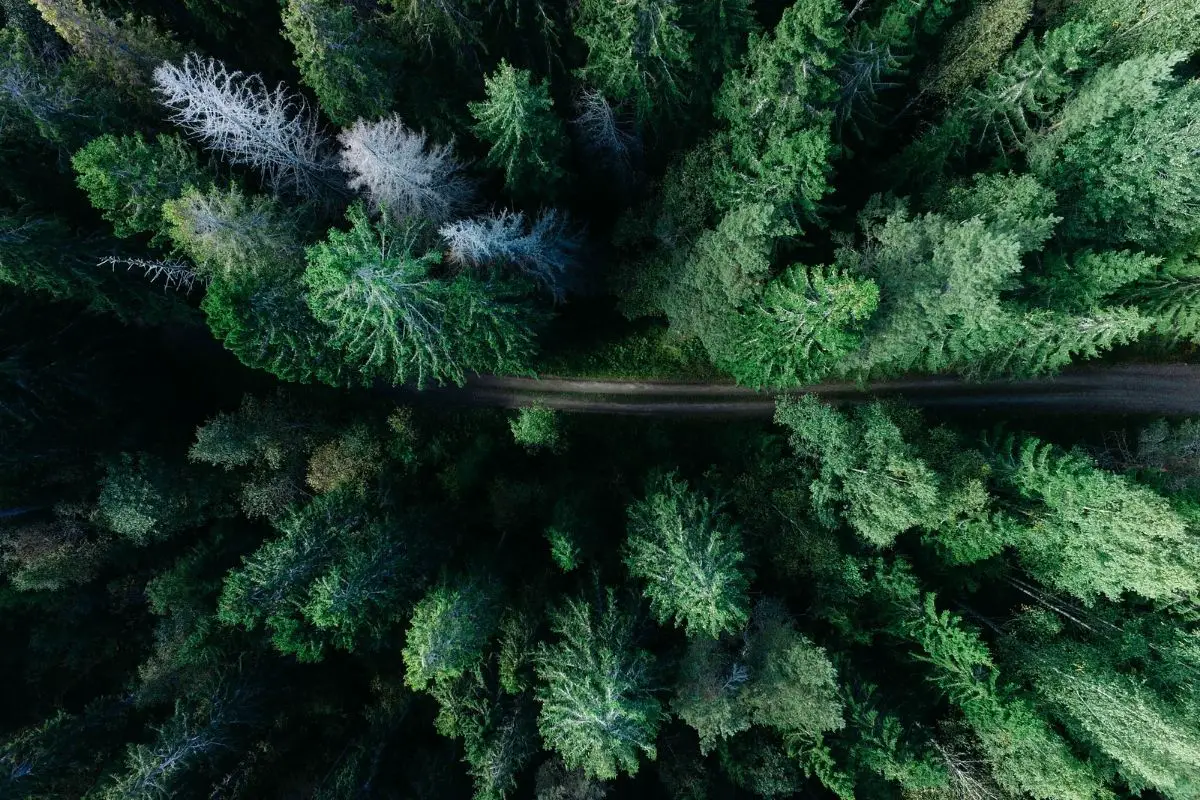
Forest area is defined as land with trees taller than five meters and a canopy cover of at least ten percent, or trees that can achieve these thresholds in situ, covering an area larger than 0.5 hectares. Agricultural and urban land uses are not included in this calculation. Both the existence of trees and the lack of other major land uses contribute to the definition of a forest.
Ideally, the trees must be capable of growing to a height of at least 5 meters. As a result of human intervention or natural calamities, areas that have not yet attained but are predicted to reach 10% canopy cover and tree heights of at least 5 m are included in the study.
Inclusions
Plantations are mainly used for forestry or protection, as long as they meet certain height and canopy cover requirements, like those found in nature reserves, national parks as well as those found in areas of special scientific, historical, cultural, or religious interest. Shelterbelts, windbreaks, as well as corridors of trees with an area larger than 0.25 ha and a width greater than 20 meters.
Exclusions
The presence of trees in agricultural production … Read the rest of the story.

No comments:
Post a Comment