
A raccoon is a grayish-brown mammal with a fox-like face. Its distinctive features include a ringed tail, masked face, and thick underfur that protects it from cold extremes. Its five-figured dexterous front hands (resembling human figures) also distinguish raccoons from the rest of the Procyonidae family.
It is native to North America, Canada, and some parts of Latin America. You would probably attest to how it ransacked and scattered the garbage in your trash if you have ever met one. Or how it cleared snakes, rats, lizards, and other varmints from your compound.
Yes, raccoons can be messy and useful at the same time. And the way you treat them depends on your perception. Want to learn more about these small animals?
Please keep reading to learn about the different types of raccoons, their habitats, habits, favorite meal, life expectancy, and other aspects of this masked animal. Basically, there are three main types of raccoons:
- Procyon Lotor
- Procyon Pygmaeus
- Procyon Cancrivorus
Below is a detailed description of each of the above species:
1. Procyon Lotor-The Eastern Racoon
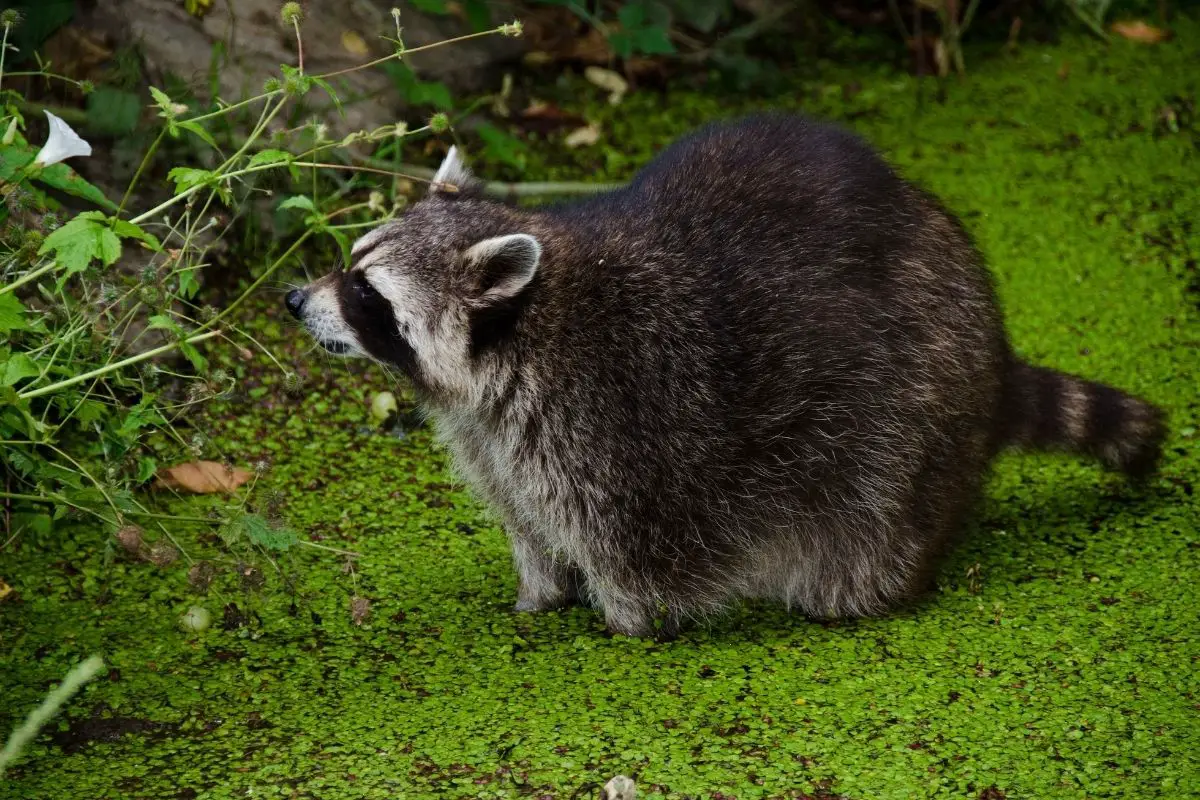
The eastern raccoon, aka the Procyon lotor, is the largest among all raccoon species. It is prevalent in most regions of Canada, Russia, Germany and almost all regions of the United States, excluding Nevada, Utah, and Arizona. They are ubiquitous.
You can find eastern raccoons in abandoned buildings, forests, cities, prairies, and marshes, among other areas. More specifically, they are known to rest/sleep in tree holes, abandoned vehicles, hollow trees, sewers, house burrows, rock crevices, barns, etc. The eastern raccoons are omnivores.
They can feast on fish, frogs, crabs, and other water critters, snakes, rats,garbage waste, plants, fruits, and birds and their eggs on land. These creatures use a combo of their strong sense of smell, sharp eyesight, and lightning-fast hands to locate, spot, and snatch their meals. They last between two and three years.
The eastern raccoons don’t have permanent homes. Instead, they are nomadic within an established territory. They will mark potential shelters within a territory, where they can always rest after long hunting.
These nocturnals mate between January and March. … Read the rest of the story.

No comments:
Post a Comment