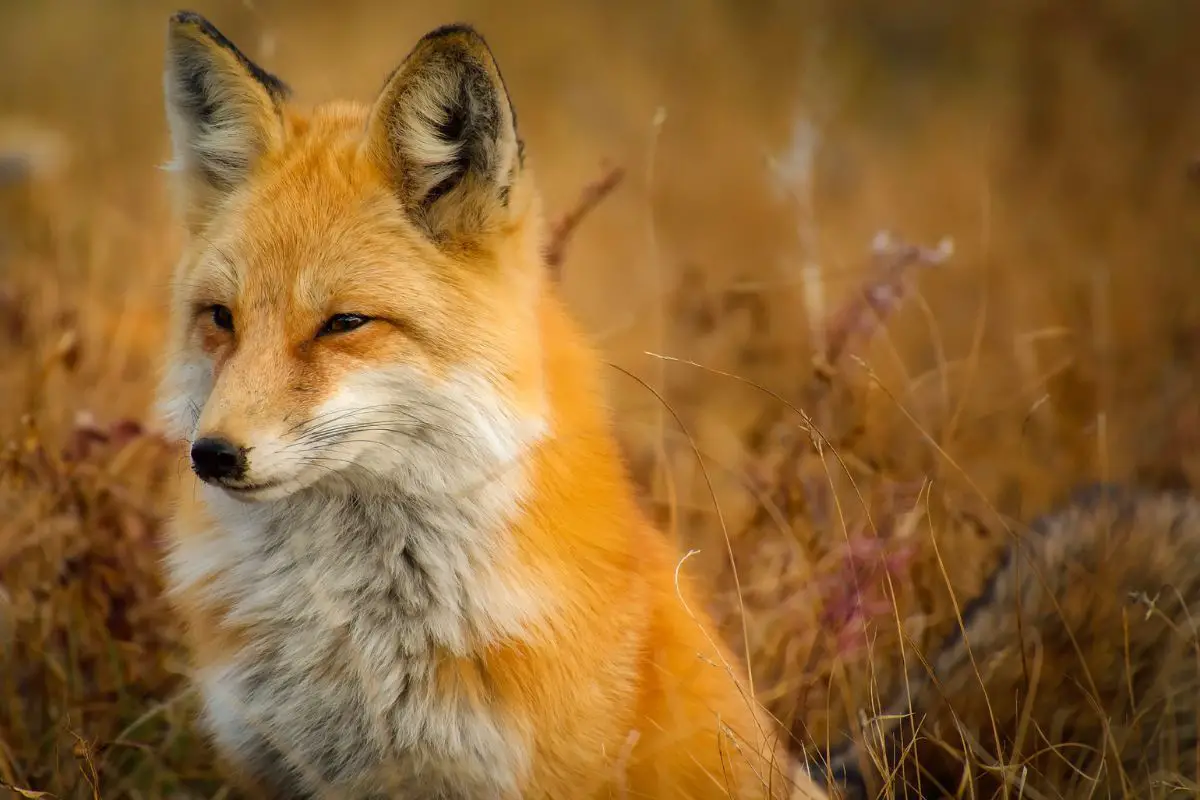
The fox has always intrigued me. I have always viewed it as a kind of elegant little dog that was more nuisance than a threat. I live in Britain.
Foxes were once the favorite prey of aristocratic hunting parties. Indeed, one of the most famous novels of the twentieth century, Memoirs of a Fox-Hunting Man by Siegfried Sassoon, describes the activities in extraordinarily beautiful and detailed prose. Fox-hunting as a form of recreation is now banned in the country.
But there are still landowners who shoot them in defense of their crops, chickens, and other small farm animals. The act is nevertheless controversial. All the fuss over an animal I have always viewed as a kind of elegant little dog intrigued me.
So, I learned all that I could about it. The following article is a result of my studies.
Some Basic Facts About the Fox
Foxes have reddish-orange fur. They are white on the neck and belly and have brownish-black legs. They grow a thick bushy tail in winter and are about the size of a small dog.
The average male fox is between 67-72cm; the average female is between 62-67cm. The tail of the fox (perhaps its most distinctive feature) averages around 40cm.
What They Eat
Foxes have a wide and varied diet. Those that live in salt marshes eat crabs and dead seabirds. Foxes that live in lowland and rural areas eat small mammals such as field voles and rabbits, as well as earthworms, beetles, blackberries, and small birds.
Foxes that live near farmlands often venture prey on uncaged chickens. Foxes that venture into urban areas are scavengers. They eat what they can find in dustbins, garbage cans, and trash heaps.
They also subsist on small birds and feral pigeons.
How They Behave
Foxes tend to claim and hold territory that can range from as small as .2km in urban areas to 40km in hill country. Each territory is occupied by a kind of family of foxes. This consists of a male and female couple and their cubs.
In areas where they are safe and there is plenty … Read the rest of the story.

No comments:
Post a Comment