
Pigs are a type of mammal that belongs to the Suidae family – a species originating across Europe, Africa, and Asia. According to PNAS – The Professional National Academy of Science, archaeological discoveries suggest that pigs were domesticated more than 10,000 years ago and introduced to Europe by Near East farmers a few thousand years later. In mid-2022, there were 752 million domestic pigs worldwide, with more than half in China, according to Statista.
Pigs are recognized to be among the most intelligent mammals, with an intelligence level that reaches that of a three-year-old. Only humans (& great apes), dolphins, and elephants are considered more intelligent.“Dogs look up to man. Cats look down on man.
Pigs look us straight in the eye and see an equal.” – Winston Churchill
Pigs, as omnivores, are opportunistic eaters who will graze and just about anything. However, domesticated pigs have a diet of corn, vegetable peels, barley, soy, and many other leftover food items. Their digestion of cellulose requires pigs to eat often.
Pigs wallow in the mud. This serves two purposes – it helps to regulate their body temperature and protects them from flies that bite. They also possess remarkable abilities to use their scent glands for various purposes.
1. The Domestic Pig (Sus scrofa domesticus)
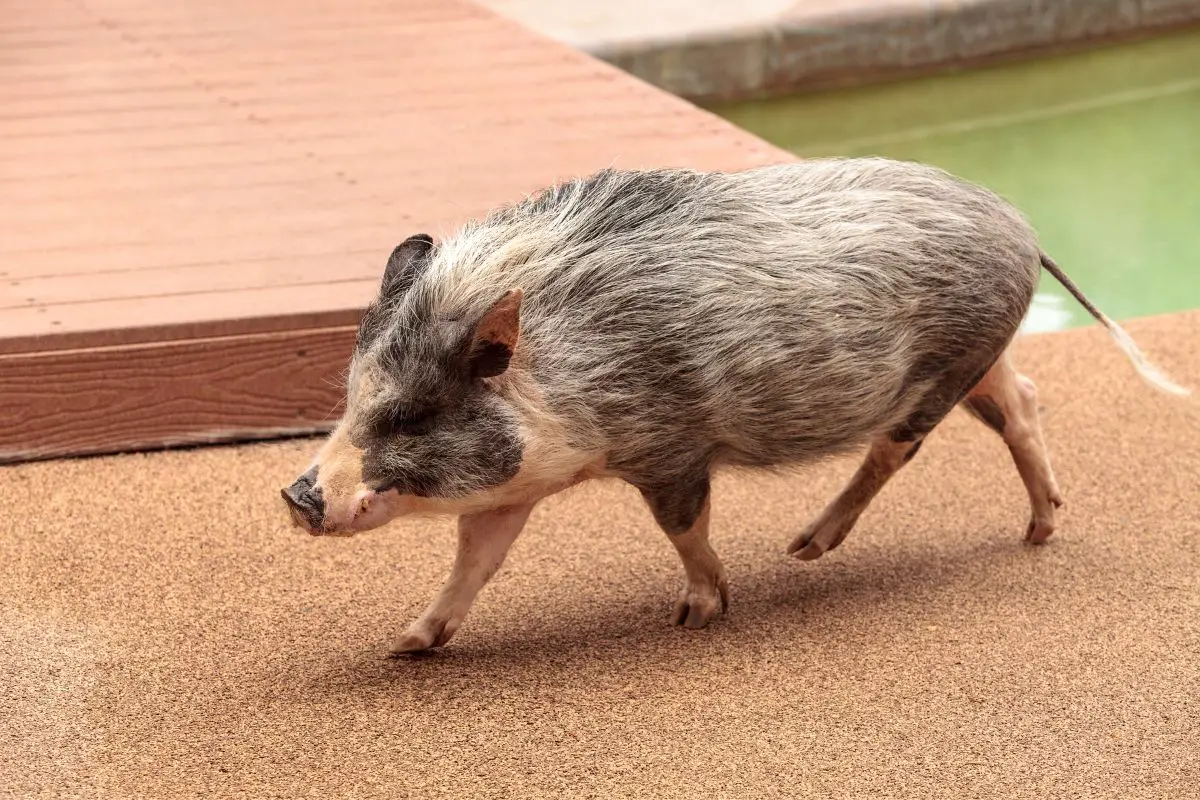
Domesticated pigs typically live on farms and are descendants of the Wild Boar. The domestic pig is found around the globe except in Antarctica. The pig’s size is impressive, and they grow quickly.
A domesticated pig can grow to 300 lbs. in one year and be a ton when fully mature. Wild pigs, which live in various environments (wetlands, forests, grasslands, and savannas), tend to be smaller. According to Guinness World Records, Big Bill is the largest pig, standing at five feet tall, with a weight of more than 2,500 lbs.
2. Philippine Warty (Sus philippensis)
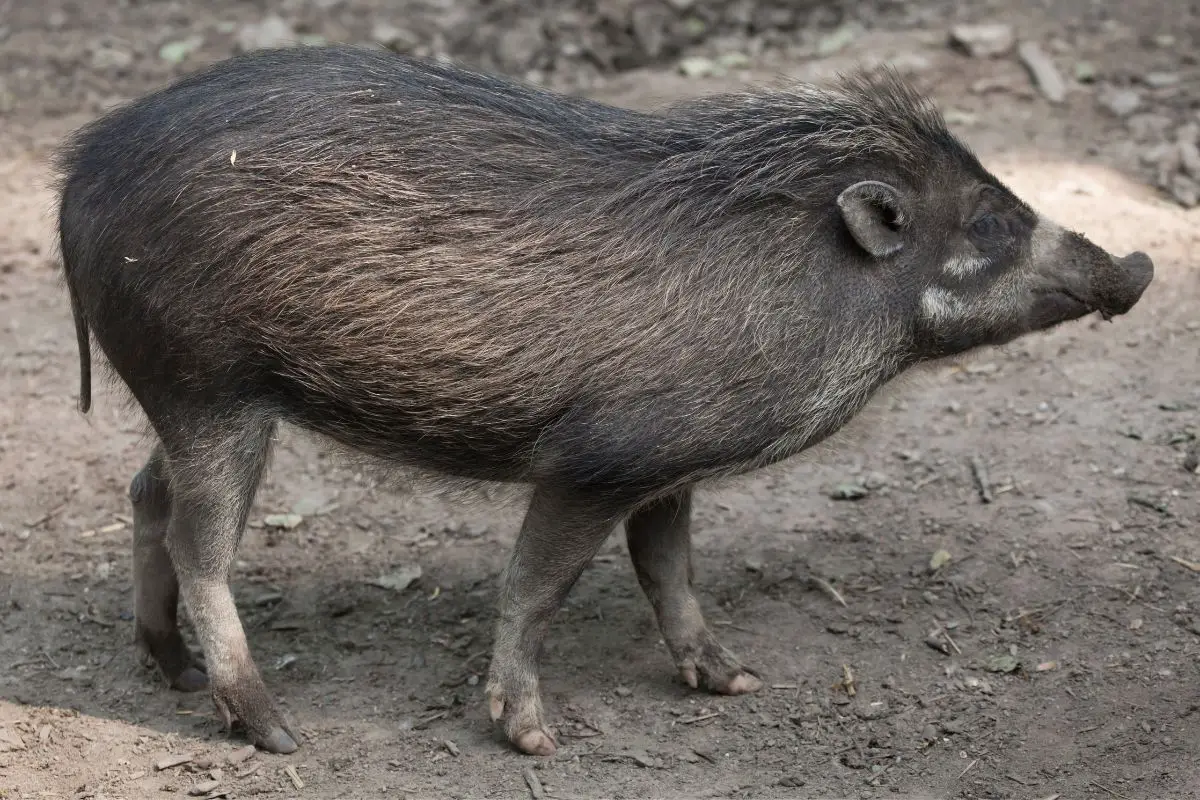
The Philippine Warty, as its name suggests, is endemic to the Philippines, along with three other varieties of Suidae mammal pigs. This Suidae animal has dual pairs of warts with hair tufts extending towards the warts that … Read the rest of the story.

No comments:
Post a Comment