Pages

9 Animals Similar to Wolves

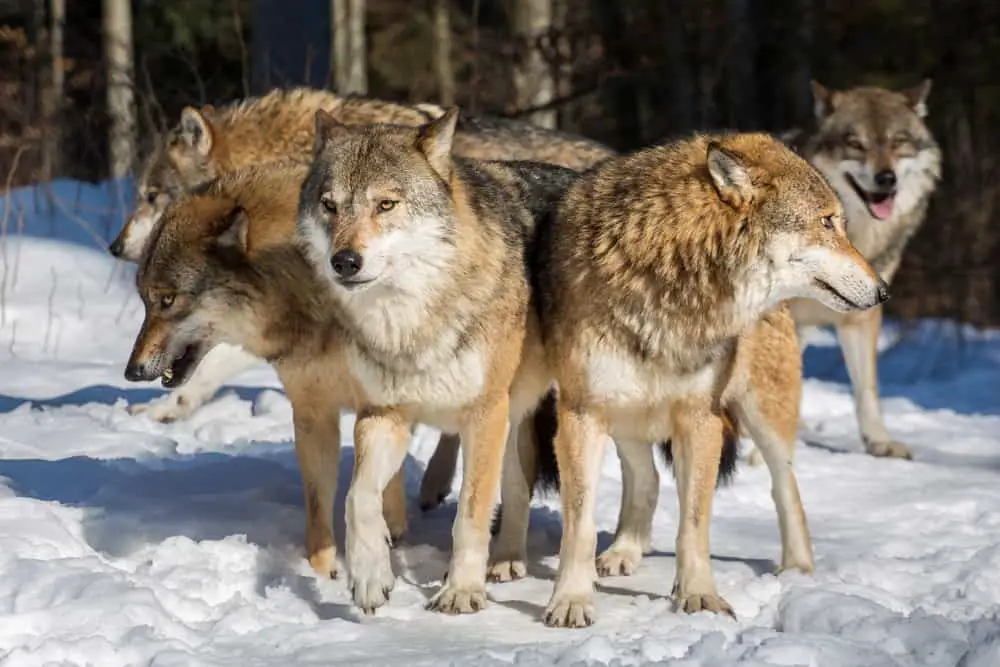
Several wolves standing close together.

Wolves are large, carnivorous mammals that are native to North America, Asia, and Europe. They can grow to be up to three feet tall at the shoulder and weigh up to 180 pounds. In the wild, wolves usually live about eight to 13 years.

There are four main wolf species and about 40 subspecies. The most common species (and the only one indigenous to North America) is the gray wolf. The other three are the maned wolf, the Ethiopian wolf, and the red wolf.

A fifth species, the Falkland Islands wolf, has been extinct since at least 1880 because of its unusually friendly and trusting nature. This nature, unfortunately, made them easy for humans to lure and kill.

Wolves are natural-born predators; they travel and hunt in packs of anywhere from two to 30 members, but the average size of a pack is between four and nine wolves.

Wolves can run at an astonishing 37 miles per hour and cover a lot of ground. Because of this, wolf pack territories can be anywhere from 50 to 1,000 square miles. The size of a pack’s territory generally depends on the area’s availability of prey.

A wolf’s bite is extremely powerful. On average, a wolf can bite with 1,500 pounds per square inch of pressure, which is about seven times more powerful than the average German shepherd’s 238-pound bite. When hunting, wolves prefer large prey like deer, elk, moose, and buffalo, but they are also known to eat smaller prey like rodents, beavers, and rabbits as well.

Here’s a look at the animals that most closely resemble wolves.

Table of Contents

Domestic dogs

Various dog breeds in different sizes.

Obviously, domestic dogs are closely related to wolves. Currently, the American Kennel Club (AKC) recognizes 167 different breeds of dogs. Although domestic dogs vary wildly in size and appearance, they are actually all the same species, able to procreate with any other breed and produce viable offspring.

African wild dogs
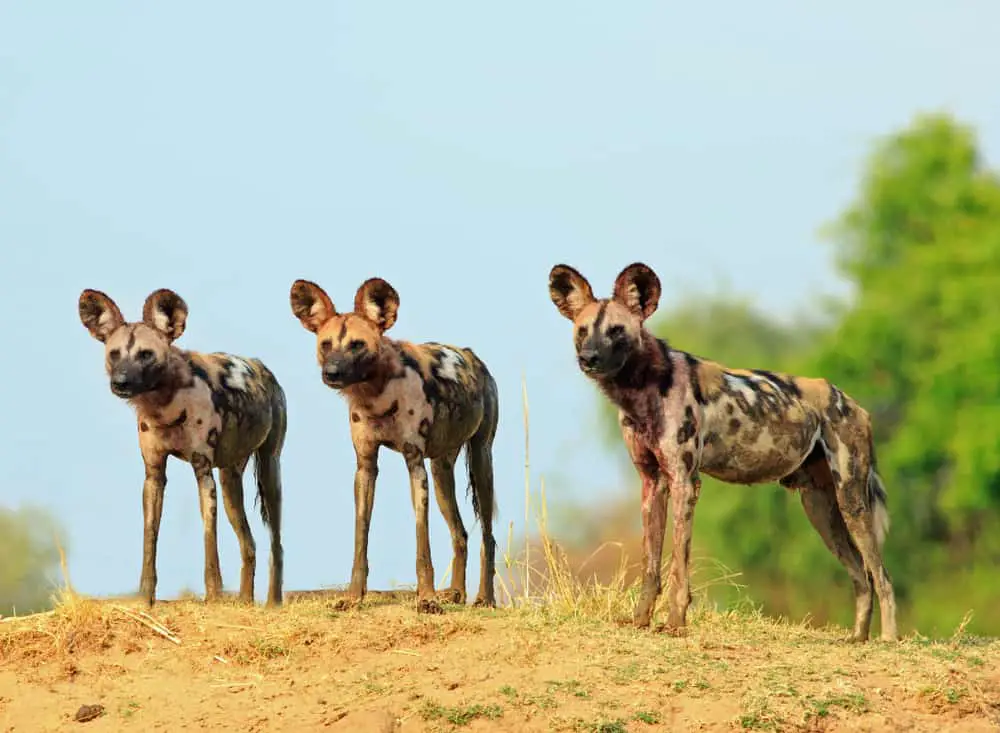
A pack of African wild dogs.

African wild dogs are an endangered species of mammal found mostly in the forests, deserts, … Read the rest of the story.

15 Animals Similar to Groundhogs

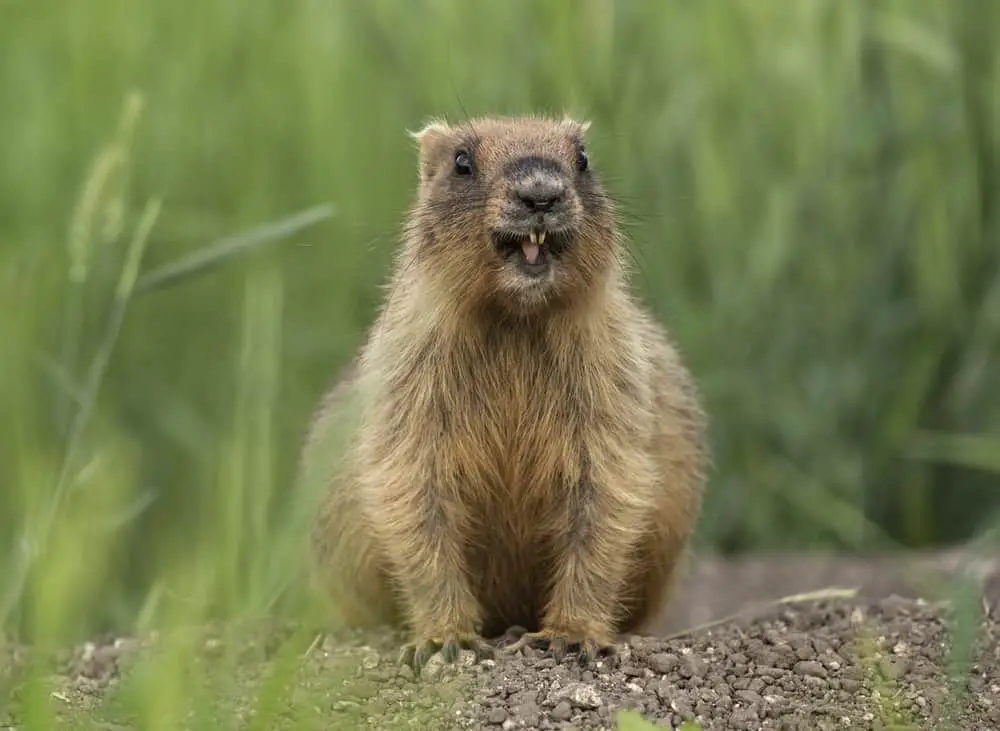
A single groundhog near its lair.

Animal: Groundhog

Other Common Names: Woodchuck

Type of Animal: Mammal

Family: Squirrel (Scuiridae)

Distribution: Groundhogs are found in North America, from Canada to the southern regions of the United States.

Habitat: Woodlands, open forests, fields, and some rocky slopes.

Diet: Herbivores; eat plants, insects, and snails on occasion.

Longevity: Approximately 3 years

Adult Weight: 5 to 13 pounds (2 to 6 kilograms)

Adult Body Length: 16 to 20 inches (41 to 51 centimeters)

Behaviors: They are active during the day making them a diurnal species. Groundhogs burrow into the dirt to create multi-chambered burrows to store food, rest, and hibernate. They only live with a mate and tend to be solo otherwise.

Table of Contents

Gopher

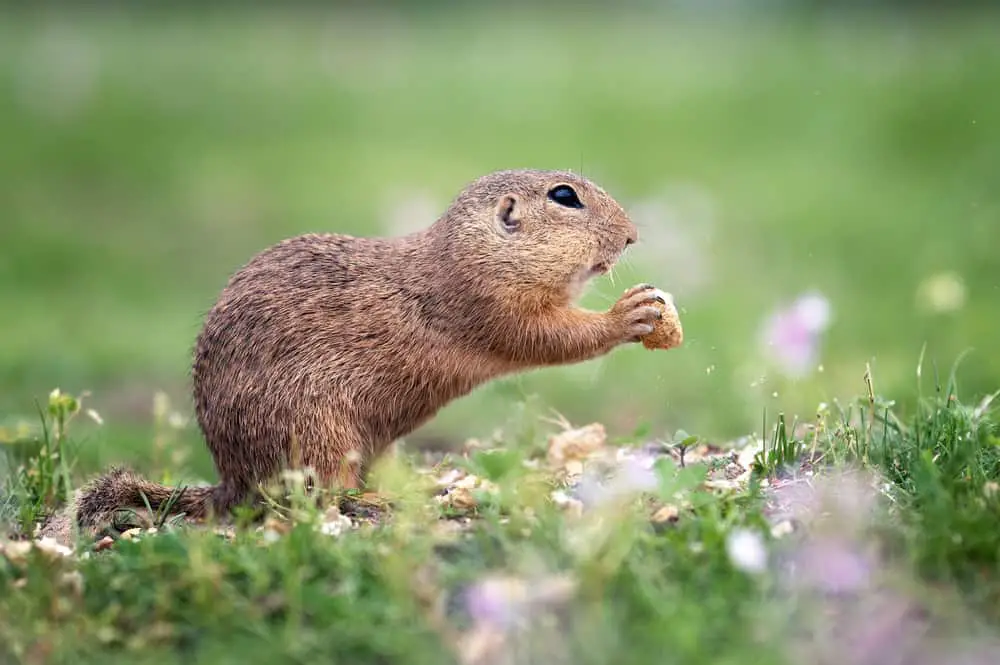
A gopher eating a nut.

Animal: Gopher

Type of Animal: Mammal

Family: Pocket Gopher (Geomyidae)

Distribution: Gophers live throughout North and Central America, mostly in regions of the United States and Mexico.

Habitat: Woodlands, grass prairies, coastal areas, and mountainous regions.

Diet: Omnivores; eat earthworms, other bugs, shrubs, plant roots, and some vegetables.

Longevity: Approximately 4 years

Adult Weight: Around 0.5 pounds (200 grams)

Adult Body Length: 6 to 8 inches (15 to 20 centimeters)

Behaviors: These animals are active during the day and tend to remain in underground burrows for most of their lives, making them fossorial individuals. Gophers usually live alone unless with their mate.

Similarities to Groundhogs: Both of these animals burrow underground and live isolated from one another.

Differences to Groundhogs: Gophers have fur-less tails, long teeth that have a yellow to brown coloration, fur-lined cheeks for storing food, and are smaller. Groundhogs have fur-covered tails, white incisors, and a relatively large body mass.

Prairie Dog

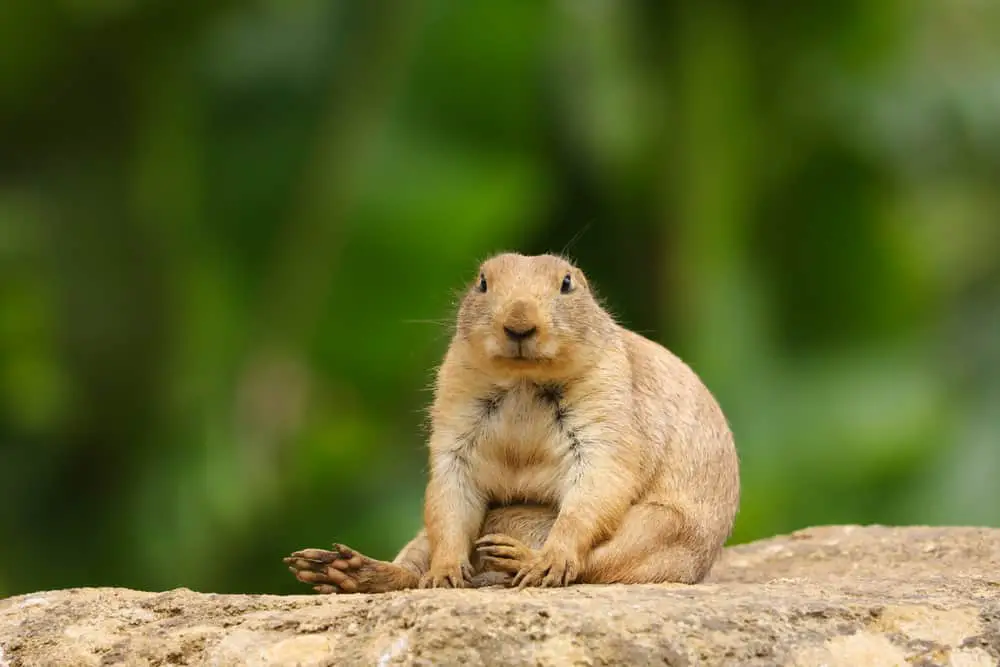
A prairie dog sitting on a rock.

Animal: Prairie Dog

Type of Animal: Mammal

Family: Squirrel (Scuiridae)

Distribution: This is a North American species living in areas of Canada, the United States, and Mexico.

Habitat: Primarily dry and sparsely vegetated grasslands, but also low valleys, mountain meadows, and prairies.

Diet: Omnivores; eat insects, the leaves of flowering plants, seeds, roots, weeds, and grasses.

Longevity: Approximately 3 to 5 years… Read the rest of the story.


15 Animals Similar to Raccoons

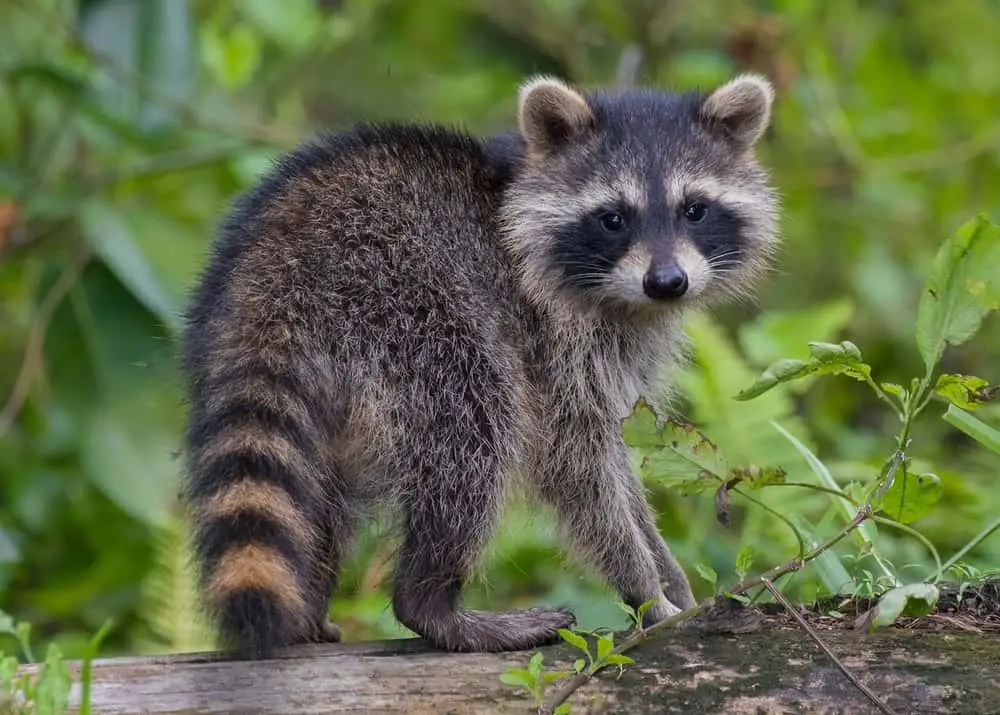
This is a close look at a raccoon walking on a tree.

Raccoons live throughout North and South America, Europe, and Asia in forests and mountain ranges. Noted for their distinctive ringed tail and black facial mask, they are extremely intelligent creatures. Studies have shown they are adept problem solvers and remember the solutions for years.

They are a member of the suborder Caniformia, a group describing dog-like carnivores. With a weight range of 10 to 60 pounds, Raccoons are omnivorous. Their diet consists of insects, fish, small animals, and plants.

Raccoons use their front feet like hands and are able to manipulate small objects. It is common for them to wash their food before eating. The average lifespan in the wild is three years, although they can survive much longer in captivity.

Raccoons are not solitary. Males and females live together in sex-specific groups consisting of three or four individuals. Their primary defense against predators is to climb trees.

Table of Contents

Skunks

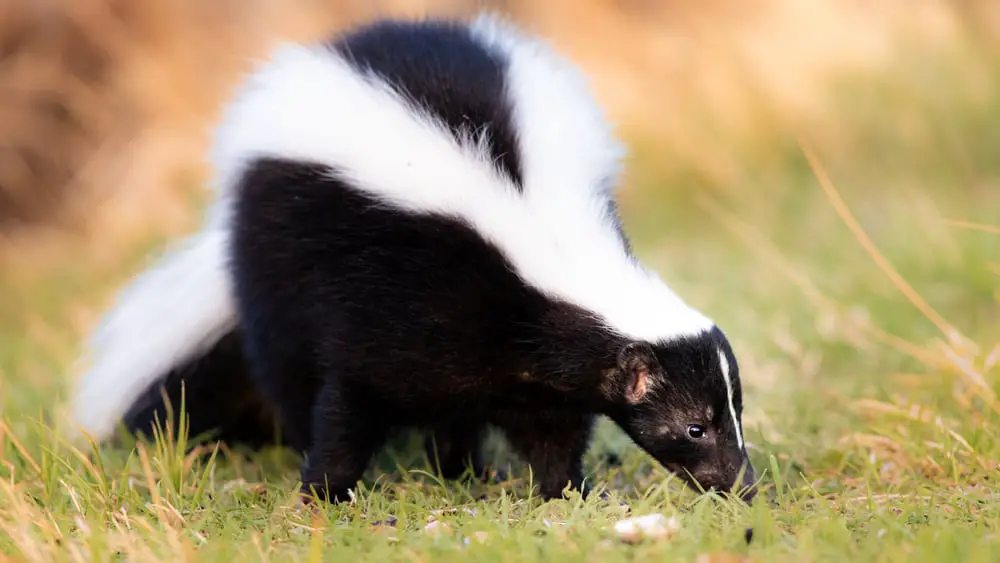
A skunk walking on a field of grass.

Skunks are best known for their ability to ward off threats by releasing a foul-smelling fluid from their anal glands. Their closest relative is the Stink Badger. There are 11 different species of skunk, most of which are found in North and South America.

Full-grown, they are about the size of a small dog. Skunks have very poor eyesight, instead of relying on their sense of smell and hearing to forage and detect predators.

Like the Raccoon, skunks are nocturnal and omnivorous. They eat a variety of small mammals, reptiles, fish, bird eggs, and some types of plants.

Skunks differ from raccoons in that they are more solitary. Socialization only occurs during mating. They also live longer in the wild, with the average lifespan being ten years.

Sun Bears

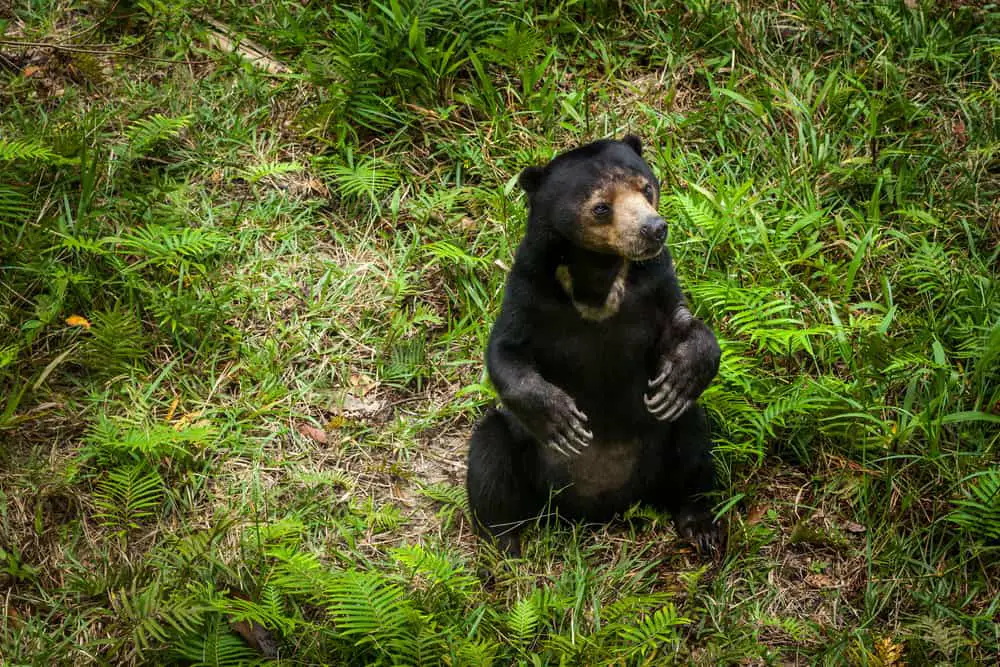
A sunbear sitting on the ground.

Sun Bears live in Asia among the tropical rainforests and mangroves. It is the smallest bear in the family Ursidae. The trend towards solitary living but is sometimes seen in pairs.

Their coloration is mostly dark except for a patch of cream-colored fur on their chest. Although … Read the rest of the story.


5 Different Types of Forests in California

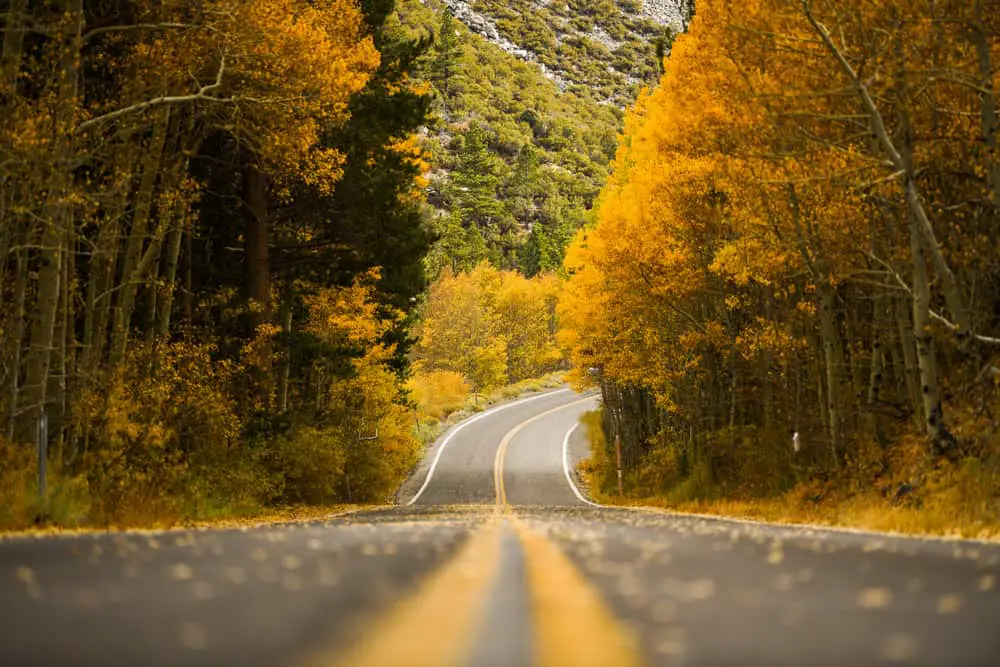
A road by June Lake, California flanked by trees during autumn.

California is home to a range of forest types that make it a unique and exciting environment. Not only can visitors find a temperate forest and coniferous forest, but it is also possible to explore a temperate rainforest in the United States.

Plus, California is home to some of the oldest and rarest trees on the planet. Both the redwood and giant sequoia are found within California.  

Table of Contents

Types of Forests in California

Within California, there are several opportunities to see wildlife and forested area. There are many types of tree species found in this diverse state. Within California, visitors can expect to see primarily temperate forests, but it is also possible to see pockets of temperate rainforest and coniferous forests in the southern part of the state.

Given the right growing conditions, this state is home to some of the oldest and largest trees in the world. Both the ancient redwood forests and giant sequoias can be found in California.  

Temperate Forest

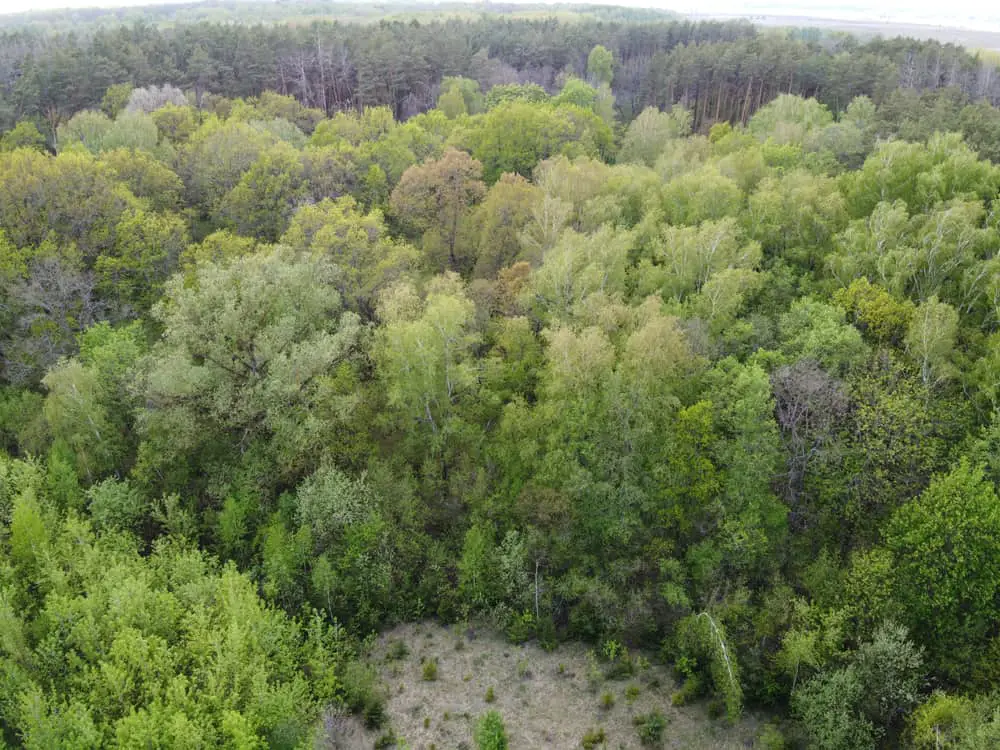
This is an aerial view of a temperate forest during spring.

The temperate forest makes up the majority of the forest in California. This type of forest can contain both deciduous and coniferous trees. Any forest that is located between the tropic area and boreal forest zone is considered temperate.

California, due to its location, is mostly temperate. Usually, in a temperate forest, the average temperature hovers around 50 degrees.  

Sierra Nevada Area

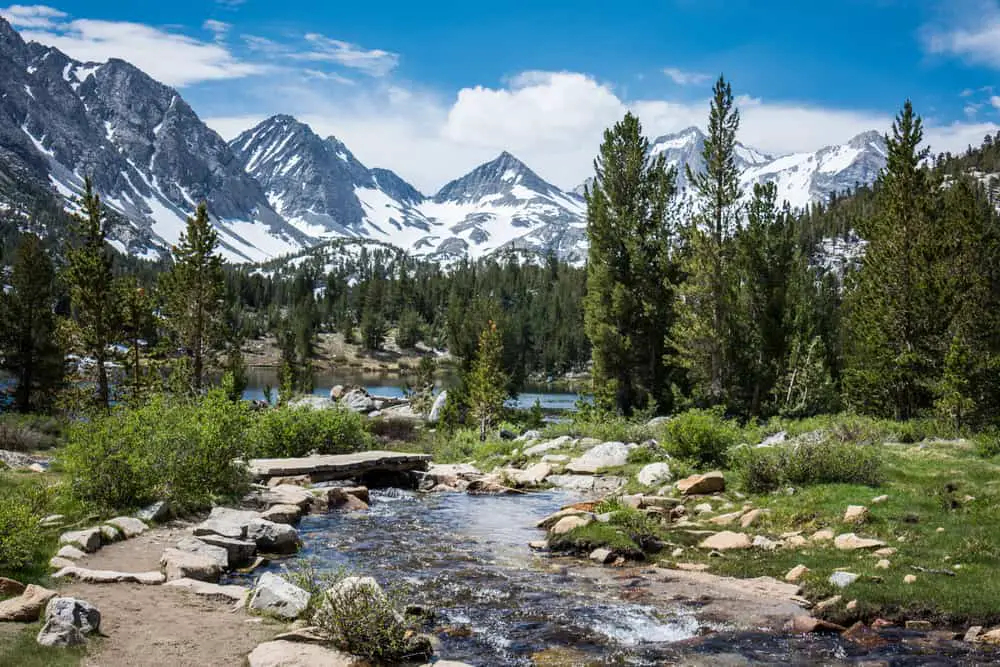
This is a creek scenery at the Sierra Nevada Area.

The Sierra Nevada area is home to some of the most beautiful forests in California. Scientists have estimated that 50% of California’s 7,000 species of plants live in the Sierra Nevada area. This range also has more than 200 rare species.

The majority of the rare or threatened species live in the southern range of the Sierra Nevada. In this forest, expect to find mostly coniferous species of trees. A coniferous tree has needles instead of leaves … Read the rest of the story.


15 Animals Similar to Armadillo

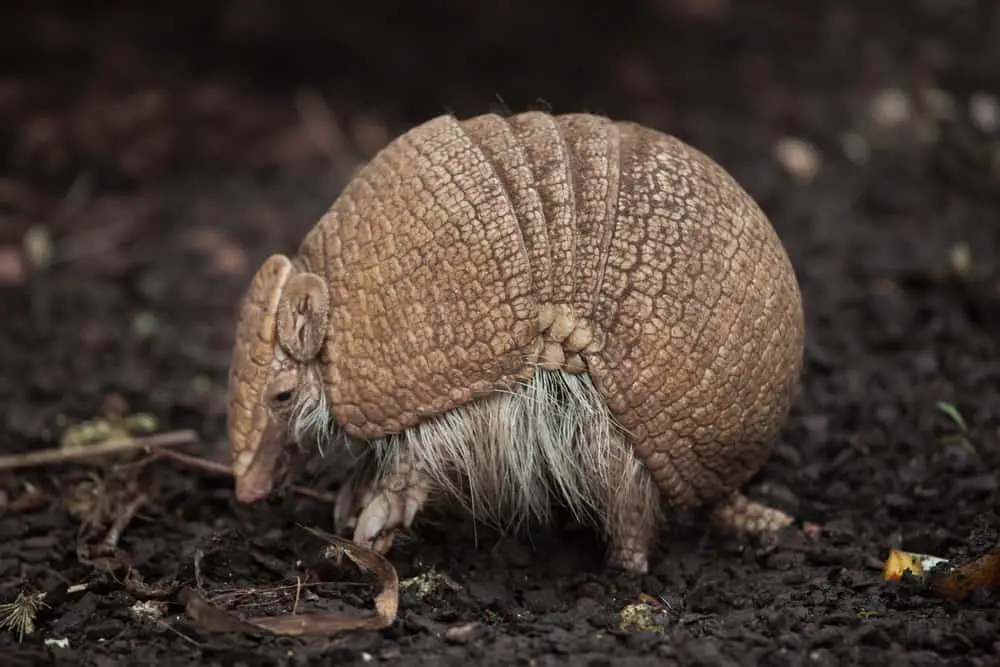
A close look at a Southern Threebanded Armadillo walking.

Armadillos, “little armored ones,” are New World placental mammals. They have greyish-brown oval bodies with long, tapering tails; pointy snouts, leathery armor shells.

Most species can be found in South America, although some have expanded northward. The Nine-banded armadillo is the only one that made it to the United States. Some have been found as far north as Missouri.

They live 7 to 10 years in the wild. Giant armadillos have been found to be as large as 59 inches and 119 pounds. Average armadillos are 25 to 48 inches long and weigh 8 to 18 pounds.

They live in warm, moist climates and favor forested areas and grasslands with loose soil. They dig burrows to live in with their sharp claws. They also dig for their food. Some roll up in a tight ball when threatened.

They are solitary creatures, except while breeding or caring for their young.

Table of Contents

Anteaters

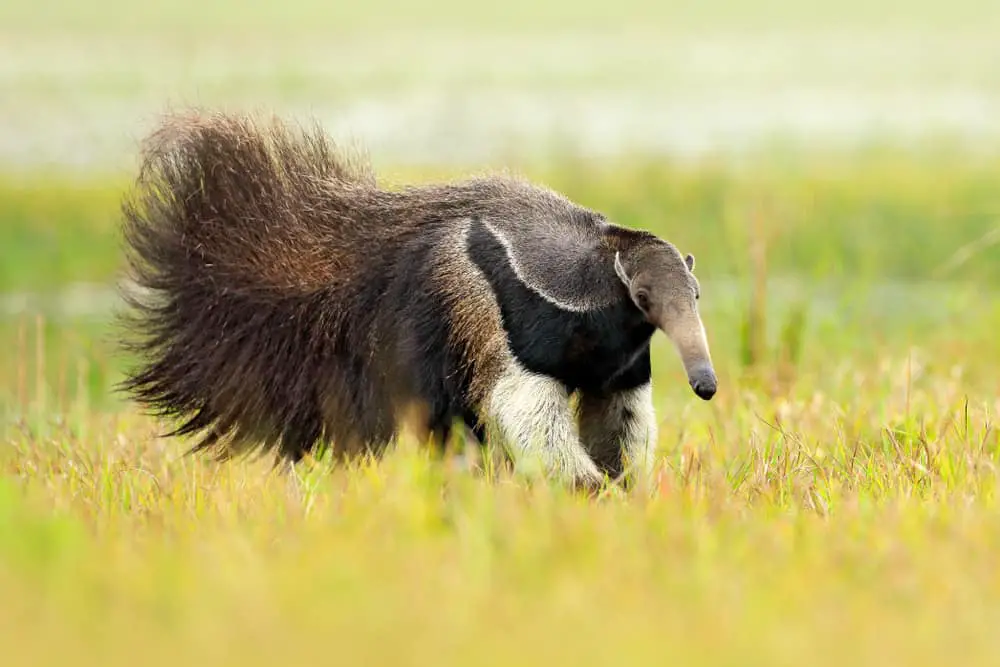
A giant anteater walking on a grassy field.

Anteaters are mammals. They are members of the suborder Vermilingua, or “worm-tongue.” They live 15 years on average.

They have long noses and long sticky tongues that extend longer than their heads. This makes it easy for them to feed on ants and termites. They have no teeth.

The giant anteater is by far the largest at 5 feet, 11 inches. It weighs up to 90 pounds. Smaller species of anteaters are 14 inches to 3 feet, 11 inches.

They live in South America, but some have extended their range up into Mexico. They are closely related to the sloths and the armadillos but have no armor.

Their habitats are varied, including grasslands, rain forests, and dry tropical forests.

Their body temperature varies between 91 and 97 degrees F. Their daily behavior is mainly an effort to manage their temperature, heating up during foraging, and keeping cool during rest periods.

Anteaters are similar to armadillos in that they share the same backbone structure that permits them to engage in climbing and burrowing. They differ from armadillos in that … Read the rest of the story.


4 Different Types of Forests in Michigan

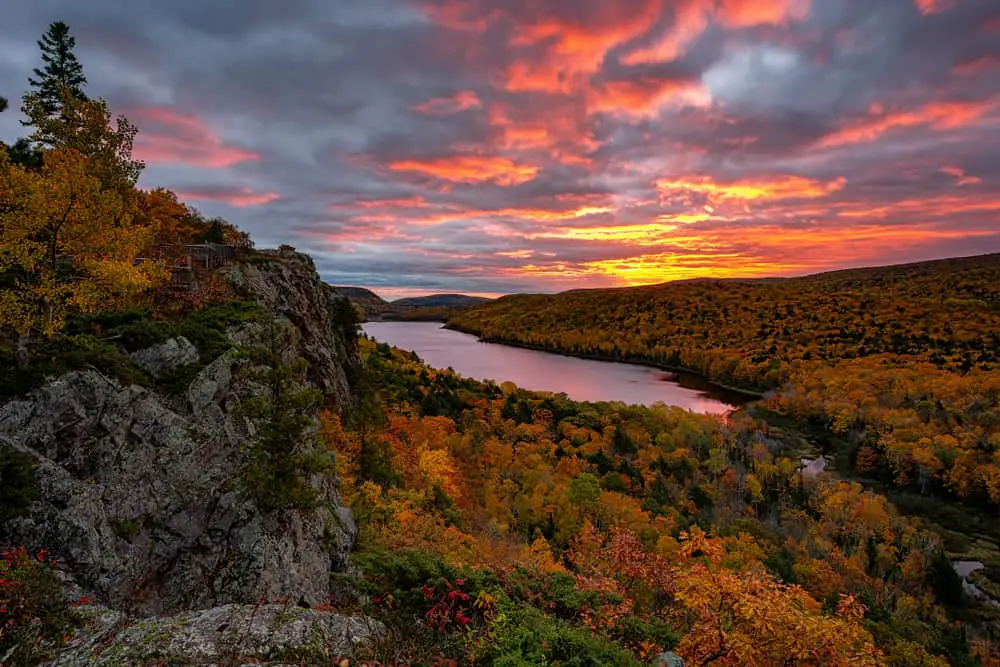
This is a view of the sunrise over Lake of the Clouds in Porcupine Mountains Sate Park, Michigan.

There are four main forest types in Michigan, a vital part of Michigan’s economy and natural habitat. The forests include all deciduous types of forests. However, small coniferous forests in the northern part of the state are mixed together with deciduous trees.

The four types of forests found in Michigan are beech-sugar maple forests, aspen forests, northern hardwood forests, and oak-hickory forests. All the trees in these forests provide a habitat for the countless birds and animals that help create the diverse ecosystem in Michigan.  

Table of Contents

Types of Forests In Michigan

Michigan is home to some diverse geography ranging from forested land to beaches with dunes surrounding the lakes. In general, four main types of forests can be found throughout Michigan. These forests are varied, but the majority of the forests are filled with deciduous trees. With only a few coniferous forests to the northern part of the state, conifers are largely outnumbered in Michigan.

A deciduous tree sheds its leaves every year and is usually defined by its large and broad leaves. Deciduous forests are more common in temperate climates and provide suitable habitat for countless birds, mammals, amphibians, and reptiles. Below, let’s take a closer look at the several forest types found throughout the state.  

Beech Sugar Maple Forests

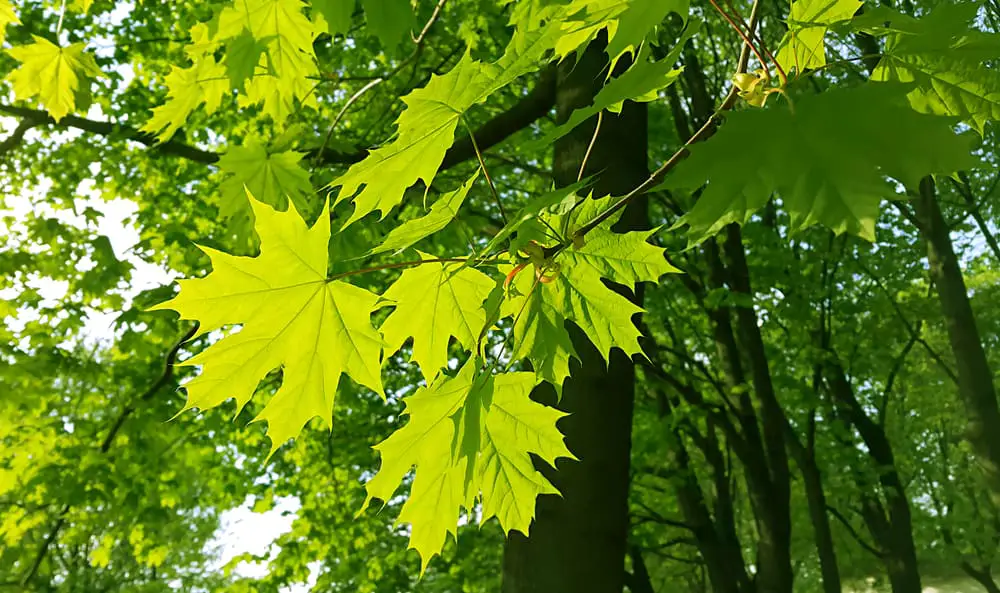
This is a close look at a maple tree during spring time.

Usually, the beech sugar maple forests are in the southern parts of Michigan. These types of trees have an easier time growing in moist soil and more temperate weather. The trees that live in this type of forest need a long growing season and plenty of nutrients in the soil to keep them well-nourished.

Typical trees found in the beech sugar maple forests of the south include the tulip tree, walnut, black cherry, ash, and basswood trees.  Many animals call these forests home, … Read the rest of the story.

8 Animals Similar to Beavers

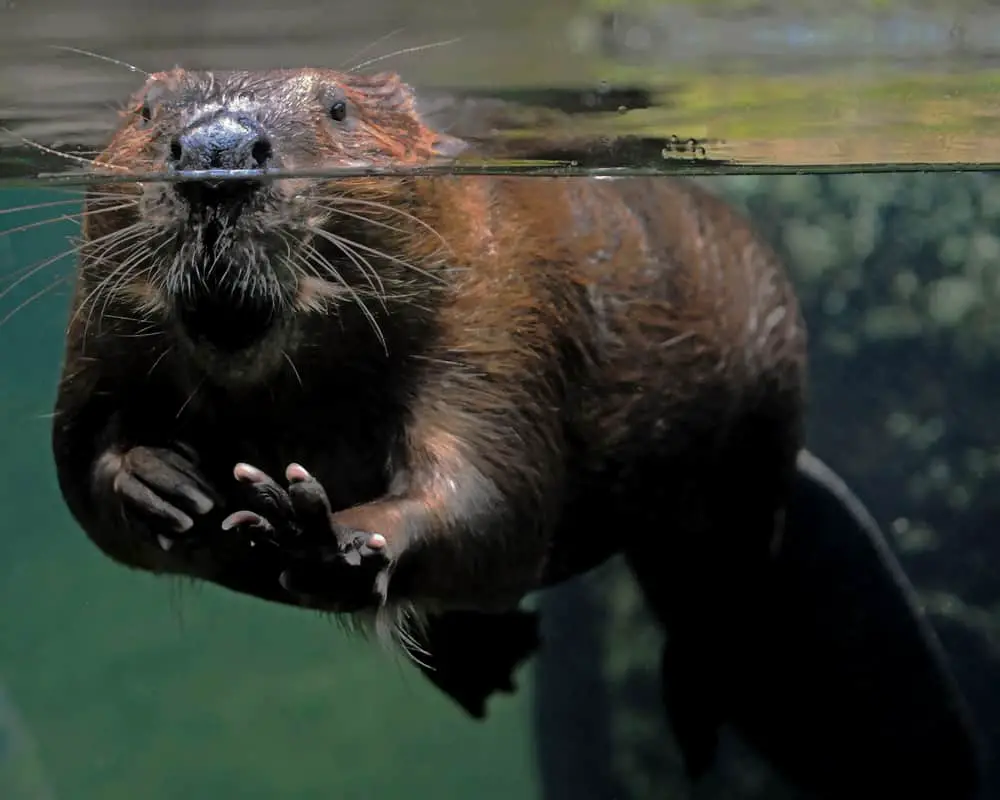
A close look at an adult beaver swimming.

Beavers are a type of semi-aquatic mammal that are part of the rodent family. There are two species of beaver. The Eurasian Beaver is found in Europe and Asia, while the more common North American Beaver is native to most of Canada and the U.S. though it was introduced as far south as Chile.

Both species are found in freshwater rivers, streams, and ponds where they build their elaborate homes from trees, branches, and mud.

They are low-slung animals that are better suited to the water with their webbed feet and a large, flat tail that acts as a rudder as they swim. They can be quite large, weighing as much as 70 pounds, though on average they are closer to 50 pounds. At maturity, beavers may be up to 1.5 feet tall and between 2.5 and 3 feet long.

The famous image of the beaver is one of the long-toothed, furry, brown animals gnawings on riverside tree trunks which it uses to make its famous beaver dams. They drag the fallen trees down the banks, into the water, and maneuver them into place. They use their tail to slap mud onto the floor and walls of the structures which can wind up being over 10 feet high.

Beavers are strict herbivores and eat twigs, leaves, and the soft inner bark of deciduous trees like cottonwoods and aspens. Whether building its home or foraging for food, gnawing on the trees is essential to wear down its front teeth, which, like other rodents never stop growing. While a beaver may only live for about 10 years, the dams may be repaired and recycled for generations.

Table of Contents

Nutria

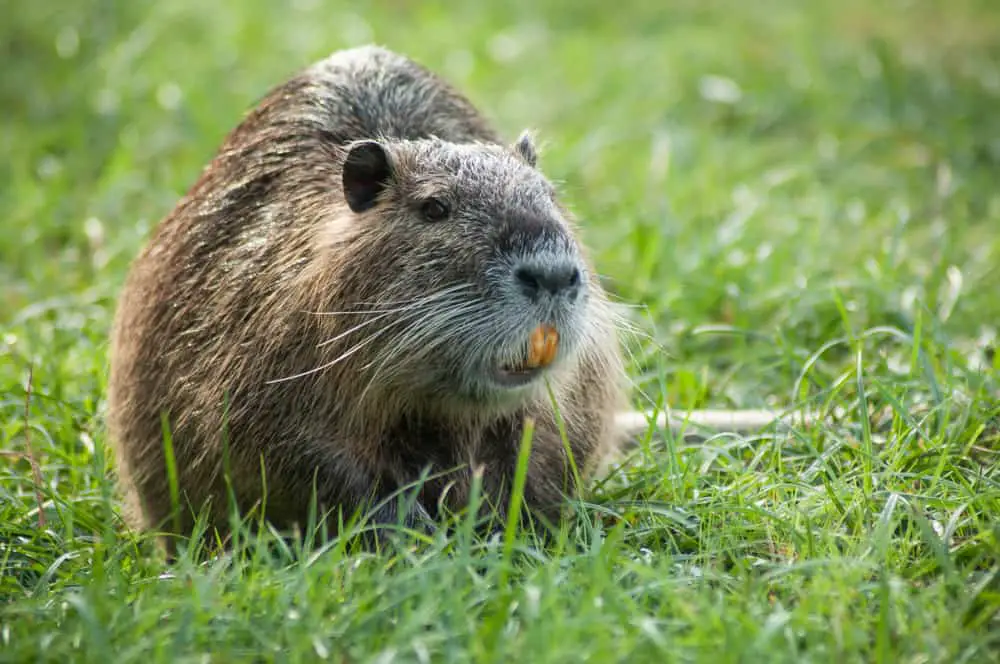
This is an adult Nutria on a grass field.

The animal most frequently mistaken as a beaver is one that few may have heard of. The nutria is also a semi-aquatic, brown, herbivorous rodent. The nutria is most commonly found in South America though there are some colonies in the coastal areas of the U.S. Gulf Coast. Though they are considered to be large rodents, they grow to be only … Read the rest of the story.