Pages

Are Honey Badgers Immune to Venom? If So, How?

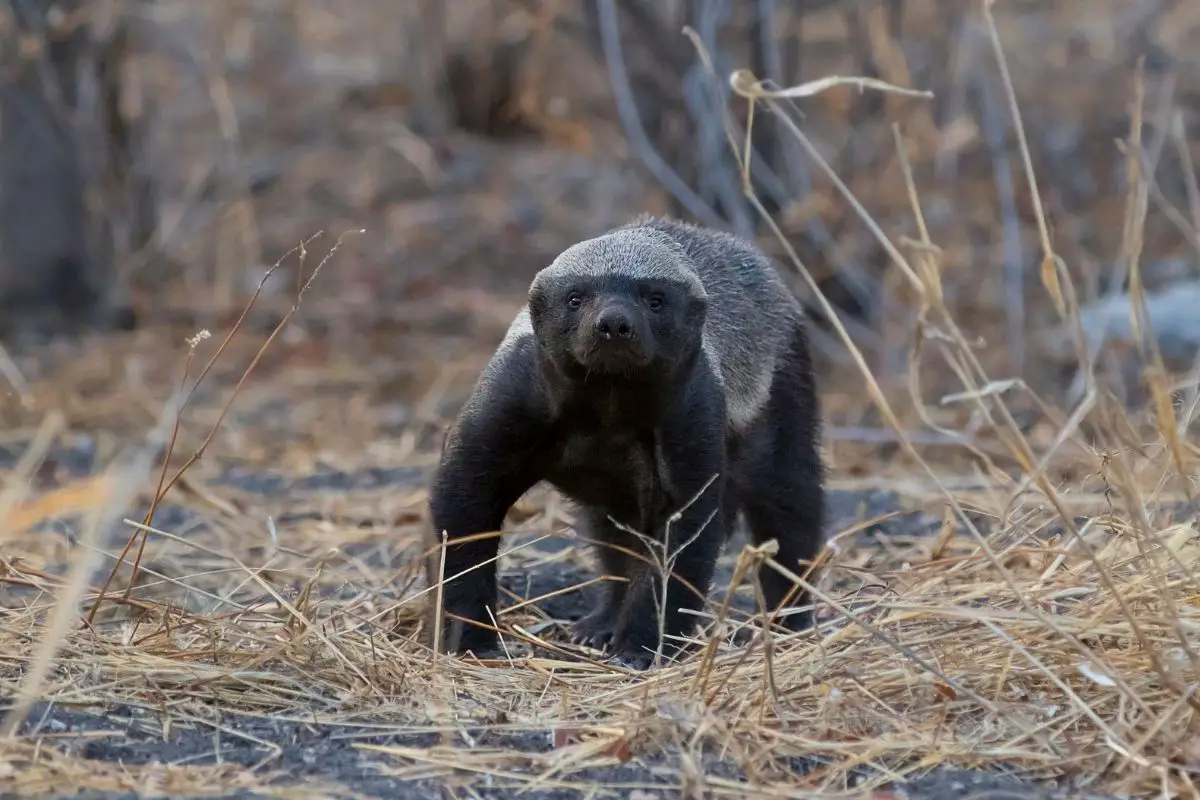
A threatened black Honey badger starring on the camera.

“Hey Mom, do you know what a honey badger is?”

I grunted in reply as I tried to squeeze into the closet to retrieve the hidden feather duster.  “They like to pick fights with everyone. Look, Mom!

They’re mean with super sharp teeth. Did you know they can break into a tortoiseshell?” My inquisitive yet slightly annoying ten-year-old son asked me on a typical sunny Saturday afternoon.

He’s got his laptop on with a YouTube video and all I hear is growling and hissing with an occasional roar from a lion. I dug into another part of the closet, hoping it would be behind the vacuum.  “Yup,” I answered him, giving up shortly after not finding the darn thing.

I looked at his laptop. It’s a honey badger confronting 3 lionesses in the dry African savanna. “You do? They play dirty.

They go for the balls when they fight. Like rip them off and wait for the other guy to bleed out. Look, they’re fighting a bunch of lions right now.

” My son pauses to gulp more air before continuing.   “Did you know that honey badgers are immune to venom?”  Like so many other kids his age, Dean is fascinated with zoology – the study of the animal classification, physiology, behavior, and structure of the animal kingdom. 

“Why is that? How do they not get sick? Are they immune?”

Dean asked, not waiting for an answer. I had a feeling my Saturday cleaning would have to wait. With a mind like his, this was possibly the only time to take advantage of his curiosity.

It wouldn’t be long before he would think he was smarter than me and his dad.

“Well, I don’t know. We can look into researching this.”
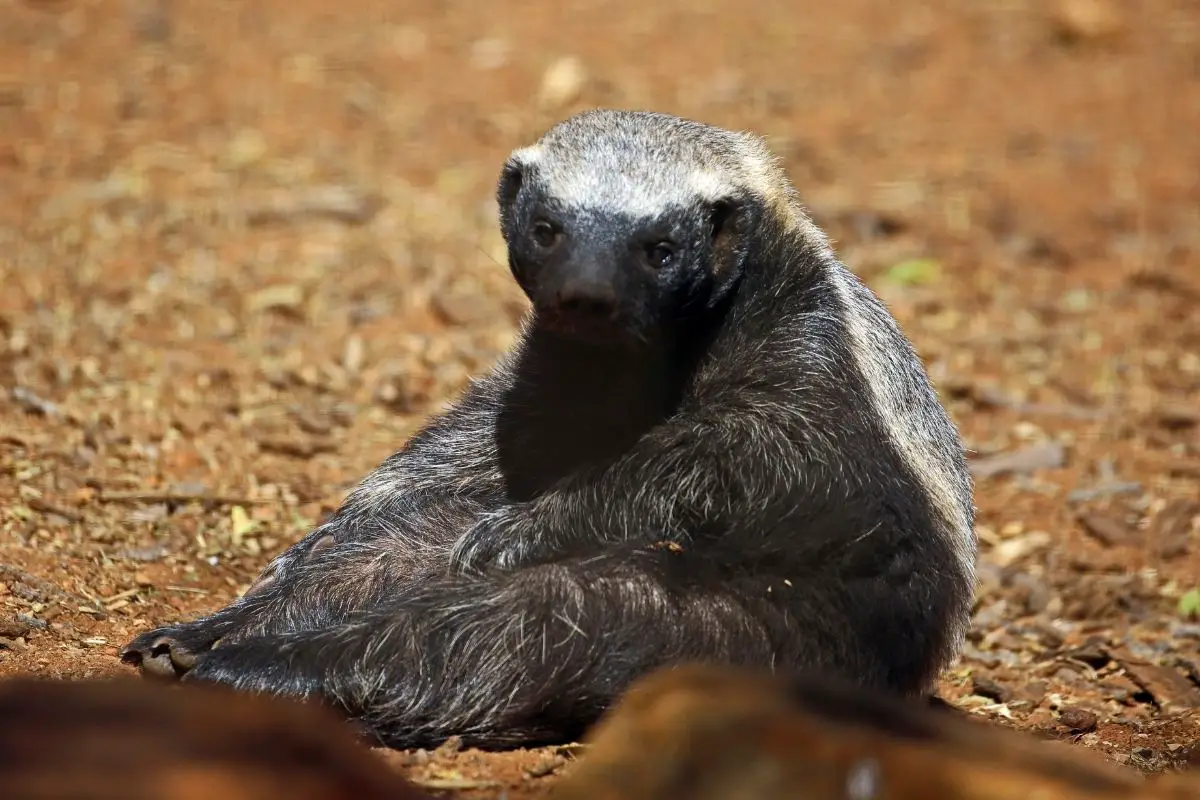
A honey badger in a relaxing position.

Honey badgers. The name implies something cute and cuddly. Except it isn’t.

These ferocious ratels are related to skunks, ferrets, and even otters. They’re mostly found in Africa, the Middle East, parts of India and Southwest Asia, with their habitat in grasslands, forests, mountains, and deserts. Black coarse hair with a white stripe running down from the top … Read the rest of the story.

How Do Porcupines Care for and Raise their Young?

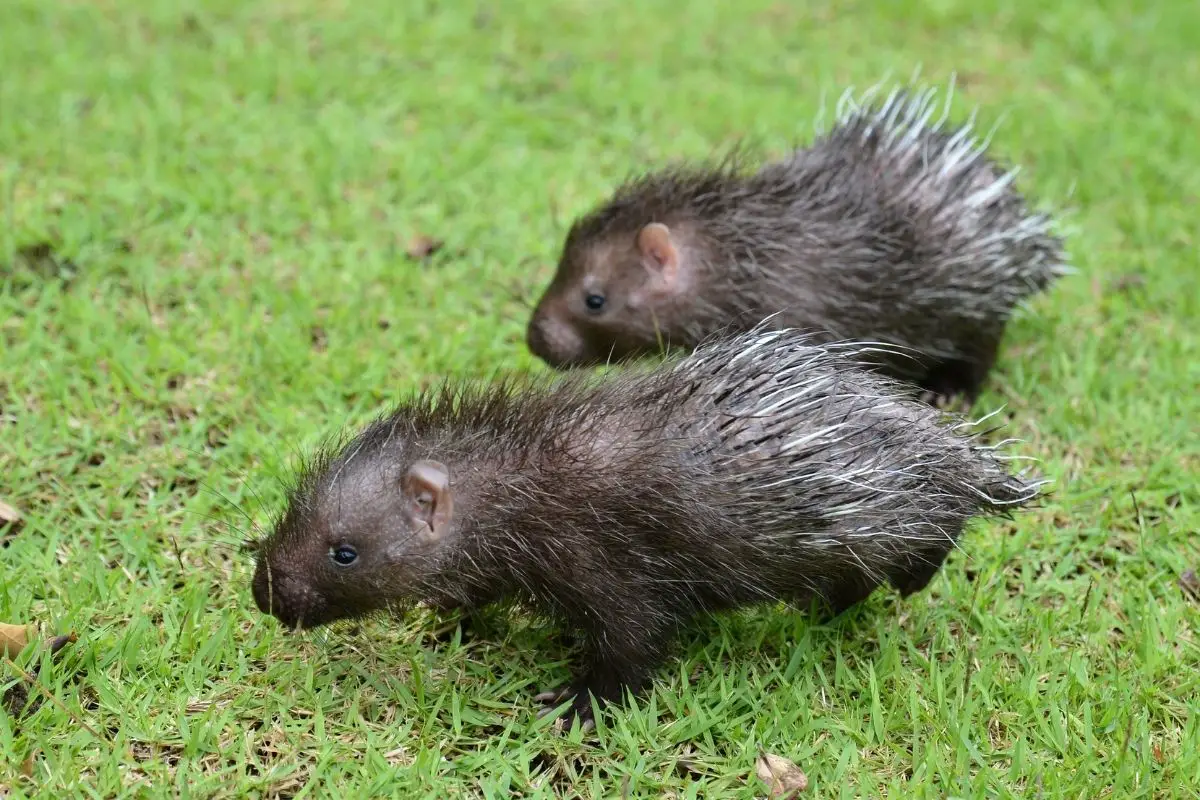
Two juvenile porcupine walking on green grass.

Porcupines are cute, prickly mammals that live in the desert, hills, and dense forests. They are very versatile, in that they can adapt to many different habitats. Because of this resilience, I became curious: how do porcupines care for their young?

Adapting to various surroundings by themselves is one thing; caring for and protecting their children in those differing environments is a whole other concern. The many methods porcupines have for taking care of their kids are interesting—here is a breakdown of some of them.

How do Porcupines Feed Their Children?

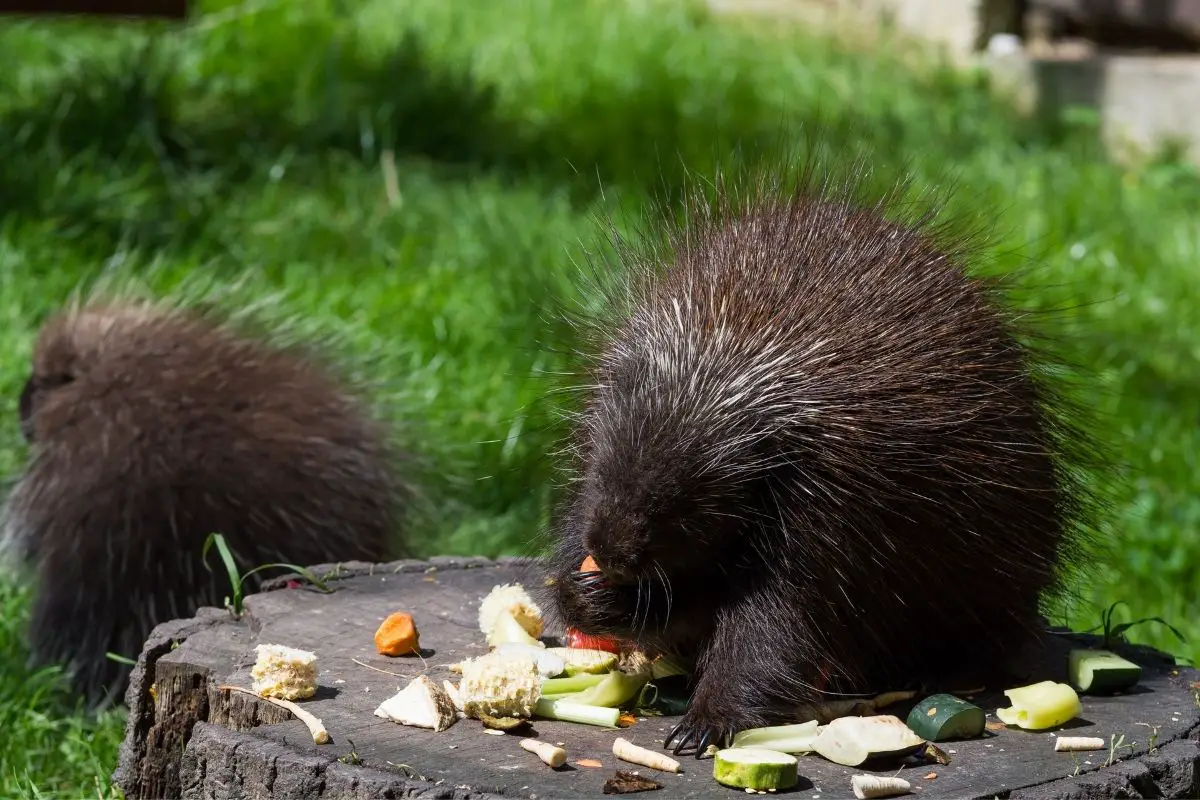
Cute porcupine sniffing on its food placed on a tree log.

The diet of porcupines consists largely of veggies, fruits, and various herbs. Porcupines are primarily herbivores. A particularly fascinating aspect of porcupines is how they obtain food, and how they provide food for their children.

Their herbivorous diet is just as diverse as the locales they can be found in. This is also because their selection of foods changes with the seasons. One of the most common ways porcupines get food for their young is from trees.

The parent porcupines will lead their children to the base of a tree they want to get food from. For safety, the kids will stay huddled together at the bottom of the tree. Then, the parent or parents will begin their climb upward.

The kids will just have to wait patiently for their meal to arrive. Porcupines will eat tree bark and pine needles, which are a good source of sustenance in winter. They also eat grass on occasion.

Once the parent(s) are back from their trip up the tree, their young will have something tasty to snack on. While it is not the primary part of their diet, porcupines do eat meat. They do not prey on other animals to do this, however, and only eat meat when their options are very limited.

The only method of gathering meat is when they find animal remains. This makes this portion of their diet solely out of survival needs. Keeping the kids fed and happy is one aspect of care.

What about when they have to battle the elements?

Porcupine Parents and

Read the rest of the story.

How Do Porcupines Stay Warm?

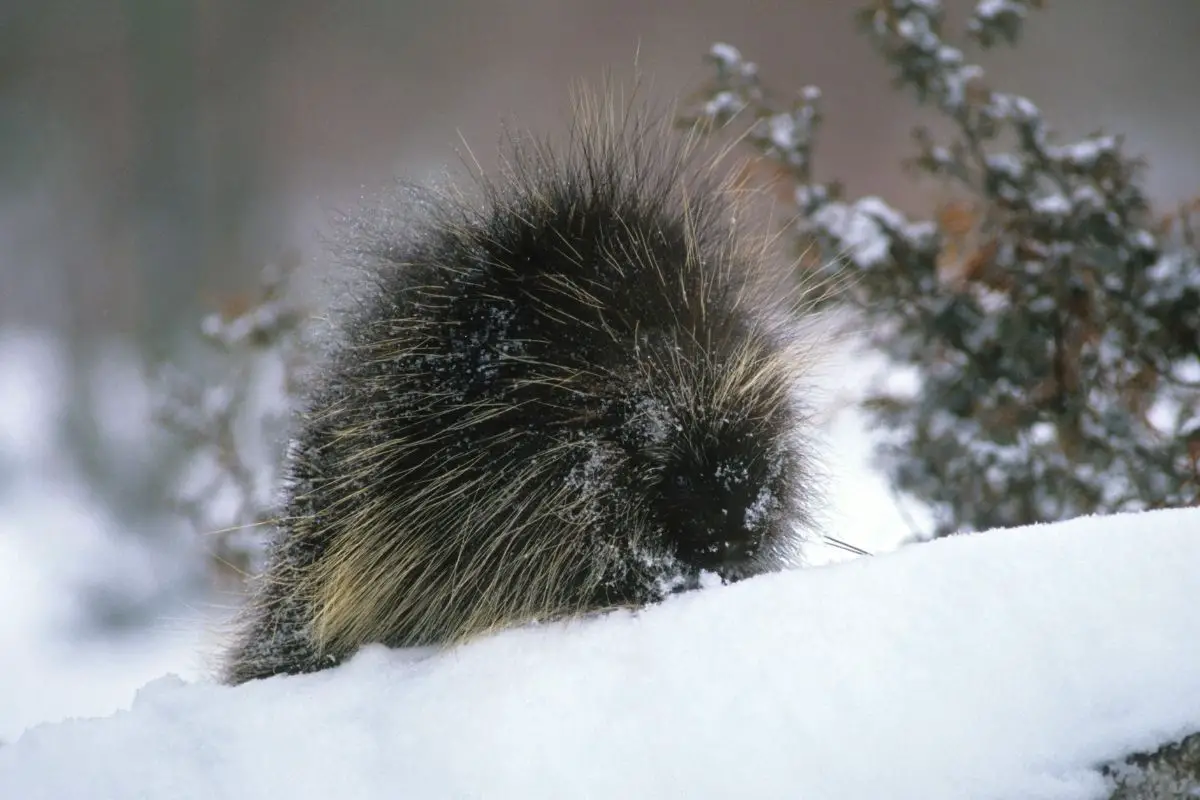
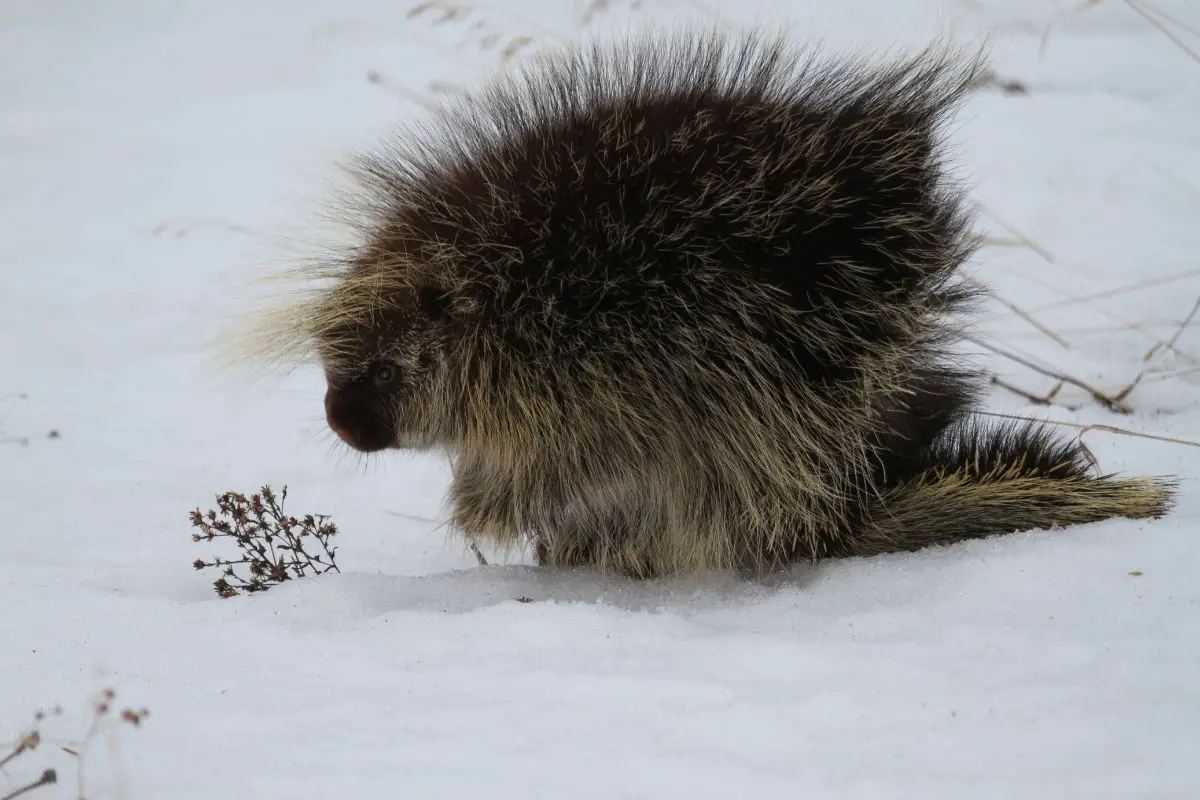
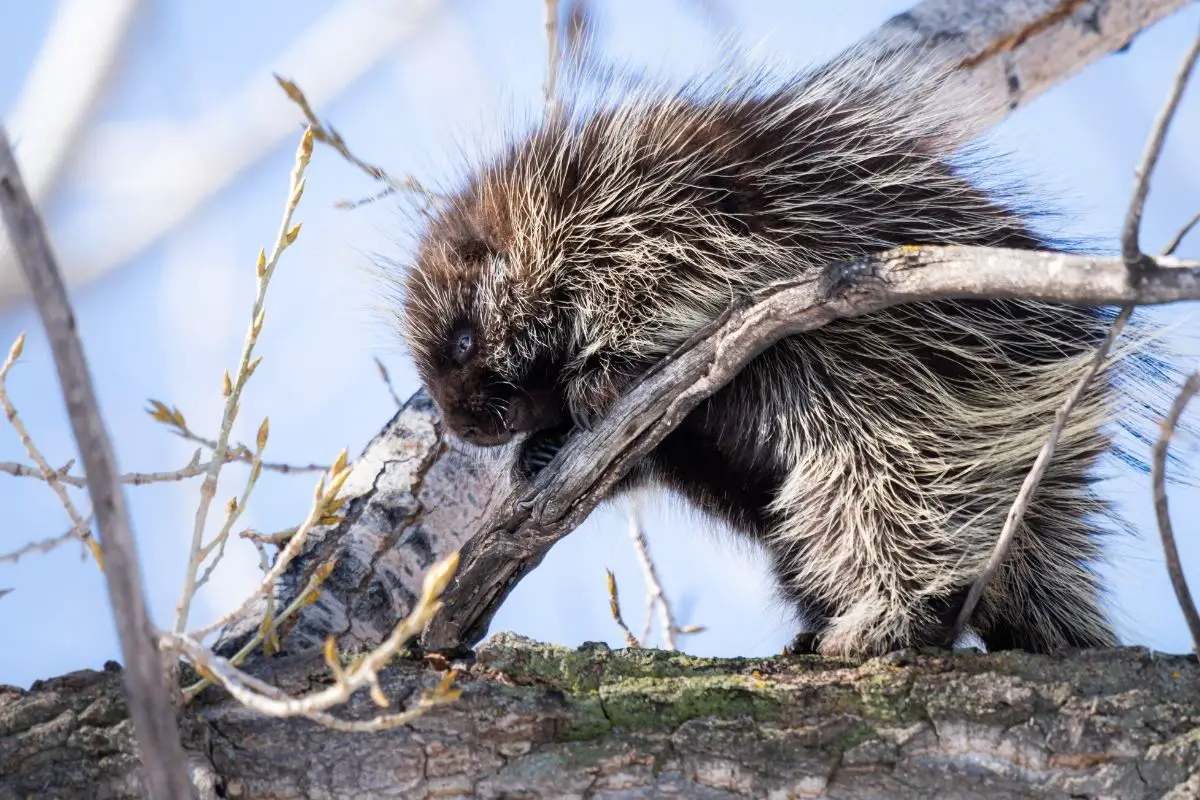
A porcupine standing on a snow covered log in winter.

Porcupines don’t hibernate, so they need to prepare for cold months, especially since they can be found in places that get very cold in the winter, such as Alaska. They start the winter with as much as half their weight being fat. With the knowledge of the warmer places to bed down, help from a thick undercoat, and this added fat, they can get through most winter conditions.

These prickly little critters have developed a complete routine to keep themselves warm. Let’s take a look.

Storing Fat

Porcupine positioned on a tree log.

Biologist Jessy Coltrane spent time in Alaska studying the porcupines for a paper. She monitored several of these little creatures and made the discovery that at least fifty percent of the weight they carried going into winter was fat. Throughout the winter, they moved very little, reserving their energy and living off that stored fat when they were unable to get out to eat.

In order to reserve as much energy as possible, they moved very rarely and did sleep a lot.

Winter Coat

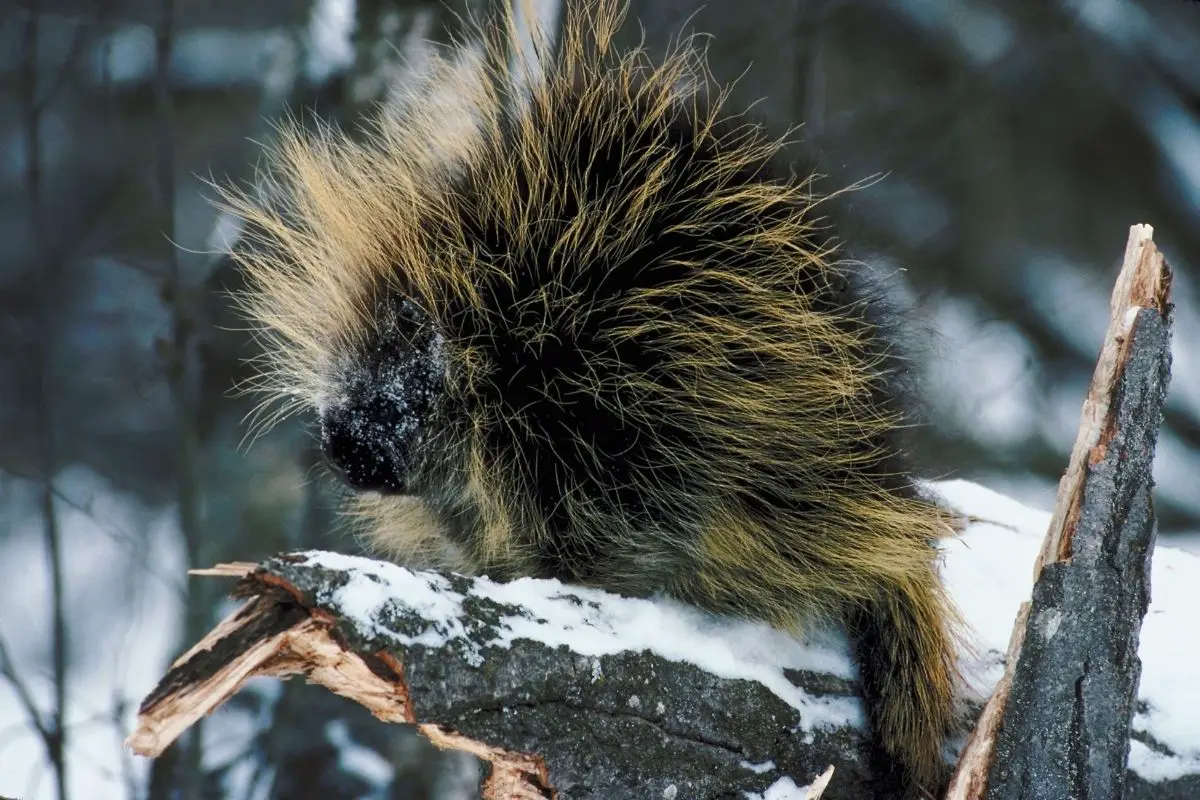
A freezing Porcupine in winter.

The coat is a porcupine and is multi-layered. It consists of a wooly undercoat that is made up of soft hairs. This coat is covered with coarse guard hairs that help protect the porcupine itself.

Then the areas of its back, tail, and sides are covered with quills, which are hollow, allowing for the air inside to be warmer from its body heat. Normally, the body temperature of a porcupine is that of humans, and scientists have discovered that both hot and cold temperatures don’t cause it to vary much because of this protection. In addition, many types of porcupines grow an additional layer of fur on the outside that looks like a wooly winter coat and adds protection from the cold.

Homebodies

Porcupines are very fond of living in trees but during the winter they seek out areas that can protect them from the wind, keeping them warmer. They have a preference for rocky ledges with crevices but will also utilize hollow trees or the deserted dens of beavers and other animals. For those who live further up … Read the rest of the story.

How Many Tropical Rainforests Are There?

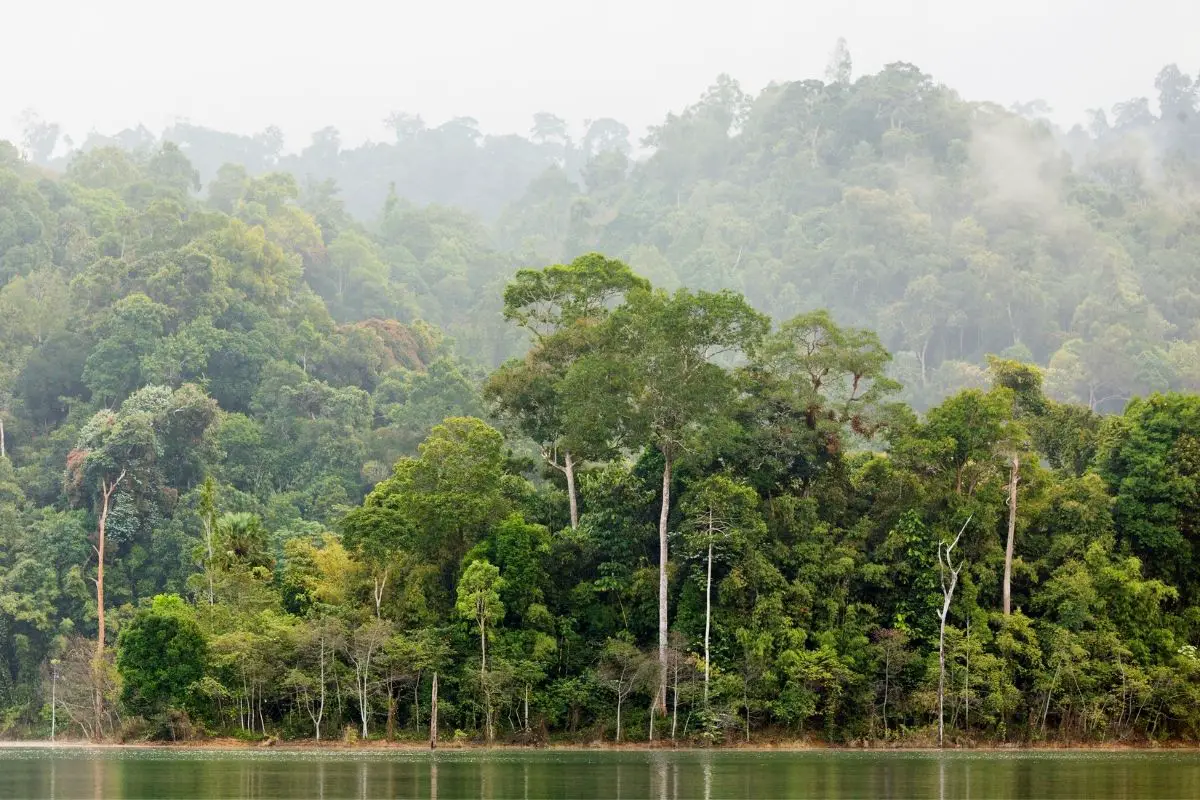
Dense tropical forest in the Chiew land lake.

One of my favorite facts about rainforests is that they’re cornucopias of life. According to worldrainforestday.org, rainforests contain about 50% of all terrestrial biodiversity. But, how many rainforests are there to be able to harbor such a considerable amount of ecosystems?

Well, scientists don’t usually refer to the number of rainforests in the world per se. Instead, they talk more about the amount of rainforest coverage in the world.

Tropical Rainforests Vs. Temperate Rainforests

This article talks about how many tropical rainforests there are in the world. However, tropical rainforests are only one type of rainforest. Rainforests are mainly divided into tropical and temperate rainforests.

Both tropical and temperate rainforests are located between the Tropic of Cancer and the Tropic of Capricorn. Rainforests are found on every continent, with the exception of Antarctica.

A portrait of a young woman standing beside the tree.

The main difference between tropical and temperate rainforests is that tropical rainforests are located closer to the equator, where the temperatures are warmer. On the other hand, temperate rainforests are found to the north and the south of the equator, along the cooler coastal regions. In addition, temperate rainforests have less biodiversity and receive fewer inches of rain per year.

For a rainforest to be classified as such, it must receive 60-80 inches of rainfall each year. Generally, a rainforest is defined as a forest that gets a lot of rainfall. In fact, it rains throughout the year in the tropical rainforest, and the environment is always hot and moist.

Another characteristic of rainforests is the four distinct layers.

  • Emergent layer. Emergents are the tall, giant trees that grow above the general canopy. Their height ranges from 70 to 100m.
  • Canopy layer. The canopy layer is the largest part of the rainforest, and the trees here also grow to be very tall. The canopy layer overlaps so much it creates a roof over the forest that prevents sunlight from reaching the forest floor.
  • The understory. The understory is a humid and damp level made up of smaller plants and trees, such as vines and palms. These plants have adapted to environments where there’s little
Read the rest of the story.

Can Porcupines kill Snakes? Cats? Chickens?

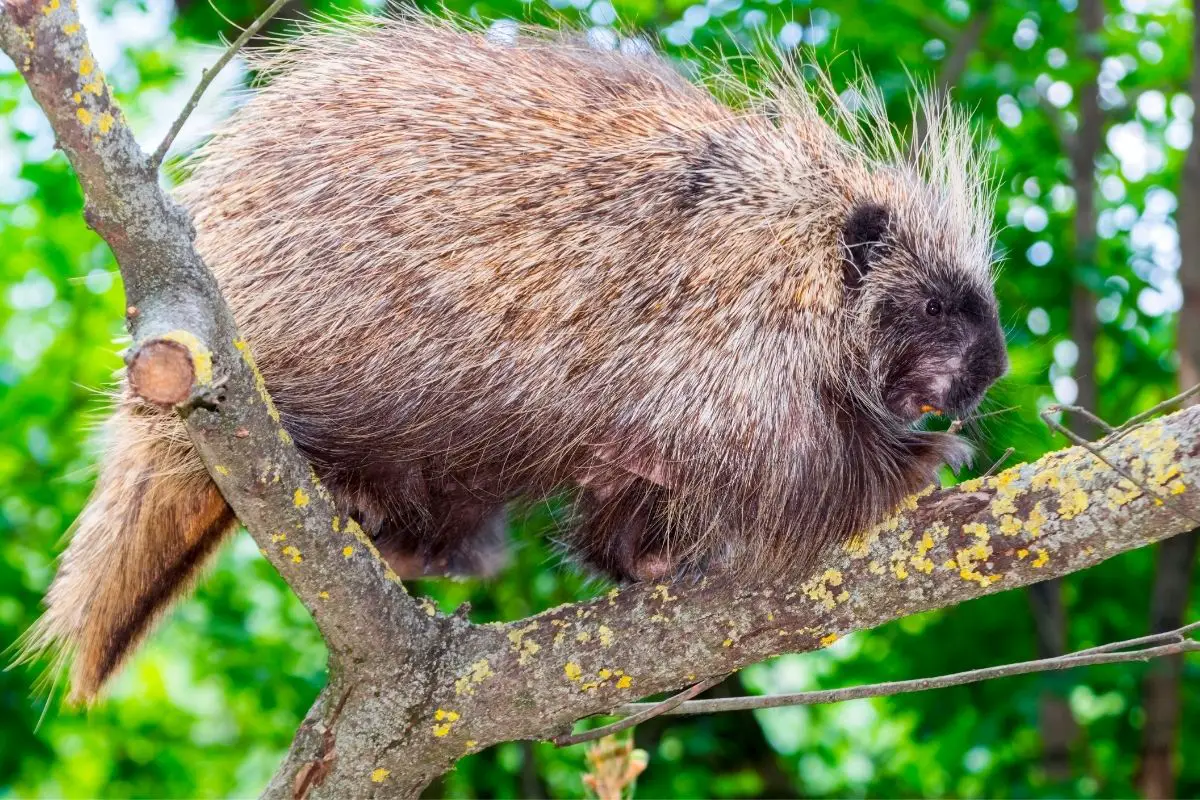
A wild porcupine positioned on a tree branch.

Porcupines are generally not aggressive animals; however, they will react if attacked. Their quills can be very sharp and painful for any animal or human being who tries to threaten them. Here is a closer look at the traits of a porcupine and whether or not they are a danger to other animals.

What is a Porcupine?

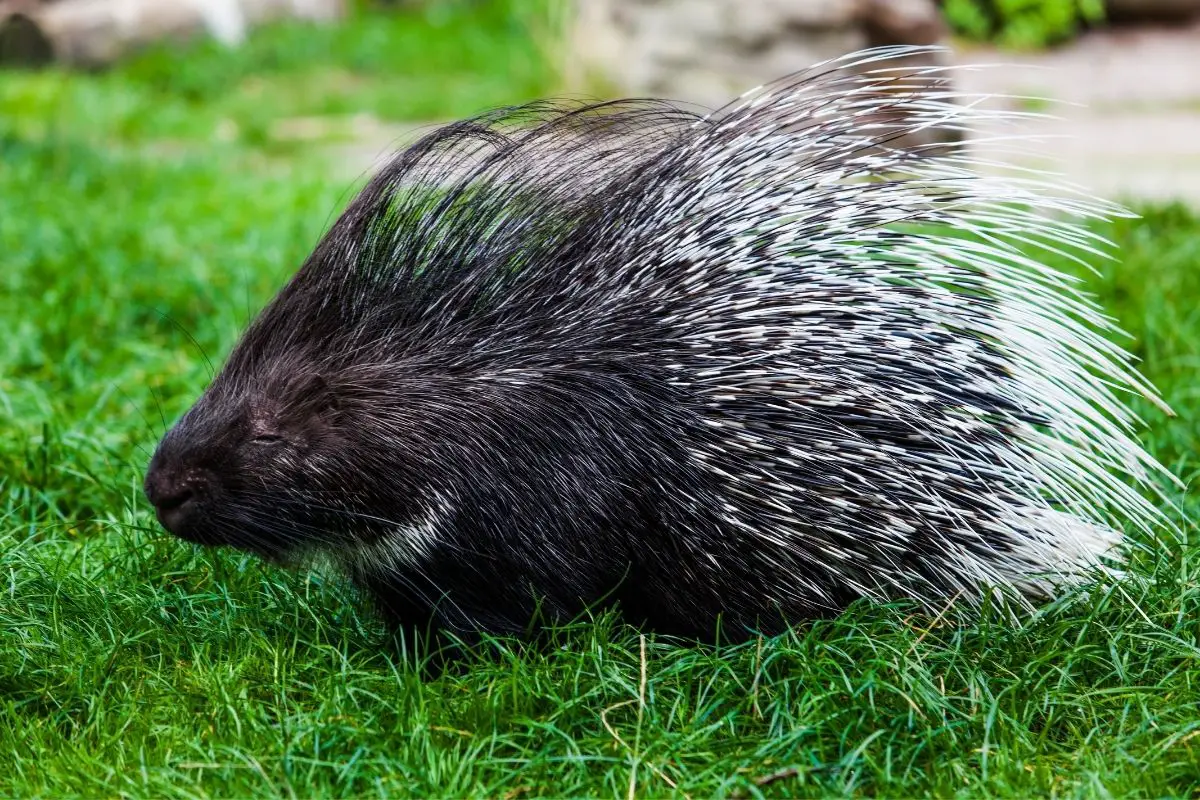
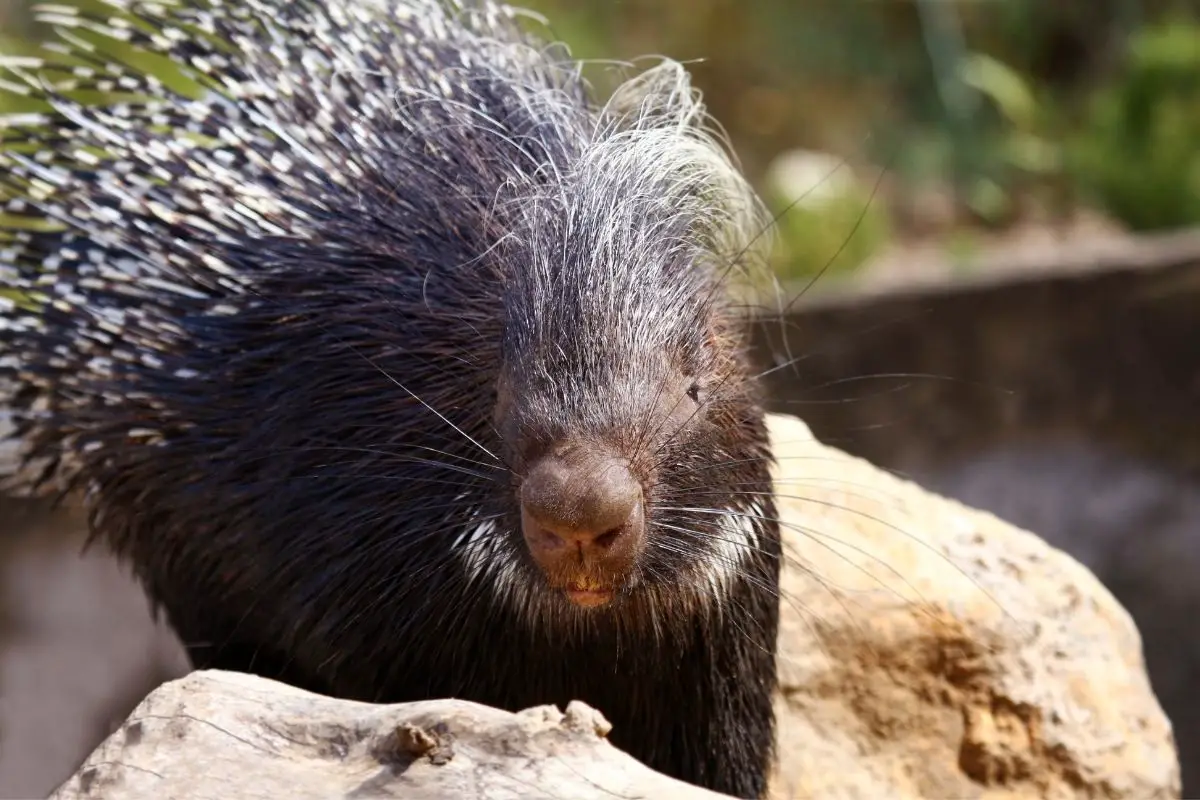
Portrait of Indian porcupine in the wild.

Erethizon Dorsatum, better known as the North American porcupine, is a mammal in the rodent family notable for its quill-covered bodies. Adult porcupines have about 30,000 quills covering their bodies, used for defense and keeping their bodies warm in the winter. Contrary to popular belief, the quills of a porcupine are not poisonous.

However, they are very sharp and can cause serious injury to any other animal who comes in contact with them. The quills also have barbs at the end, making them painful to remove. Porcupines are slow-moving creatures that are natural herbivores, so they are not known to be aggressive or hostile to other animals.

But if attacked, they will use their quills to ward off other predators. They can’t shoot their quills at an attacking animal, but they will use their body to target specific areas on a predator’s body.

Can Porcupines Kill Snakes?

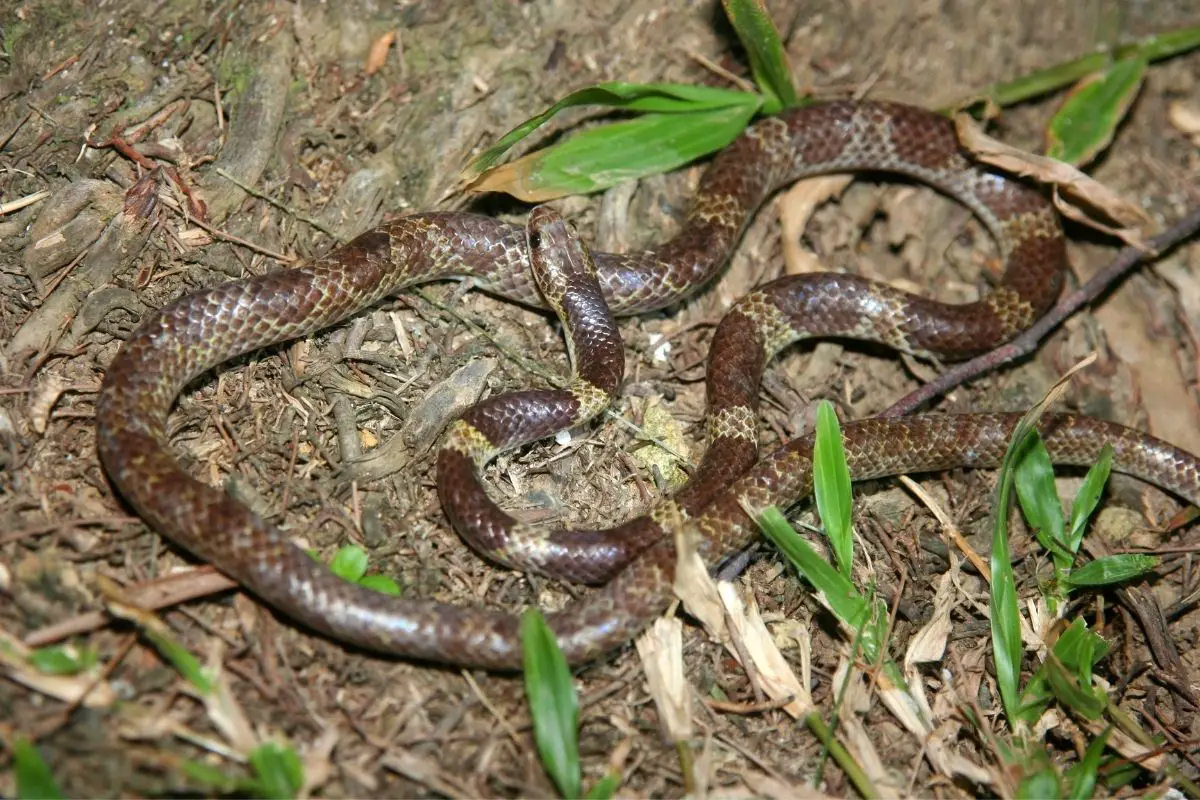
A photo of a small snake on the ground.

Even though porcupines are the second-largest rodent on earth, snakes are known to occasionally target them as prey. Snakes like pythons and vipers are known for swallowing a porcupine’s whole, which can often be a deadly mistake. A study published by the Phyllomedusa Journal of Herpetology in 2003 found that porcupine quills are sharp enough to pierce through the body of a snake.

So, if a snake tries to swallow a porcupine whole, it can cause severe injury and even death from the impact of the quills. It turns out that it’s rare for porcupines and snakes to encounter one another, but it does occur. Another similar study cited more than ten documented instances of porcupines harming snakes, with an estimated survival rate of 33%.

Porcupines are a high-risk meal for a hungry viper or python. But if they are hungry enough or don’t see … Read the rest of the story.

How Many Teeth Do Porcupines Have?

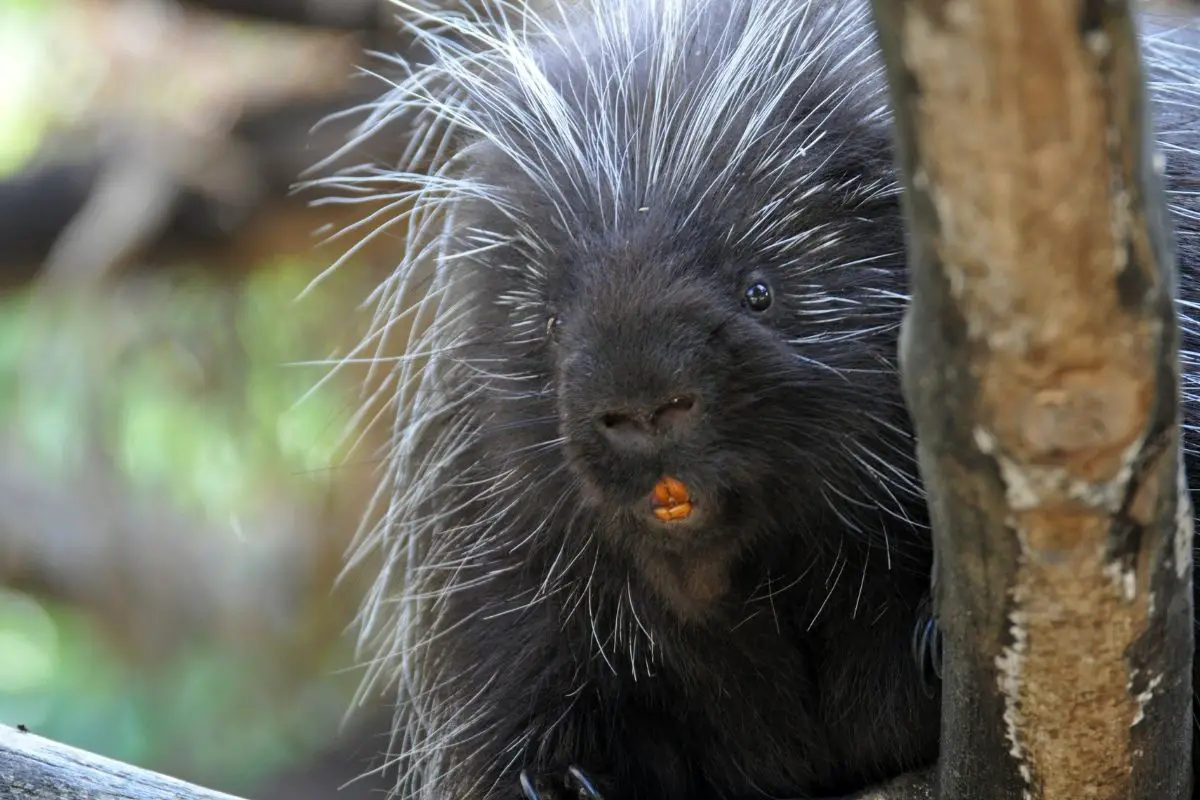
A portrait photo of porcupine in wild showing his teeth.

Porcupines have twenty teeth. This includes four incisors and 16 molars. Like many members of the rodent family, their front two molars never stop growing.

Unlike other rodents, their teeth are bright orange in color. With so many teeth, you would think that these animals would bite when fighting, but they are not known for biting. They do use their teeth in a unique way when they are defending themselves, however.

We will find out how a bit later. Let’s take a deeper look into porcupine teeth and their unusual qualities.

Always Growing

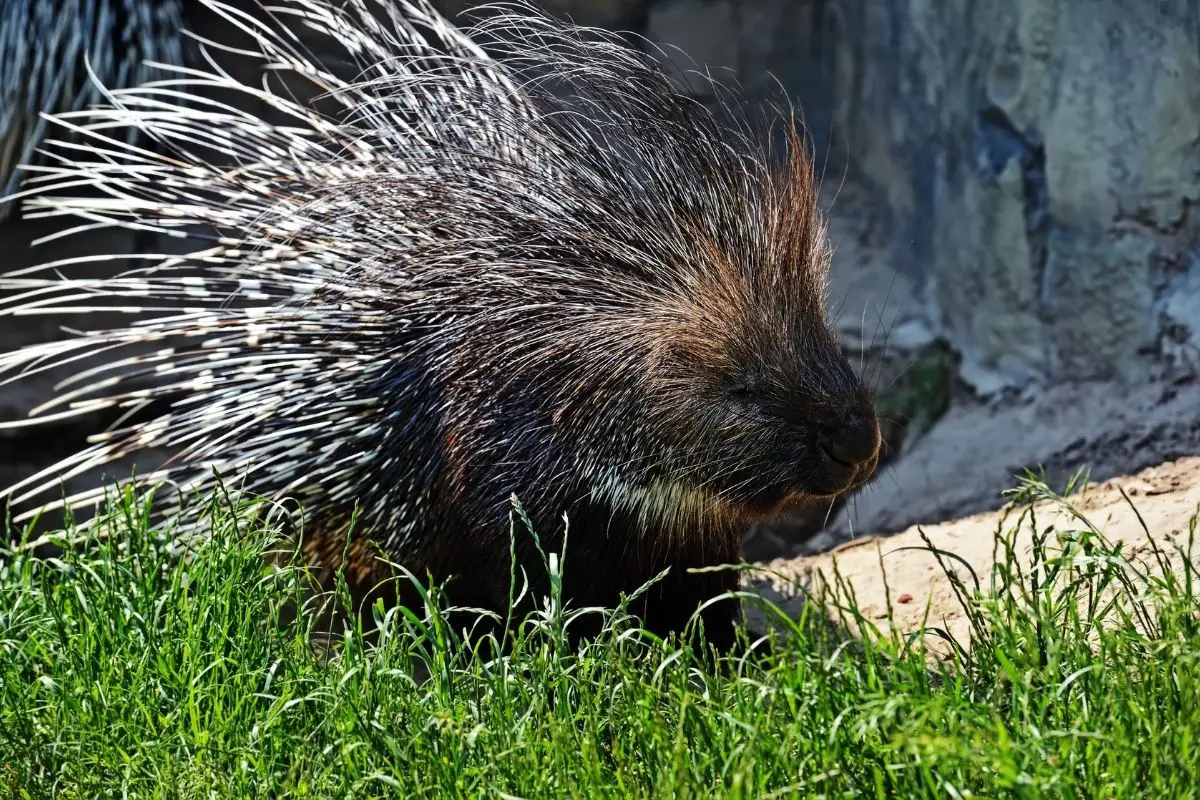
A portrait of porcupine on a sunny day.

Incisors on a porcupine never stop growing. This could become a problem if the porcupine doesn’t find a way to grind the teeth down to a manageable size. If they become too long, he won’t be able to eat. Being plant-eaters, the food a porcupine eats doesn’t do much in the way of helping to grind the teeth down.

This is why you often find porcupines gnawing on tree bark. In addition to tree bark, porcupines will gnaw on deer antlers that have fallen off in the winter. In addition to helping grind the teeth to a manageable size, the antlers help provide salt and other minerals that the porcupine needs to be healthy.

Porcupines can also be found munching on boat oars and other wooden objects around the camps of humans. They seem to be particularly attracted to things that are covered in human sweat. This is most likely because the sweat contains salt, which is something that all porcupines crave and will actively seek out.

Orange Teeth?

Porcupine showing his orange teeth.

Something that may surprise you if you happen upon a porcupine is that they are bright orange in color. This is because the teeth contain a high amount of iron oxide that makes up the enamel. Not all rodents have this color, but porcupines do share this trait with beavers.

The mineral iron that makes up the enamel allows the coating of the teeth to become stronger than if the coating contained the traditional magnesium that makes up most teeth enamel.

This allows the porcupine to … Read the rest of the story.

What Do Porcupines Like to Do?

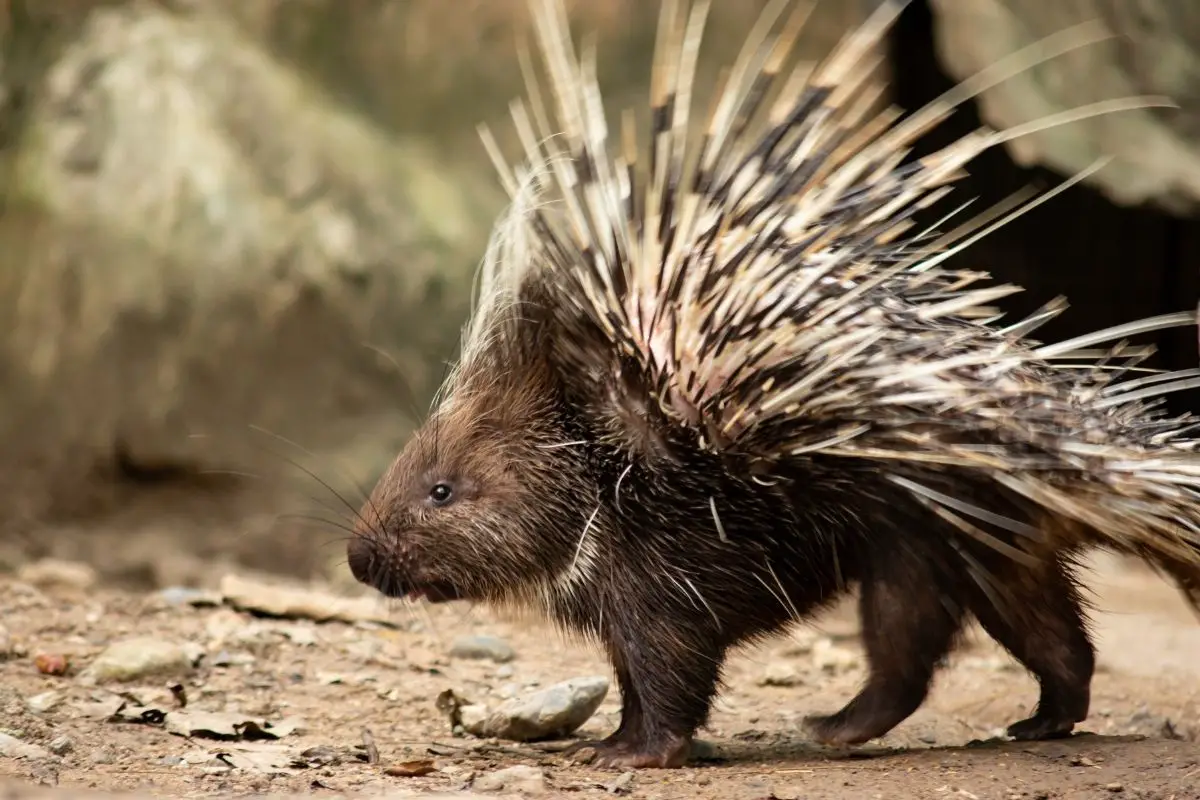
Portrait of indian porcupine in the wild.

Even though porcupines are best known for their sharp quills, there’s more to these rodents than meets the eye! Porcupines are nocturnal creatures, which means they’re mostly active at night. During this time, it’s common to see porcupines foraging for food, munching on grass, or even climbing trees!

You might also find a porcupine in the water! While porcupines might not look like natural swimmers, their quills are actually filled with air that helps make them more buoyant. Swimming gives porcupines access to a wider range of food sources and can also help them to escape from predators.

What Do Porcupines Like to Eat?

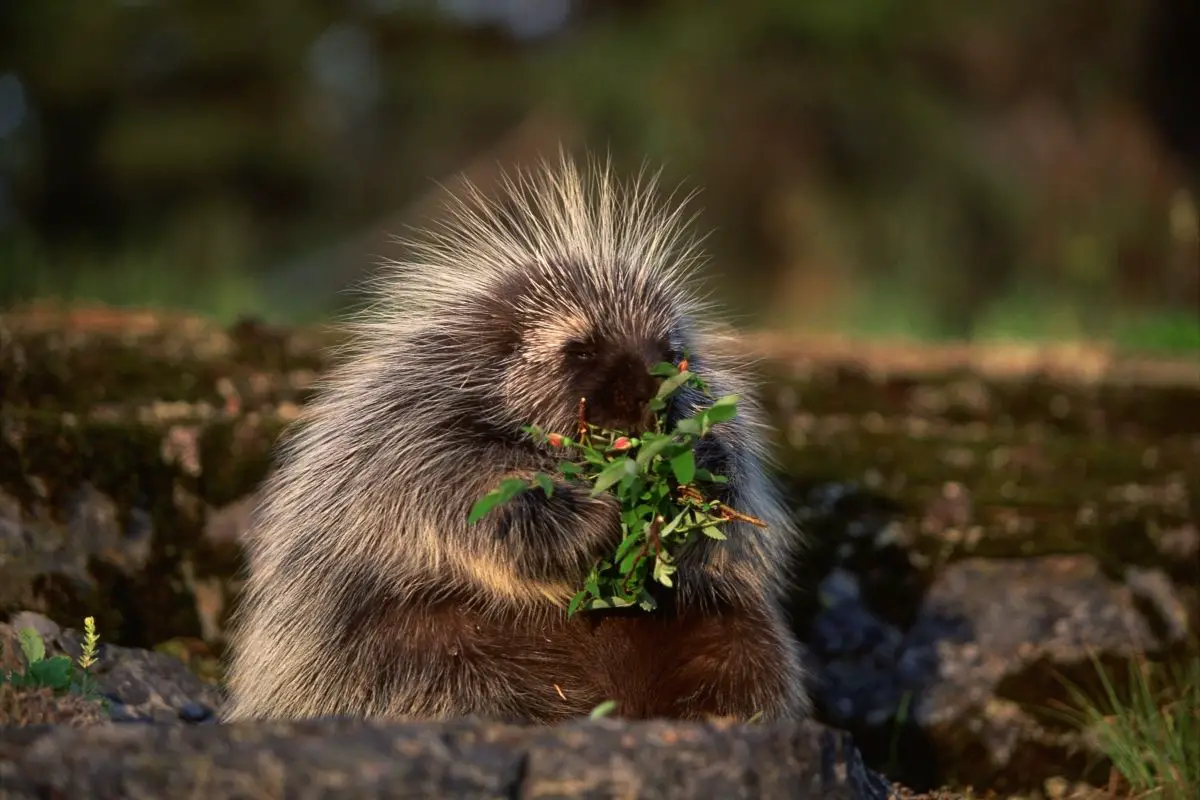
A porcupine actively eating plants in the field.

Porcupines are herbivores, which means they primarily eat plants. While their diets can vary based on the season, some of the foods they enjoy include grass, stems, bark, nuts, and fruit.

Although porcupines mostly eat food that they find scattered on the ground, they’ll pull branches, bark, and leaves from trees when they need more to eat.

When they’re in the water, porcupines seek out water plants, such as water lilies and arrowheads. Since the predators that are a threat to porcupines primarily live on land, swimming skills help to ensure that porcupines always have access to food when they need it. Porcupines that are kept in captivity may enjoy a wider range of foods.

Maggie, one of the Brookfield Zoo’s animal specialists, says that porcupines have the chance to try many different treats. “We like to offer animals all kinds of enriching items so that they can explore different things and get new items in their diet,” she says. “Every once in a while [our porcupines will] get new exciting items, like a piece of sugarcane.”

Are There Different Types of Porcupines?

A threatened North American porcupine.

There are more than 50 different porcupine species worldwide. These species belong to two different families: Old World and New World porcupines. These families vary in a number of ways.

Old World Porcupines

Species in this family are native to Africa, Asia, and Italy. They’re round, stout, and have flattened quills. These porcupines tend to be much larger than species in the … Read the rest of the story.

Can Porcupines Float in Water? How?

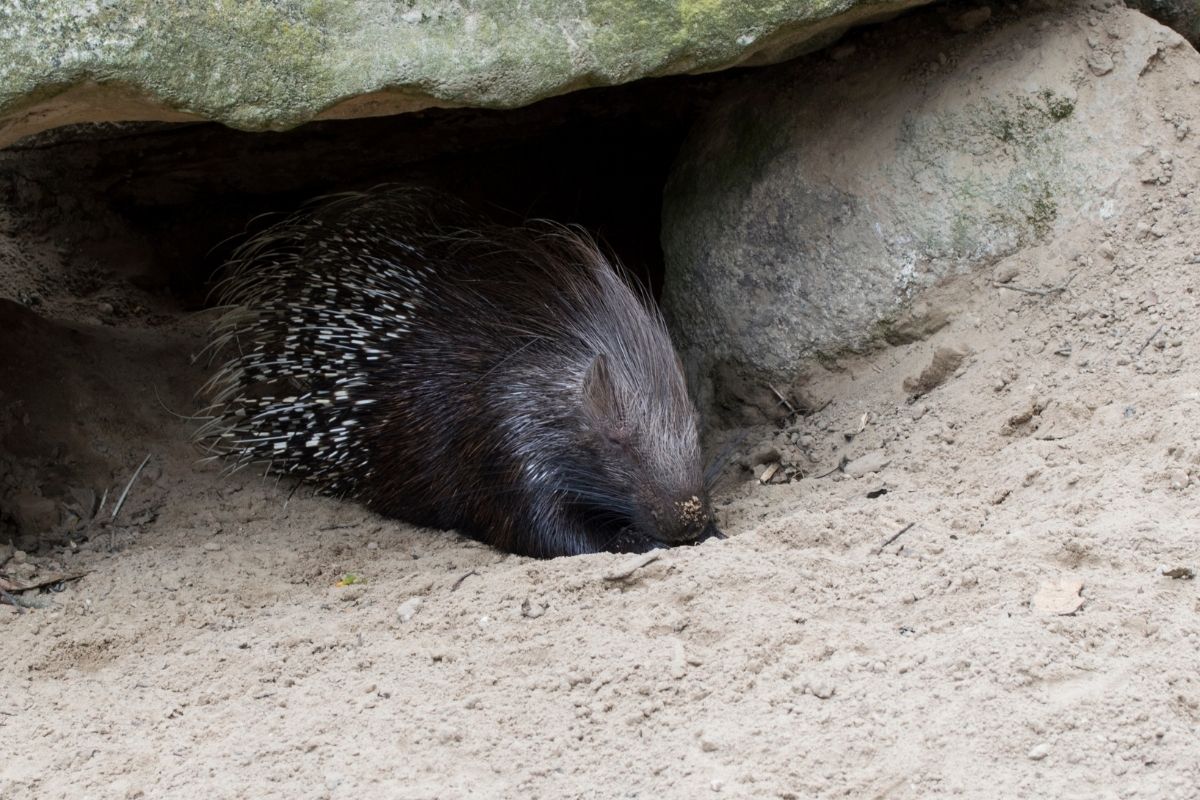
Porcupine animal resting in sand.

Porcupines are great swimmers. That is, some breeds of them are. The North American porcupine, the crested porcupine, and the brush-tailed porcupines all love swimming!

You can go for a walk in a wooded area and probably wouldn’t be surprised to come across a porcupine nibbling on leaves or berries. Having one fall out of a tree might surprise you for a minute, but you wouldn’t think it out of place.

However, can you imagine walking along a beach or taking a swim and coming across one of these prickly critters passing you? It just might happen.

The Nature of Porcupines

Young baby porcupine climbing on a log.

Porcupines live in many different areas but normally stick with areas where they can climb trees or find roots and other small areas to hide in. While they have great protection with all those quills, these animals are by nature very docile and prefer not to fight. On land, they are clumsy and slow.

Normally, they are satisfied with the food they can find where they live. Like humans, however, they may get cravings for a certain delicacy that can only be found in water and they will set off to find it. In the water, they are quite agile and move quickly.

How Porcupines Swim

A Himalayan porcupine with his feet submerged in water.

The average porcupine has over 30,000 quills covering its back, legs, and tail. Each of these quills is actually hollow inside and very lightweight. The hollow space is filled with air and this allows the quills to float.

With so many attached to the porcupine’s body, they work like little life jackets and keep it afloat. It probably doesn’t hurt that their little round bodies would also lend themselves to buoyancy! Once the porcupine is afloat, it can use its paws like a dog paddling in the water.

This moves him ahead and helps him control the direction he wants to head in.

Why Porcupines Swim

It is possible that some porcupines just like being in the water. It can cool them in the summer and they are less likely to be bothered by predators. We haven’t found one that can … Read the rest of the story.

How Fast Can Porcupines Run?

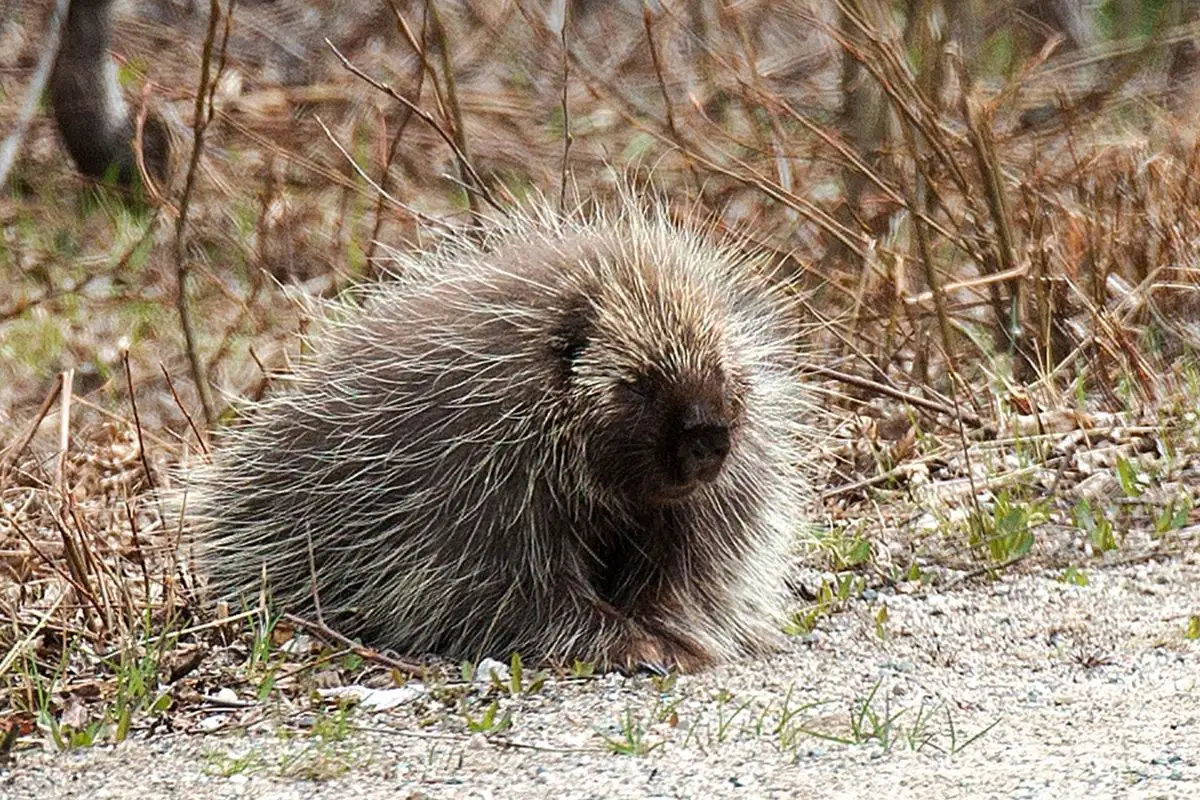
Wild porcupine crossing a grave path in Eastern Idaho.

Porcupines are defined as rodents for all intents and purposes. However, there are also incredibly interesting creatures in that they live interesting lives and have at least some interaction with the human world. People sometimes want to know a few facts about porcupines that have been burning inside their minds since they first heard about these creatures.

They are interested in learning more about them because they are so fascinating in many respects. To help better understand all that we possibly can about them, we must first begin by asking the right types of questions. For example, how fast can porcupines run?

What Is The Top Speed For A Porcupine?

A cute porcupine walking along.

You might not think of porcupines as being much into running. Indeed, this creature prefers to walk or remain in place for long periods of time as it looks around for food sources. They are not known for being natural runners, but they will bolt if they feel that they are in danger in some way.

Many porcupines may run when they see humans because they are fearful about what a human may do to them. Porcupines have been clocked at a top speed of six miles per hour. This is not very fast by human standards, but given their size and the size of their legs, it is just about the best that a porcupine can do under the circumstances.

Again, they are not particularly designed for speed, so it makes some sense that porcupines are not known for having top-notch speeds when they run from potential predators.

All of that said, porcupines are able to get away from some predators when they are threatened. They wouldn’t have survived for as long as they have if it weren’t for the fact that they have learned how to get away when danger is upon them.

Other Defensive Measures

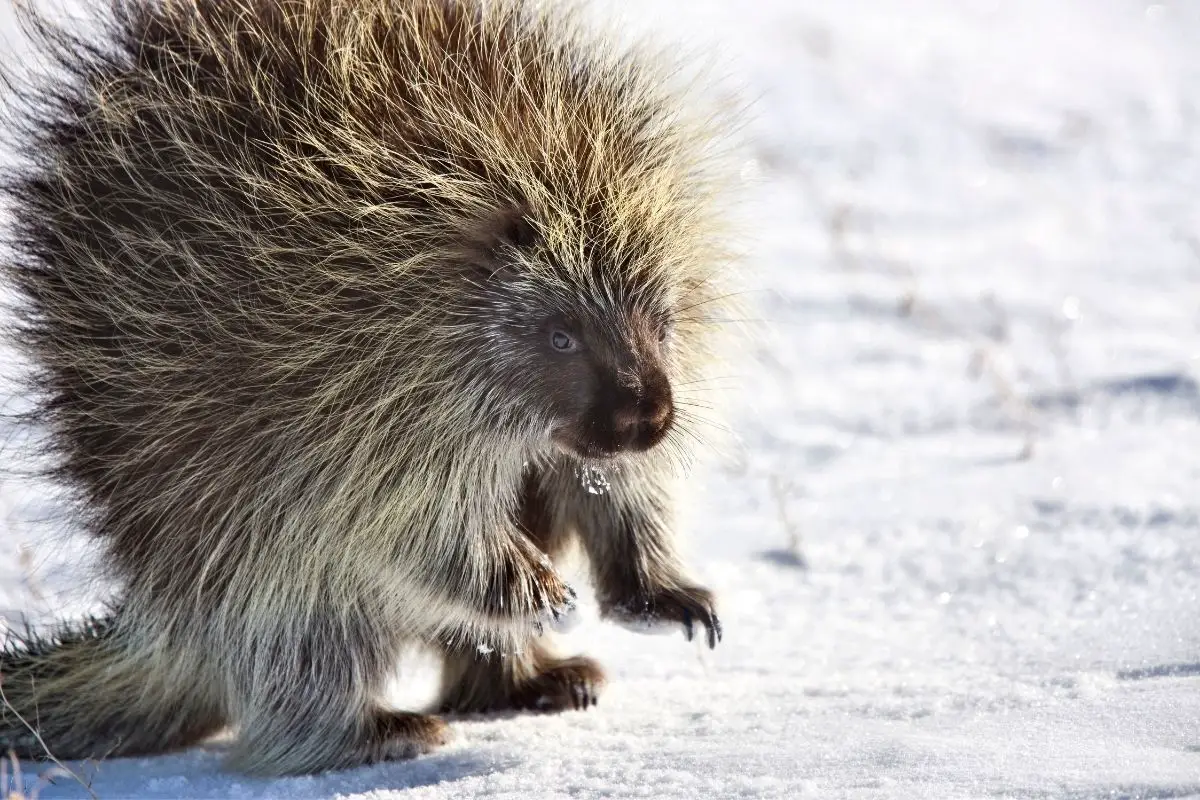
A defensive pose of an adult porcupine in snow field.

Porcupines are less known for their running abilities and more known for the quills that are on their back. This is a defensive measure that porcupines have against predators who may want to do them harm. Their quills are quite sharp … Read the rest of the story.

Do Porcupines Regrow Quills?

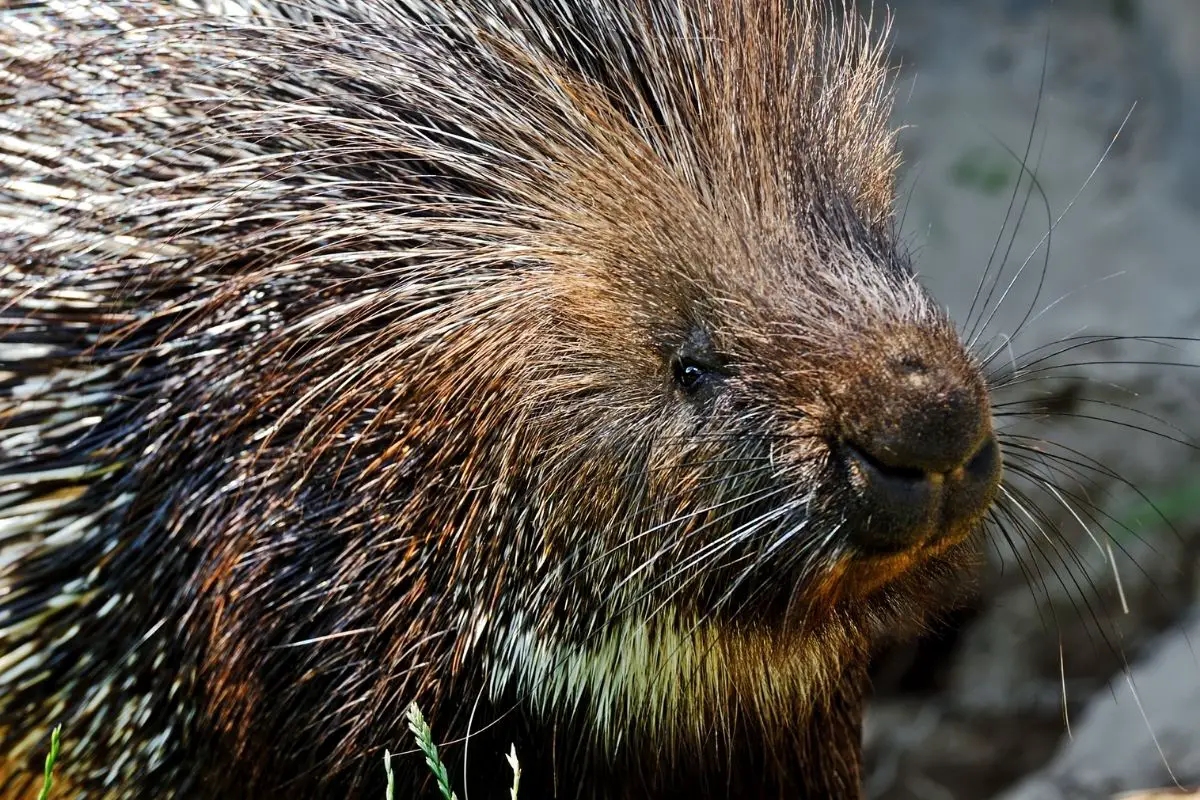
A sleepy Porcupine on a green grass.

Porcupine quills are always growing. They are made of a material very similar to our hair and nails, so they would actually become way too long for the short, round little critter to navigate if old ones didn’t naturally fall out and grow back.

Porcupine quills are very interesting, so let’s take a look at how they work and how the porcupine doesn’t only use them for defense.

How Porcupine Quills are Structured

A threatened Malayan porcupine spreading his quills.

Porcupines are born with soft quills that harden within a few hours or days as the quills are exposed to air. The quills are actually modified hairs that are covered with keratin, much like human nails. They are loosely attached to the back, legs, and tail and are mixed  with underfur, bristles, and guard hairs.

Each quill consists of 700-800 minute overlapping barbs that work like fish hooks when they attach to the skin. Different breeds of porcupines have different sized quills with the longest being a foot long! The porcupine has over 30,000 of these at any given time.

When the quills come into contact with something, they attach to the object and the backwards barbs keep them from falling out. As time goes on, they continue to work their way deeper into the flesh and can cause infection. The quills can sometimes embed themselves at a rate of one inch per day.

The quills are mainly hollow. Because of this, the porcupine is able to float on water. Not all porcupines like to swim, but many enjoy the ability to eat in peace, away from predators and they enjoy the delicacies of water plants they can’t find on land.

Not the First Line of Defense

A Himalayan porcupine on a wet surface.

The gentle porcupine doesn’t automatically attack with its quills. They will try to waddle away, but are often much slower than whatever is bothering them. The porcupine’s quills normally lie flat and muscles just under the skin allow him to raise them straight up.

Often, this will make him look two to three times his normal size. The little animal will then make a chattering noise by vibrating his … Read the rest of the story.

Do Porcupines Climb Trees?

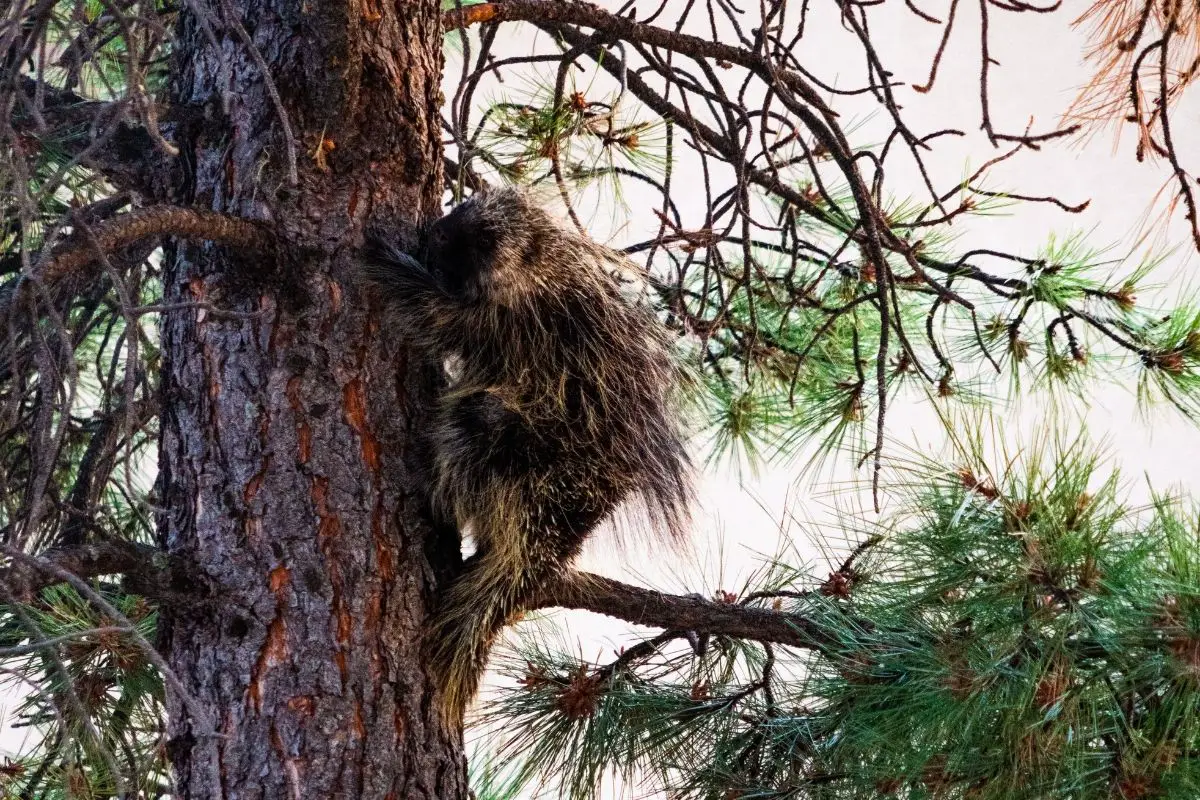
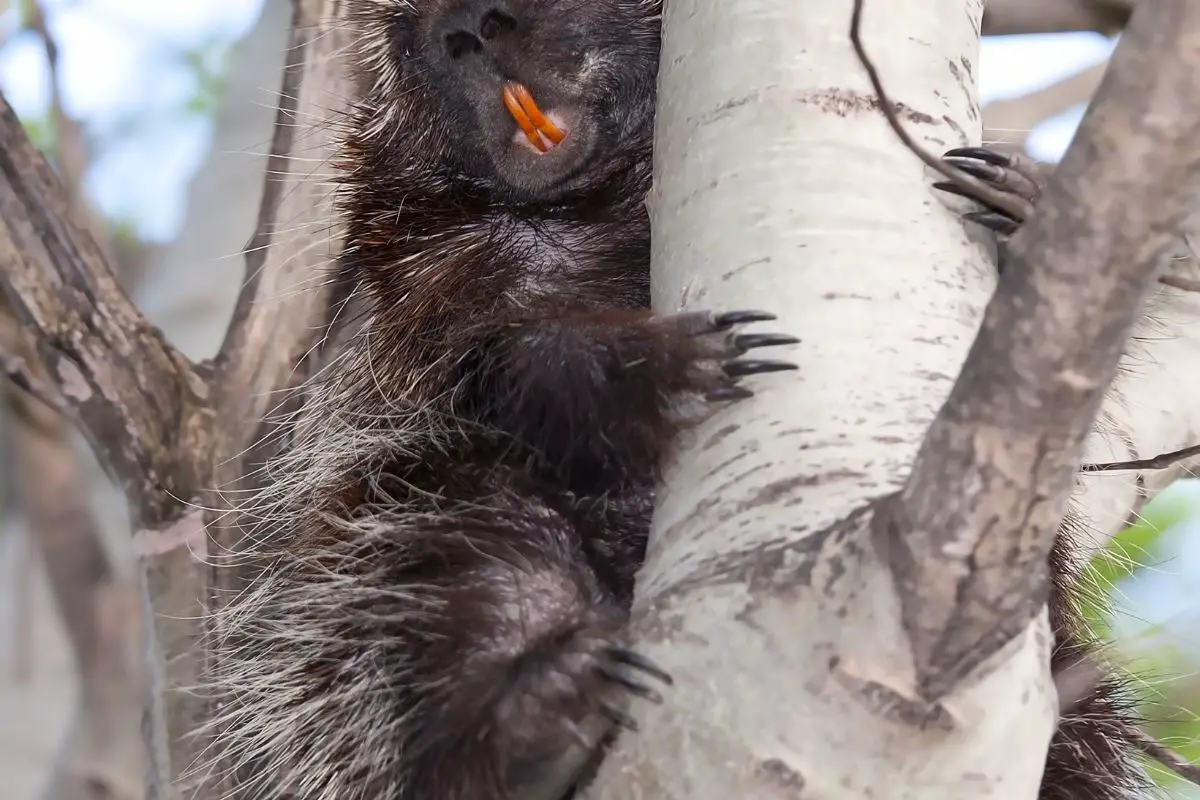
Porcupine climbing tree in the forest of Colorado.

Porcupines are best known for the long, sharp quills they use for defense against predators. Up to 30,000 of these hollow-point weapons cover the North American porcupine. While they can’t shoot their quills, they do have some superpowers: porcupines can swim, sing, dance, and yes, even climb trees!

What is a porcupine?

North American tree porcupine erethizontid resting on a tree branch.

Odds are you know the silhouette of this iconic creature. Perhaps you’ve also heard that it’s name means “thorny pig.” But did you know that it’s actually the second largest member of the rodent family?

(The number one title belongs to…the beaver!). Porcupines can grow to be two to three feet long and weigh more than 20 pounds!  A thick cover of quills, made of keratin like our hair or fingernails, covers their backs.

They also have sharp claws on both their front and hind legs that are excellent for climbing. Their strong, prehensile tails can also be used to stabilize their bodies and even to grip branches as they climb!

What do porcupines eat?

Porcupine eating a strips of plants and leaves.

Porcupines are herbivores, and consume a wide range of plant parts, from nuts, seeds, and fruits to leaves, grasses, roots, and stems. The low-slung, lumbering porcupine struggles to navigate the deep snow in winter, so tree climbing is a useful skill for finding food. Evergreen trees are a favorite snack, and porcupines will eat the bark, twigs, buds, and needles.

In fact, porcupines can feed so heavily on a single tree that they destroy it (which is not so great if the tree is in your yard!) “Hello, critter control? I have a porcupine infestation!”

Joking aside, a desire for salt in their diet can lead porcupines to munch on wooden tool handles and canoe paddles that have picked up salt from sweaty hands. Porcupines will even gnaw on outhouses because of the salt content in urine.

Where do porcupines live?

Porcupine enjoying its surrounding.

There are 29 porcupine species living across the globe, but only one that lives in North America (territorial much?). Despite this, porcupines are social creatures: a group of them is called (appropriately enough) a prickle.

From Mexico and the … Read the rest of the story.

12 Things You Didn’t Know About Wolves

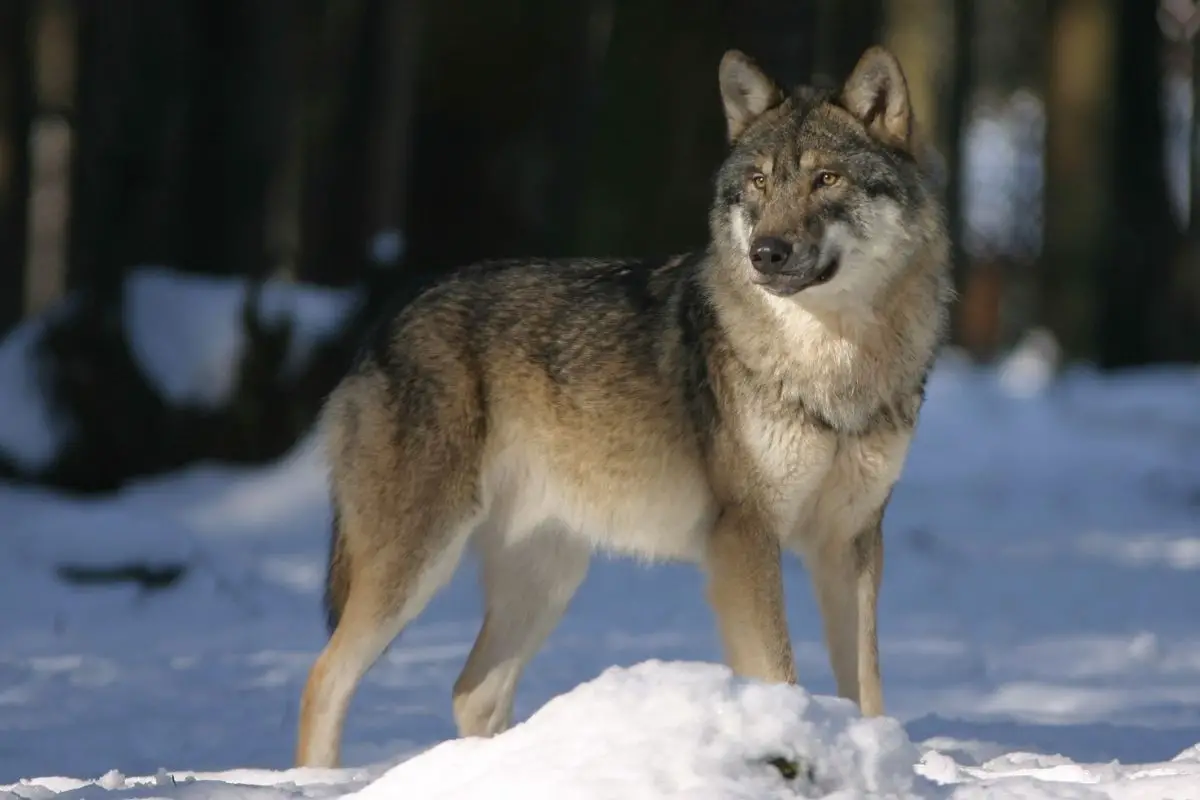
A confused reaction of a wolf during winter.

There are some things you might not know about wolves. For example, did you know that they sometimes like to swim? They also like to play and can be very friendly animals.

Learning more about wolves can be fun and interesting, so if you get a chance, make sure to check out some of the top 10 facts about them!

1. Wolves are not afraid of water

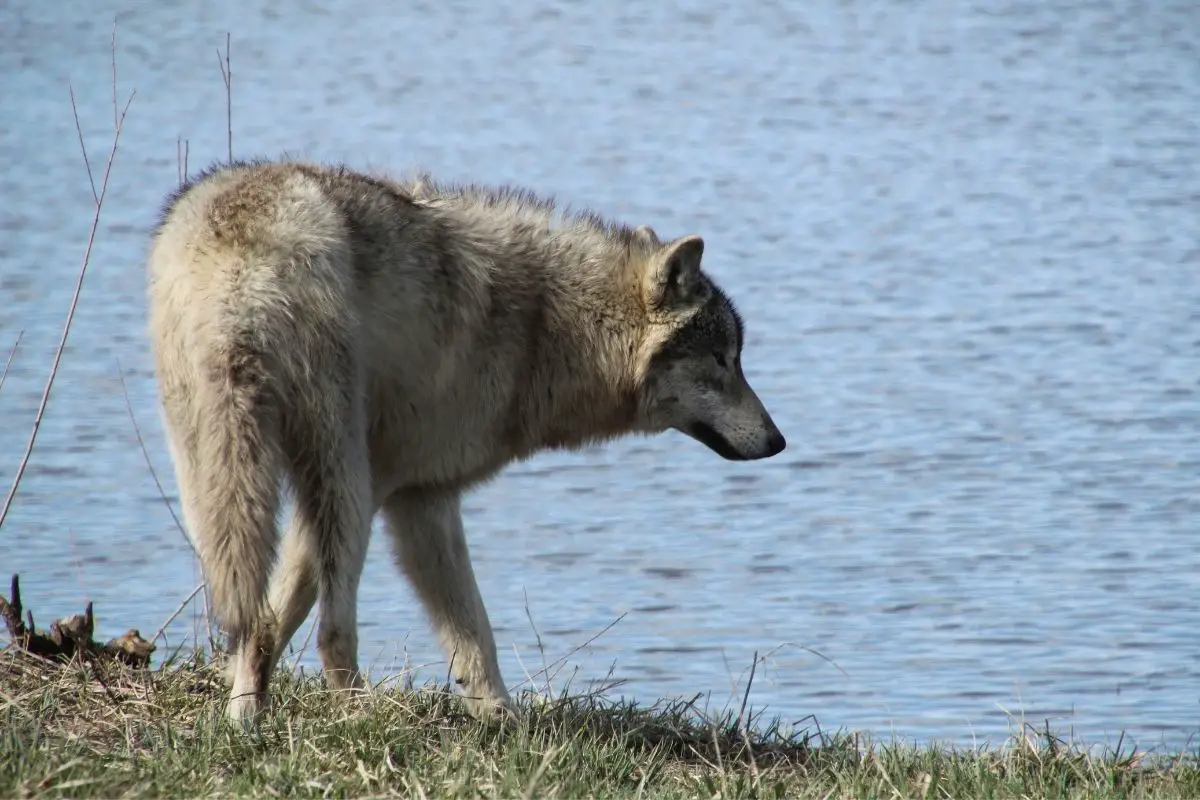
Gray wolf beside the lake.

While it is true that some wolves may be afraid of swimming, this is not always the case. In fact, many wolves enjoy swimming and will even go out of their way to find bodies of water to play in. Wolves are known to live in frozen or semi-frozen wooded areas, which means they are also good swimmers.

They use their swimming skills to help them catch prey that may be trying to escape by crossing a river or lake.

2. Wolves are very social animals

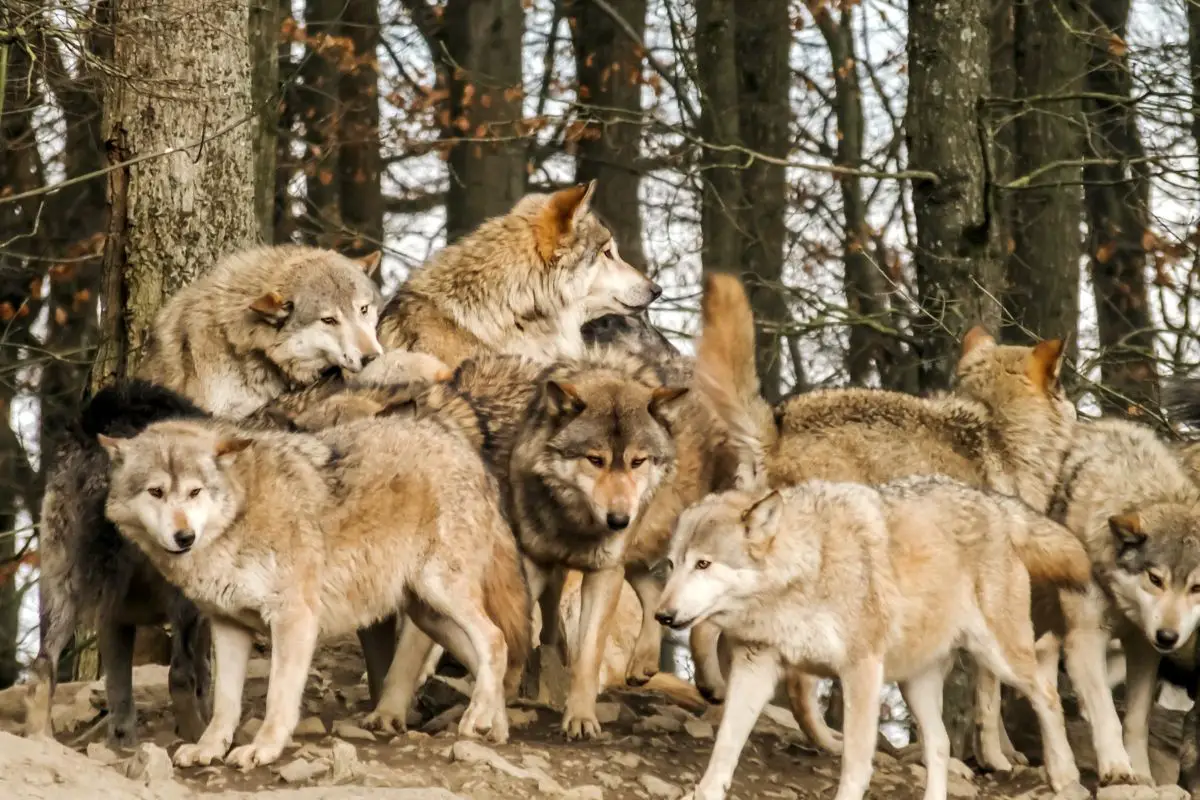
A group of wolves in the forest.

Wolves live in packs of anywhere from two to over 30 individuals. The pack is led by the alpha male and female, who are usually parents of the wolves in the pack. All members of the pack help to care for the young pups, and will defend them from predators or other threats.

Wolves are very loyal to their pack mates and will often stay with the same group for their entire lives.

3. Wolves have excellent hearing

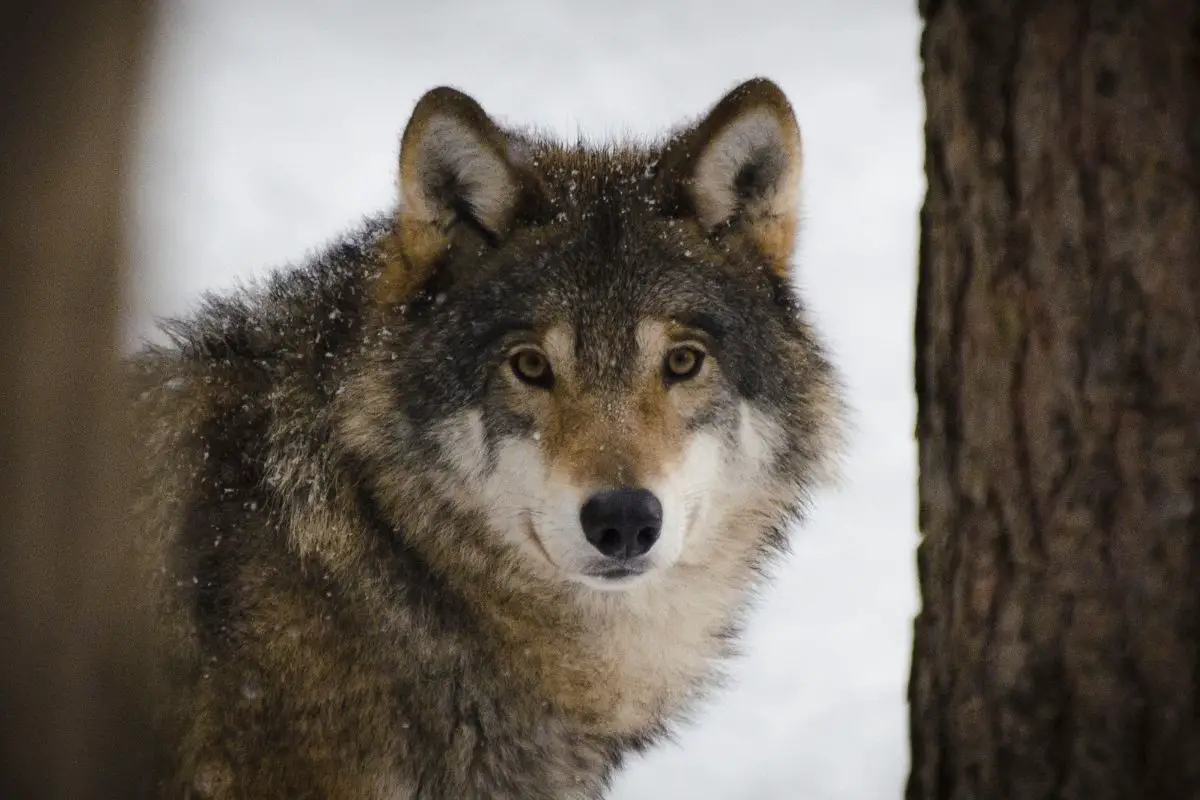
A close-up photo of wolf in winter.

Wolves have much better hearing than humans. They can hear sounds up to six times farther away than we can. This is helpful for them when they are hunting, as they can use their keen hearing to locate prey that may be hiding or trying to escape.

It also helps them to stay aware of potential dangers, such as other predators or approaching humans.

4. They can swim up to 8 miles in a day

Wolves are very good swimmers and can cover a lot of ground in water. They have been known to swim up to 8 miles in a day while hunting. This is a great way for them to catch prey that may be trying … Read the rest of the story.

What is the Smallest Animal in the Amazon Rainforest?

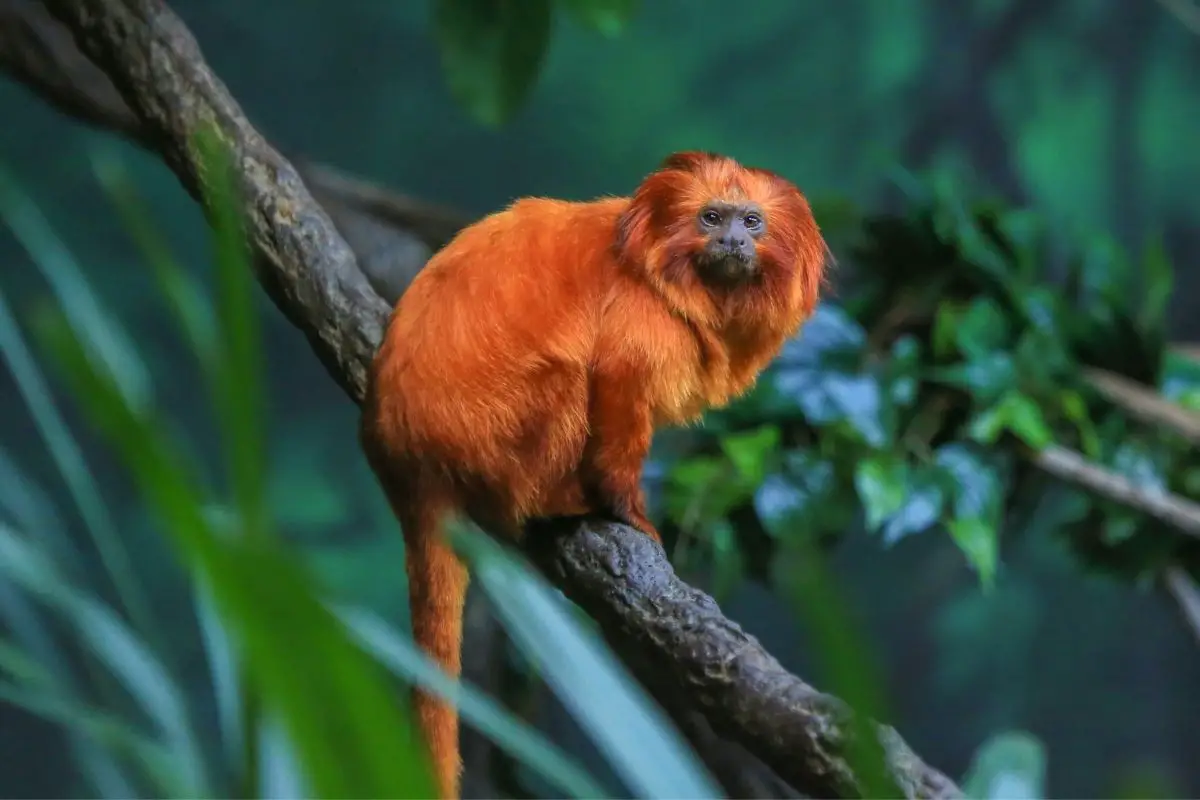
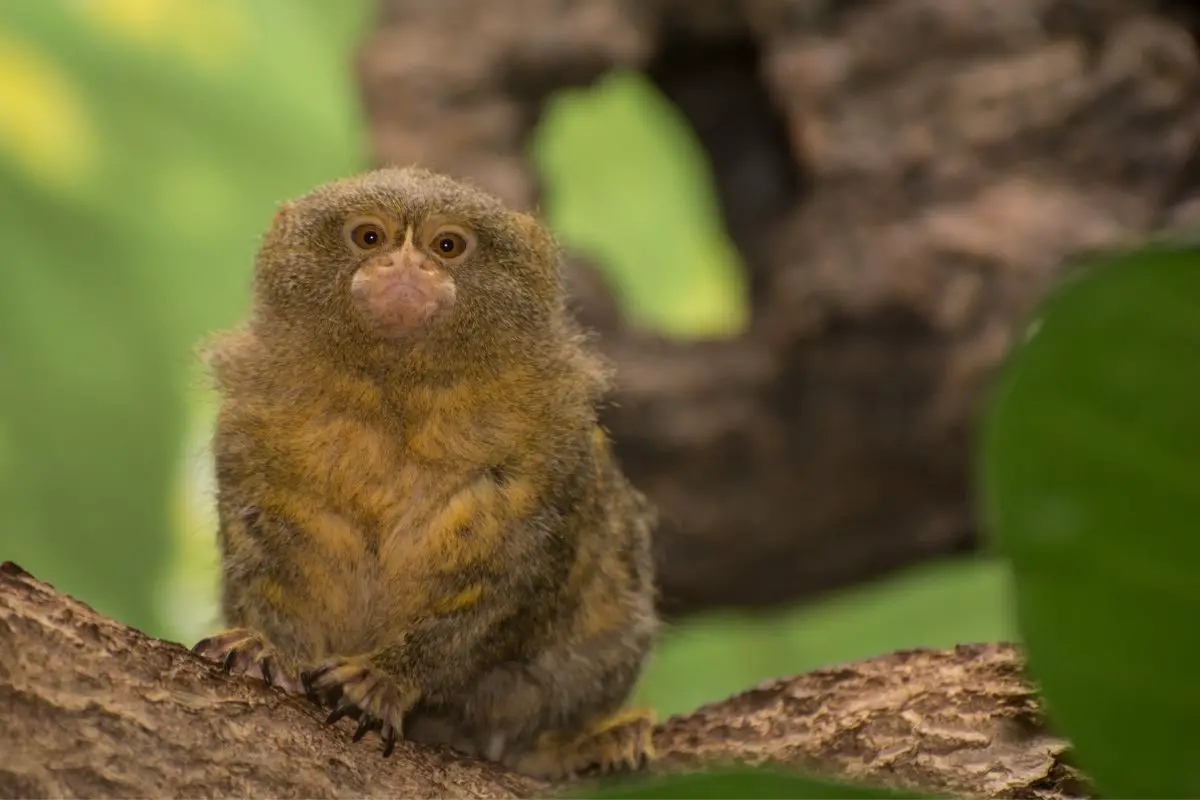
Golden lion tamarin resting on a tree branch.

The smallest animal living in the Amazon Rainforest is a small canopy jumping monkey known as the pygmy marmoset. Also known as the dwarf monkey, thumb monkey, or pocket monkey, this tiny creature can move up to 12 miles per hour and be highly aggressive. However, the pygmy marmoset’s appearance makes it seem cute.

The Amazon Rainforest is home to more than 427 mammal species, newly discovered each year. For now, the pygmy marmoset is the smallest known mammal living in the Amazon forest. I’ve always wondered what these tiny creatures were like as their videos popped up online.

They always seem cute and pet-like, making them enjoyable to learn about. So, I’ll teach you what I’ve learned about this species and how they survive the harsh Amazon Rainforest.

What is the Pygmy Marmoset?

A cute little pygmy marmoset climbing in a tree.

The Pygmy Marmoset belongs to the Cebuella genus family and is native to the rainforests of the western Amazon Basin located in South America. It’s one of the smallest primates and weighs just over 100 grams. As a comparison, they weigh similar to that of a soap bar.

Its physical stature includes a head-body length up to 152 mm and a long tail that extends up to 229 mm. The Pygmy Marmoset also has a fur color of brownish-gold, grey, and black and may have species of yellow, orange, and tawny underparts. Some standout characteristics include a black ring around its tail, a face with white flecks, and a vertical line between its eyes.

Another characteristic that sets this monkey apart is that it’s been adapted to survive the harsh environment. One adaption is that it can rotate its head up to 180-degrees, which can help it stay alert.

Aside from that, the Pygmy Marmoset has sharp claw-like nails called tegulae that help it cling to trees and also collect food. These claws are similar to insect-like claws and can be used for claw-clinging behaviors and foraging.

Lastly, the small monkey possesses enormous strength and can leap up to 16 feet from branch to branch.

Pygmy Marmoset Behavior

A close-up of a pygmy marmoset resting on a tree branch.

The Pygmy Marmosets often live in … Read the rest of the story.

What are Edible Animals in the Amazon Rainforest?

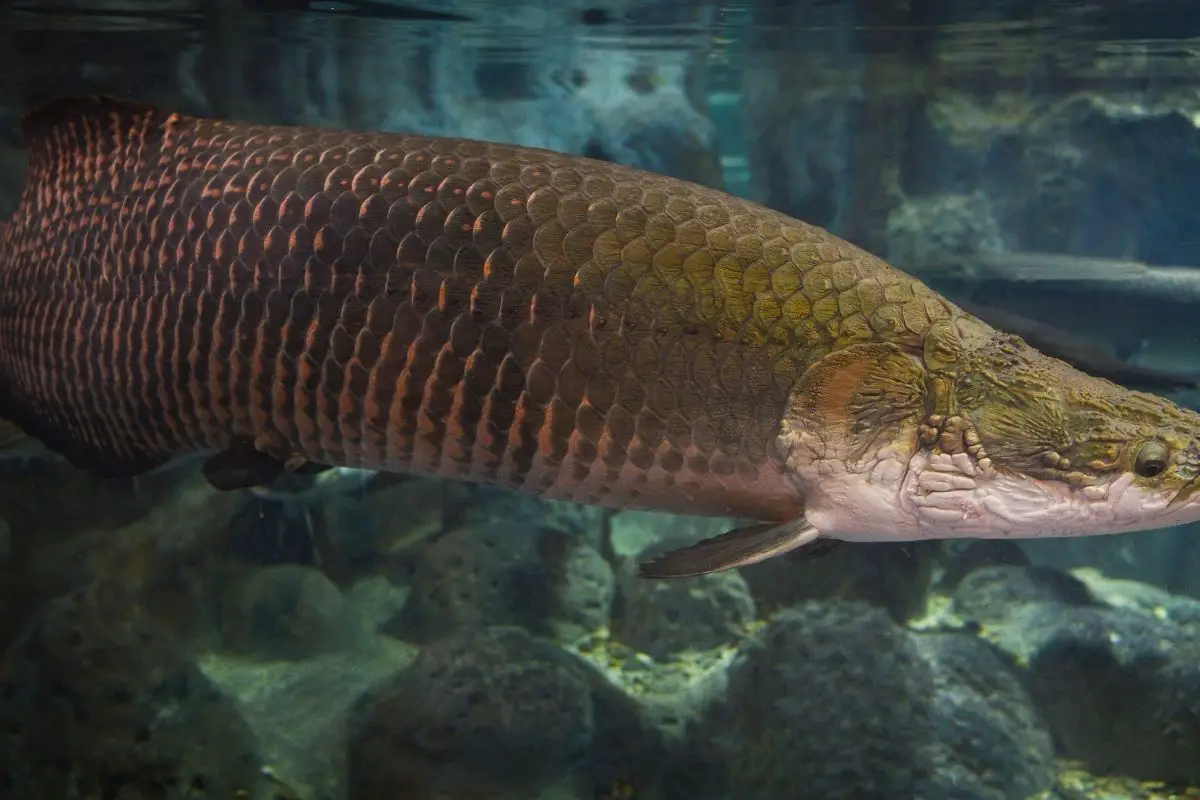
A giant aquatic fish under clear water.

What animals are edible in the Amazon rainforest depends on how hungry you are and your situation. If you survived a plane crash and had little chance of being rescued, you might be willing to eat things that you would not if you were adventure hiking for a weekend. There is also a difference between edible and eatable.

Edible means it can be eaten without harm to the person. There may be things that are too disgusting or too difficult to eat. Here are some animals you could eat in the Amazon rainforest, and you have to use your imagination as to whether that means eatable.

Fish

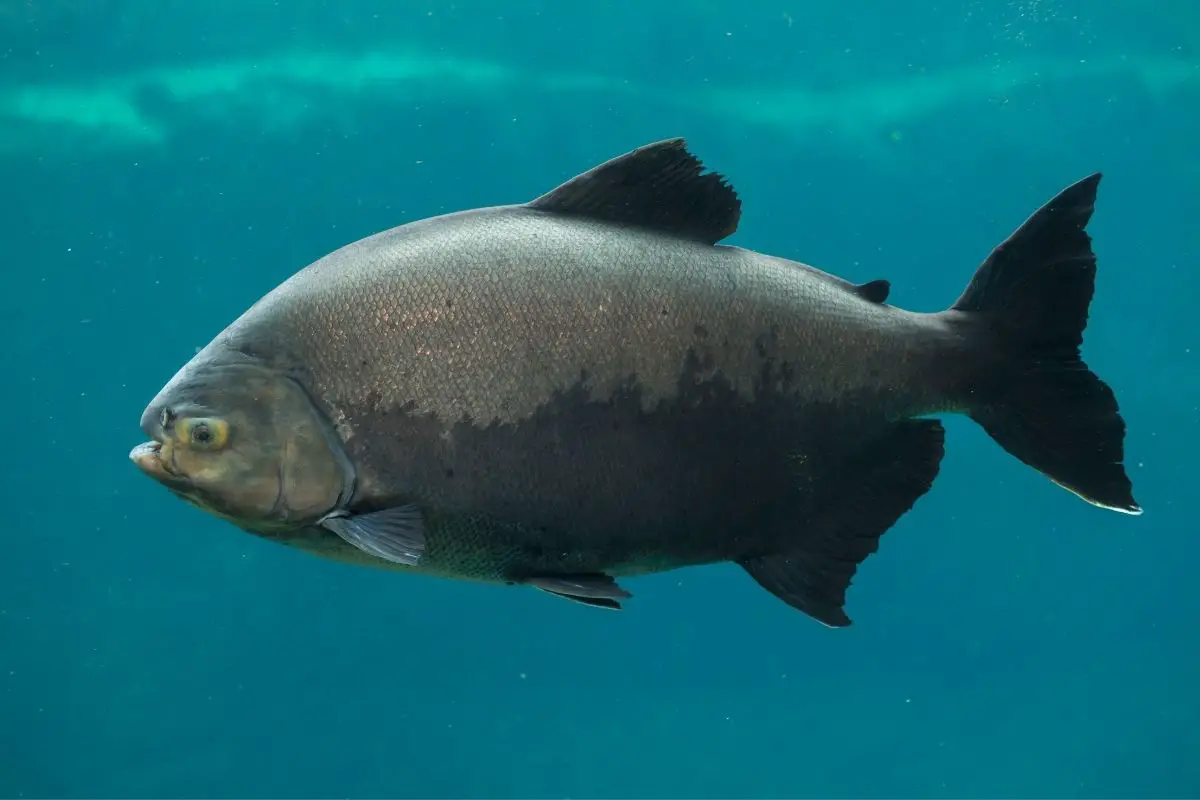
A high-quality shot of Giant Pacu in a blue ocean.

Paiche is the second largest freshwater fish in the world. It is a very tasty fish and restaurants as far away as Canada offer it on their menu. These fish can get to seven-feet long.

They are slowly becoming endangered due to overfishing, but there are ethical ways to eat Paiche. It has a firm substance and can be cooked by any means you can think of. Tambaqui is a fish that eats fruit and seeds and is widely regarded as one of the best-tasting fish in the entire world.

They can get very big, up to three feet long, and are relatively common along rivers. Piranha has a reputation for being a nasty, dangerous fish. Their reputation is overblown, and they are edible.

There are several species of piranha, and some are more popular than others.

Other fish

If you happen to be stranded or lost, you might be willing to eat any fish you can catch. Nearly all fish can be eaten, but not many taste as good as Paiche. You can catch fish at night along a river even if you don’t have any fishing gear.

The website Survive offers this tip for catching fish at night. It describes how to make a torch first. “They are attracted by the light sources, taking the torch near the water surface the fish will approach, take advantage of the time to hit them with a wood weapon, when they have been … Read the rest of the story.