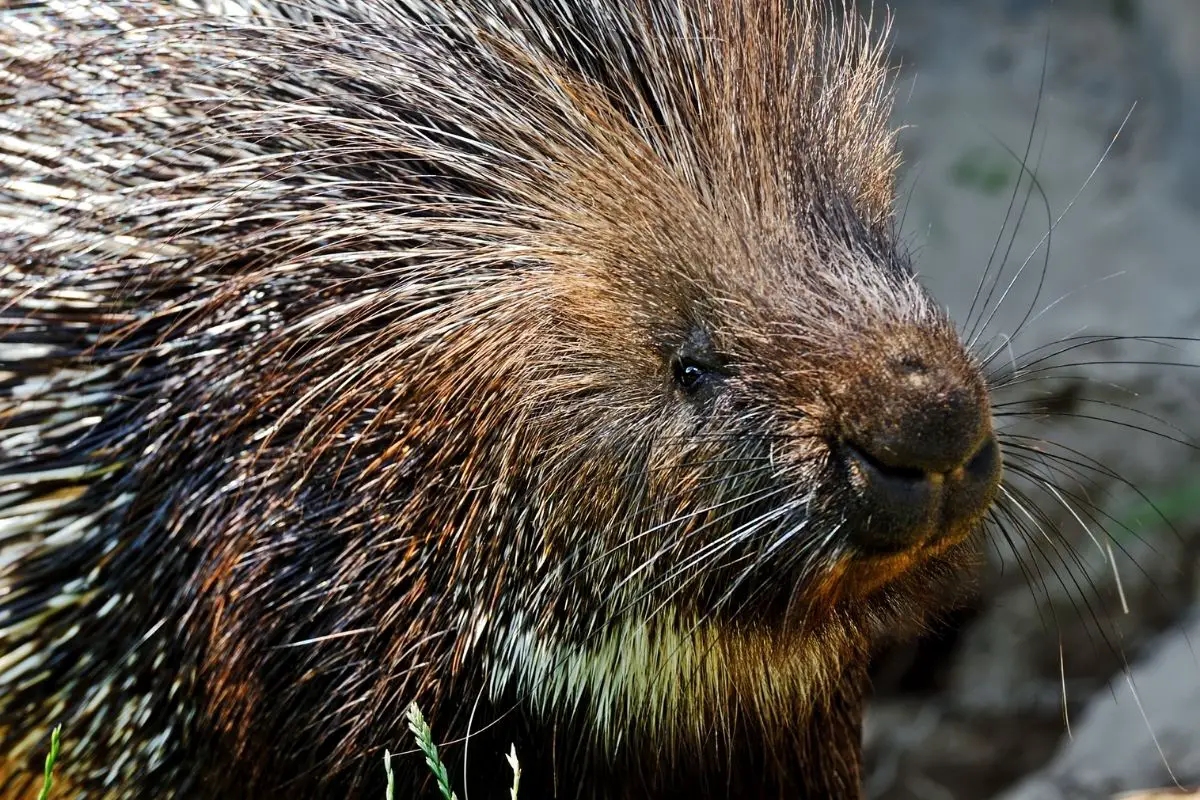
Even though porcupines are best known for their sharp quills, there’s more to these rodents than meets the eye! Porcupines are nocturnal creatures, which means they’re mostly active at night. During this time, it’s common to see porcupines foraging for food, munching on grass, or even climbing trees!
You might also find a porcupine in the water! While porcupines might not look like natural swimmers, their quills are actually filled with air that helps make them more buoyant. Swimming gives porcupines access to a wider range of food sources and can also help them to escape from predators.
What Do Porcupines Like to Eat?
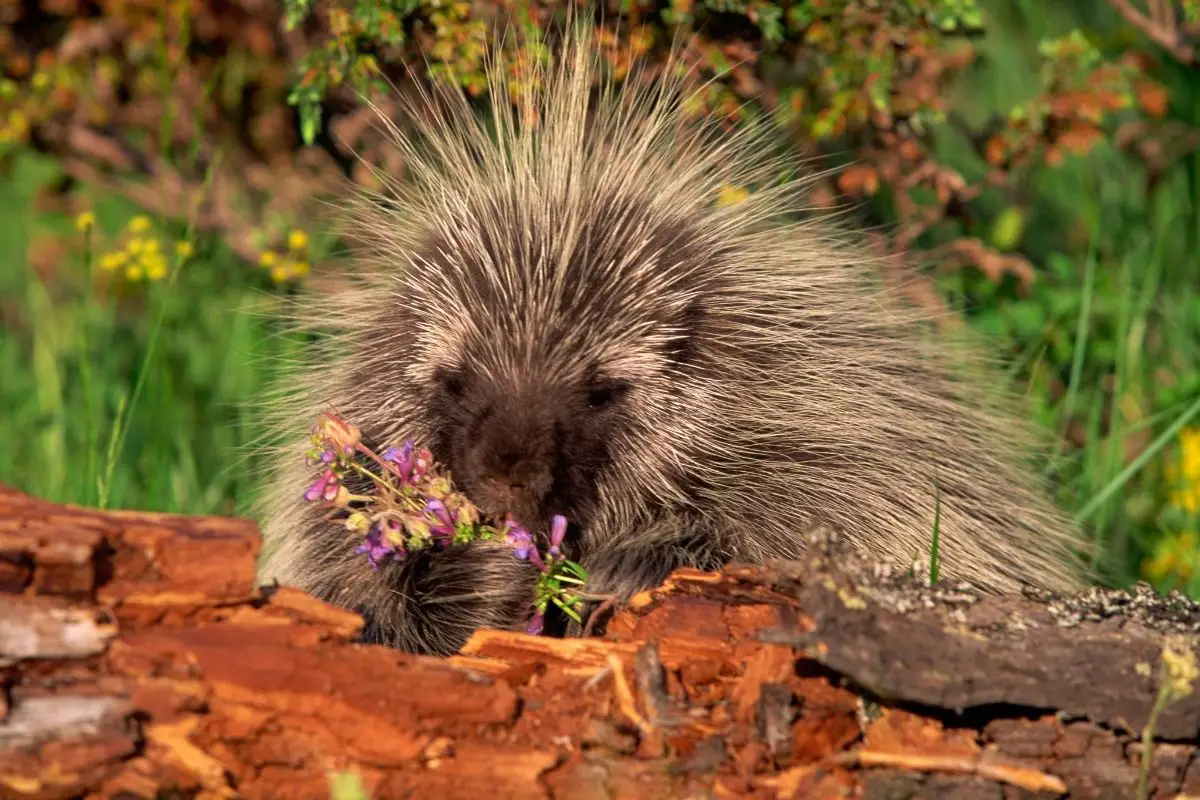
Porcupines are herbivores, which means they primarily eat plants. While their diets can vary based on the season, some of the foods they enjoy include grass, stems, bark, nuts, and fruit.
Although porcupines mostly eat food that they find scattered on the ground, they’ll pull branches, bark, and leaves from trees when they need more to eat.
When they’re in the water, porcupines seek out water plants, such as water lilies and arrowheads. Since the predators that are a threat to porcupines primarily live on land, swimming skills help to ensure that porcupines always have access to food when they need it. Porcupines that are kept in captivity may enjoy a wider range of foods.
Maggie, one of the Brookfield Zoo’s animal specialists, says that porcupines have the chance to try many different treats. “We like to offer animals all kinds of enriching items so that they can explore different things and get new items in their diet,” she says. “Every once in a while [our porcupines will] get new exciting items, like a piece of sugarcane.”
Are There Different Types of Porcupines?
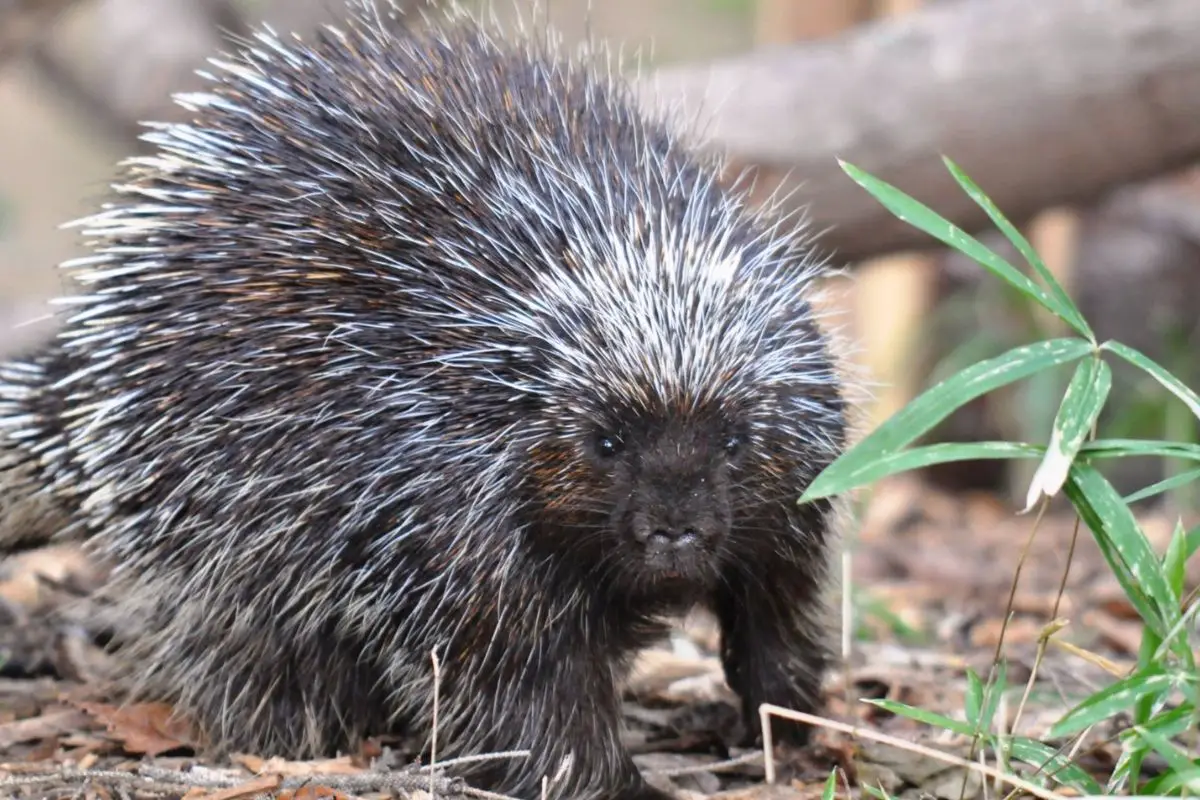
There are more than 50 different porcupine species worldwide. These species belong to two different families: Old World and New World porcupines. These families vary in a number of ways.
Old World Porcupines
Species in this family are native to Africa, Asia, and Italy. They’re round, stout, and have flattened quills. These porcupines tend to be much larger than species in the … Read the rest of the story.

No comments:
Post a Comment