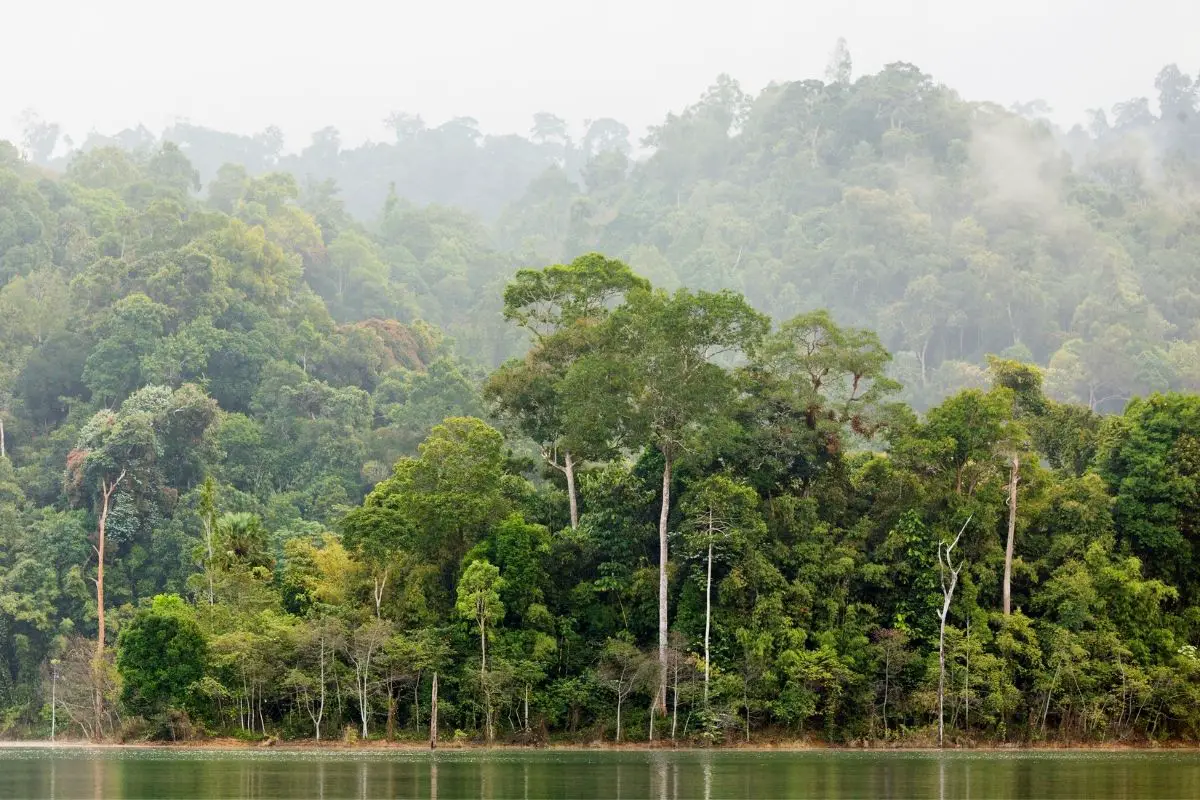
One of my favorite facts about rainforests is that they’re cornucopias of life. According to worldrainforestday.org, rainforests contain about 50% of all terrestrial biodiversity. But, how many rainforests are there to be able to harbor such a considerable amount of ecosystems?
Well, scientists don’t usually refer to the number of rainforests in the world per se. Instead, they talk more about the amount of rainforest coverage in the world.
Tropical Rainforests Vs. Temperate Rainforests
This article talks about how many tropical rainforests there are in the world. However, tropical rainforests are only one type of rainforest. Rainforests are mainly divided into tropical and temperate rainforests.
Both tropical and temperate rainforests are located between the Tropic of Cancer and the Tropic of Capricorn. Rainforests are found on every continent, with the exception of Antarctica.
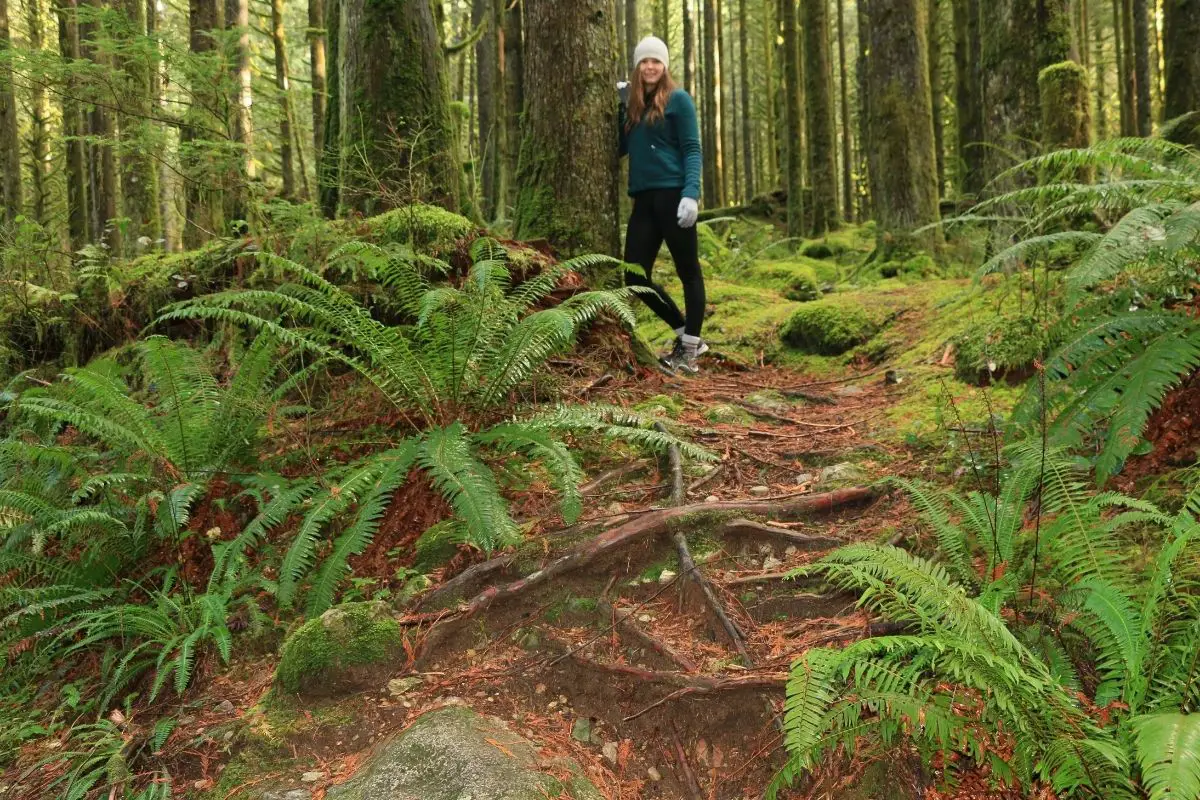
The main difference between tropical and temperate rainforests is that tropical rainforests are located closer to the equator, where the temperatures are warmer. On the other hand, temperate rainforests are found to the north and the south of the equator, along the cooler coastal regions. In addition, temperate rainforests have less biodiversity and receive fewer inches of rain per year.
For a rainforest to be classified as such, it must receive 60-80 inches of rainfall each year. Generally, a rainforest is defined as a forest that gets a lot of rainfall. In fact, it rains throughout the year in the tropical rainforest, and the environment is always hot and moist.
Another characteristic of rainforests is the four distinct layers.
- Emergent layer. Emergents are the tall, giant trees that grow above the general canopy. Their height ranges from 70 to 100m.
- Canopy layer. The canopy layer is the largest part of the rainforest, and the trees here also grow to be very tall. The canopy layer overlaps so much it creates a roof over the forest that prevents sunlight from reaching the forest floor.
- The understory. The understory is a humid and damp level made up of smaller plants and trees, such as vines and palms. These plants have adapted to environments where there’s little

No comments:
Post a Comment