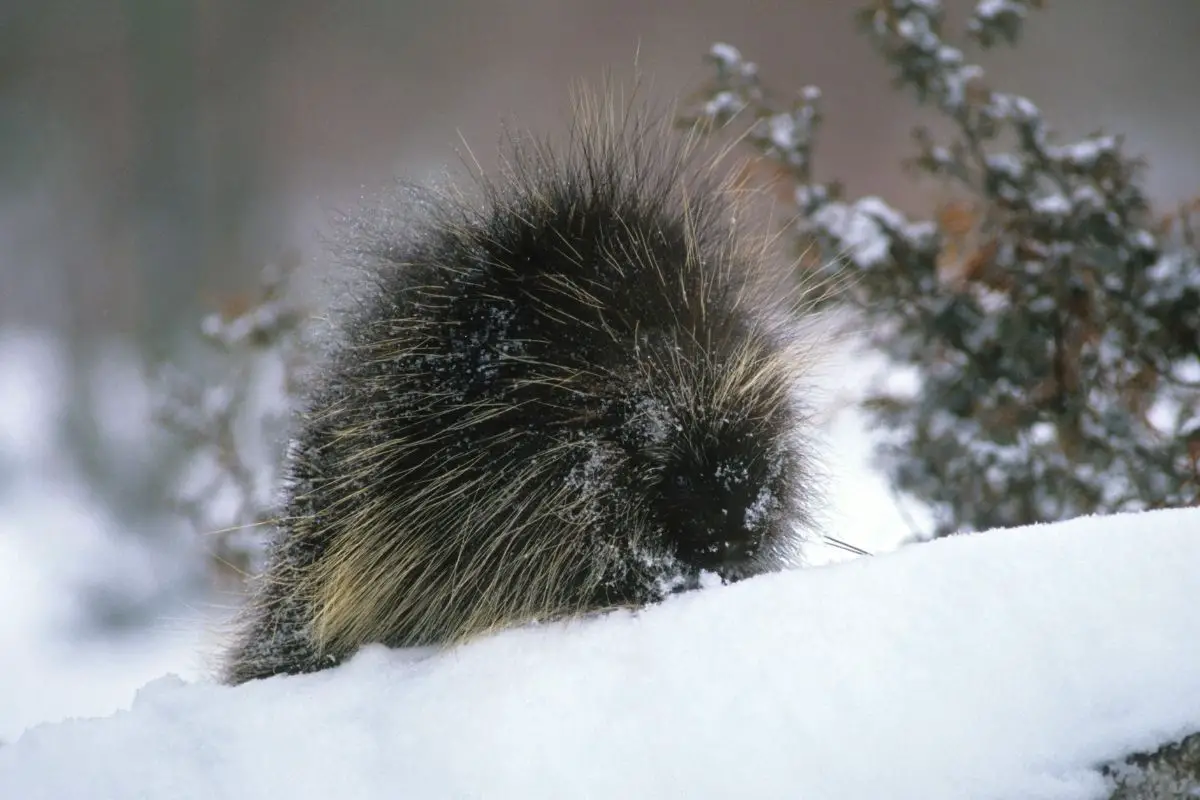
Porcupines don’t hibernate, so they need to prepare for cold months, especially since they can be found in places that get very cold in the winter, such as Alaska. They start the winter with as much as half their weight being fat. With the knowledge of the warmer places to bed down, help from a thick undercoat, and this added fat, they can get through most winter conditions.
These prickly little critters have developed a complete routine to keep themselves warm. Let’s take a look.
Storing Fat
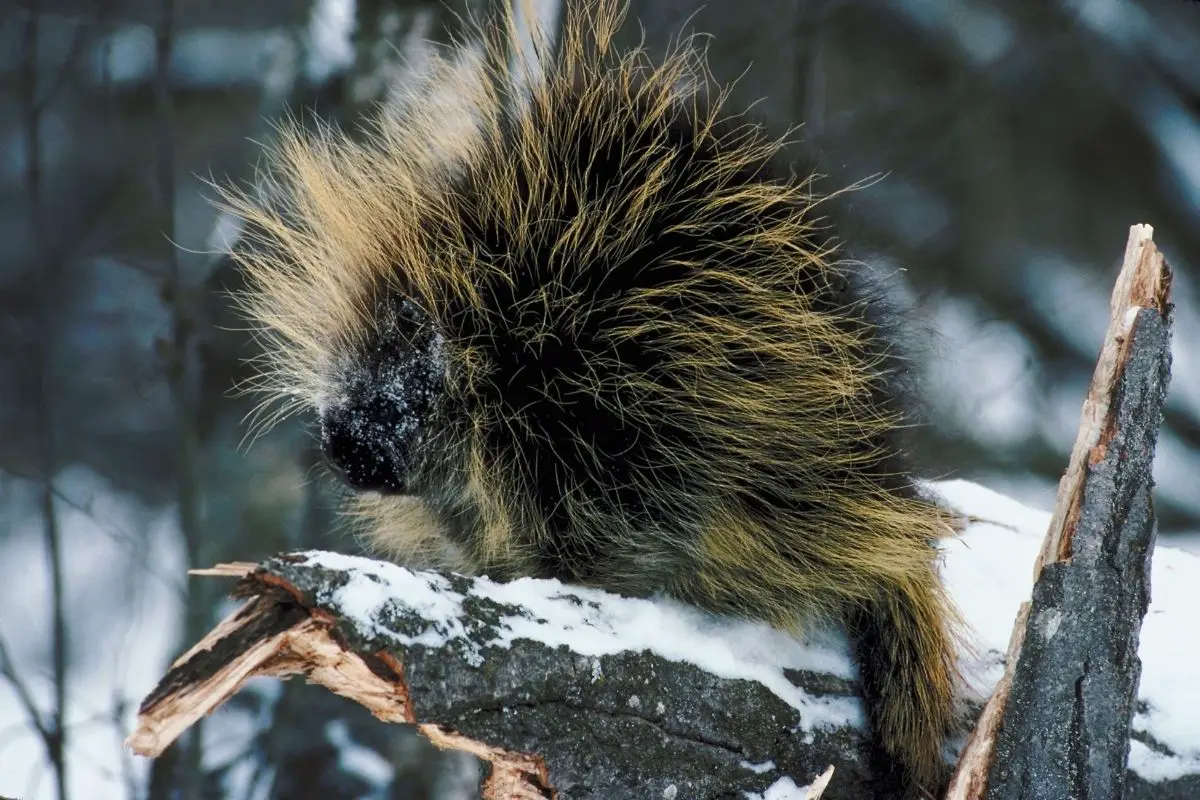
Biologist Jessy Coltrane spent time in Alaska studying the porcupines for a paper. She monitored several of these little creatures and made the discovery that at least fifty percent of the weight they carried going into winter was fat. Throughout the winter, they moved very little, reserving their energy and living off that stored fat when they were unable to get out to eat.
In order to reserve as much energy as possible, they moved very rarely and did sleep a lot.
Winter Coat
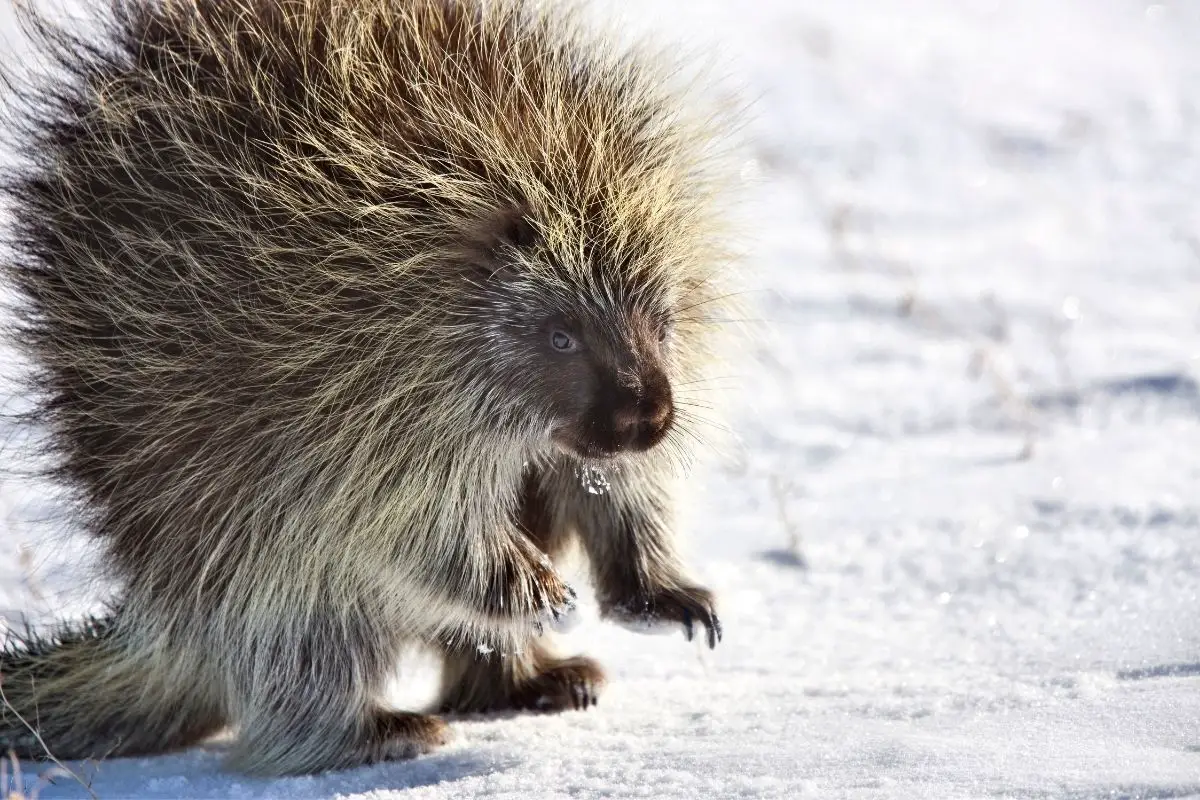
The coat is a porcupine and is multi-layered. It consists of a wooly undercoat that is made up of soft hairs. This coat is covered with coarse guard hairs that help protect the porcupine itself.
Then the areas of its back, tail, and sides are covered with quills, which are hollow, allowing for the air inside to be warmer from its body heat. Normally, the body temperature of a porcupine is that of humans, and scientists have discovered that both hot and cold temperatures don’t cause it to vary much because of this protection. In addition, many types of porcupines grow an additional layer of fur on the outside that looks like a wooly winter coat and adds protection from the cold.
Homebodies
Porcupines are very fond of living in trees but during the winter they seek out areas that can protect them from the wind, keeping them warmer. They have a preference for rocky ledges with crevices but will also utilize hollow trees or the deserted dens of beavers and other animals. For those who live further up … Read the rest of the story.

No comments:
Post a Comment