Pages

4 Different Types of Anteaters

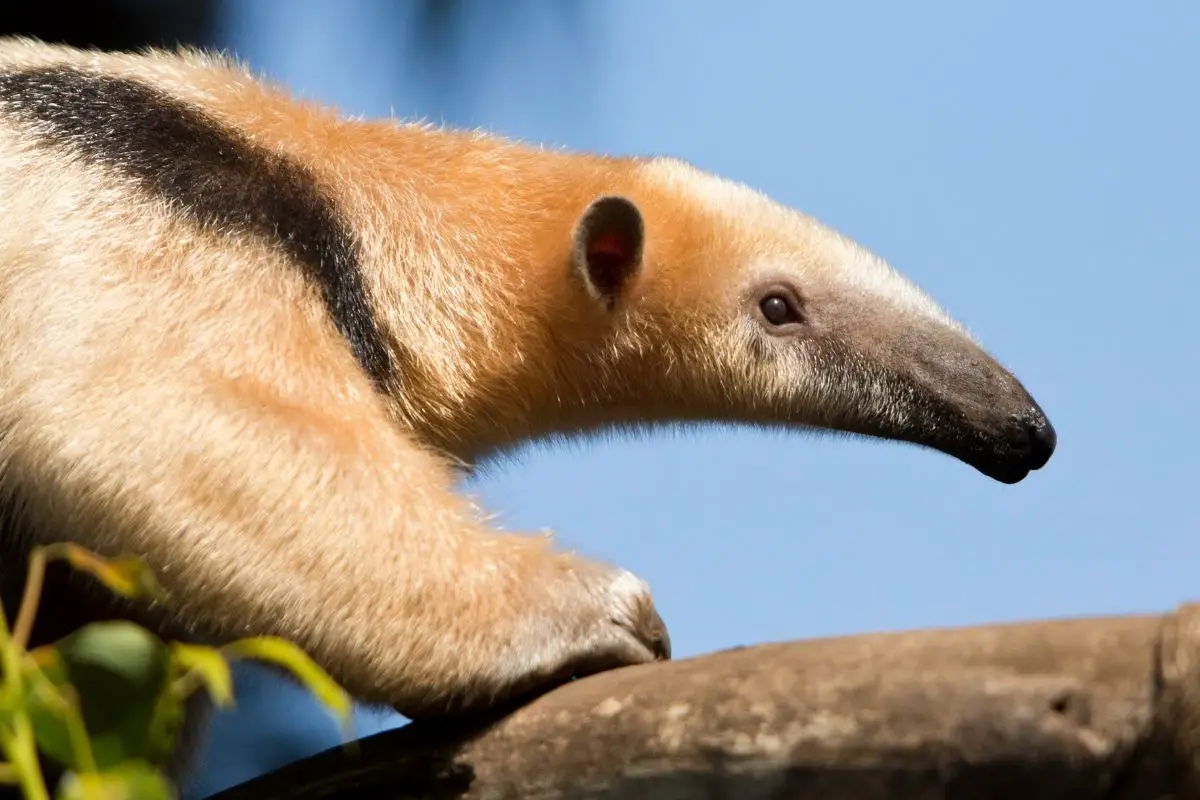
Right side view of a giant anteater walking on log with blue sky in background.

The anteater is a unique and fascinating animal unlike anything else found in nature. These large furry mammals may appear dangerous at first glance but are usually quite shy. Although they do have sharp claws that can be deadly if provoked, for the most part, they are not aggressive animals.

Anteaters have no teeth and instead feast on ants and termites using their large, flexible tongue. Many readers may be shocked to learn that not all anteaters are the same. There are actually four species of anteaters found in the wild.

Here is a look at the four types of anteaters and how they differ.

1. Northern Tamandua
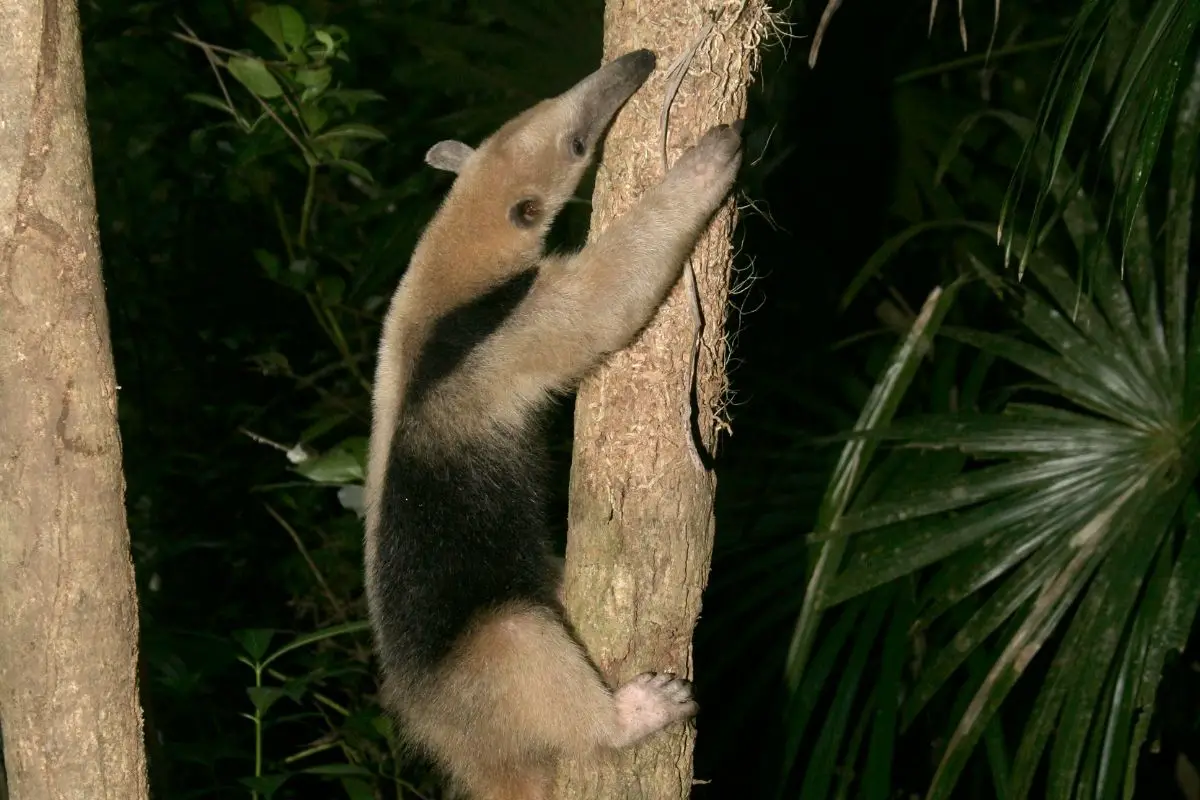
Northern tamandua single mammal climbing upwards.

Tamandua Mexicana, also known as the Northern Tamandua, is a medium-sized species of anteater known for its pale yellow fur, small eyes, and long snout. The northern Tamandua is a close relative of the Southern Tamandua, another type of anteater found in a different part of the world.

  • Natural Habitat: The northern Tamandua is known to inhabit forests, swamps, and grasslands in Southern Mexico, Central America, Columbia, Venezuela, Equator, and Peru. There are four separate subspecies of Northern Tamandua covering unique habitats.
  1. The T.m. Mexicana is native to Mexico, Guatemala, Belize, Honduras and El Salvador
  2. The T.m. Instabilis is native to Venezuela and northern Columbia
  3. The T.m. Opistholeuca is native to Nicaragua, Costa Rica, Panama, and parts of Columbia
  4. The T.m. Punensis is native to Ecuador and Peru

The northern Tamandua can be found in various types of forests within these regions, including mangrove swamps, evergreen, and deciduous forests, savannas, and thorn scrub. They are often found near rivers and streams and can live on the ground or in trees, and they will usually make a nest in a hollow tree, log, or hole in the ground.

  • Diet: The Northern Tamandua feasts primarily on ants and termites (where the name anteater comes from). They consume around 9,000 ants per day. They locate ant and termite colonies by the scent and use their sharp claws to disrupt the nest and suck up as many as possible. On occasion, they may consume tiny bits
Read the rest of the story.

8 Different Types of Deer Worldwide

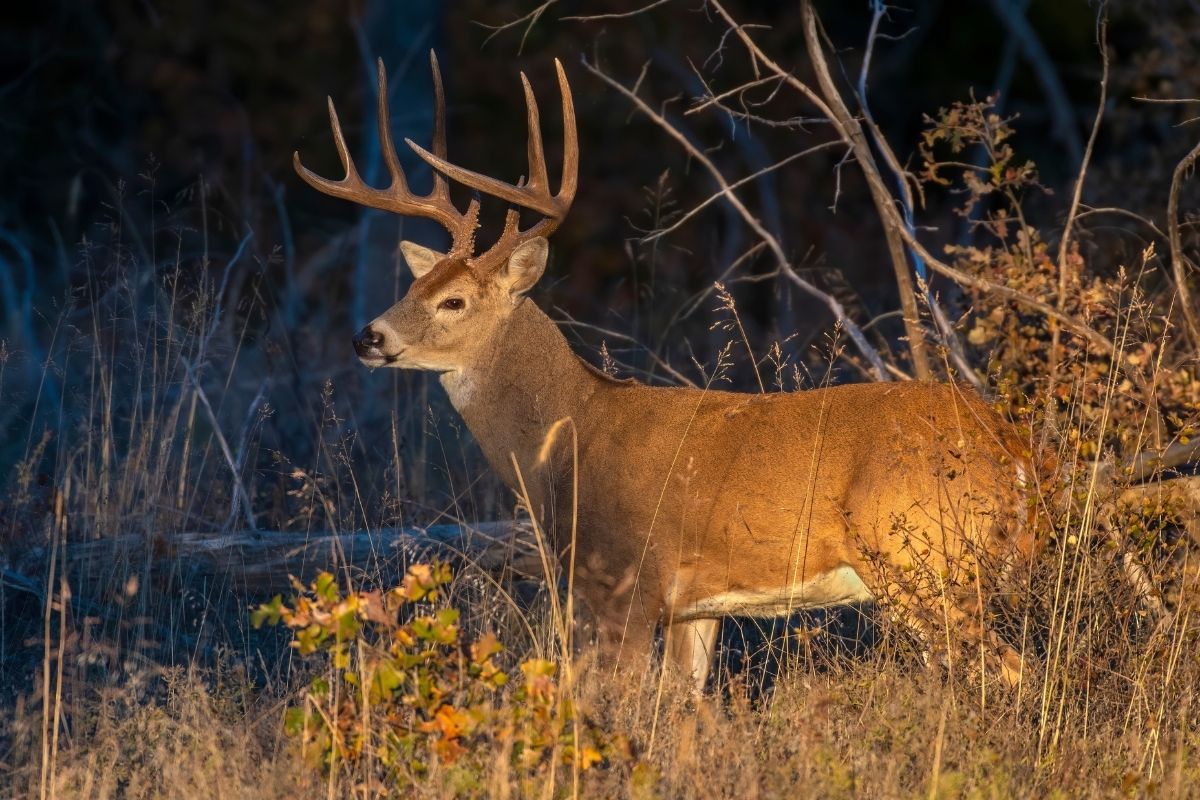
White-tailed deer buck captured photo at night.

Let’s start by acknowledging that there are more than 50 species of deer (Cervidae) worldwide.  It would take a tremendous lot of words to tell you much about all of them.  So, I will try to tell you a lot about some deer and a little about the rest of them.  

1. White Tailed or Whitetail Deer (Odocoileus virginianus)

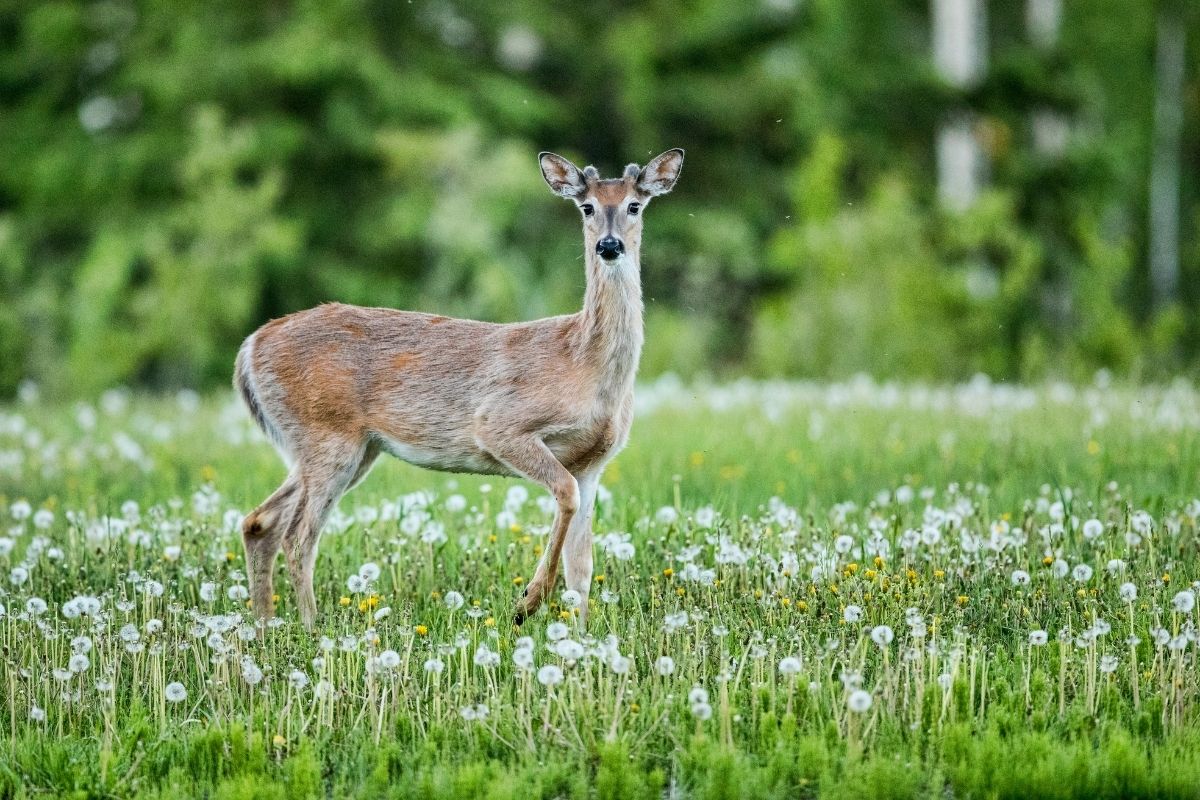
Medium size white-tailed deer on a grass field.

The deer most familiar to most Americans and to anyone who’s ever seen Bambi is the White Tailed Deer, the smallest member of the North American deer family.  More than two dozen subspecies of the Whitetail, most of them also in North America.  The way to recognize a Whitetail is to startle it. 

It will run away from you and, as it does, lift its tail with a white underside as a warning to other deer.  The other deer, which process images and movement far more quickly than we do, will see the tail and also run. White-tailed deer forage to eat large amounts of food, including legumes that forage on other plants, such as shoots, leaves, and grasses.

They also eat acorns, fruit, and corn. Their multi-chambered stomachs allow them to eat some things we can’t, such as poisonous mushrooms and poison ivy. They also eat hay, grass, white clover, and other foods they can find in a farmyard.  

A fully grown deer can eat around 2,000 lb annually. Whitetails are an extremely popular game animal in the northern and Midwestern United States.  They engage in extensive marking behaviors, some of which serve to guide hunters to them.  

Males compete for females during the fall rut.  The rut gets shorter the further north the population is.  Females mate in the fall and give birth to one to three spotted fawns in May or June.  

Hunting of whitetail is now strictly controlled in North America.  Human interaction, especially feeding and baiting, is discouraged, but suburban areas are heavily populated with deer that have become accustomed to human presence. Whitetails have no particular preferred sleeping environment, although they will sleep in heavy cover during the day. 

In the winter, deer herd … Read the rest of the story.


18 Different Types of Scorpions

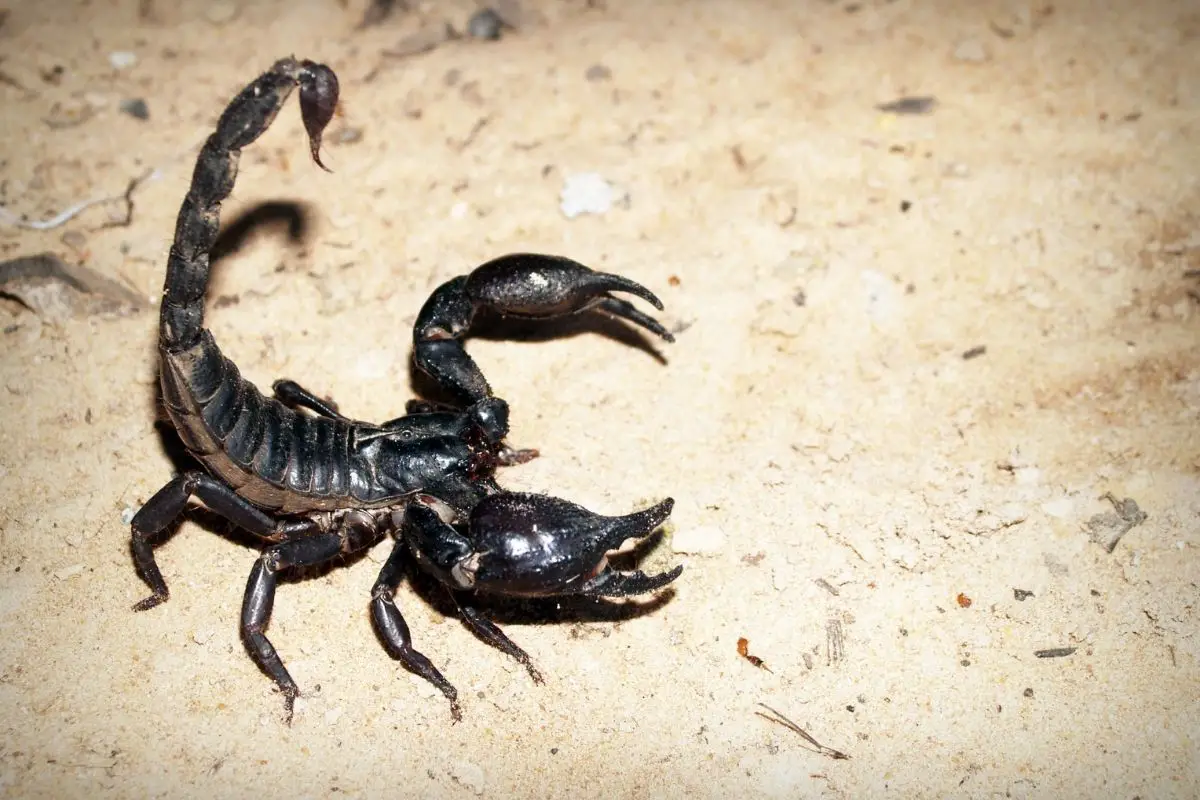
A flashed image of a Scorpion pandinus imperator.

Scorpions have a somewhat evil reputation as small but vicious creatures. If you’ve ever seen one from up close, you’ll understand why. Not only do scorpions look creepy and scary, but some of them are also venomous!

They fall into the Arachnida class and are related to spiders, ticks, and mites and can be found in many different areas all over the world. Most commonly, they are found in deserts, forests, and even places like the Himalayas. Let’s learn more about these fascinating Arachnids and how they continue to exist despite being killed on sight by humans.

Different Types of Scorpions

As if being one of the creepiest creatures on earth isn’t enough, there are also many different kinds of scorpions. Some of them are highly venomous and can cause real problems, while others aren’t a threat to anyone but their prey.

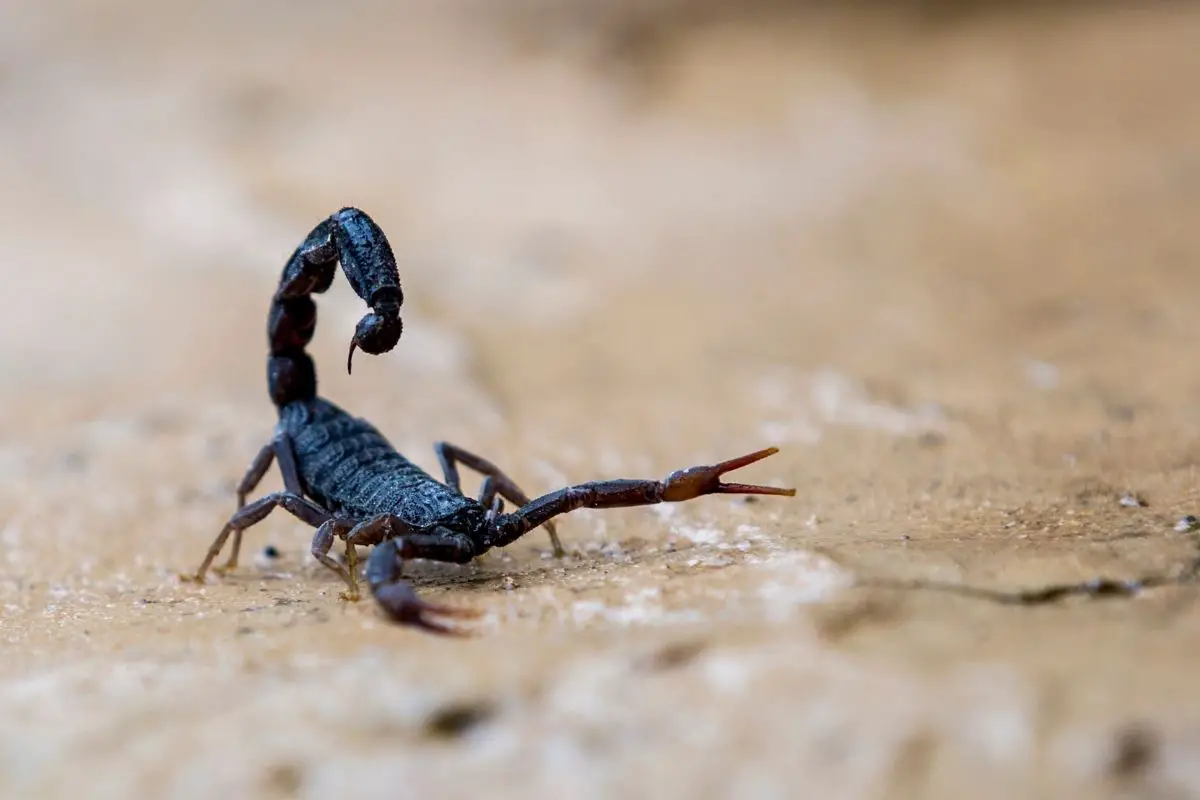
A portrait of black scorpion on a blurred background.

Most Venomous Scorpions

If you ever encounter any of the scorpions on this list, be careful! You can get hurt and even die if you mess with them. If the scorpion made its way into your home and you need to get rid of it, suck it up with a vacuum or use a broom and dustpan and take it outside.

1. Spitting Thick Tail Black Scorpion

The Spitting Thick Tail Black Scorpion is a native of South Africa and one of the most venomous types you’ll find. It can grow up to six inches tall and is typically found in desert areas and scrubland. As their name suggests, these scorpions have thick and powerful tails, two tiny pinchers, and a very potent sting.

This scorpion has two kinds of venom. The first venom is used to immobilize smaller prey, while the second one – which is more toxic – is used for bigger creatures like humans. What’s even scarier, this scorpion can spit venom which can go as far as three feet.

The venom can lead to temporary blindness and it is as potent as cyanide.

2. Yellow Fat Tail Scorpion

This is yet another scorpion that can be found in Africa and is considered … Read the rest of the story.


Where Do Honey Badgers Live?

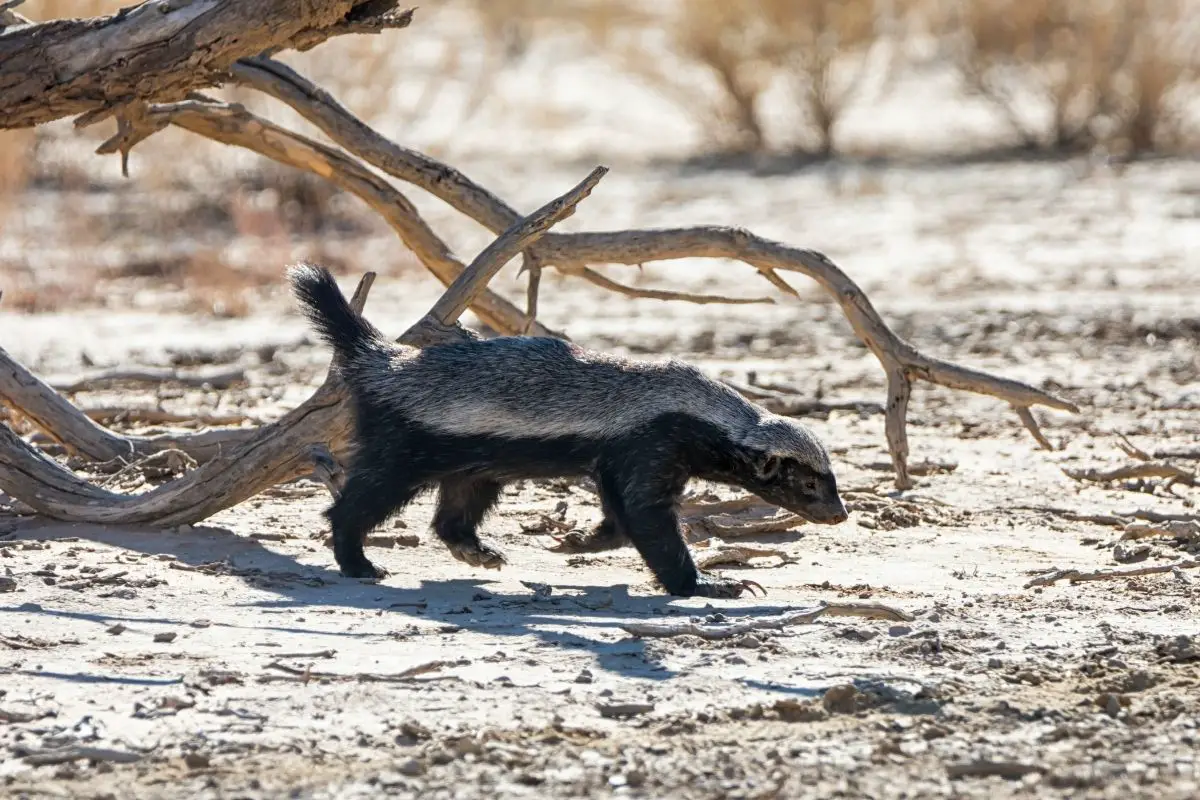
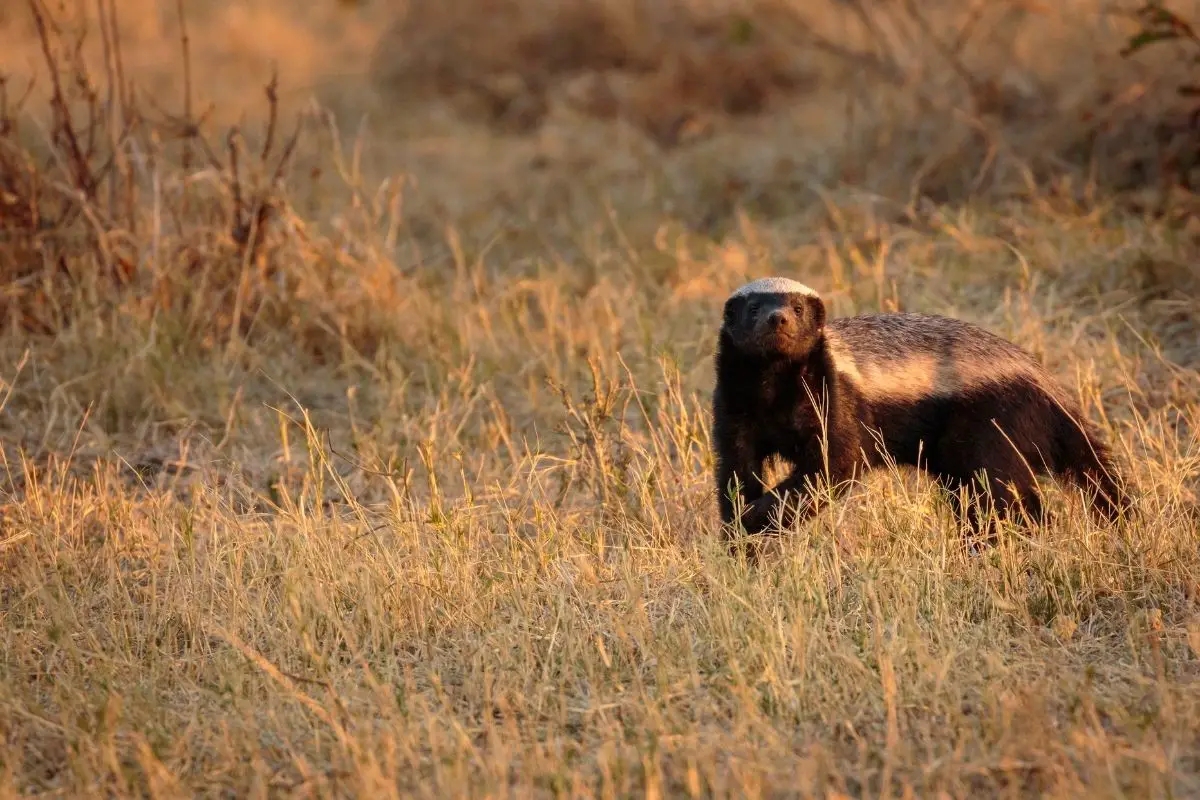
A honey badger in southern African savanna.

Honey badgers are one of the most adaptable species. They can be found in a vast number of areas, such as Africa, Western Asia, North America, and even the Middle East. Honey badgers are some of the most fearless animals, and this trait is one of the many reasons they can adapt to just about any area of the world. 

The University of Michigan’s Animal Diversity Web, states that we can discover badgers in the western states of the US, Canadian provinces in the central-western region, and the hilly regions of Mexico. Their thicker skin also allows them to go fairly unbothered in the wild, as we will see as we continue reading.

Where do Honey Badgers Live?

Honey badgers are incredibly adaptable mammals that are native to Africa, the Middle East, and Western Asia. They tend to have a very wide living area ranging up to 193 square miles.  While this seems like a vast area to cover, honey badgers are up to the task.

Similar to domestic cats, they use their scent glands to mark their territory. Male and female honey badgers tend to occupy different territories, with males generally having more. Typically, honey badgers live a more nomadic lifestyle.

They do tend to stay in a general area. However, they do not sleep in the same spot every night.  They can build burrows or simply occupy the homes of their distant relatives.

The goal is to be well protected against predators since they usually sleep throughout the day. Before we delve further into where badgers live, let’s find out more about what they are.

What are Honey Badgers?

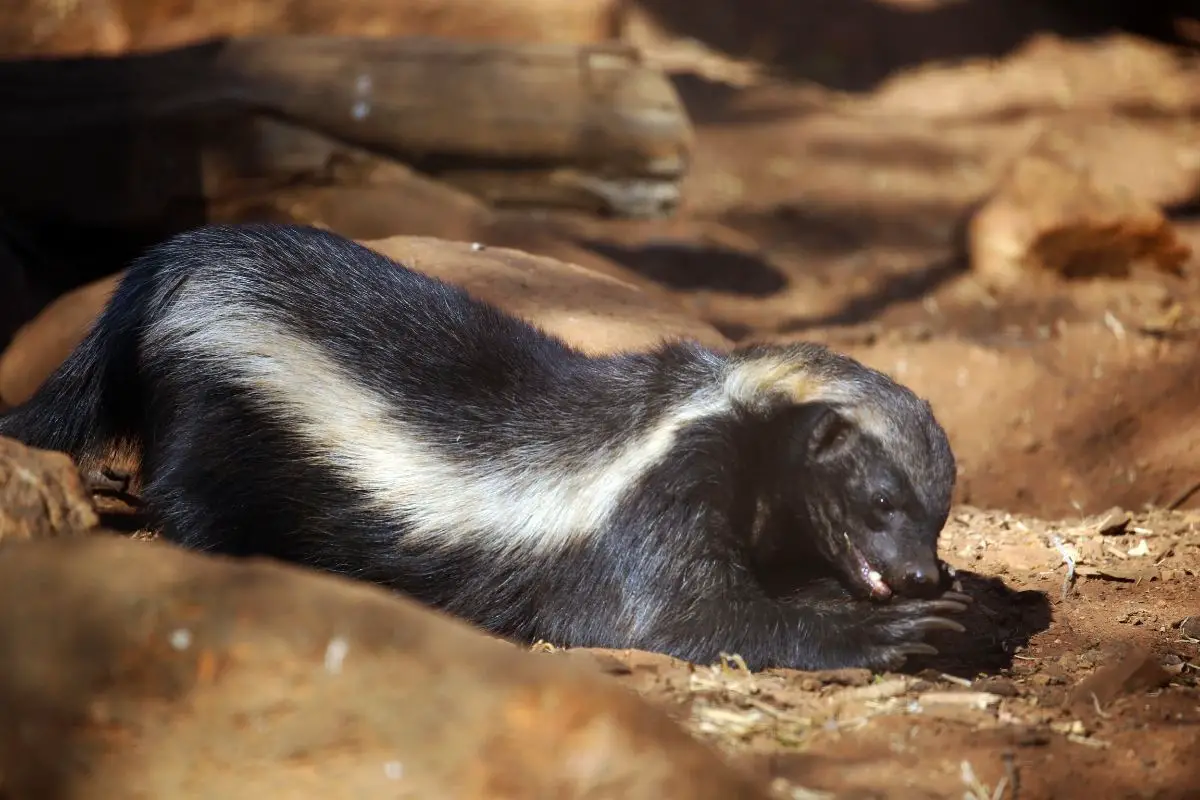
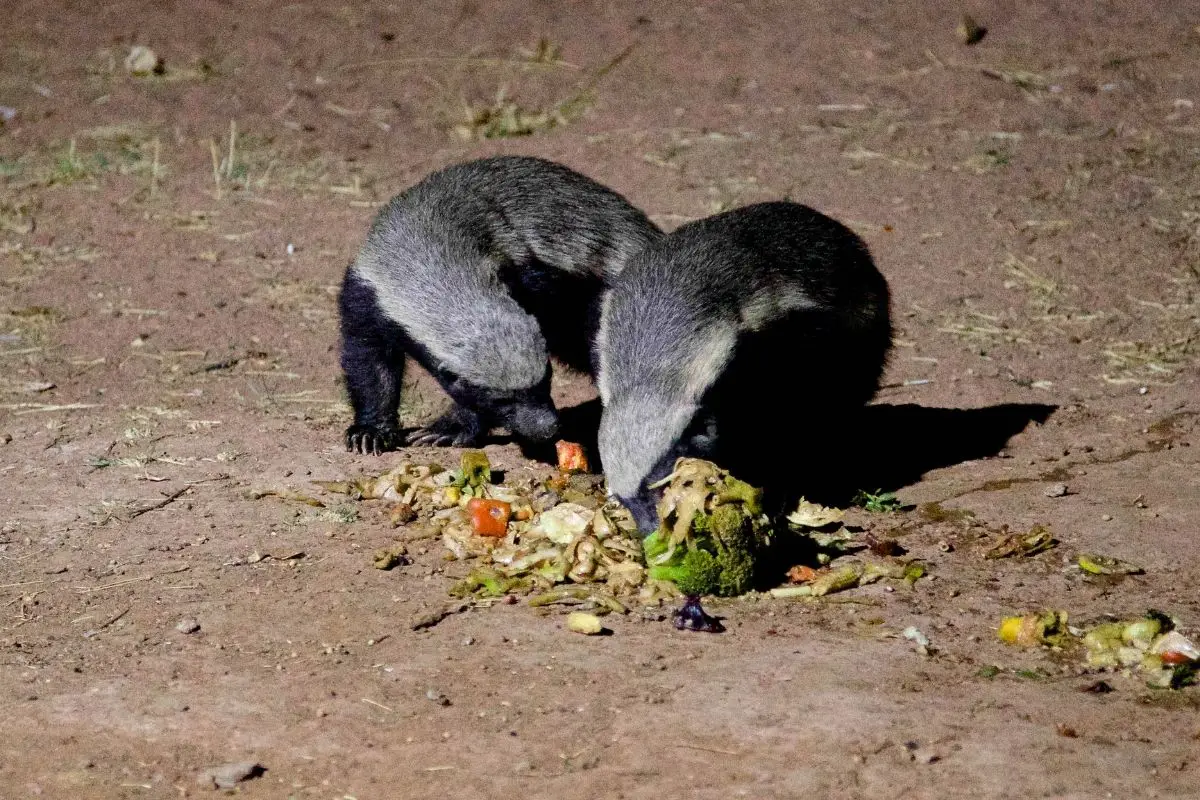
A honey badger eating on its burrow.

Honey badgers have a reputation for being one of the most fearless animals to ever live, but there is so much more to them.  Honey badgers are small-sized animals, usually weighing between 13 and 30 pounds. They are members of the weasel family with very thick skin that helps protect them from predators during fights.

Honey badgers got their name because they love to feed on honey and even honeybee larvae. If you take a glance at a honey badger, … Read the rest of the story.


What Do Honey Badgers Eat?

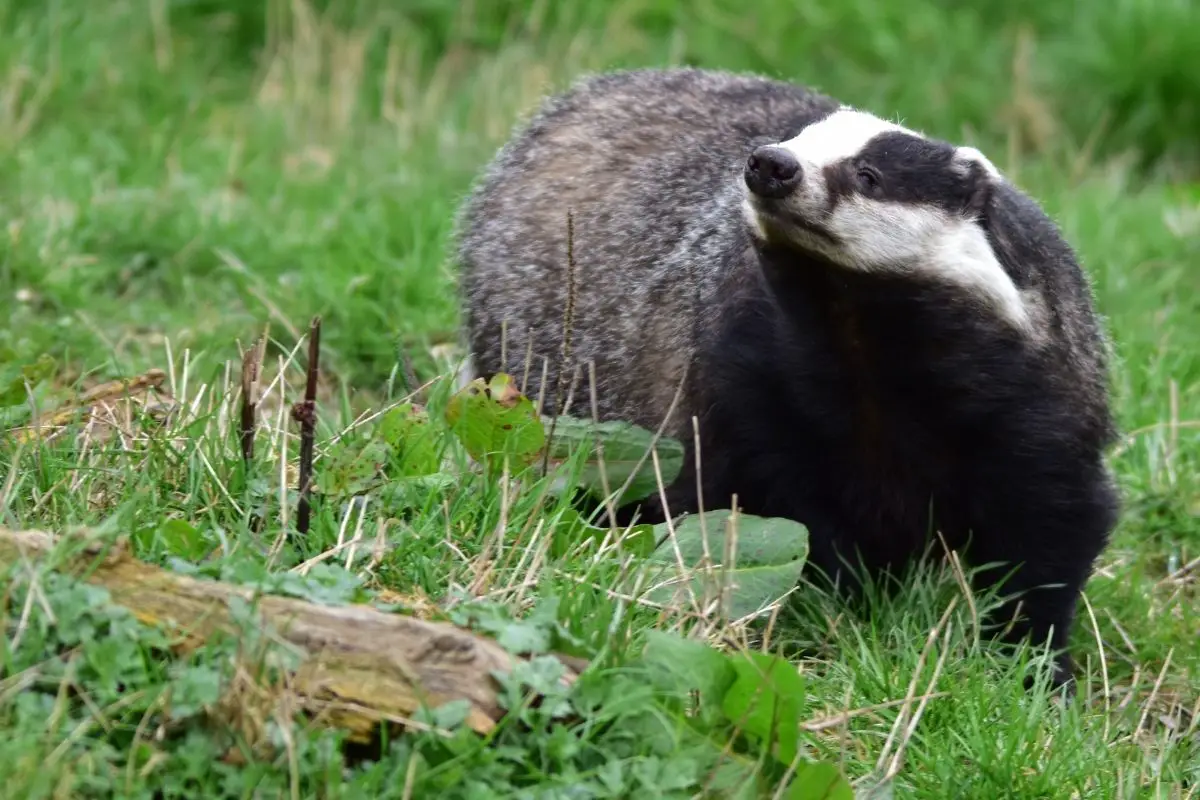
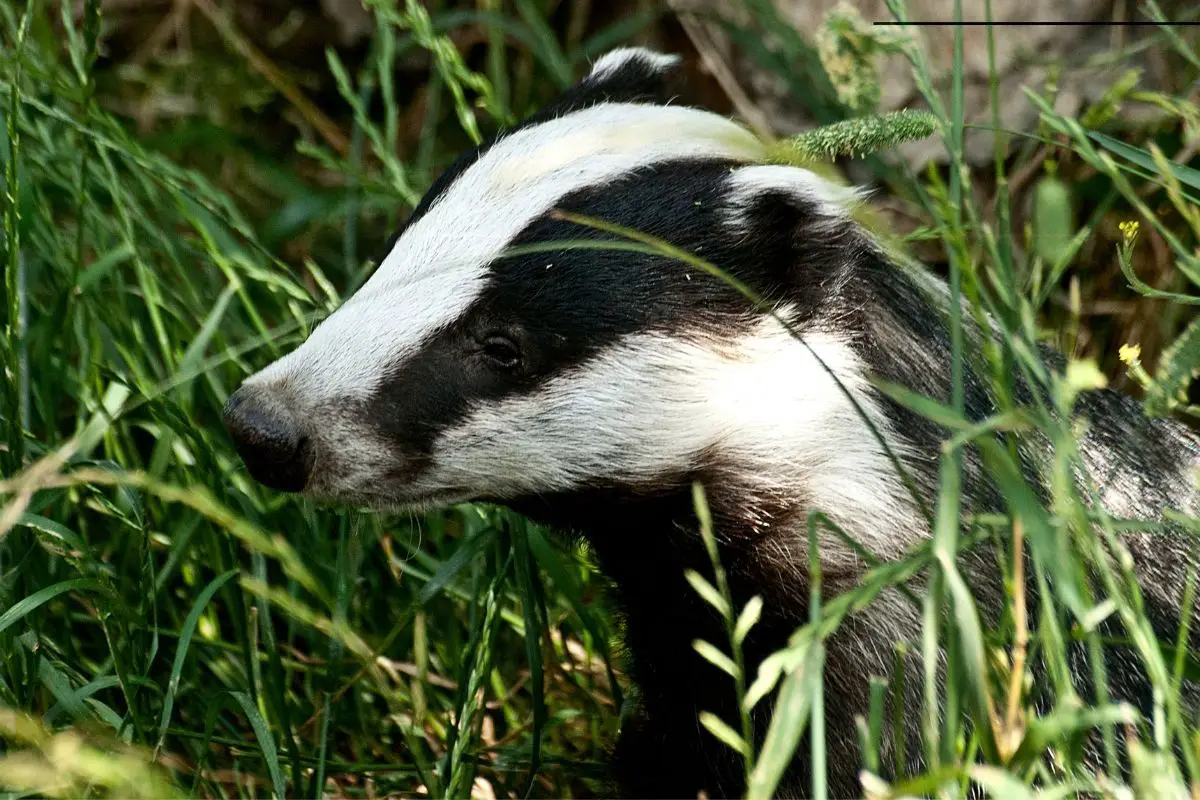
A classic photo of a wild Badger surrey in England.

If you answered honey, you would not be completely wrong. Honey badgers (Mellivora Capensis) are fierce omnivores with an adaptable diet that includes honey, honey bee larvae, roots, berries and fruit, insects, small mammals, and even amphibians and birds. Honey badgers are fascinating, rough-and-tumble creatures and undoubtedly worth knowing more about.

For parents, this mammal is a treasure trove for school projects.

Honey Badger Basics

Badger heading to its burrow.

Unsurprisingly, honey badgers belong to the same family of mammals as otters, weasels, other badgers, and wolverines. The genus of the honey badger is Mellivora, a subcategory of the mammalian family Mustelidae, of the Carnivora order. Honey badgers are also known by the name Ratel.

Honey badgers are medium-sized, with an average shoulder height of approximately 11 inches, and they weigh around 30 pounds at maturity. They are distinguishable by their thick black fur and a broad silver-white stripe from their head to their tail. Their muscular neck has a thick layer of skin that helps them wriggle around and escape opponents’ jaws.

They can secrete a potent scent from their anal glands to deter others. Honey badgers have stout bodies with long sharp claws and lethal teeth for tearing flesh, and by their very nature, they are formidable warriors. A honey badger’s sense of smell is powerful, balanced out by their eyesight, which is poor and limited hearing.

Honey Badger Habitat

A confused emotion of a Honey badger in the wild.

Honey badgers are found predominantly in sub-Saharan Africa, parts of western Asia, and in Iraq, Iran, and Saudi Arabia. They prefer a dryer habitat but can adapt to forest and grassland biomes. They use their long claws to dig burrows for homes, or if they feel lazy and it is convenient, they are not above stealing other animals’ burrows.

If neither of these is an option, then honey badgers will make do with what they have, including using termite founds and exposed tree roots. Honey badgers are intelligent and are one of the species in the animal kingdom that uses tools to make their lives easier.

Eating Habits of the Honey Badger

Badgers feeding in the desert.

We already know that the … Read the rest of the story.


Can You Have a Honey Badger as a Pet?

A cute badger in the wild grass.

Despite the sweet name, honey badgers have a salty personality. They are aggressive and have a scent defense mechanism. If that wasn’t enough to deter you from wanting one as a pet, they are also illegal to keep.

Even if you did manage to kidnap one, it wouldn’t last. Honey badgers are known for their sleight of hand escapes.  I first discovered the honey badger from a viral video over a decade ago.

It was a nature capture with a documentary feel of a honey badger interacting in the wild with a hilarious voiceover. The world was introduced to the honey badger in the best way possible, putting a little comedic relief on a sort of terrifying animal. But before we get too far down the smack talk road, let’s learn a little bit more about these fearless protein lovers.

About the Honey Badger

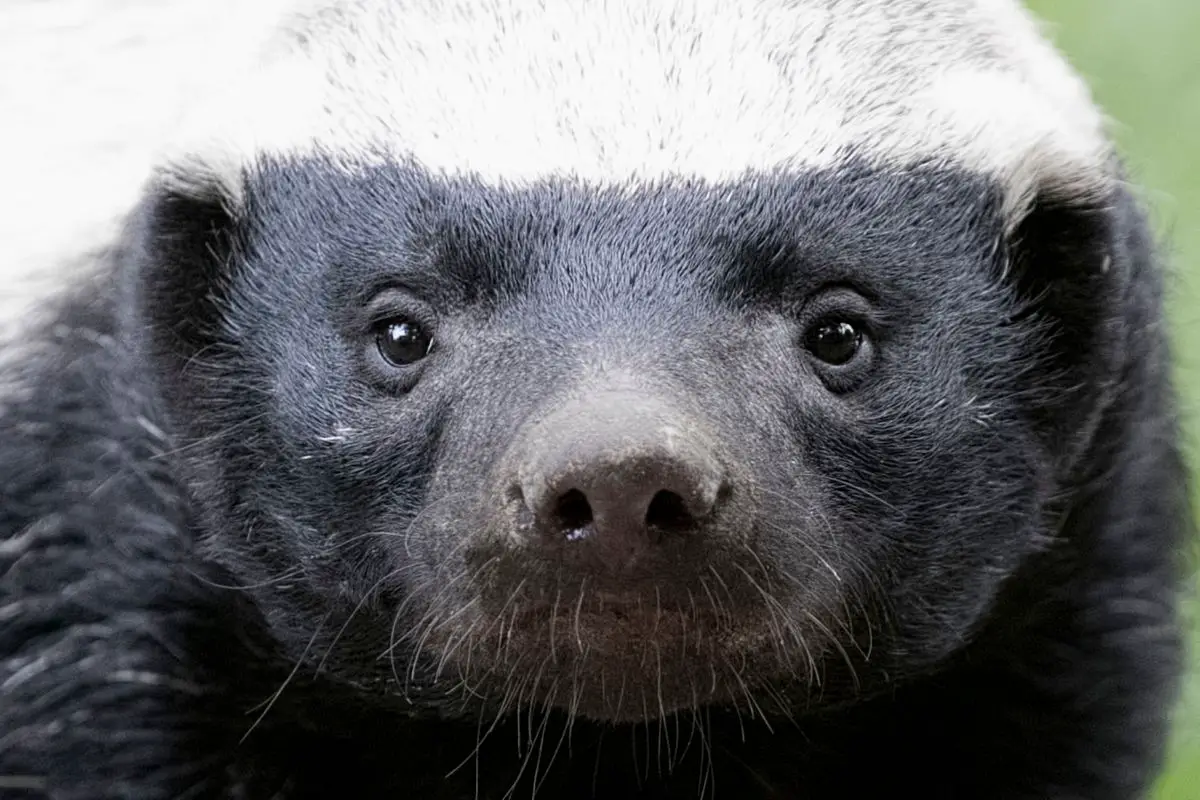
A wild Honeybadger looking at the camera.

Because every animal is cute and innocent as a baby, let’s go back to the beginning. Sometime around 5,000,000 years ago, a carnivore in Asia evolved into what is now referred to as the honey badger. His ancient relatives had become extinct by this time and he was kind of alone as a species.

Perhaps that’s where the perpetual chip on his shoulder comes from.  Today, there are 12 honey badger subspecies that are spread out across two continents. So, he took his anger and let it multiply.

If you are on the hunt, you might run across one or nine in parts of India, the majority of Africa, and the Middle East west of Iran. Also, for some reason, Turkmenistan. Another misdirection about the honey budger is that it’s not a badger.

In reality, it’s more a weasel than anything else. Although to look at the two, you might see a resemblance to the Tasmanian devil in both appearance and name. Some might say a Tasmanian devil with an atrocious haircut, but I digress. 

Most Fearless In The Animal Kingdom

A honey badger in a relaxing position.

While the honey badger is the largest terrestrial mammal of its type, the total height maxes out at about 11 inches. That’s roughly the … Read the rest of the story.


How Dangerous Are Honey Badgers?

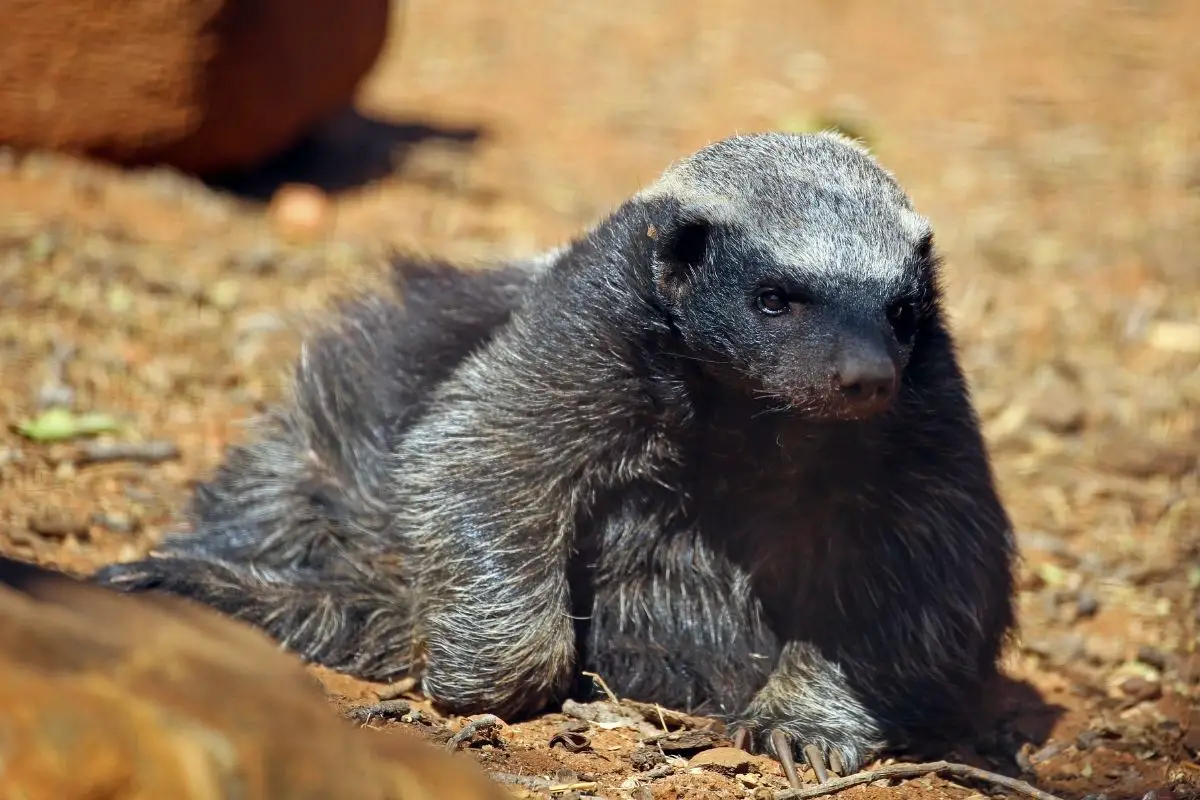
A zoomed photo of a young black honey badger.

The honey badger (Mellivora capensis) is an omnivorous mammal originally from sub-Saharan Africa and fond of living in dry grasslands. The honey badger, also called a ratel, is a strong animal and, like all badgers, has a flattish body with short, cobby legs. 

Its large, powerful front claws and feet are entirely adapted for digging.    

Honey Badger Facts

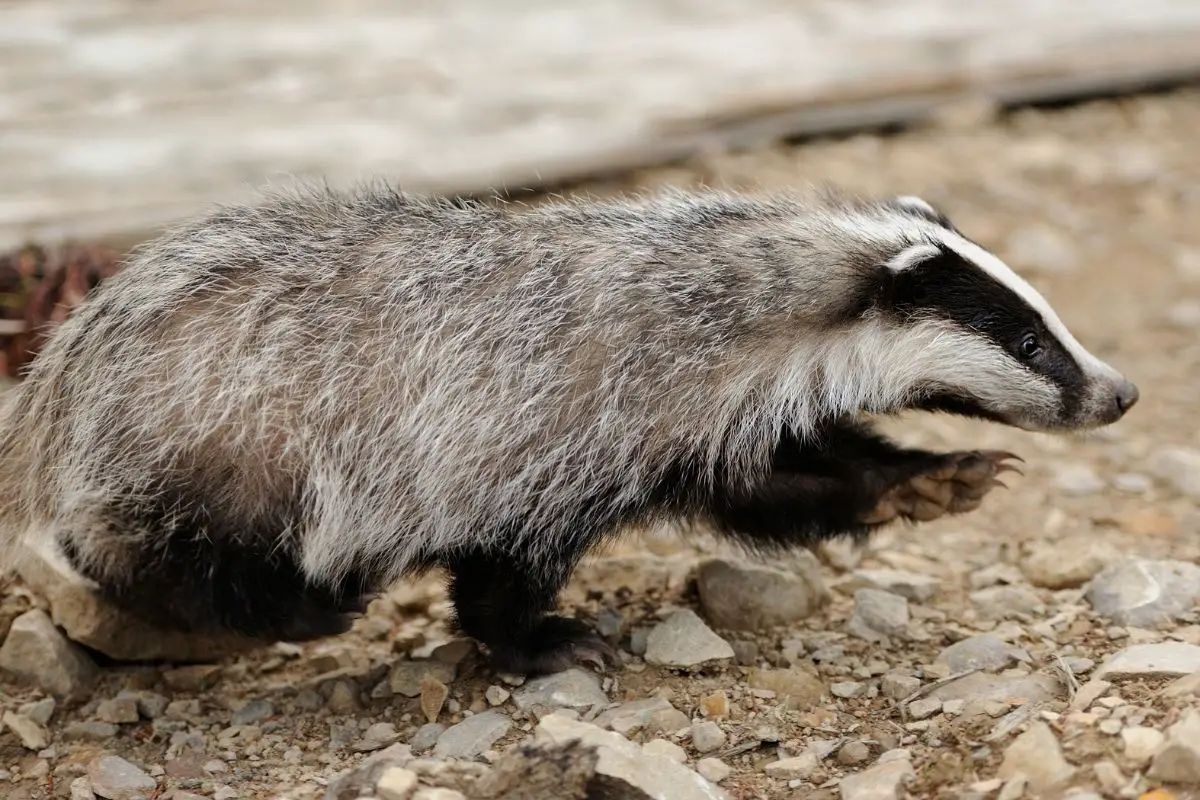
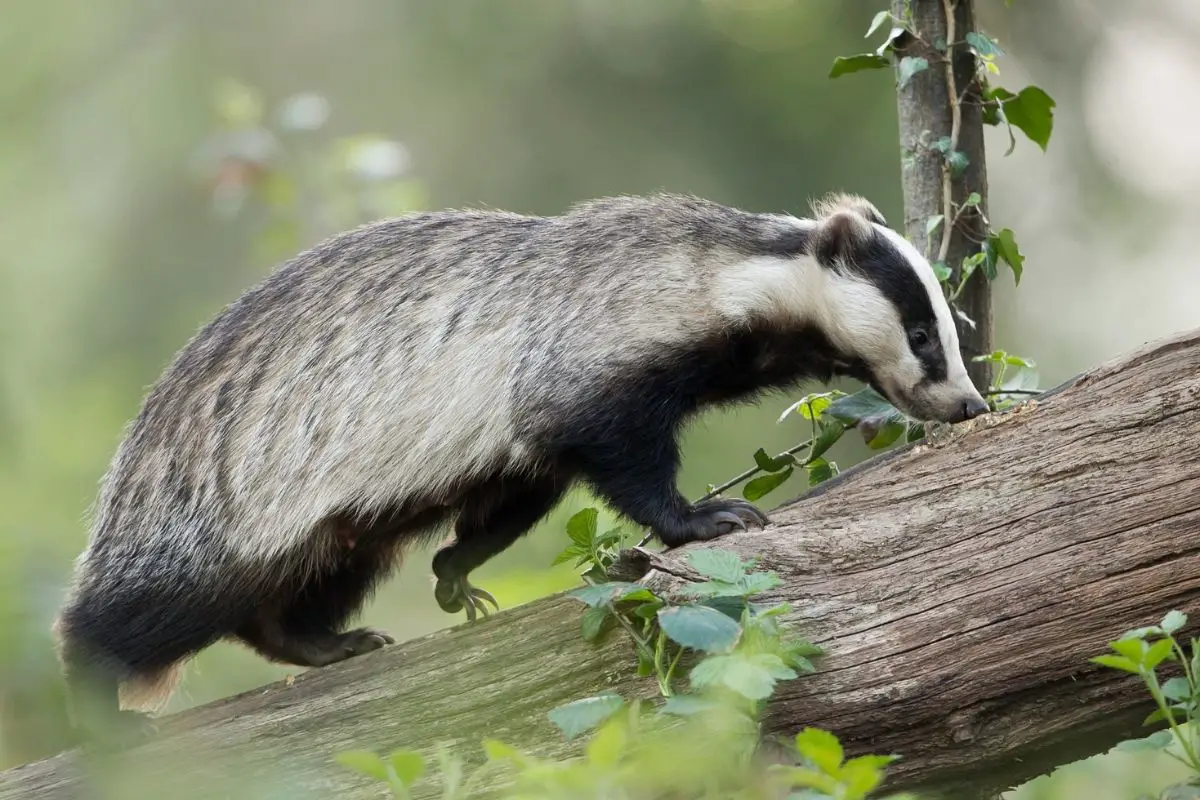
A European badger crossing on the tree branch.

The honey badger has a thick coat of coarse black hair with a broad gray stripe along with its head and back. Like another animal whose fur looks like that, honey badgers can use scent as a defensive weapon against a larger predator. Some scientists think this stench can also be calming to bees, making it easier for the badger to raid hives.

The fur and skin are incredibly loose, allowing the badger to turn and bite an attacker holding its hide. Honey badgers not only deliver a pretty mean bite, but they’re also relatively fearless – with reason – of the bites of others. They enjoy eating scorpions and snakes and have an unusual level of immunity to the venom.

 Thus, even when bitten, the honey badger walks away from a confrontation that might have killed another animal.   Honey badgers usually only have one or two cubs at a time. Their nocturnal nature, secretiveness, and overall charm mean that we don’t know much more than that about their breeding. 

As a member of the weasel family, the honey badger is related to skunks, otters, ferrets, wolverines, and other badgers. Its common name is honey badger because of its habit of digging in beehives, but it was actually looking primarily for high-protein bee larvae, not the honey!  The badger’s range includes much of southern Africa and Asia, from Morocco to the Caspian Sea and the southern tip of Africa.

They live primarily in dry areas but also like forests and grasslands. Good swimmers, they can climb trees and are primarily nocturnal. The honey badger eats small birds and mammals and the young of larger mammals.

It also eats reptiles, snakes, insects, and scorpions, being immune to venom, as well as some … Read the rest of the story.