Pages

10 Different Types of Possums

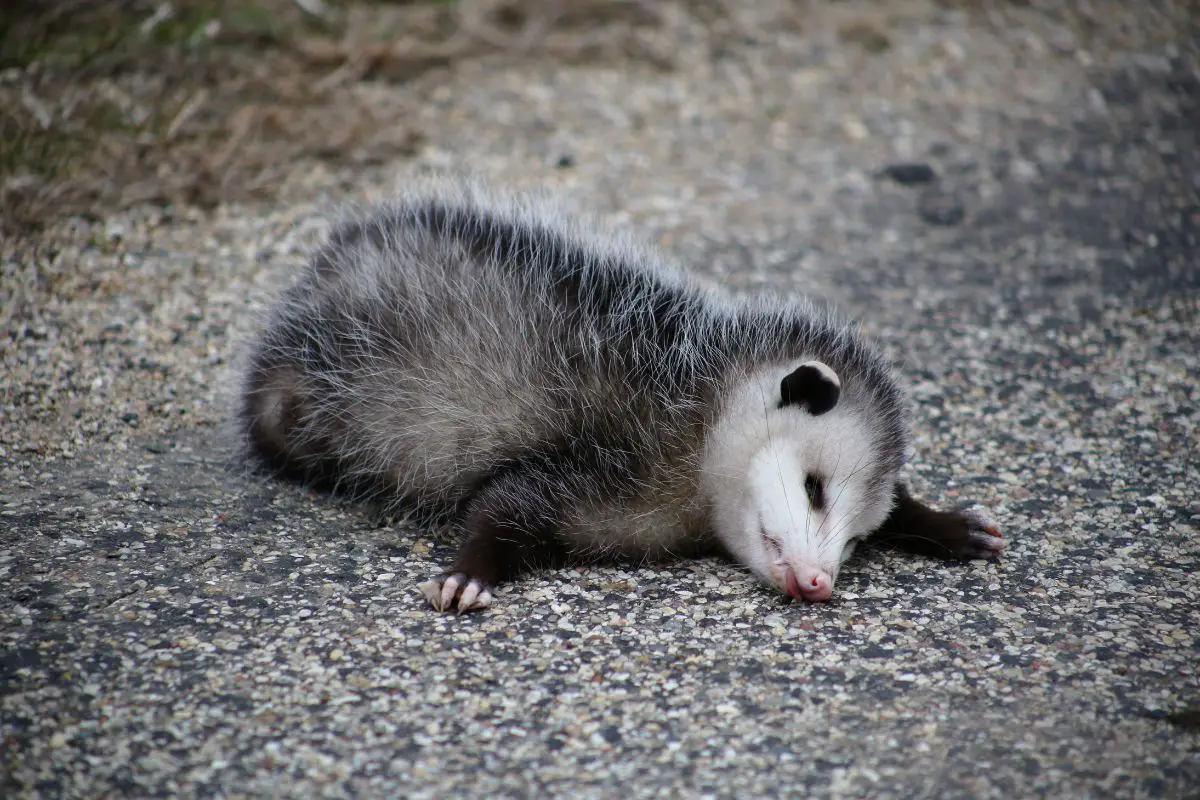
A sleeping virginia opossum.

The words possum and opossum are used interchangeably but they refer to different animals. Scientists and most dictionaries say an opossum is the Virginia opossum or any of those that live in North or South America. The possum is a very similar animal that lives in Australia and New Guinea.

It is not really that simple though. In both countries, people pronounce it “possum” and sometimes use it in writing with or without the “O” at the beginning. Both countries could then lay a claim to either one.

It is popular to write “opossum,” and drop the “O” when speaking in both countries.

They are all marsupials. There are dozens of species on opposite sides of the world. For this article, we are going to focus on the opossum of the Americas.

What is called the Virginia Opossum is the only species of this marsupial that lives in the United States. There are a few dozen species that live in Central and South America. The Opossum that lives in the United States is the size of a cat.

These animals evolved in the Americas and in Australia, but not on other continents. Many of them are small and are called mouse varieties. They are one of the earth’s oldest mammals, according to evolutionary science.

1. Virginia Opossum
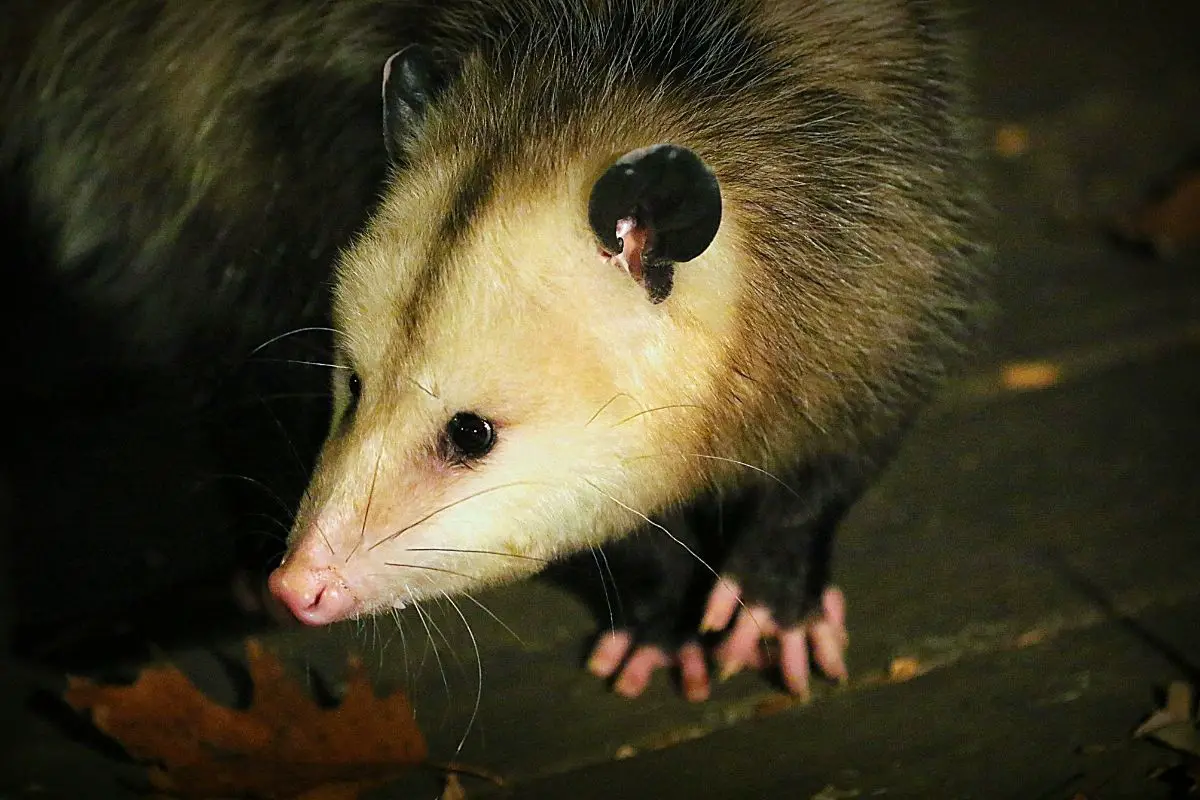
A portrait of virginia opossum.

The Virginia Opossum is found in most of the United States, with the exception being the Rocky Mountains, and they are expanding their territory slowly.  Before Europeans arrived, they were known only in Kentucky and Indiana. They were hunted for fur, and later for food, especially in the south. The Virginia Opossum likes to live near water, in the woods, or in thickets.

They are adaptable though and can live in areas where humans have altered the landscape. Some live in towns and suburbs. The Virginia Opossum is one of the larger marsupials but is still only around 12-13 pounds when fully grown, and about 21 inches long.

They reproduce a lot, so hunting and even loss of habitat have not hurt their population.  They have a short lifespan, normally living just two … Read the rest of the story.


51 Different Types of Rats

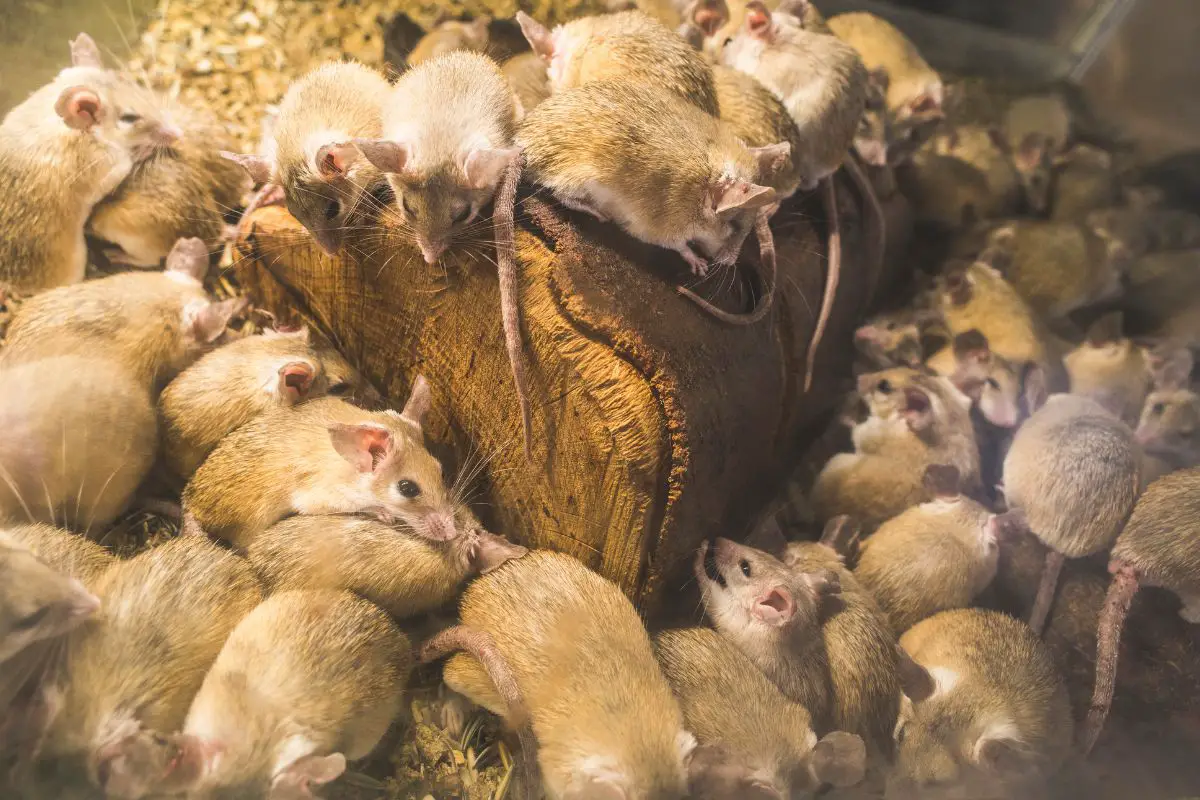
Group of rats on a big lumber.

Rats are one of the most controversial animals in the world. While some people think of them as adorable pets, others see them as nothing more than destructive vermin. But no matter your stance on rats, there’s no denying that they’re pretty exciting creatures. Did you know that rats have poor eyesight, but they make up for it with a fantastic sense of smell, hearing, taste, and touch?

Hard to believe considering all the running they do in our homes! These tiny creatures like to live in large groups and are very social. They can communicate through high-pitched squeaks that are too high for humans to hear.

They are also intelligent animals that can learn to do things like run mazes and use tools.

Types of Rats Explained

In a nutshell, a rat is a small mammal that resembles a mouse. It’s a rodent with an elongated snout, pointed ears, and whiskers. However, most rats are much larger and heavier than mice.

They are generally nocturnal and can eat almost anything—including garbage, insects, seeds, pet food, and even each other! There are different rat types, and they can easily confuse you. For example, some people refer to mice as rats. Mice are smaller with slender bodies than rats.

The “true” rat comes from the genus Rattus family. There are 66 rat species, but 64 are the only existing members of the Rattus species from the Muridae family. The most common ones that are widespread globally are the Brown Rat (Rattus norvegicus) and Black Rat (Rattus rattus).

This article will focus on the genus Rattus, commonly referred to as rats. Tag along and learn everything about these small animals, which can be both cute, stubborn and destructive depending on where they are.

1. Brown Rat (Rattus norvegicus)

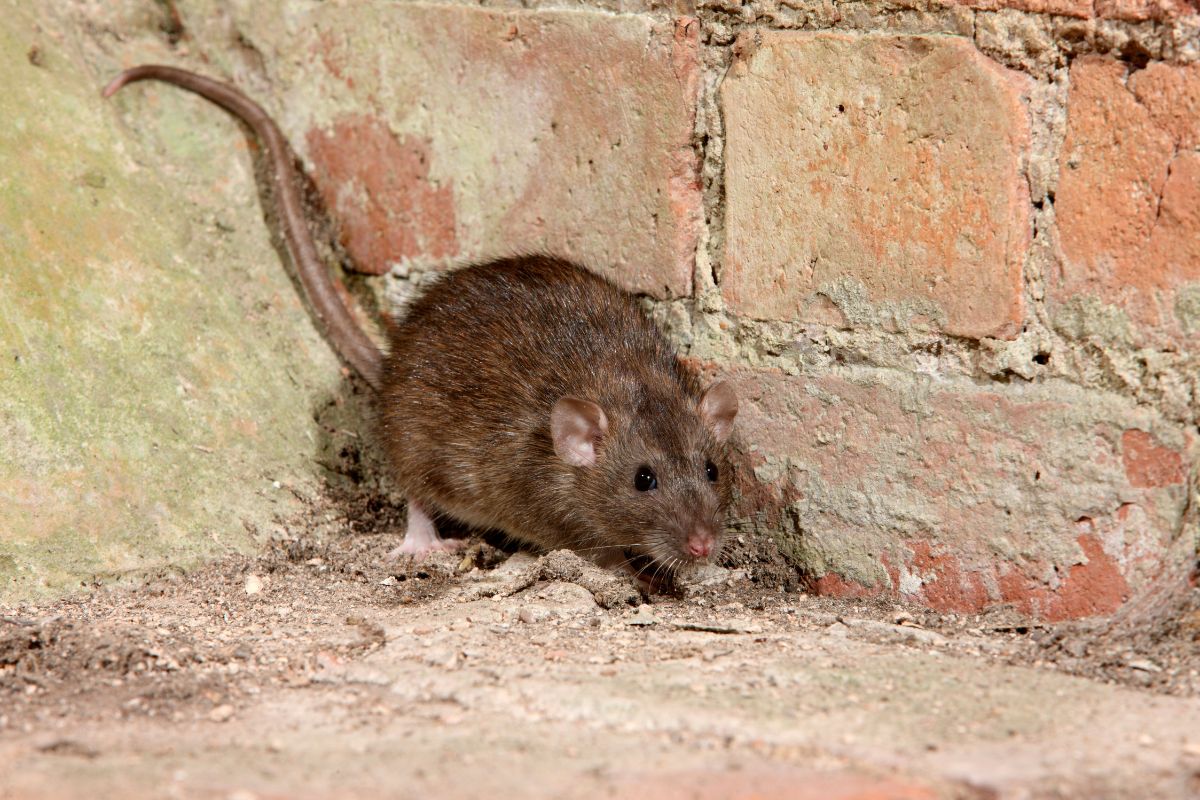
Close-up photo of a rat on the corner.

The most common type of rat you’ll find in your home is the Brown rat (Rattus norvegicus). It’s also known as the Norway rat, Hanover rat, Parisian rat, or the Wharf rat. These rats have brown hair on their backs, with gray fur underneath.

Their … Read the rest of the story.

What Animals Hunt and Eat Porcupines?

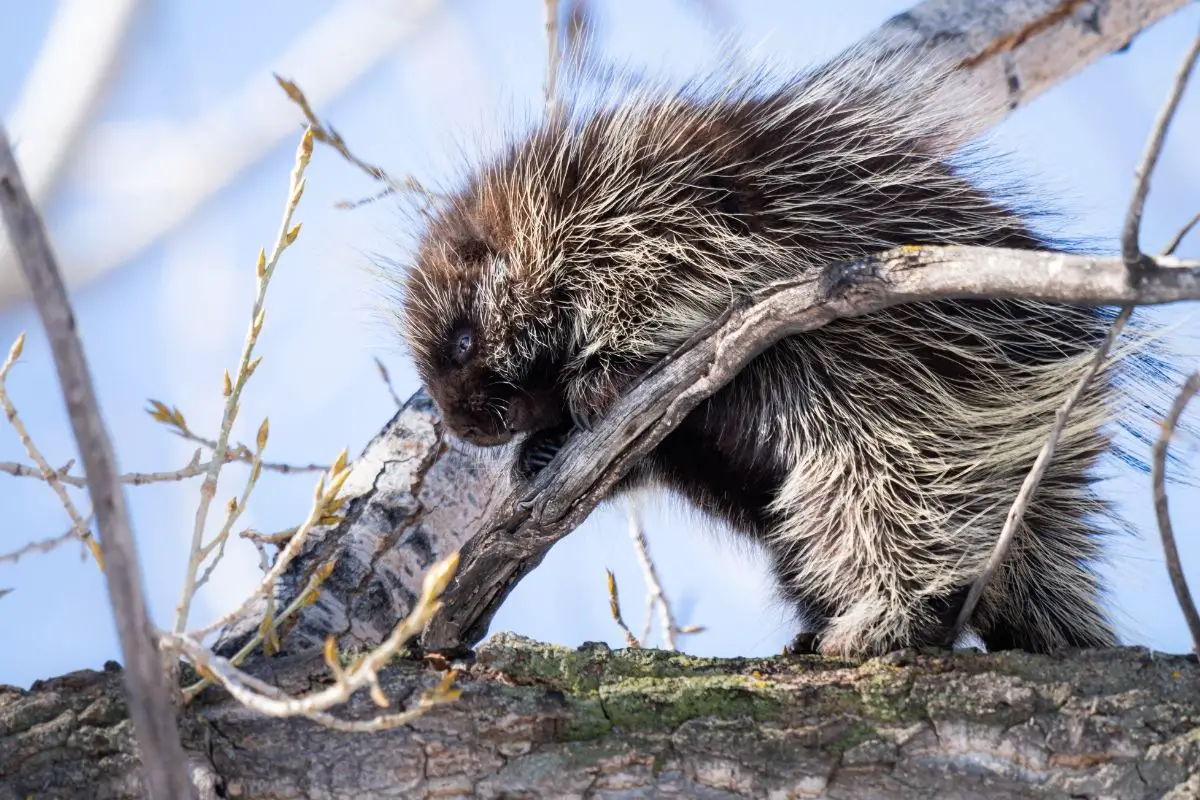
A Porcupine stocked on a branch of a tree.

In addition to fishers, porcupine quills have been detected in the bodies of wolves, bears, lynxes, foxes, bobcats, cougars, coyotes, and even great horned owls. Predators kill porcupines by biting or flipping them over, exposing the weak bottom, and then devouring the defenseless head and neck. However, the fisher is its most successful predator.

What is a Porcupine?

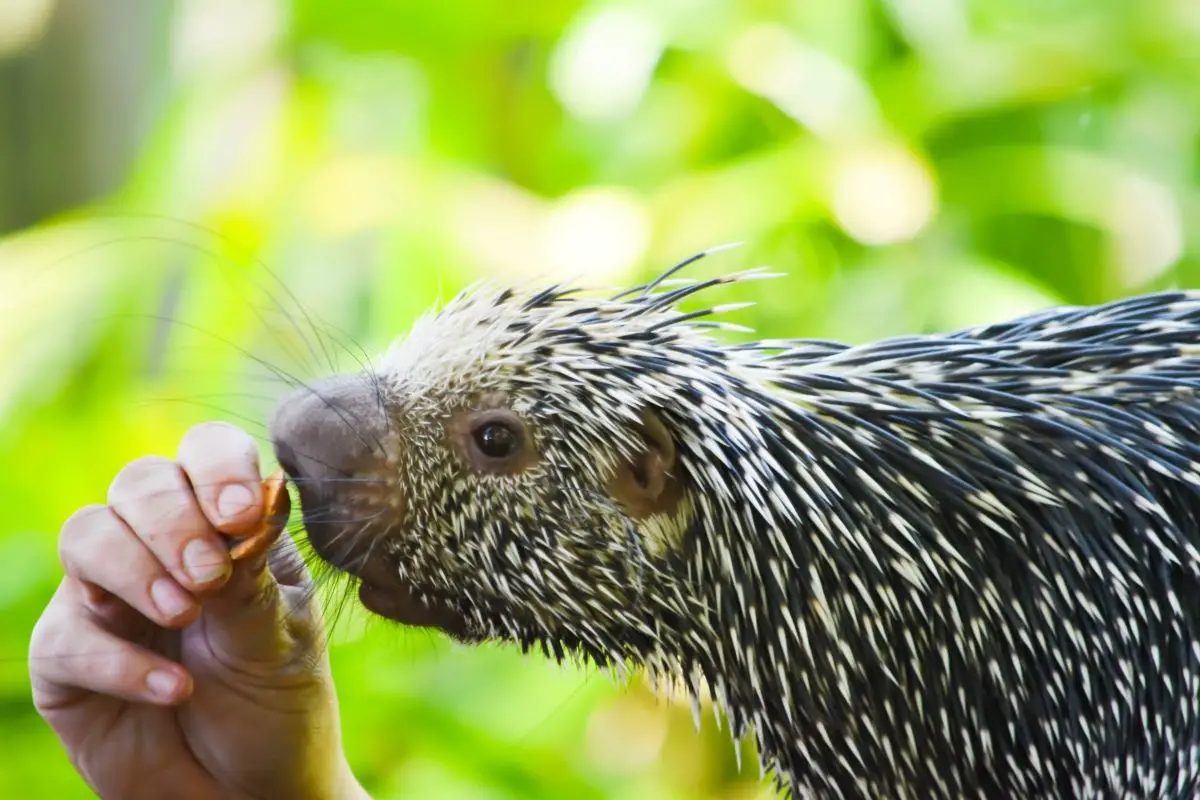
Porcupine being hand-fed.

The second-largest rodent in Canada and the United States is the sluggish North American porcupine. You’ll come across them in most of North America’s wooded areas. The body and tail together can grow to a length of 25 inches (64.5 cm) and 5.5 in (14.5cm) respectively.

Why do Porcupines Have Quills?

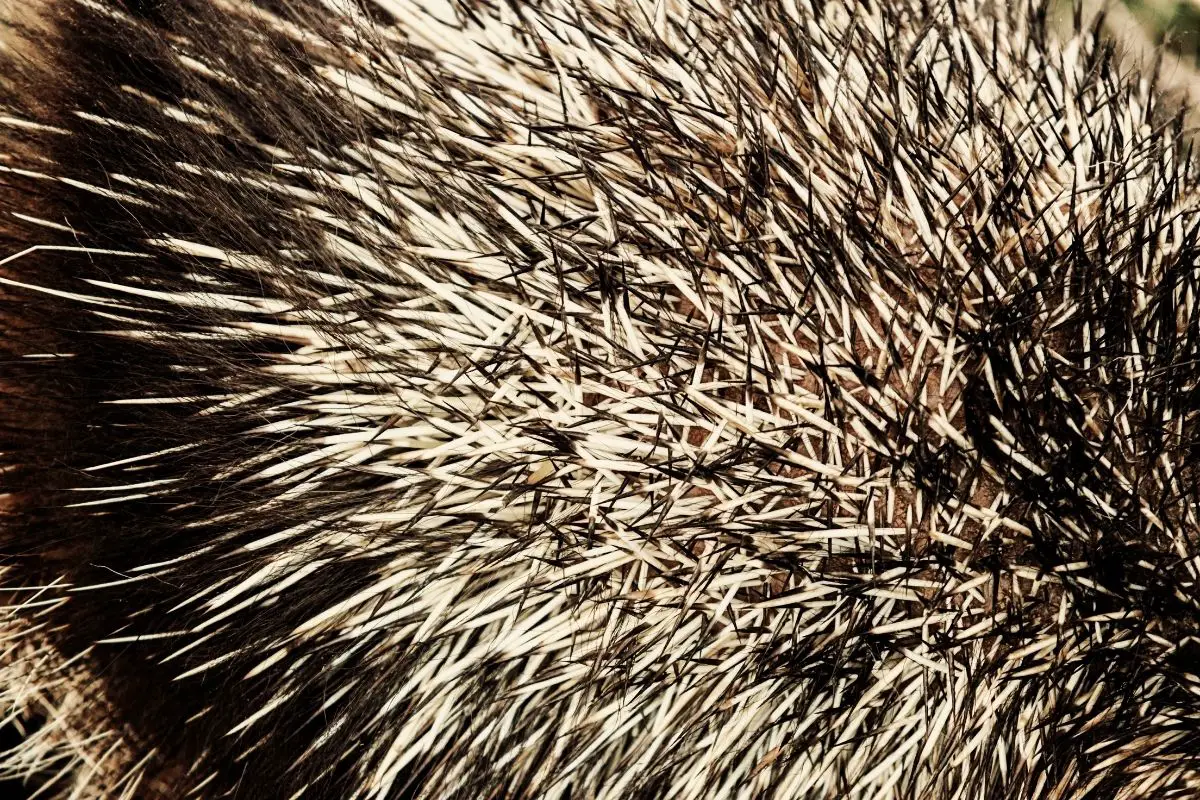
Close-up of porcupine quills.

Quills cover the animal’s rump, neck, and head for added protection against predators. The North American porcupine’s spiny tail is used to lash out at its attacker when it is threatened. Poisonous quills can be easily removed from a porcupine’s body and left stuck in an attacker’s flesh.

It is a myth that porcupines can hurl their quills. Barbs cover the tips of the quills and point backward away from the tips. The barbs on a quill make it tough to remove if it gets lodged in the skin of another animal.

Even though porcupine quills can cause tissue and organ damage, they seldom become infected. The porcupines need this to protect themselves from being impaled by other porcupines, which is a common occurrence among the species. The porcupines’ air-filled quills make them excellent swimmers.

When Can You Come Across Porcupines?

North American porcupines are active throughout the year, even though they are nocturnal. During the warmer months, they eat a wide range of shrubs and tree leaves. They feed on evergreen needles and the cambium and inner bark of trees in the winter.

They are drawn to roads where salt has been used to melt winter ice because of their love of salt. They will nibble on canoe paddles, ax handles, and saddles at campsites because of the salty sweat on them. A porcupine only has one litter.

Unlike their stolid parents, young porcupines may move about pretty quickly after … Read the rest of the story.

How Long Do Porcupines Live?

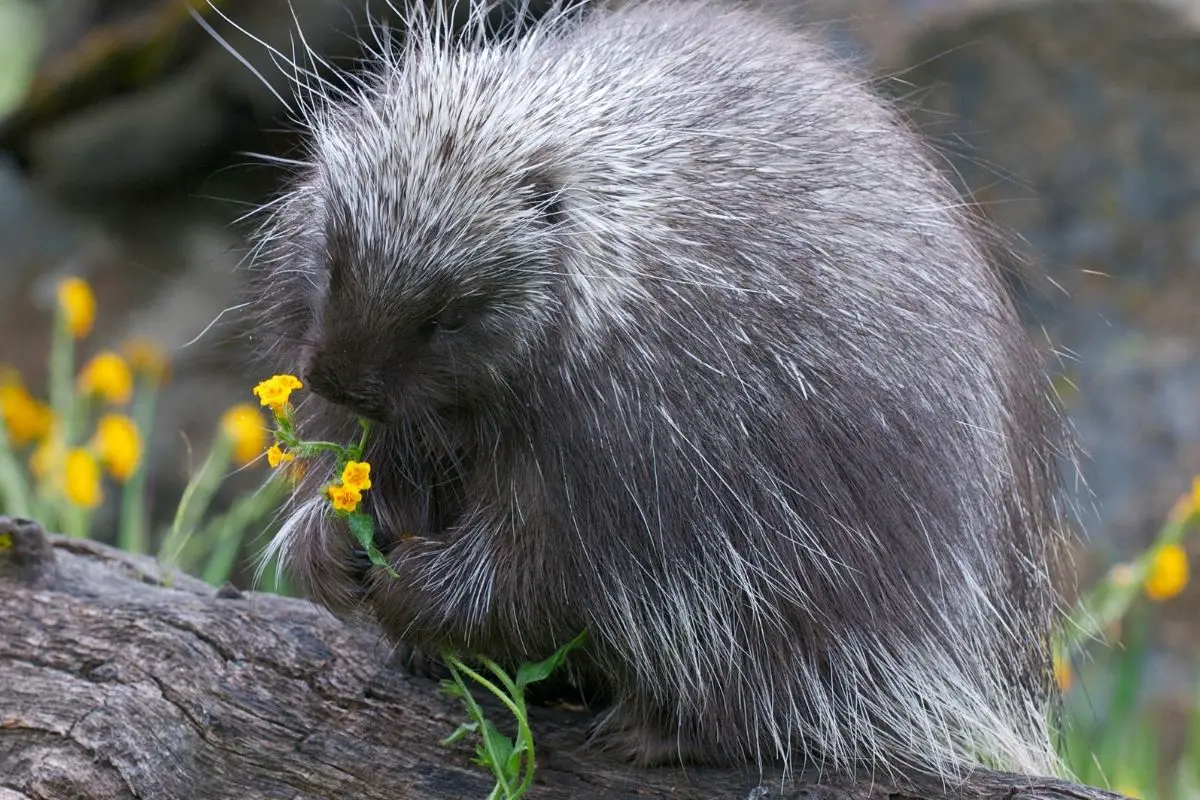
Porcupine on a log with yellow flowers in the background.

Porcupines have a long lifespan. They can live between 10 and 15 years out in the wild, while they can live up to 20 years when in captivity. Some have been known to live up to three decades. The funny or maybe not so funny thing is that these long-lived rodents can die from simple situations like falling out of a tree or getting hit by an automobile.

Their predators and sometimes a lack of food contribute to their mortality too.

About Porcupines

As a member of the New World porcupine genus, the North American porcupine (Erethizon dorsatum) is a big, quill-covered rodent. After the North American beaver, it is North America’s second-largest rodent (Castor canadensis). During the Great American Interchange 3 million years ago, after the Isthmus of Panama had expanded, the ancestors of today’s porcupine crossed the Atlantic from Africa to Brazil 30 million years ago.

What Defenses Does the Porcupine Use to Prevent Attacks?

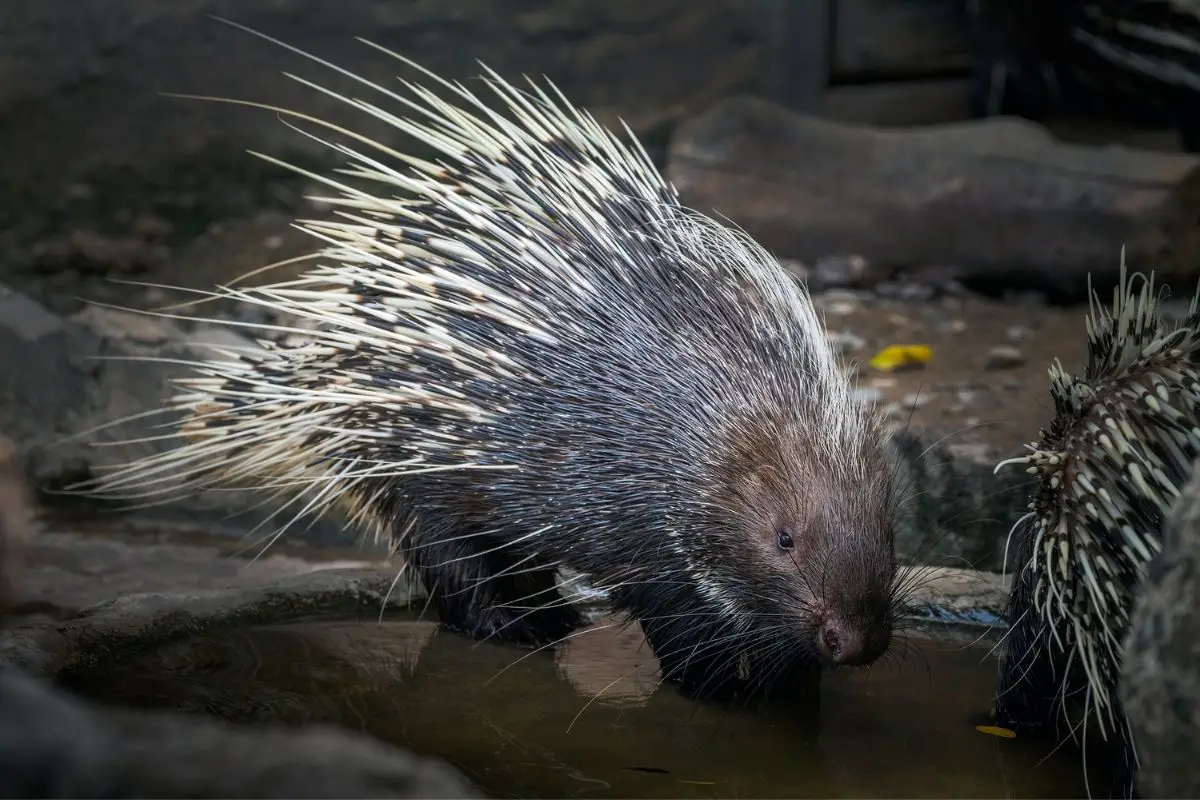
Malayan porcupine quills on a swamp.

To protect itself against predators, the North American porcupine employs a variety of tactics. Aposematism is the cornerstone of the defense strategy. This creature emits a pungent warning stench that can get stronger when provoked. An adult porcupine can use its teeth to produce a warning clacking sound and bristle its quills to show a white stripe down its back when threatened.

As a last resort, it can use its quills if the other senses fail. When assaulted, an adult porcupine turns its back to the predator. The porcupine can swing its tail at an attacker’s face if it feels threatened.

The porcupine does not hurl its quills, contrary to popular belief. Once in touch with an attacker’s flesh, a quill can readily penetrate and implant itself. The minuscule barbs on each quill let it penetrate an attacker’s skin.

This approach is effective against the majority of attackers. It is common for an attacking species to flee with a face full of quills because of the danger it poses. When all else fails, the porcupine’s only option is to climb the tree.

What do Porcupines Eat?

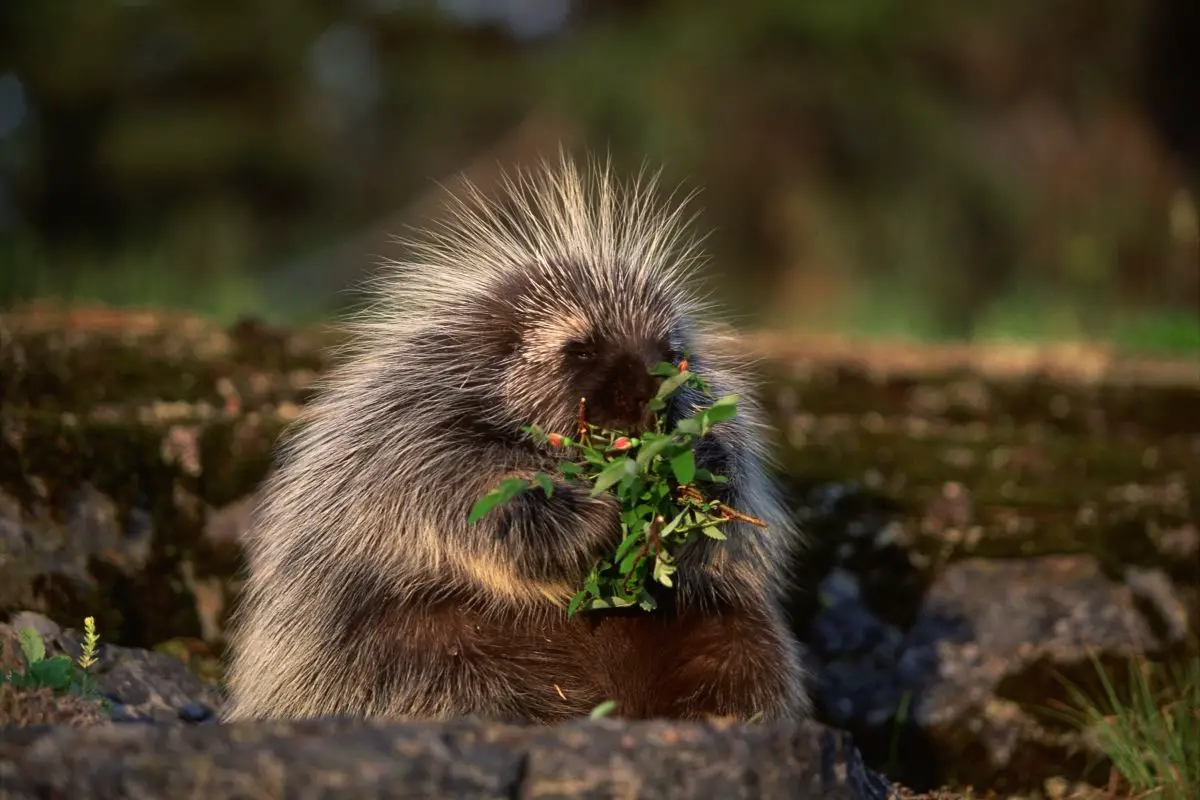
Porcupine eating a pile of green plants.

Vegetation, berries, stalks, roots, and branches … Read the rest of the story.

Should I Let A Possum Live Under My House?

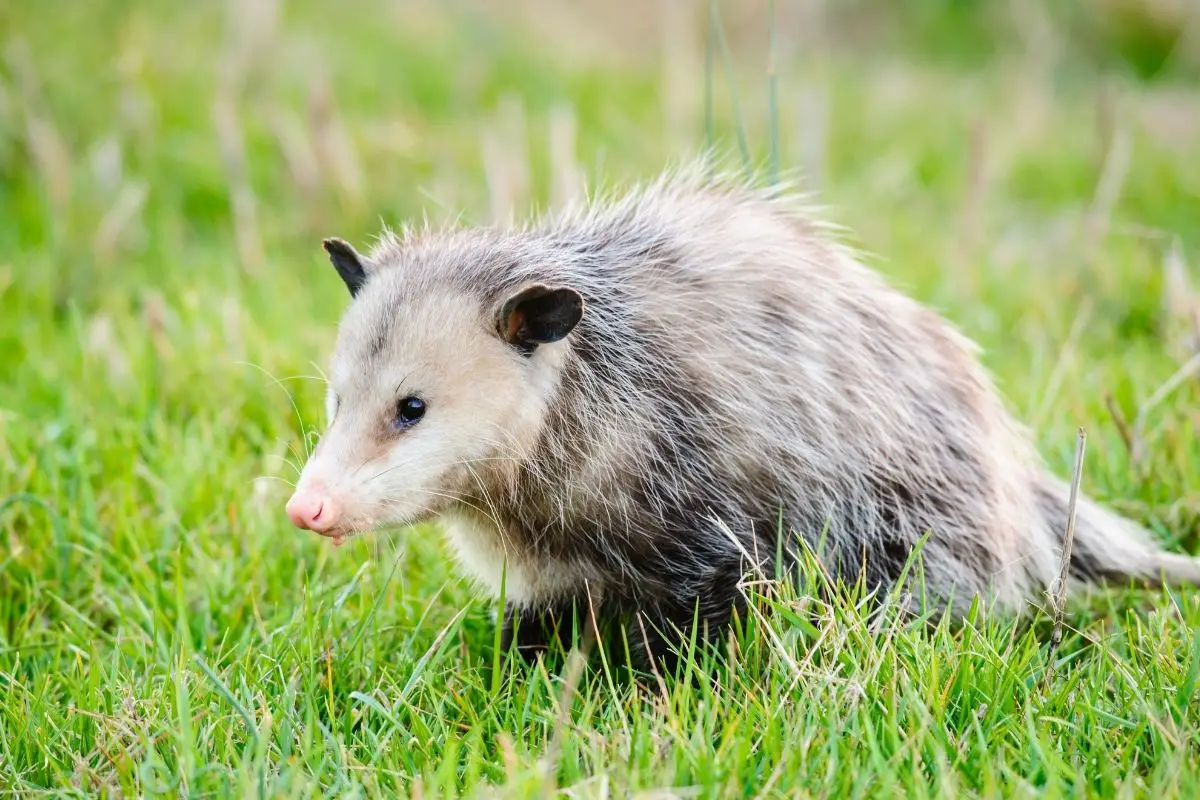
A cute possum in a backyard grass field.

As homeowners, we sometimes get critters under our houses, sheds, porches, or decks. At times, wildlife like possums tend to set up camps where they find food and safety. You might wake up one day to your trash scattered and little paw prints in the dirt surrounding the trash cans.

You may even find, to your surprise, the possums themselves stuck in the trash. So what happens when a possum takes residency under your home or other places in your yard? You might be wondering if they are safe to coexist with or if you need to take some steps to remove them.

Do possums play dead?

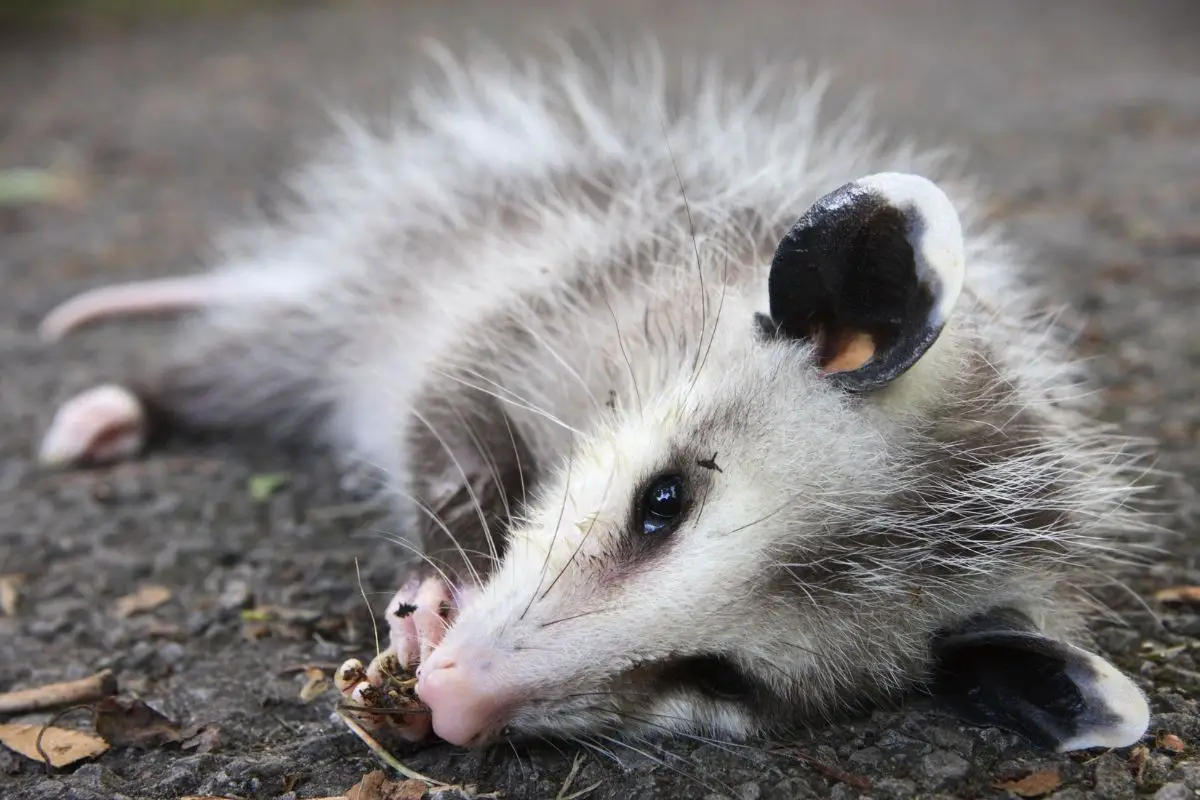
Wild possum plays dead using instictive defense mechanism for deterring predators.

When you find a possum under your house or shed, you may presume that it is unconscious or still. However, it’s far from that. The Wildlife Hotline states that the only thing a possum will ever do as a defense is to play dead.

This aids them as prey in the wild. When they play dead they are not unconscious and they have not fainted. They are alive, fully aware that they are playing dead as their defense.

Why do possums live under houses and sheds?

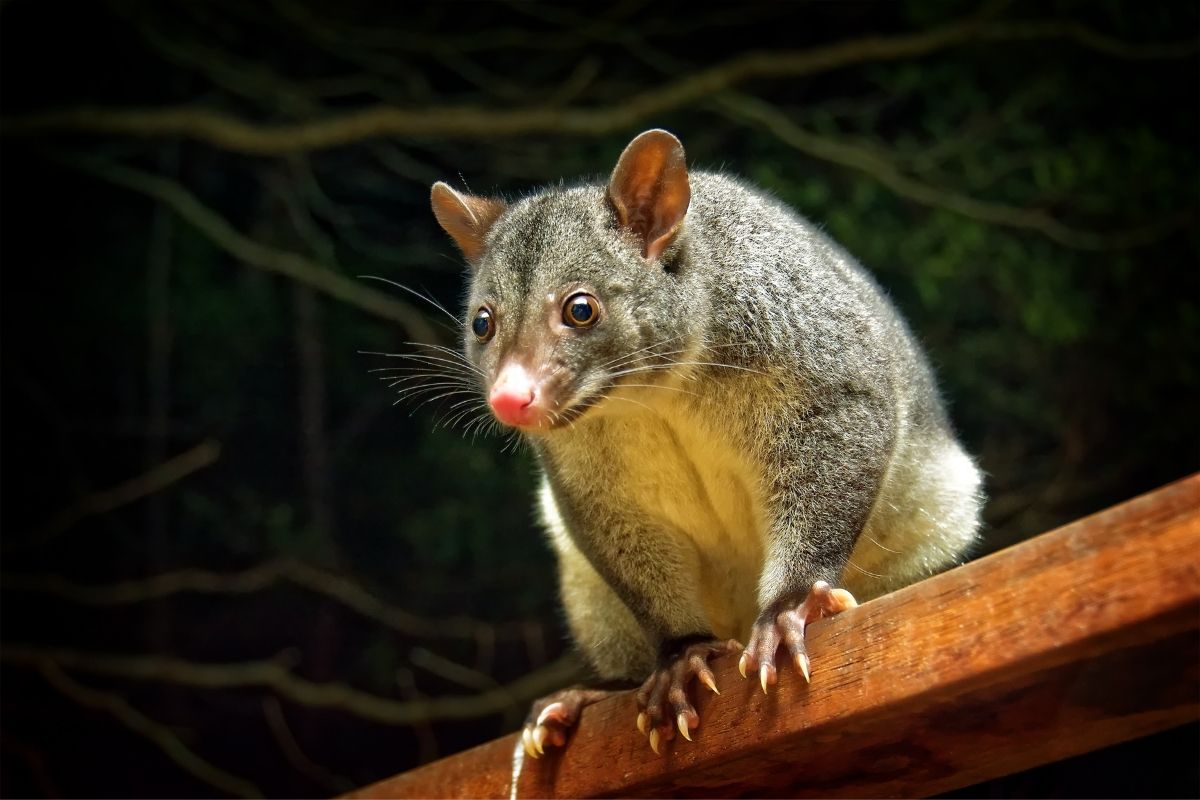
A possum perched on a backyard deck railing.

Possums live under your house because they have found a food source. This food source is from your scraps and garbage! Trash and other food scraps attract all possums and other critters as well.

The trash smells sweet and lures the possums to your door. Every household has constant trash and food scraps. So, when a possum chooses to live under your house or shed, it’s because it is constantly being fed by your leftovers.

Are possums harmful to people?

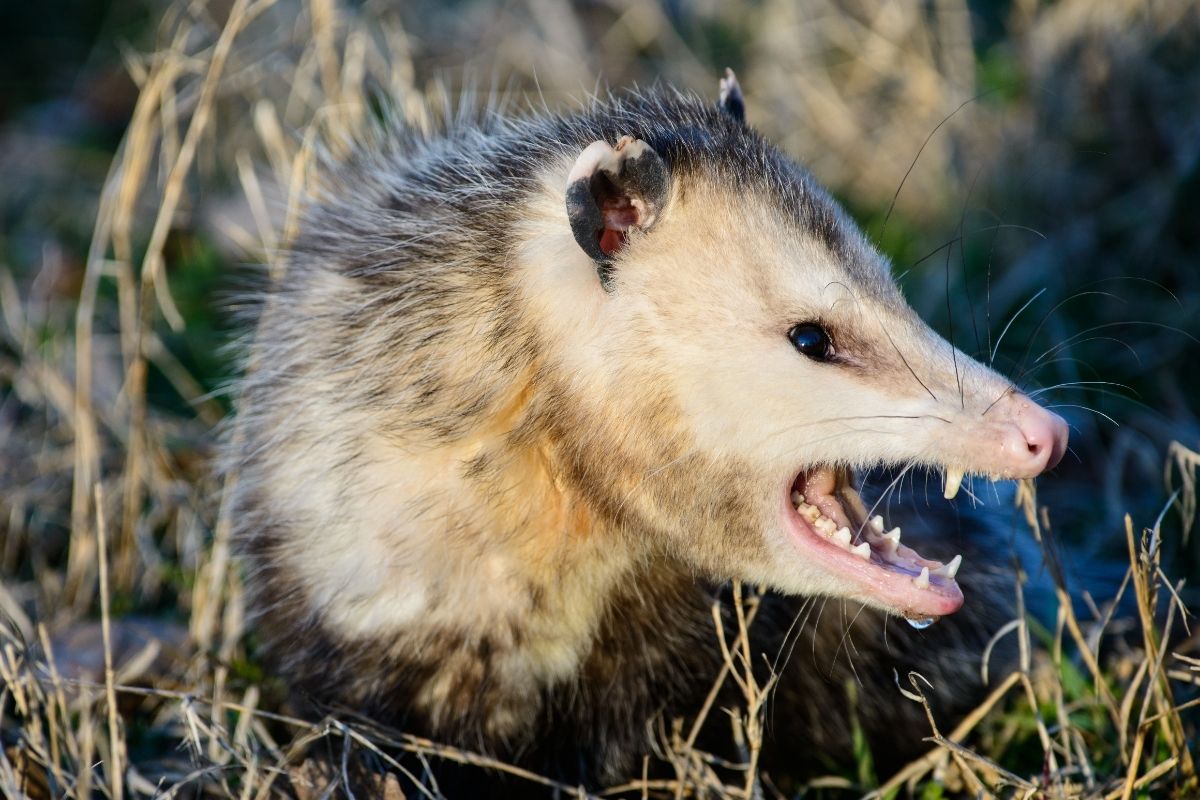
Possum displaying a fierce snarl.

According to the University of California Agriculture and Natural Resources, possums do carry infectious diseases that can infect humans and even cats. However, they can be more of a nuisance than they are harmful. They may damage your garden, dig holes under your home, and even get into fights with your dogs.

If they become too much of a burden, it’s best to find a way to safely remove or rehome them.

How do I safely remove them?

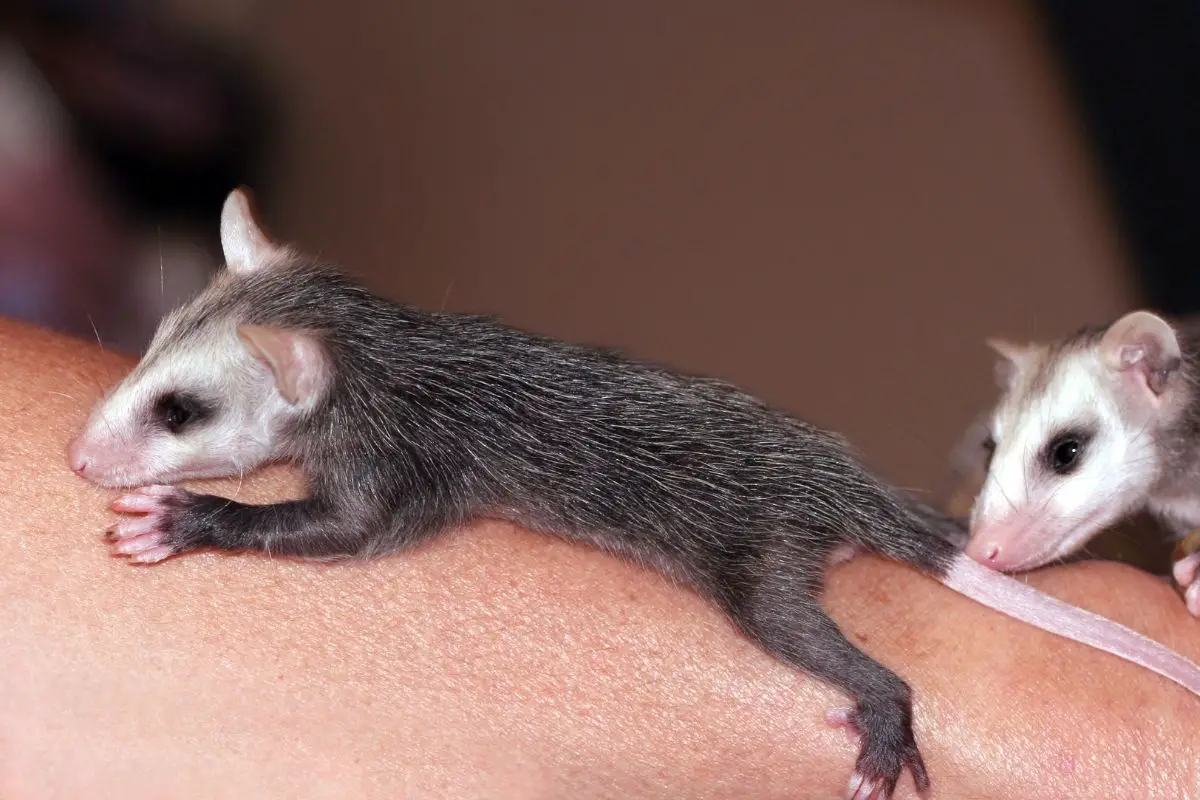
Two baby possums climbing on a woman's arm.

If … Read the rest of the story.

Do Deer Eat Their Antlers?

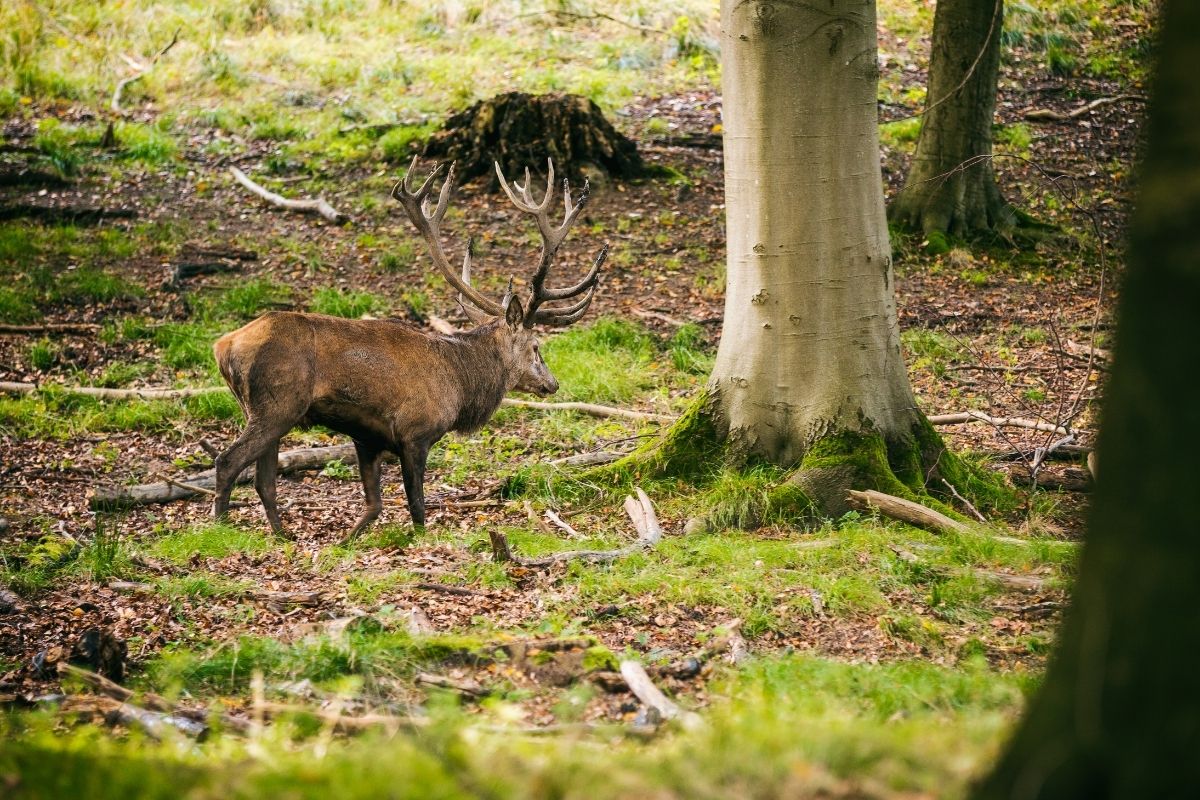
Nice deer in the wild forest.

Deer are majestic creatures that people have long been interested in observing and trying to figure out what they are all about. We know for certain that their antlers come off of them at some point, but people always wonder how that happens and why. There is even a rumor that the deer eat their own antlers and that is why they disappear from their body.

As it turns out, the rumor about eating their own antlers is something that we should explore more in-depth.

What Are Deer Antlers?

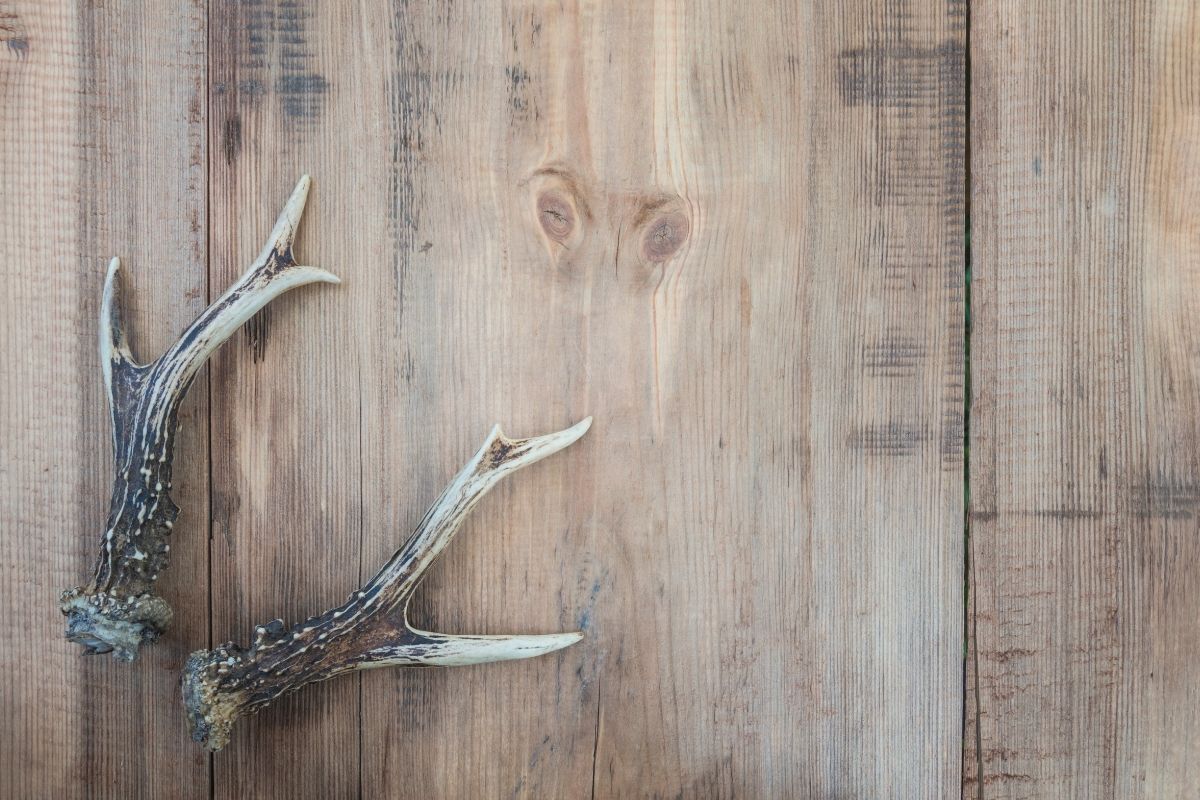
Deer antlers on rustic non paint wooden background.

You may see deer antlers hanging up high in the living room of some hunter somewhere and admire them. They are hard to look away from once you notice them. They are certainly beautiful to look at, but you might also wonder what they really are and why they deserve the attention that they receive.

The truth is that deer antlers are actually an extension of the deer’s skull. They are made from bone, cartilage, skin, tissue, and blood cells. Essentially, they are just an extension of the deer’s body.

Facts About Deer Antlers

It is vital to know that antlers are not horns. They have some similar characteristics in the fact that they are found on top of the head of an animal, but they are certainly not horns. It is easy to see how someone could get those two ideas confused, but it is important to recognize the difference.

They don’t serve the purpose of being used for combat as some animals use their horns, but they may serve as a defensive deterrent in some specialized cases. The point is, deer antlers are more about attracting a mate than they are about any kind of utilitarian purpose beyond that. Thus, deer antlers are very pretty to look at.

They have to be in order to be as appealing as they are to a potential mate.

Do Deer Antlers Have Value To Humans?

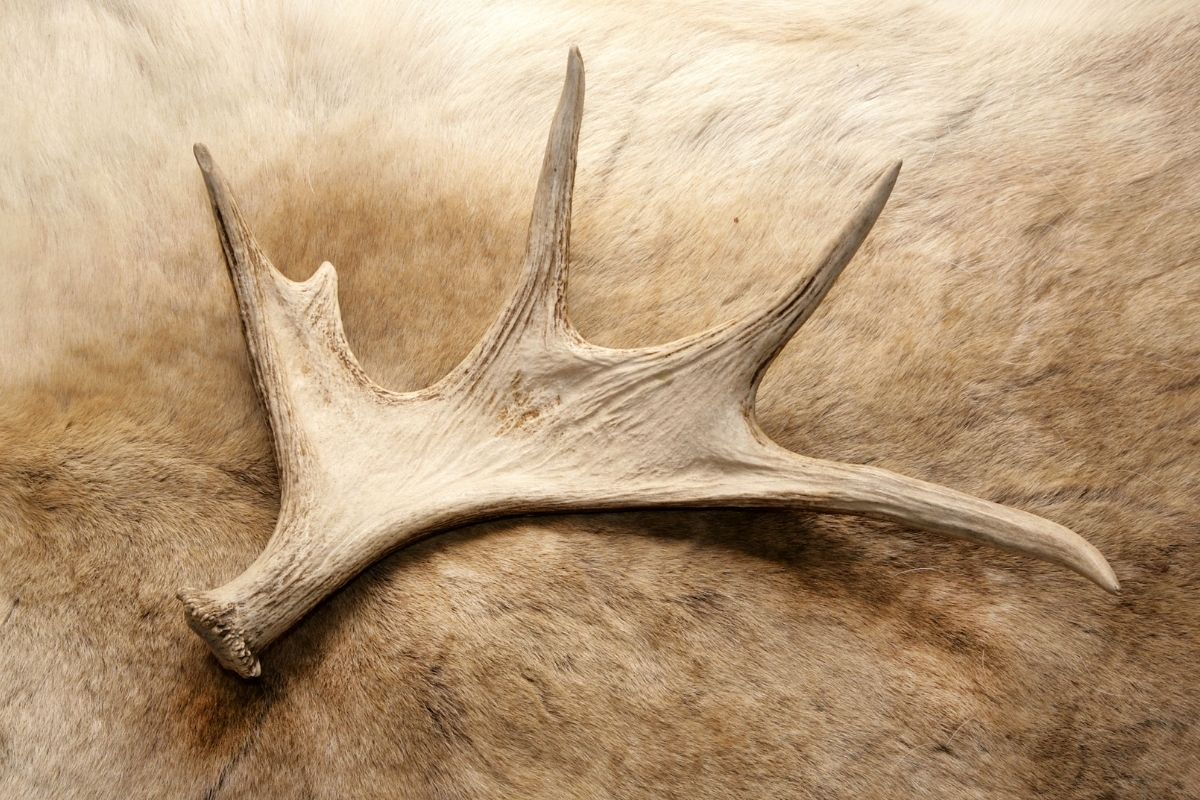
Antlers deer horns on a furry background.

Yes, deer antlers can be very valuable to humans who want to look them over. They are used not only for scientific purposes (though that … Read the rest of the story.

What are the Oldest Forests in America?

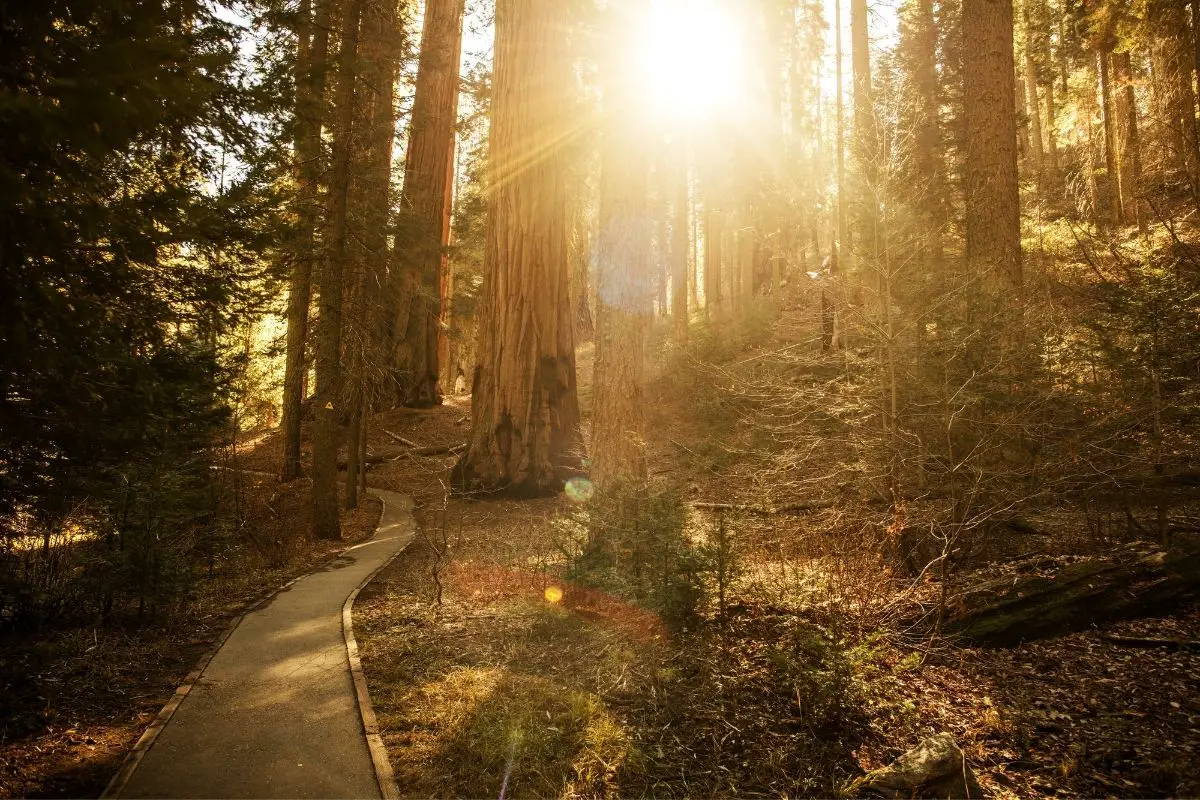
Sunny forest trail in a national park.

Imagine standing next to one of the tallest and oldest species still alive today–and taller than the tallest dinosaur ever recorded.

The Sitka Spruce are some of the oldest trees in America and they reach towards the sky at an impressive 180 feet, about the height of a 17 story building. There are places in America with trees that have existed for centuries.

You can visit several states across the US to experience them today.

Tongass National Forest, Alaska

A stunning aerial shot of Mendenhall glacier.

Tongass is the largest forest in the nation and some of the trees that are home here are thought to be more than 800 years old. Some of the rarest creatures live in the Tongass, including the Grizzly Bear and the Archipelago Wolf. It’s also home to the largest population of Bald Eagles in America.

The Tongass covers about 17 million acres and some of the trees which inhabit the area have trunks that measure, in diameter, more than 12 feet! The main types of trees found in the Tongass include Sitka Spruce, Red and Yellow Cedar, and Western Hemlock.

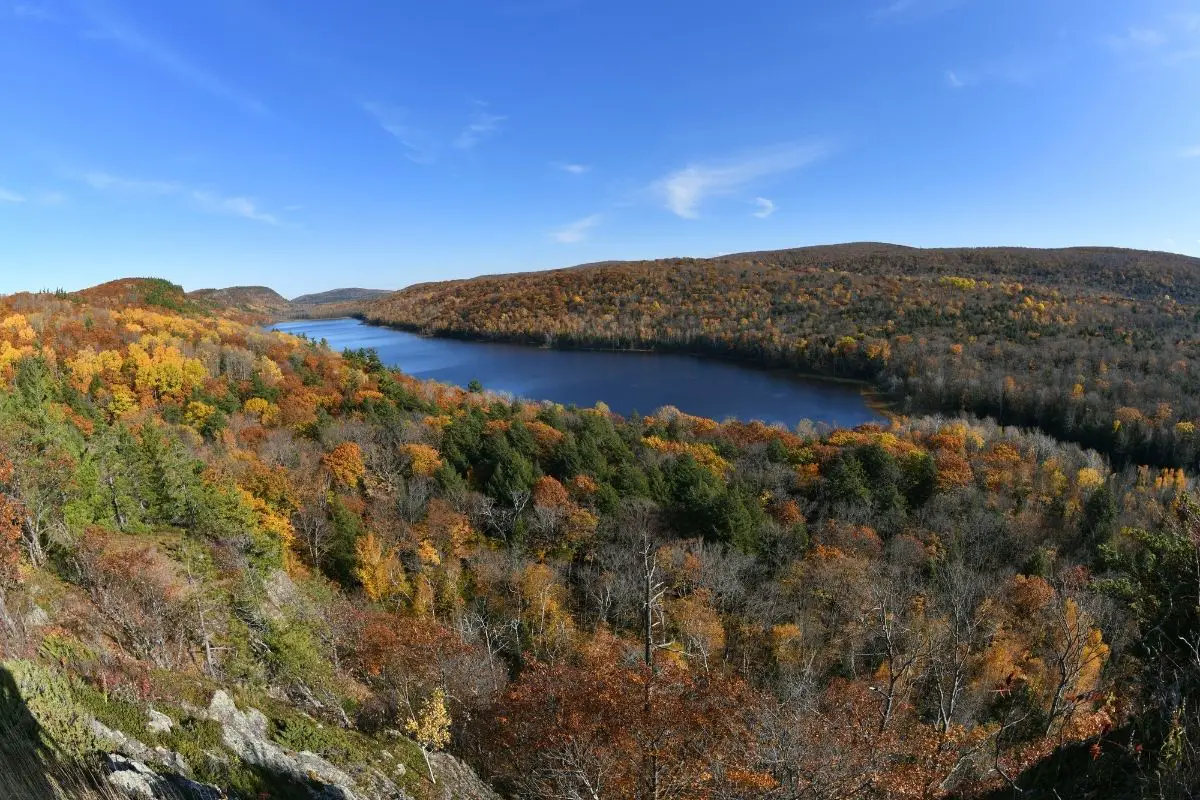
Porcupine Mountains, Michigan

An aerial shot of a Lake surrounded by various flora.

Sugar Maple, American Basswood, and Yellow Birch are the most common types of old trees you can find in the Porcupine Mountains. The Porcupine Mountains are home to one of America’s oldest old growth forests. Old growth forests are otherwise called virgin forests, forests that have not ever been disturbed by logging.

The area is abundant in many species of trees and wildlife, including gray wolves, coyotes, red foxes, mink, bobcats, black bears, and white-tailed deer. The Porcupine Mountains state park dates back to 1945 and was established as a protective order for the old growth trees that grow there, mostly the maple hemlock species.

Rock Creek Wilderness, Oregon

Snowmass wilderness area at sunset near Aspens and Snowmass, Colorado.

The wilderness of Rock Creek is mostly dense rainforest and home to many Big Leaf Maple trees and Red Alder Trees. However, you can find Douglas Firs in this part of Oregon, which are some of the oldest in the area. Nearer to the ocean, you can find older Sitka Spruce as well.

According to Scientific American, “protecting remainingRead the rest of the story.