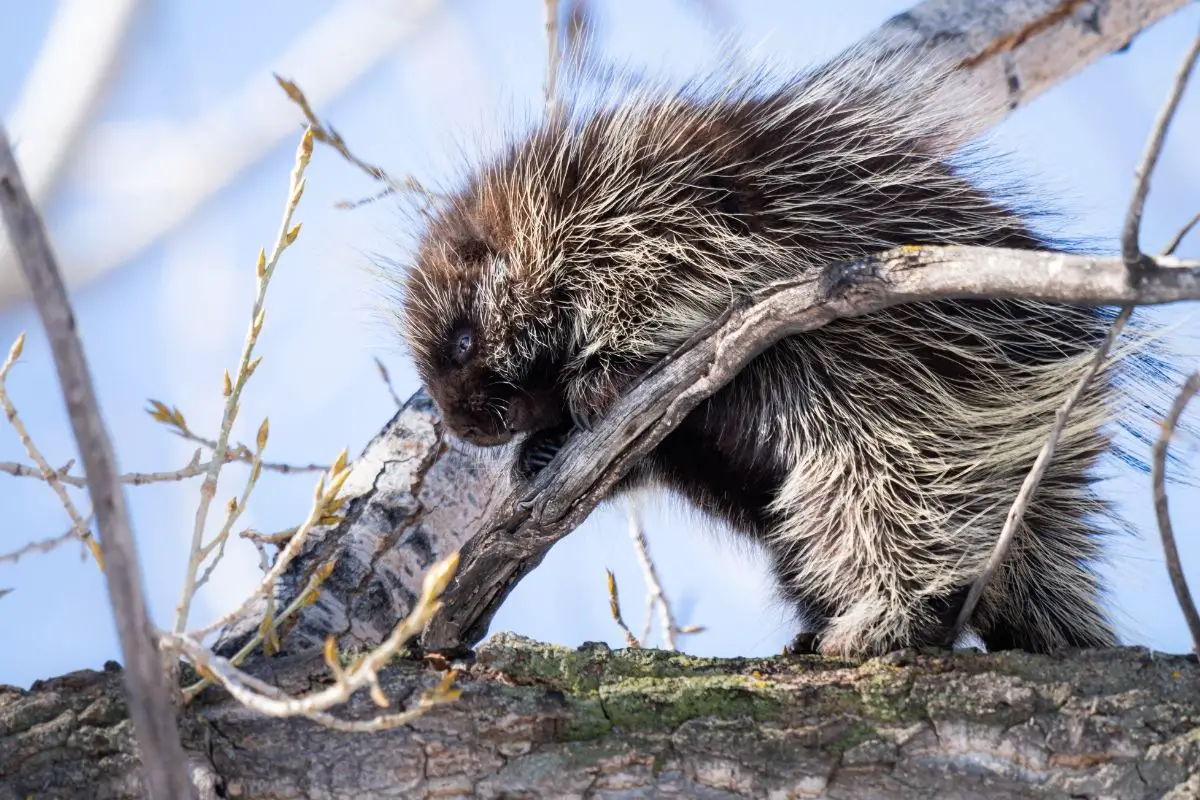
In addition to fishers, porcupine quills have been detected in the bodies of wolves, bears, lynxes, foxes, bobcats, cougars, coyotes, and even great horned owls. Predators kill porcupines by biting or flipping them over, exposing the weak bottom, and then devouring the defenseless head and neck. However, the fisher is its most successful predator.
What is a Porcupine?
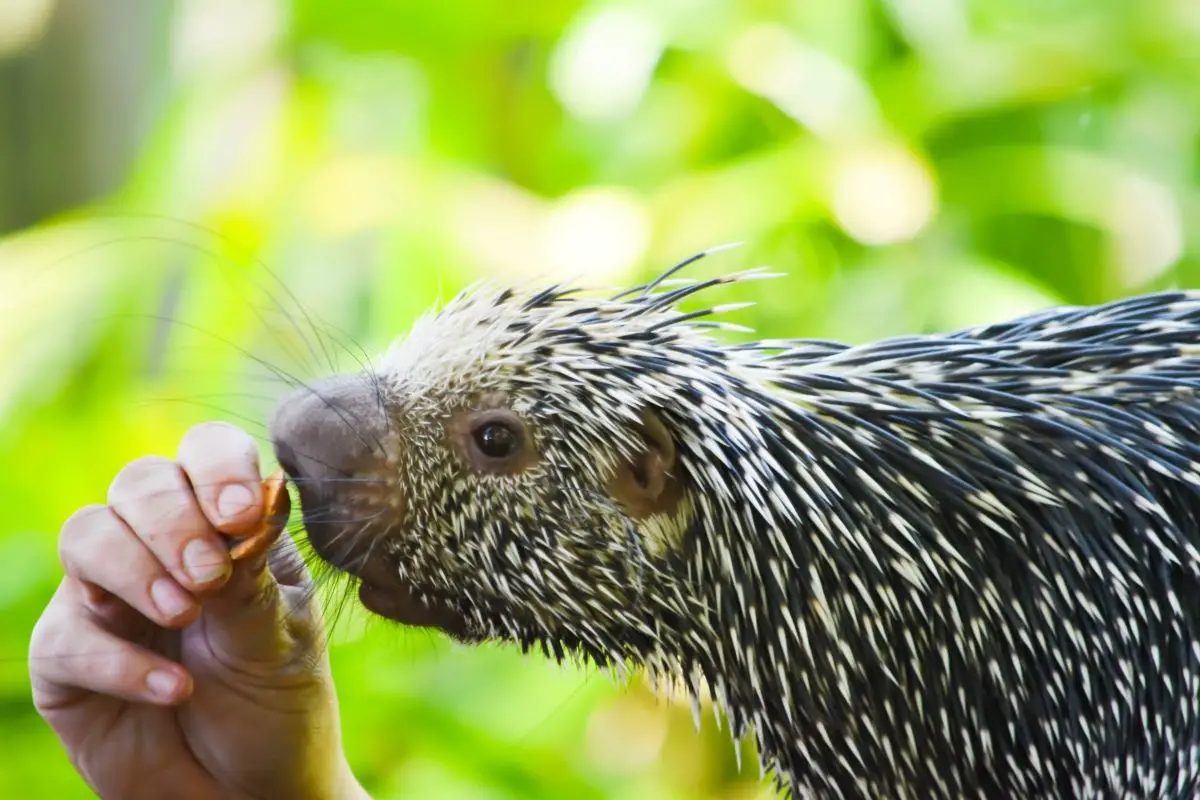
The second-largest rodent in Canada and the United States is the sluggish North American porcupine. You’ll come across them in most of North America’s wooded areas. The body and tail together can grow to a length of 25 inches (64.5 cm) and 5.5 in (14.5cm) respectively.
Why do Porcupines Have Quills?
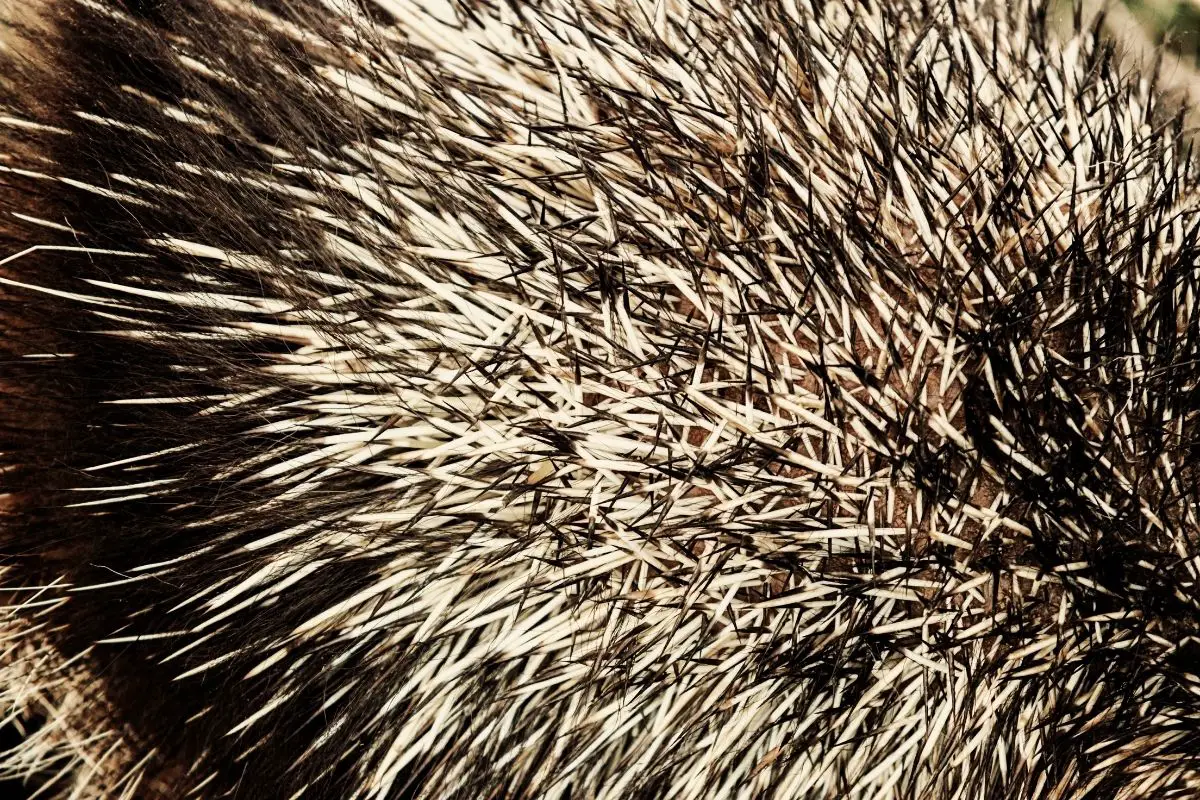
Quills cover the animal’s rump, neck, and head for added protection against predators. The North American porcupine’s spiny tail is used to lash out at its attacker when it is threatened. Poisonous quills can be easily removed from a porcupine’s body and left stuck in an attacker’s flesh.
It is a myth that porcupines can hurl their quills. Barbs cover the tips of the quills and point backward away from the tips. The barbs on a quill make it tough to remove if it gets lodged in the skin of another animal.
Even though porcupine quills can cause tissue and organ damage, they seldom become infected. The porcupines need this to protect themselves from being impaled by other porcupines, which is a common occurrence among the species. The porcupines’ air-filled quills make them excellent swimmers.
When Can You Come Across Porcupines?
North American porcupines are active throughout the year, even though they are nocturnal. During the warmer months, they eat a wide range of shrubs and tree leaves. They feed on evergreen needles and the cambium and inner bark of trees in the winter.
They are drawn to roads where salt has been used to melt winter ice because of their love of salt. They will nibble on canoe paddles, ax handles, and saddles at campsites because of the salty sweat on them. A porcupine only has one litter.
Unlike their stolid parents, young porcupines may move about pretty quickly after … Read the rest of the story.

No comments:
Post a Comment