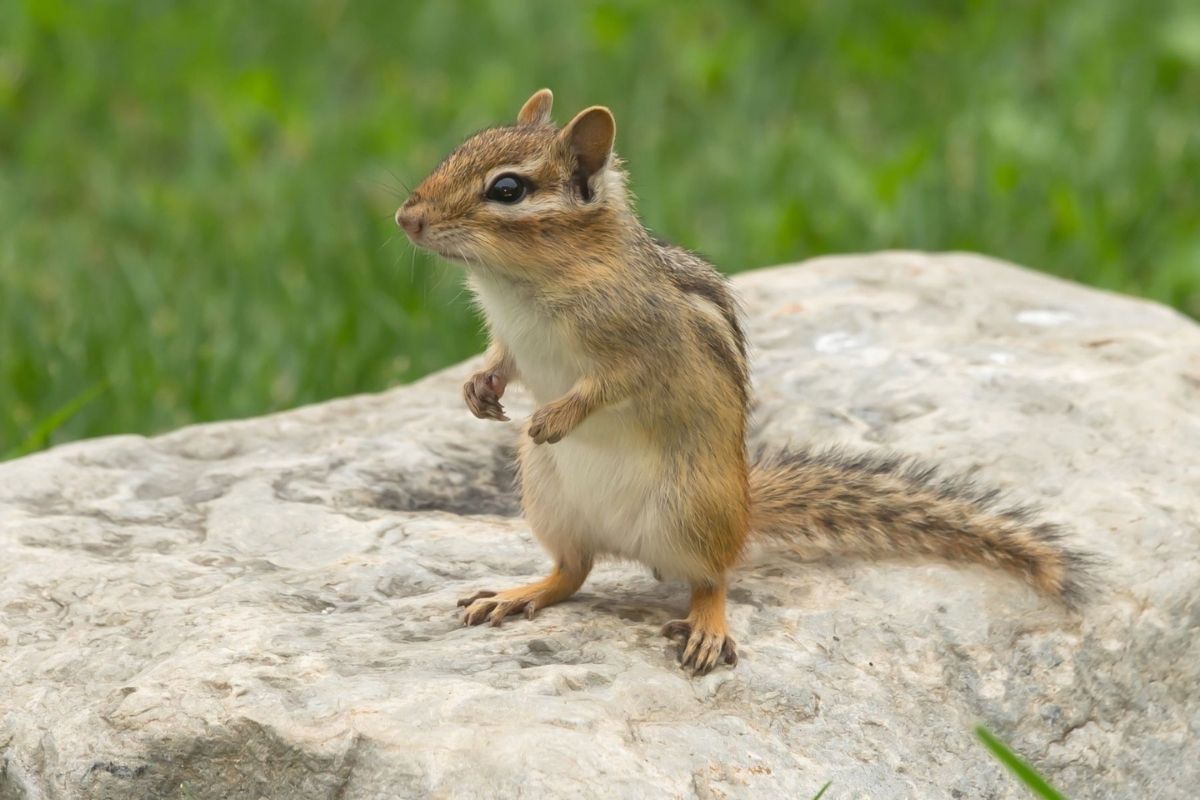
My first time actually seeing a chipmunk was at Glacier National Park in Montana. They were relatively easy to find along the trails and would scamper away in most cases. However, there were some that had learned how to get their food from tourists.
At trailheads, or at overlook areas, it was common to have a chipmunk come up to you and wait for you to throw them a crumb of bread or something. Some would even get aggressive. As aggressive as a five-ounce animal can at least.
There was a huge discrepancy between the healthy-looking fit ones in the wild, and the fat ones that could hardly walk through parking lots where tourists hung out. There are 25 species of Chipmunks, and three Genus: Eutamias, Tamias, and Neotamias.
Genus Eutamis
Siberian Chipmunk
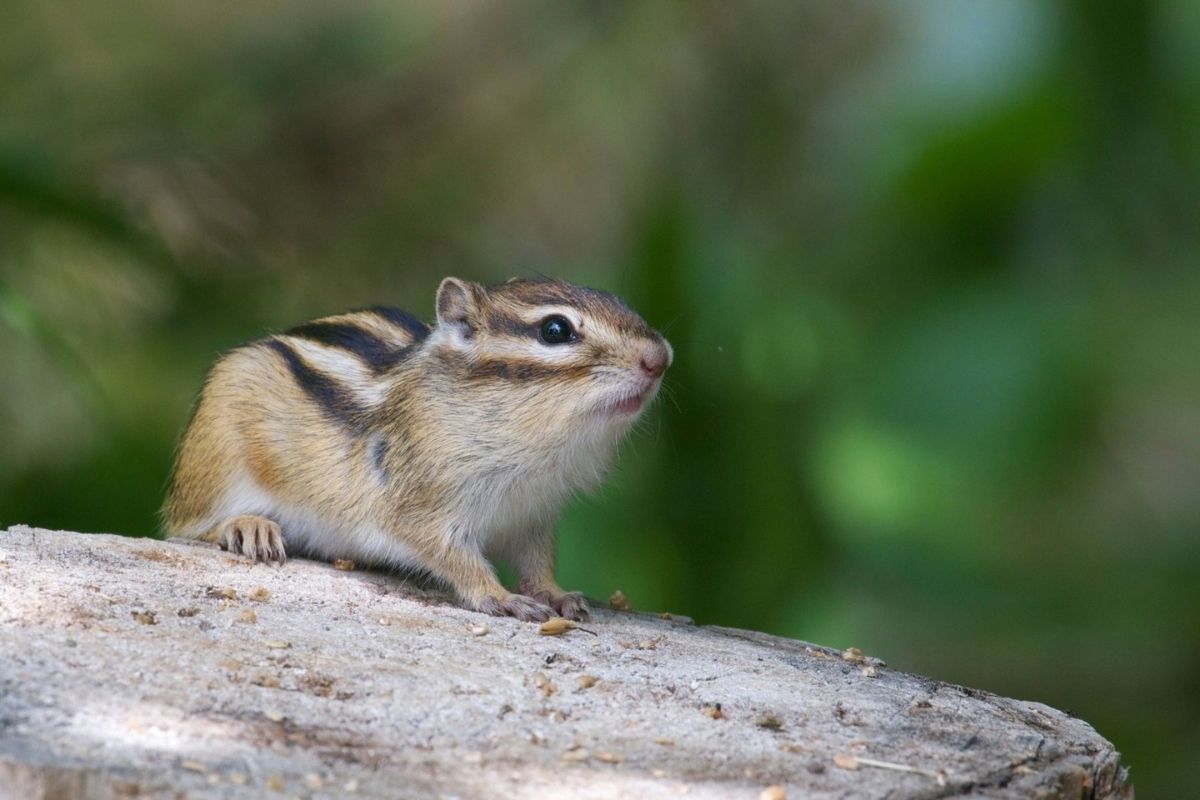
The Siberian Chipmunk is the only Chipmunk that lives outside of the North American continent. It lives in central Russia, parts of China, Korea, and Japan. The Siberian Chipmunk’s diet is not very different than his North American counterpart.
They like seeds, grain, fruit, and vegetables, and will eat small birds and lizards when they get a chance. In the wild, it is believed they eat about six times a day, and they spend most of their time looking for food. Like squirrels, they will store extra food in their cheeks, and hide things like acorns to eat later.
Siberian Chipmunks get their food from foraging, always on the lookout for anything they can chew on. In captivity, Siberian Chipmunks are known to live as long as 10 years, but in the wild, their lifespan is two to five years. Many are food for larger animals.
These animals are not nocturnal, they are active during the day and nap at various times. In winter, they do not hibernate, but will likely sleep much longer and eat less often. They may make a burrow in a log or in a bush, but some of them create underground tunnel systems.
Even when they have a system of tunnels, Siberian Chipmunks are individualistic and territorial about their own area. The … Read the rest of the story.

No comments:
Post a Comment