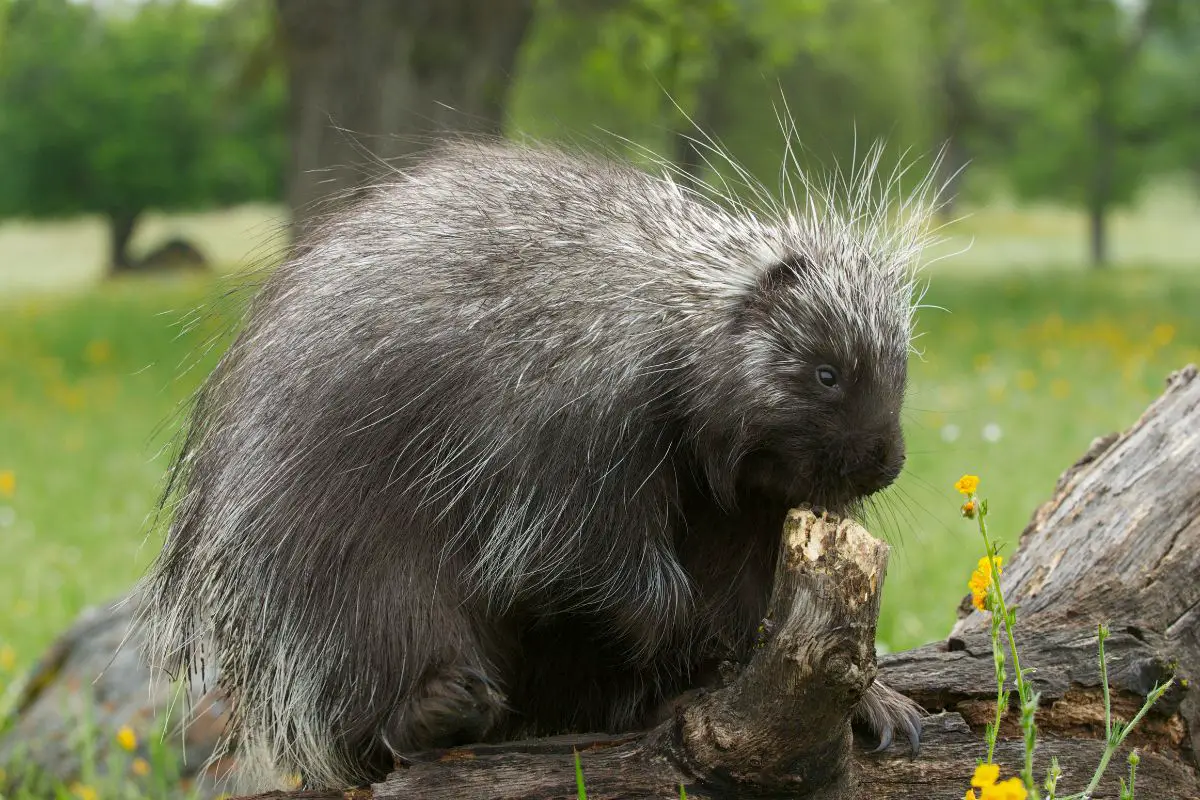
Porcupines (Erethizon dorsatum Linnaeus), also known as the North American, Canadian, or common porcupine, do not hibernate. During the winter, they wander away from their den and feed on tree bark. Porcupines climb trees by grasping the bark with their hind legs and propping themselves on branches with their tails.
When they finish eating, they back themselves down the tree. The strange thing is that they often fall and break bones. But, unlike you and me, porcupine bone fractures heal quickly.
Did you know that a porcupine has up to 30,000 sharp quills covering its body and tail? I used to think porcupines throw their quills, but they actually release them if an animal touches the quills. Find out more about porcupines, their habits, and their habitat.
Do Porcupines Hibernate in the Winter?
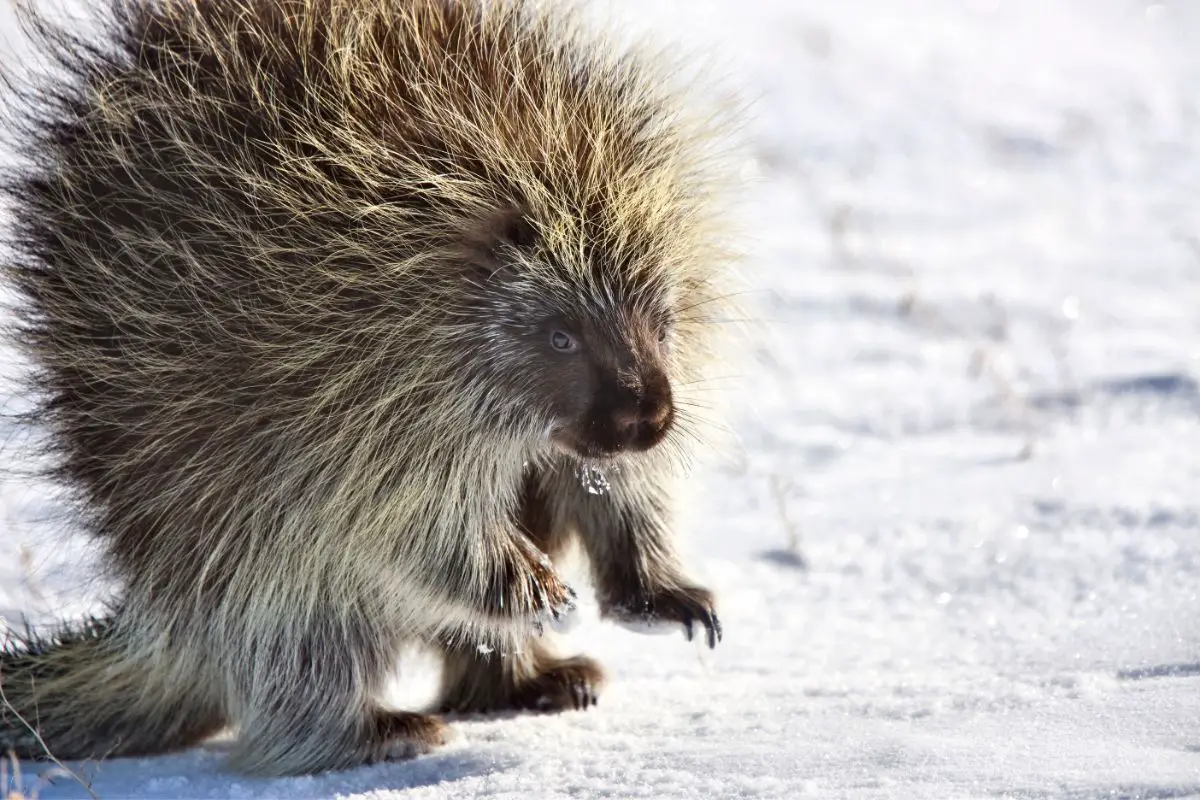
Porcupines don’t hibernate. They forage for food in the winter, eating the bark from trees. Their quills help insulate them from the cold. They also gather plants that live near water, but they don’t like to swim.
You can tell if a porcupine has been around because you’ll see bark, sticks, and scat under trees and in the snow where porcupines forage. You won’t catch sight of them during the day since they’re active at night.
What Do Porcupines Look Like?
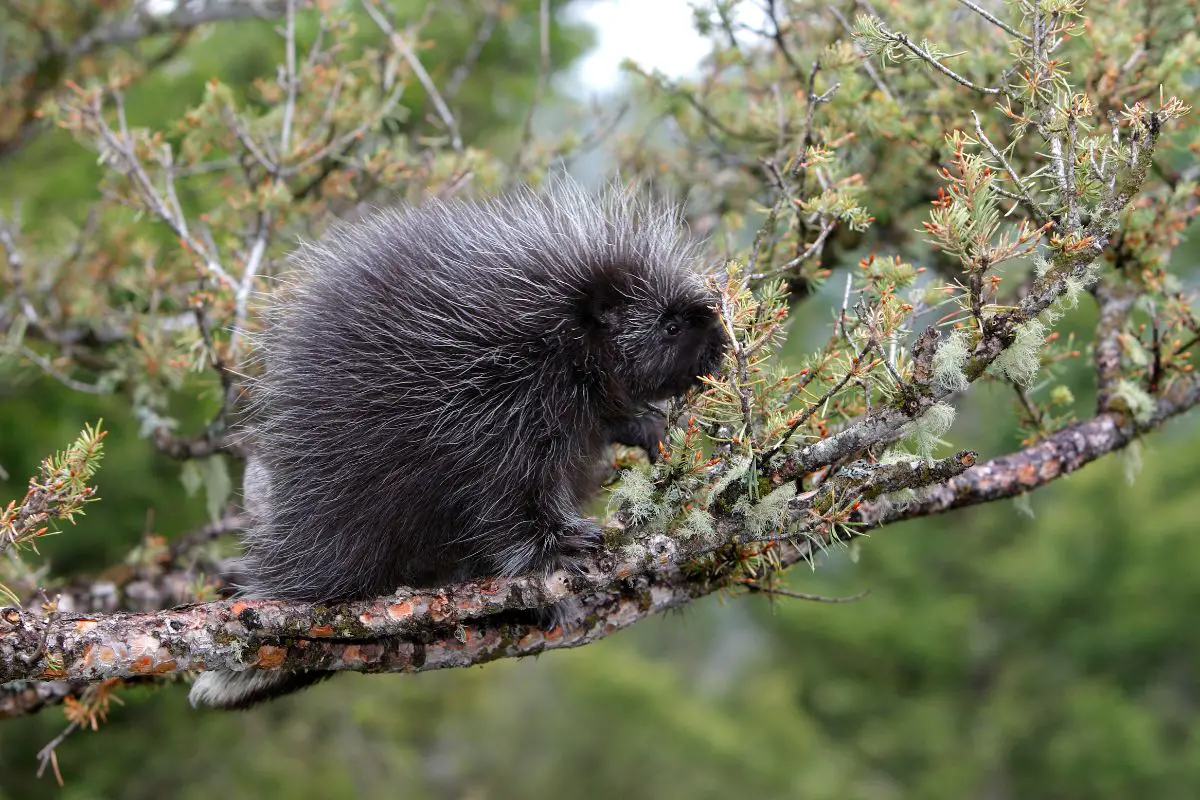
Porcupines are unique, slow-moving rodents. Here are some of their unusual features:
- Small head and ears
- Heavy body
- Thick, muscular tail
- Orange, red incisors
- Large feet with long curved claws
- Brownish black upperpart with yellow guard hairs
- Yellow, barbed quills or spines with black tips
- Bare on the bottom of the feet
- Walk with a swaying gait
How Do Porcupines Protect Themselves from Predators?
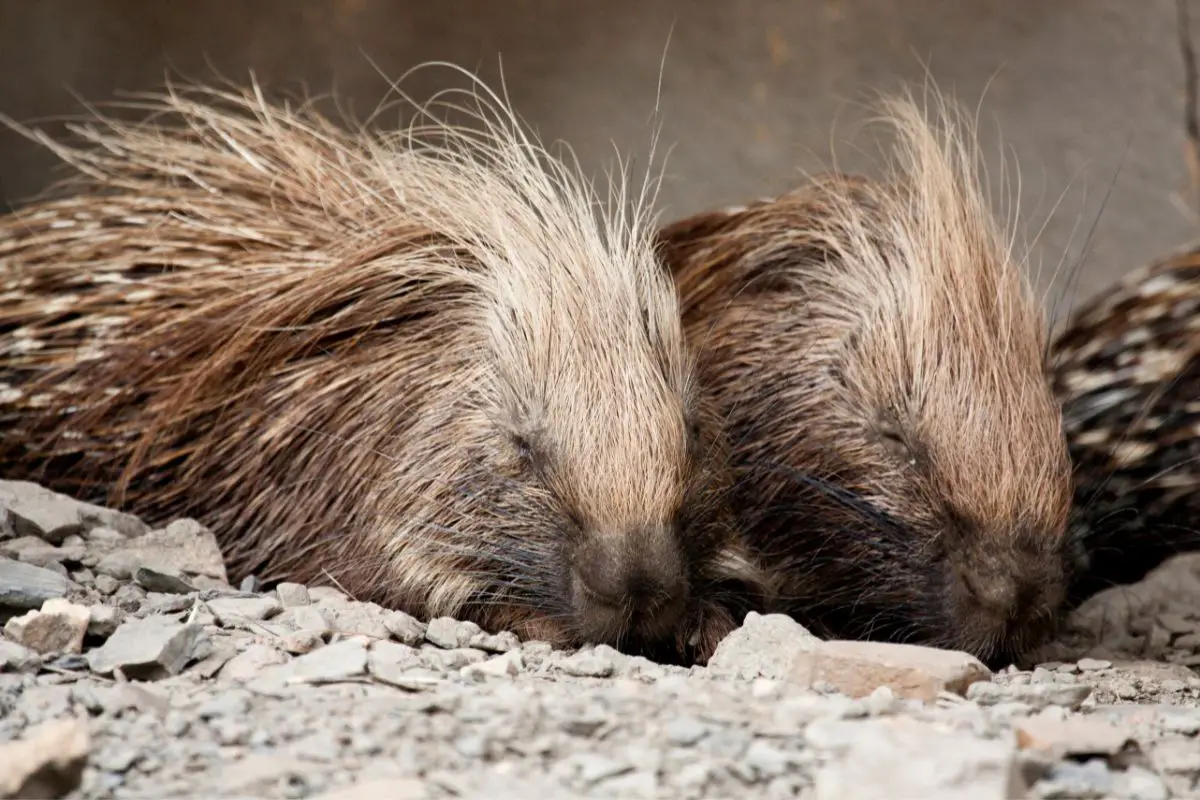
Many young porcupines fall prey to predators. These predators include foxes, fisher cats, black bears, coyotes, bobcats, weasels, and great horned owls, among others. Porcupines aren’t aggressive but they protect themselves by releasing their needle-sharp quills if a predator touches them.
Their quills are hollow and barbed. When threatened, the porcupine lifts up its quills and detaches them into the predator’s skin. Then, the porcupine drives the quills … Read the rest of the story.

No comments:
Post a Comment