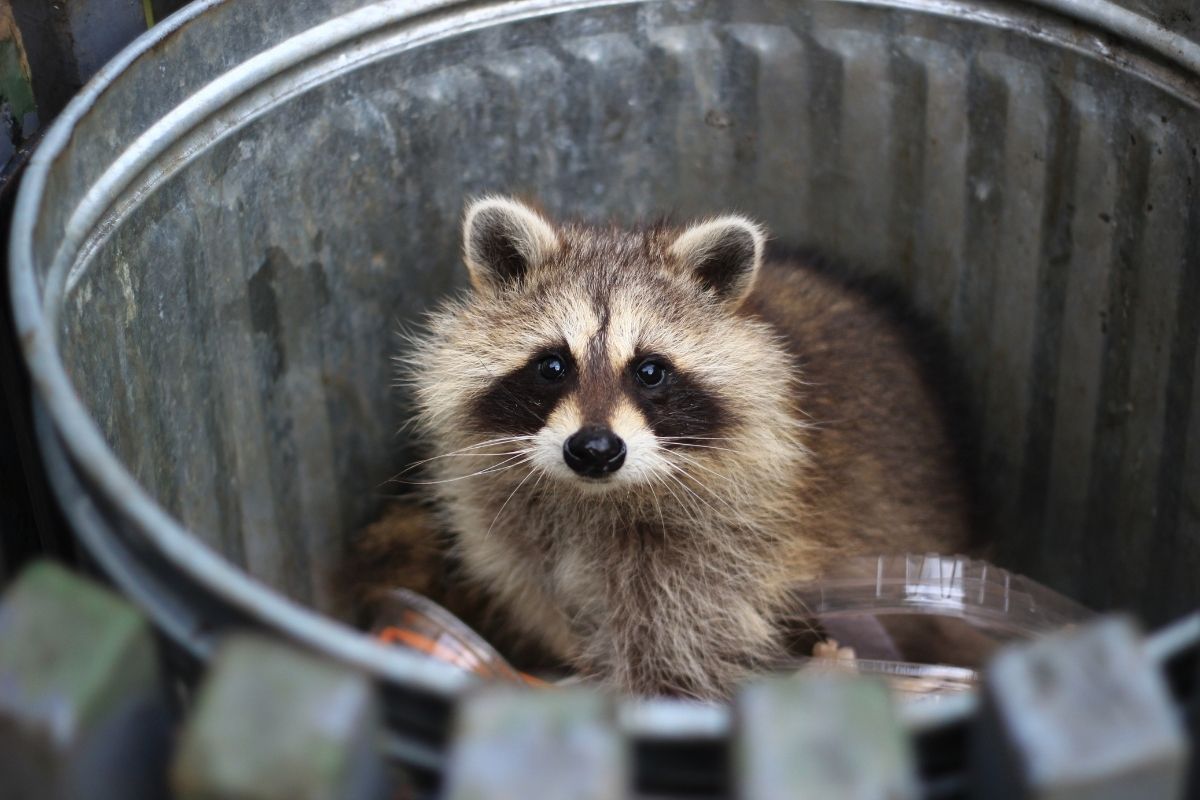
You might be wondering why raccoons make all those different noises. Well, there are a few reasons. The most common noise that raccoons make is called screaming.
This is because it’s mating season, and the females are trying to find males in their territory. Males will also scream when fighting other males over territory or food. Other sounds that raccoons make include chattering, hissing, growling, and purring.
Raccoons are generally nocturnal creatures, so you’re more likely to hear them at night. However, if you do encounter a raccoon during the day, it’s probably because they’re looking for food. Raccoons are very adaptable creatures and can live in a wide range of habitats, from forests to urban areas.
In fact, raccoons are one of the few animals that have actually thrived in urban environments.
What Noises Do Raccoons Make?
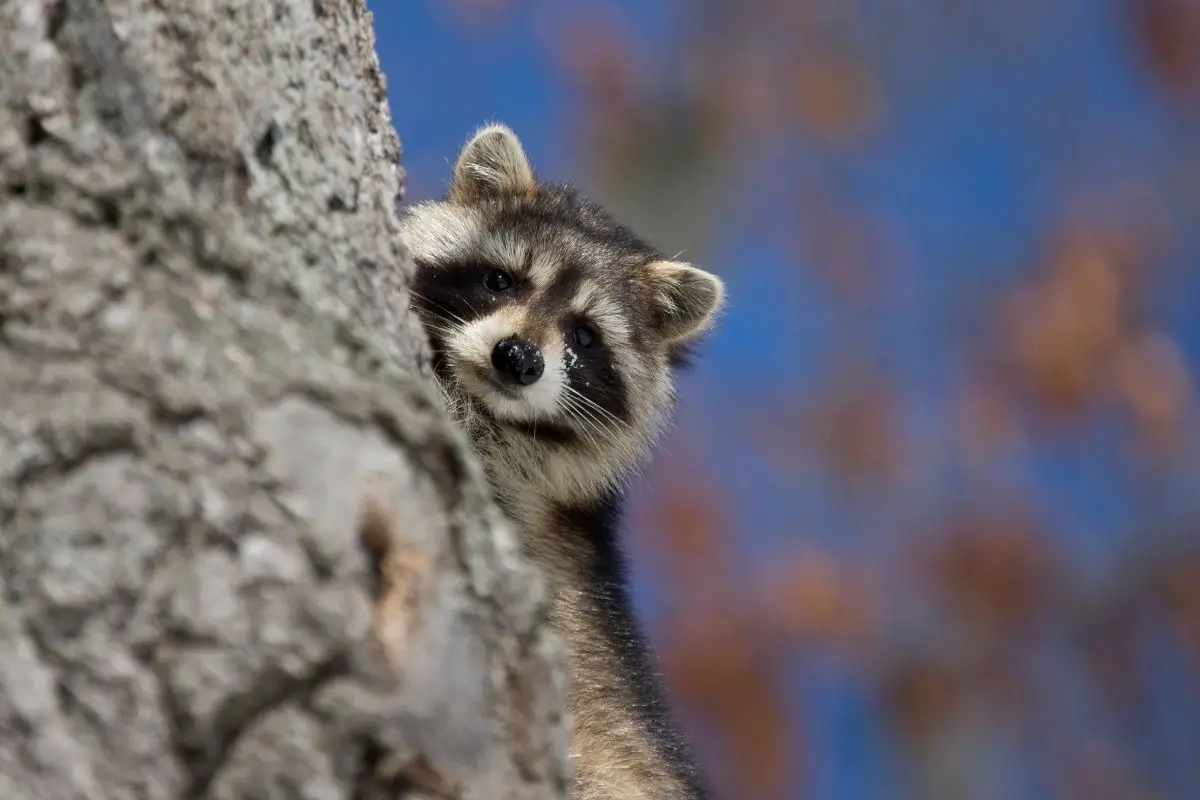
Raccoons are known to make a variety of noises, including hisses, grunts, growls, and barks. These noises can vary depending on the situation, but they typically indicate that the raccoon is either feeling threatened or is trying to intimidate something. Hisses and growls are usually reserved for when a raccoon feels threatened, while grunts and barks are more commonly used as warning signals.
In some cases, raccoons may also make chattering or purring noises when they’re happy or content.
Why do Raccoons Make These Noises?
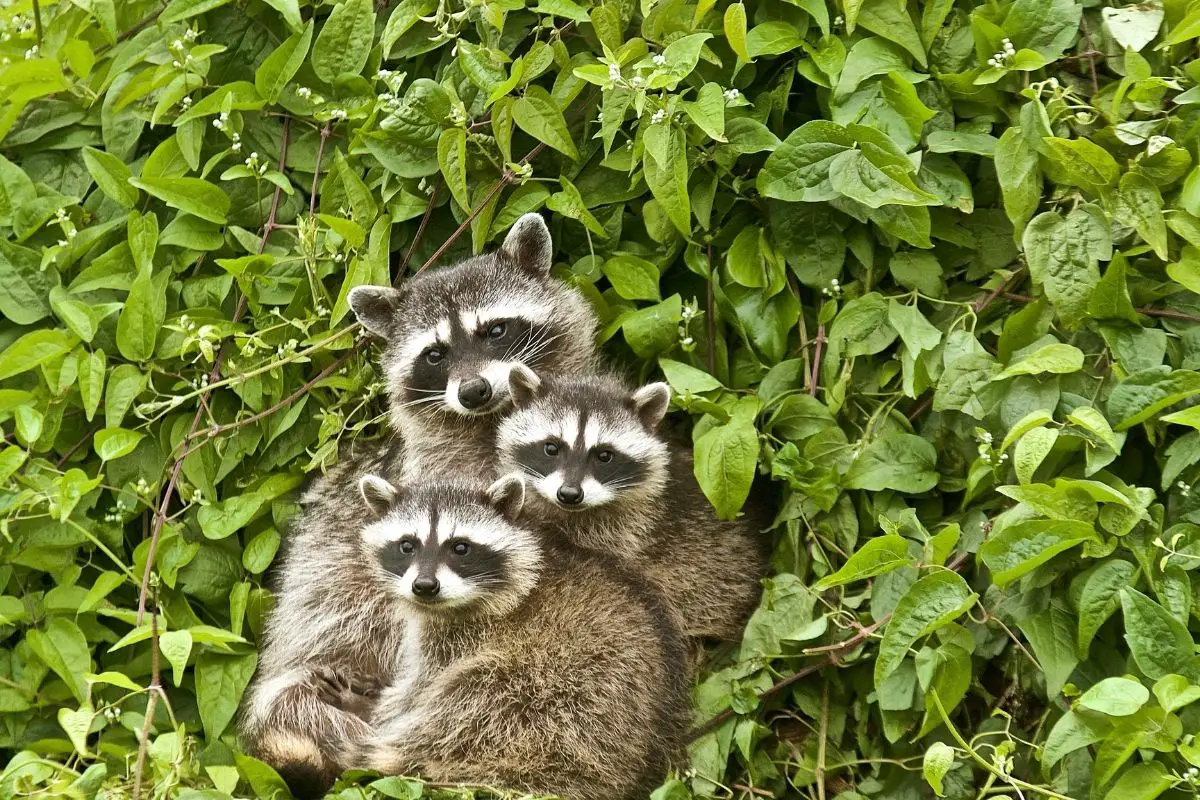
Raccoons are relatively quiet animals, but they do make a variety of sounds. The noises they make can be divided into a few different categories, including vocalizations, screams, growls, and clicks. Each type of noise serves a different purpose, whether it’s to communicate with other raccoons or to warn off predators.
If you hear a raccoon making any of the following noises, it’s best to stay away and give the animal some space. Raccoons can be aggressive, especially if they feel threatened, and they may also carry diseases that can be harmful to humans.
1. Hisses
Raccoons hiss when they feel threatened or startled. It’s a way to warn off whatever has caught their attention.
2. Growls and Snarls
Growls and snarls are usually reserved … Read the rest of the story.

No comments:
Post a Comment