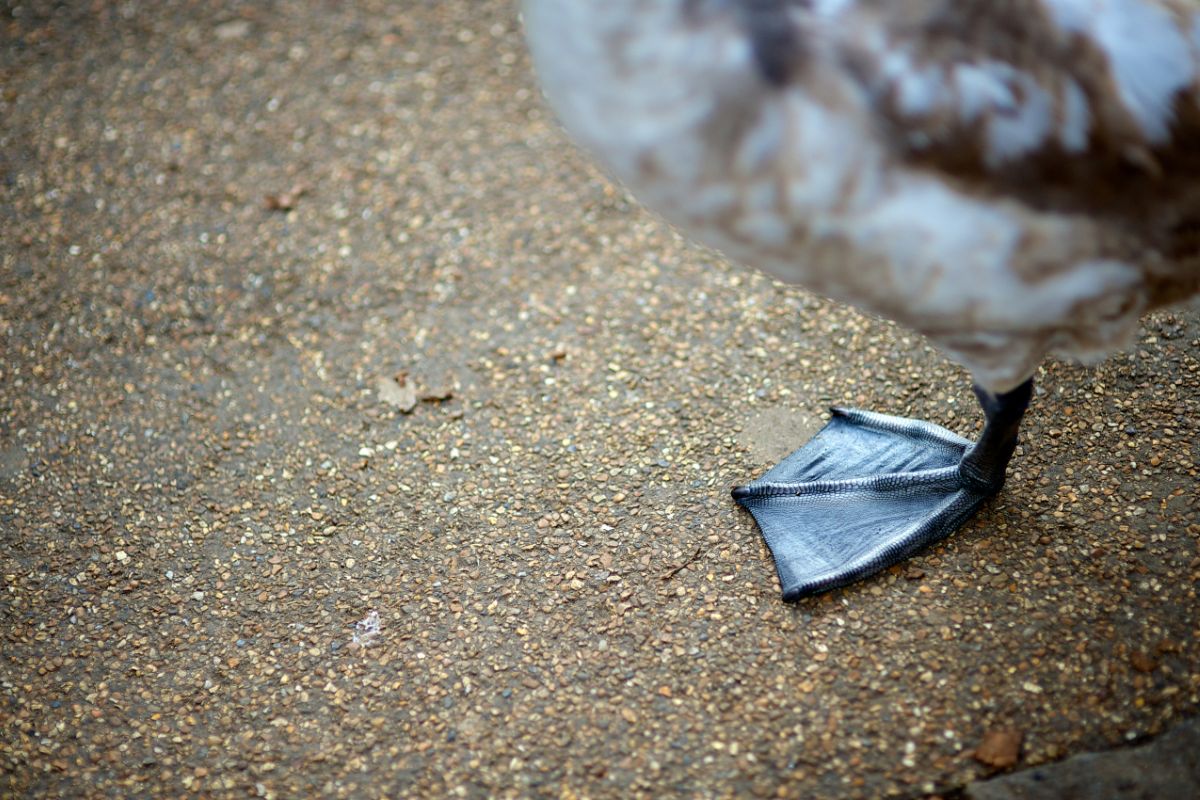
Penguins, geese, ducks, albatrosses, coots, avocets, and flamingos are a few examples of birds that have webbed feet. Did you know that there are over 400 bird species with webbed feet? Webbing between the toes is a feature of swimming among certain birds.
The webbed feet help the bird to be more effective in the water. Additionally, diving birds also use it to propel themselves through the water. I’ve always been impressed by gosling’s ability to swim as early as two weeks after birth.
But, until I learned about their webbed feet, I was always perplexed about how they could swim at such a young age. Let’s look at the different webbed feet and birds with web-feet features.
Webbed Foot Explained?
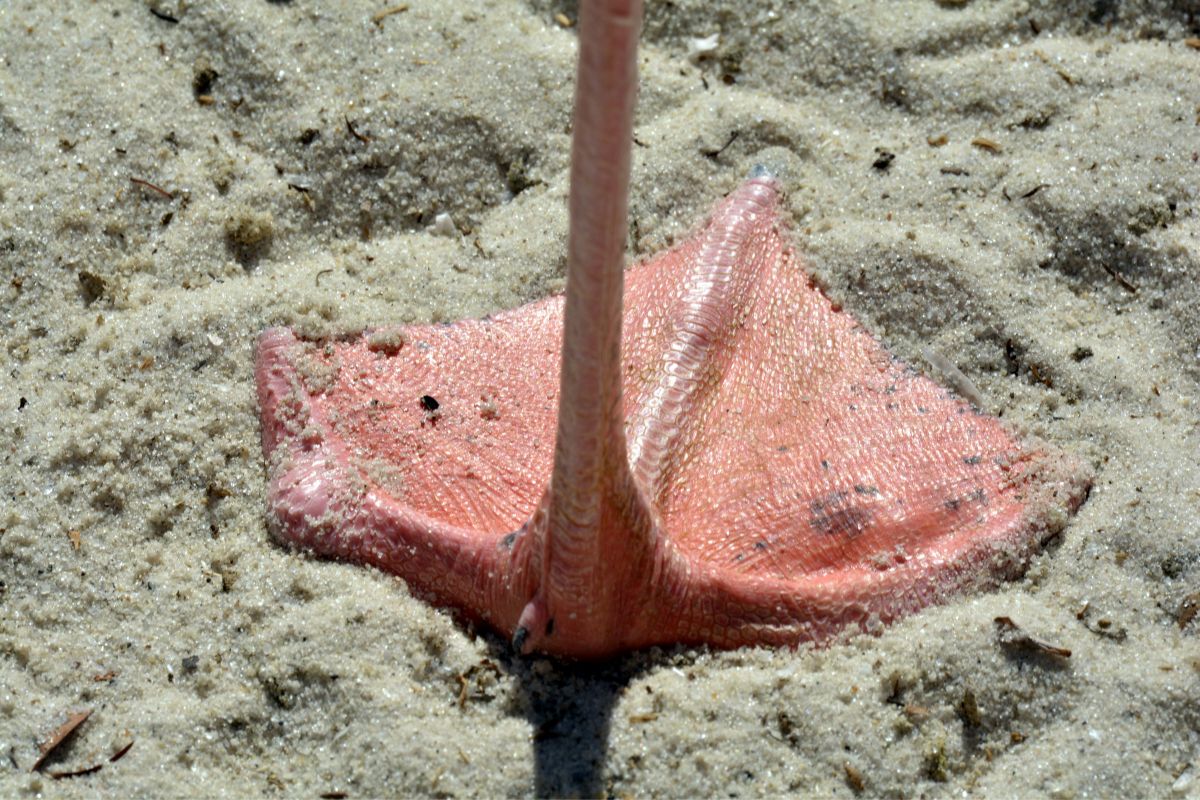
The webbed foot in birds is an anatomic structure comprising the skin that connects the digits of a bird. This structure allows the bird to swim and helps them walk in unstable surfaces such as muddy or swampy places. You can find this anatomical structure of webbed feet in many species of aquatic and semi-aquatic birds.
It’s primarily found in birds that depend on swimming for a significant part of their lives. Most birds that have webbed feet live near water. You may also find webbed feet in amphibians and mammals such as frogs and American beavers.
The Types of Webbed Feet
The fusion of all or some toes forms webbed feet in birds via thin sheets of skin. This can be classified based on the extent of webbing and the type of toes involved.
Here are the different categories of webbed feet in birds.
- Palmate: A large membrane connects the anterior toes at full length in palmate feet. The front toe, known as hallux, is entirely separate from the other three toes, forming a hind toe. Palmate feet are standard in birds like ducks, geese, gulls, and swans.
- Totipalmate Feet: A broad, thin membrane binds all four toes in these feet that are flat and resemble paddle-like structures. You can find the totipalmate feet in penguins, grebes, pelicans, and cormorants.
- Semipalmate Feet: Only three toes out of four

No comments:
Post a Comment