Pages

What is the Smallest Animal in the Amazon Rainforest?

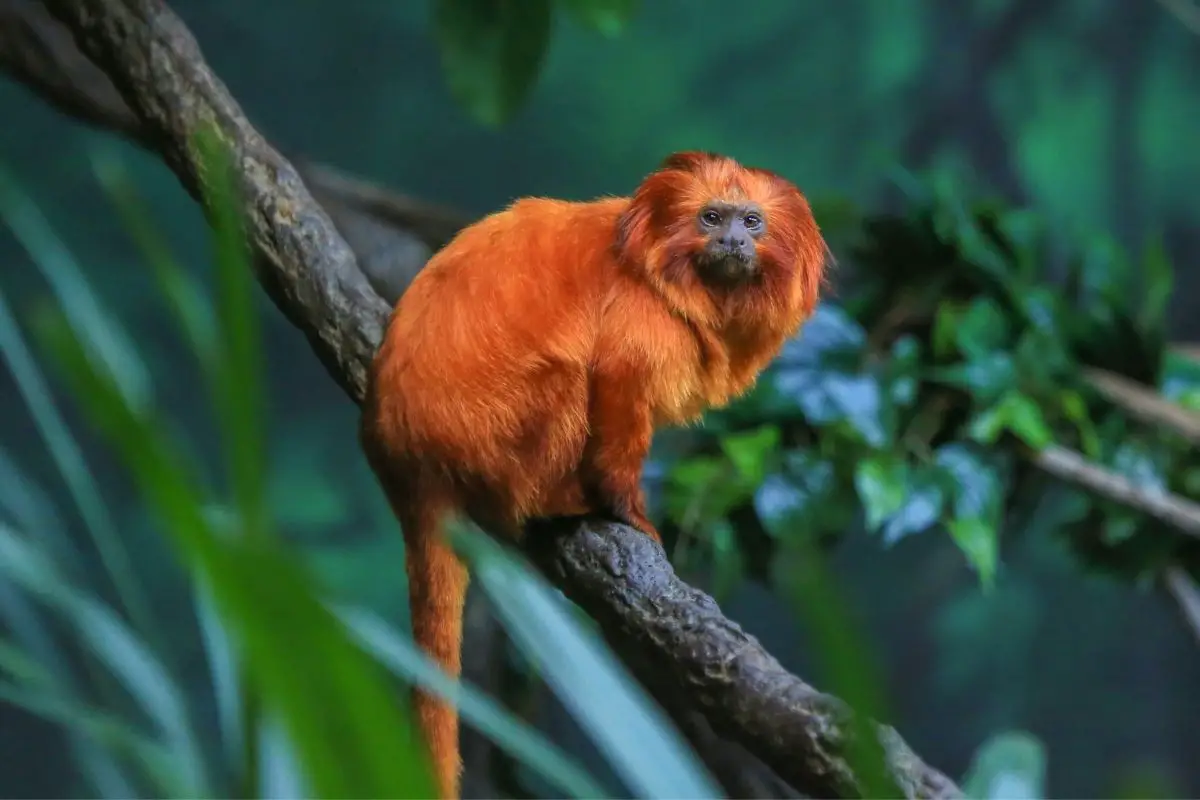
Golden lion tamarin resting on a tree branch.

The smallest animal living in the Amazon Rainforest is a small canopy jumping monkey known as the pygmy marmoset. Also known as the dwarf monkey, thumb monkey, or pocket monkey, this tiny creature can move up to 12 miles per hour and be highly aggressive. However, the pygmy marmoset’s appearance makes it seem cute.

The Amazon Rainforest is home to more than 427 mammal species, newly discovered each year. For now, the pygmy marmoset is the smallest known mammal living in the Amazon forest. I’ve always wondered what these tiny creatures were like as their videos popped up online.

They always seem cute and pet-like, making them enjoyable to learn about. So, I’ll teach you what I’ve learned about this species and how they survive the harsh Amazon Rainforest.

What is the Pygmy Marmoset?

A cute little pygmy marmoset climbing in a tree.

The Pygmy Marmoset belongs to the Cebuella genus family and is native to the rainforests of the western Amazon Basin located in South America. It’s one of the smallest primates and weighs just over 100 grams. As a comparison, they weigh similar to that of a soap bar.

Its physical stature includes a head-body length up to 152 mm and a long tail that extends up to 229 mm. The Pygmy Marmoset also has a fur color of brownish-gold, grey, and black and may have species of yellow, orange, and tawny underparts. Some standout characteristics include a black ring around its tail, a face with white flecks, and a vertical line between its eyes.

Another characteristic that sets this monkey apart is that it’s been adapted to survive the harsh environment. One adaption is that it can rotate its head up to 180-degrees, which can help it stay alert.

Aside from that, the Pygmy Marmoset has sharp claw-like nails called tegulae that help it cling to trees and also collect food. These claws are similar to insect-like claws and can be used for claw-clinging behaviors and foraging.

Lastly, the small monkey possesses enormous strength and can leap up to 16 feet from branch to branch.

Pygmy Marmoset Behavior
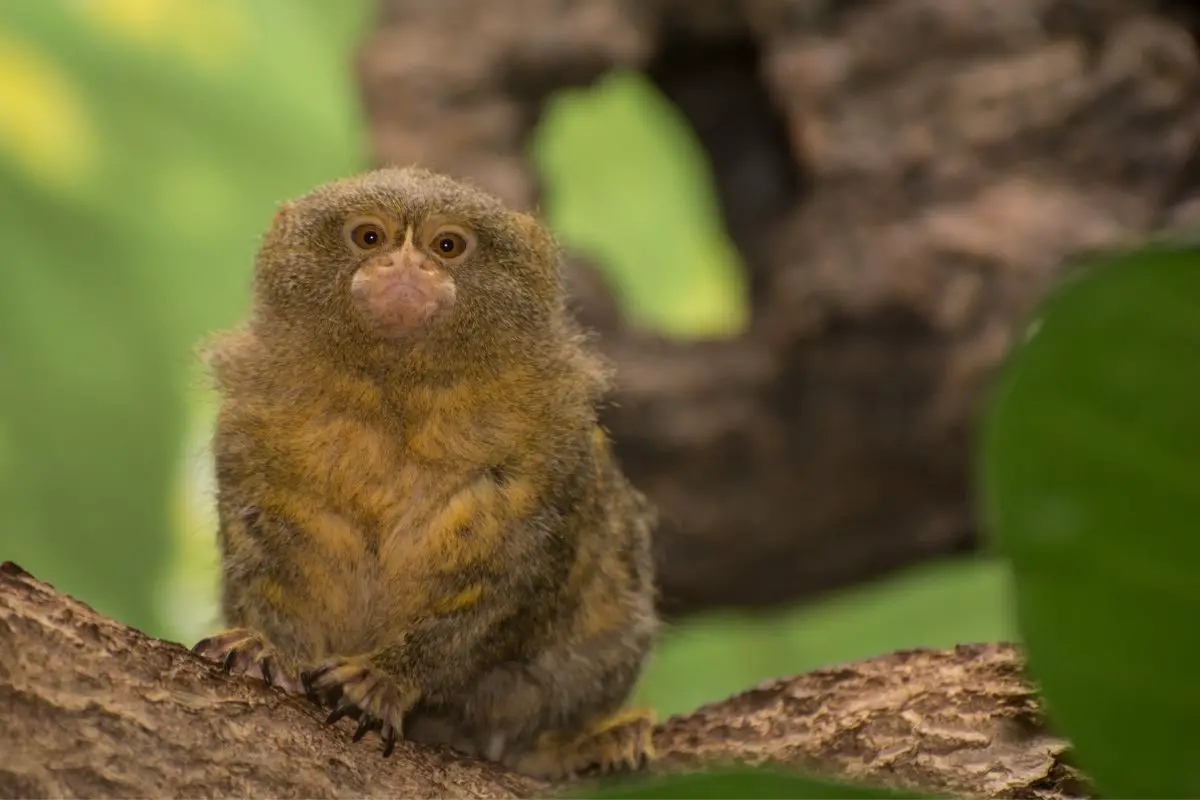
A close-up of a pygmy marmoset resting on a tree branch.

The Pygmy Marmosets often live in … Read the rest of the story.


What are Edible Animals in the Amazon Rainforest?

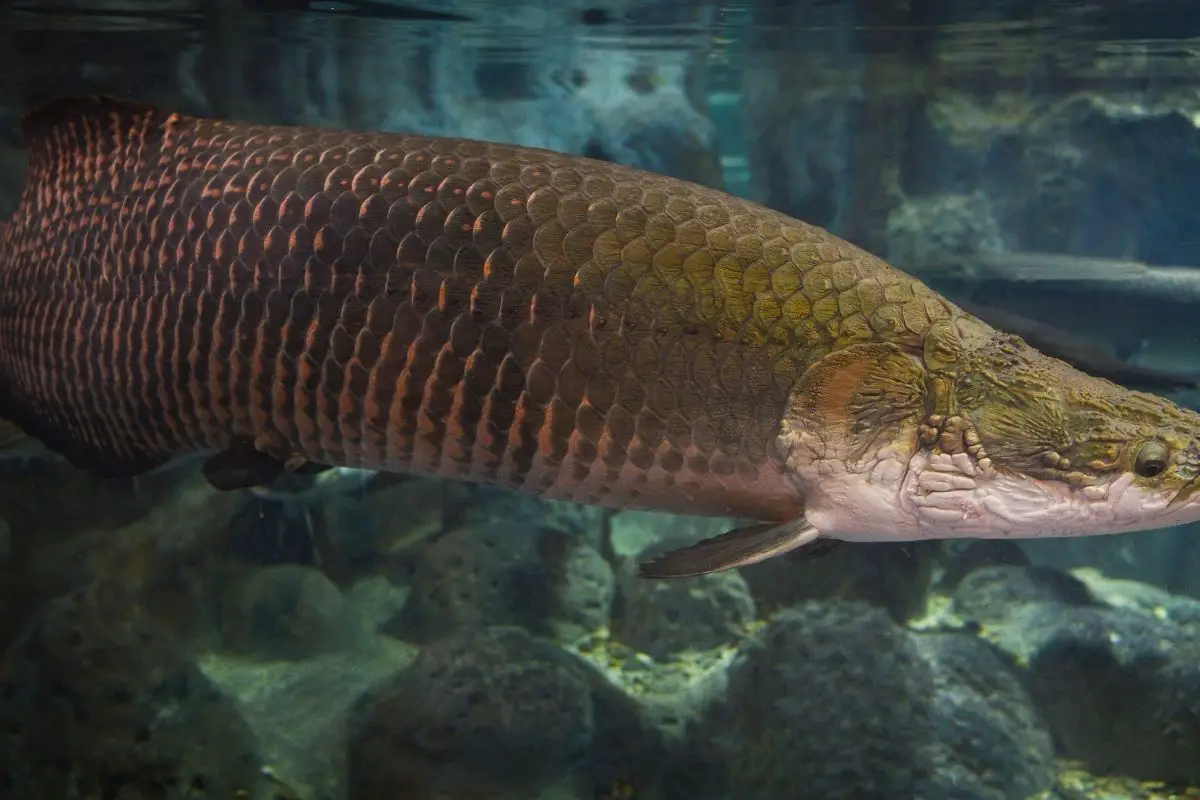
A giant aquatic fish under clear water.

What animals are edible in the Amazon rainforest depends on how hungry you are and your situation. If you survived a plane crash and had little chance of being rescued, you might be willing to eat things that you would not if you were adventure hiking for a weekend. There is also a difference between edible and eatable.

Edible means it can be eaten without harm to the person. There may be things that are too disgusting or too difficult to eat. Here are some animals you could eat in the Amazon rainforest, and you have to use your imagination as to whether that means eatable.

Fish

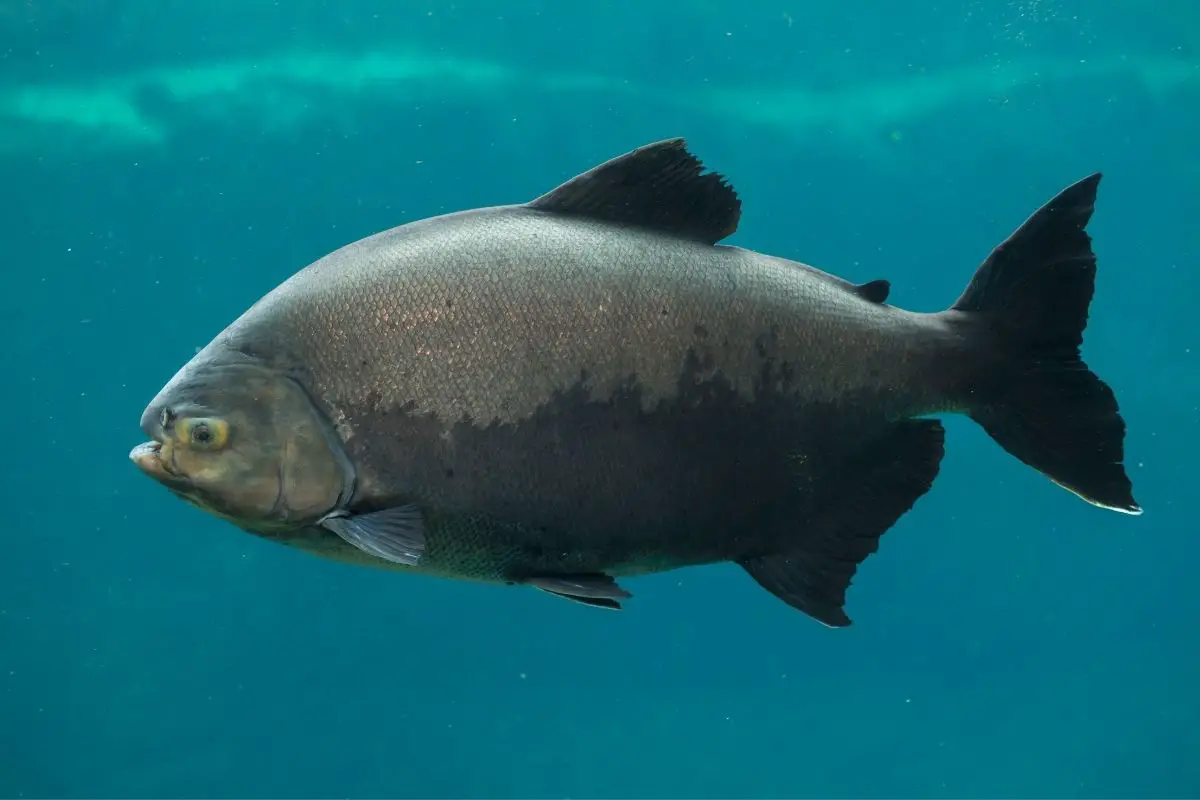
A high-quality shot of Giant Pacu in a blue ocean.

Paiche is the second largest freshwater fish in the world. It is a very tasty fish and restaurants as far away as Canada offer it on their menu. These fish can get to seven-feet long.

They are slowly becoming endangered due to overfishing, but there are ethical ways to eat Paiche. It has a firm substance and can be cooked by any means you can think of. Tambaqui is a fish that eats fruit and seeds and is widely regarded as one of the best-tasting fish in the entire world.

They can get very big, up to three feet long, and are relatively common along rivers. Piranha has a reputation for being a nasty, dangerous fish. Their reputation is overblown, and they are edible.

There are several species of piranha, and some are more popular than others.

Other fish

If you happen to be stranded or lost, you might be willing to eat any fish you can catch. Nearly all fish can be eaten, but not many taste as good as Paiche. You can catch fish at night along a river even if you don’t have any fishing gear.

The website Survive offers this tip for catching fish at night. It describes how to make a torch first. “They are attracted by the light sources, taking the torch near the water surface the fish will approach, take advantage of the time to hit them with a wood weapon, when they have been … Read the rest of the story.

What You Need to Know About Tropical Rainforests

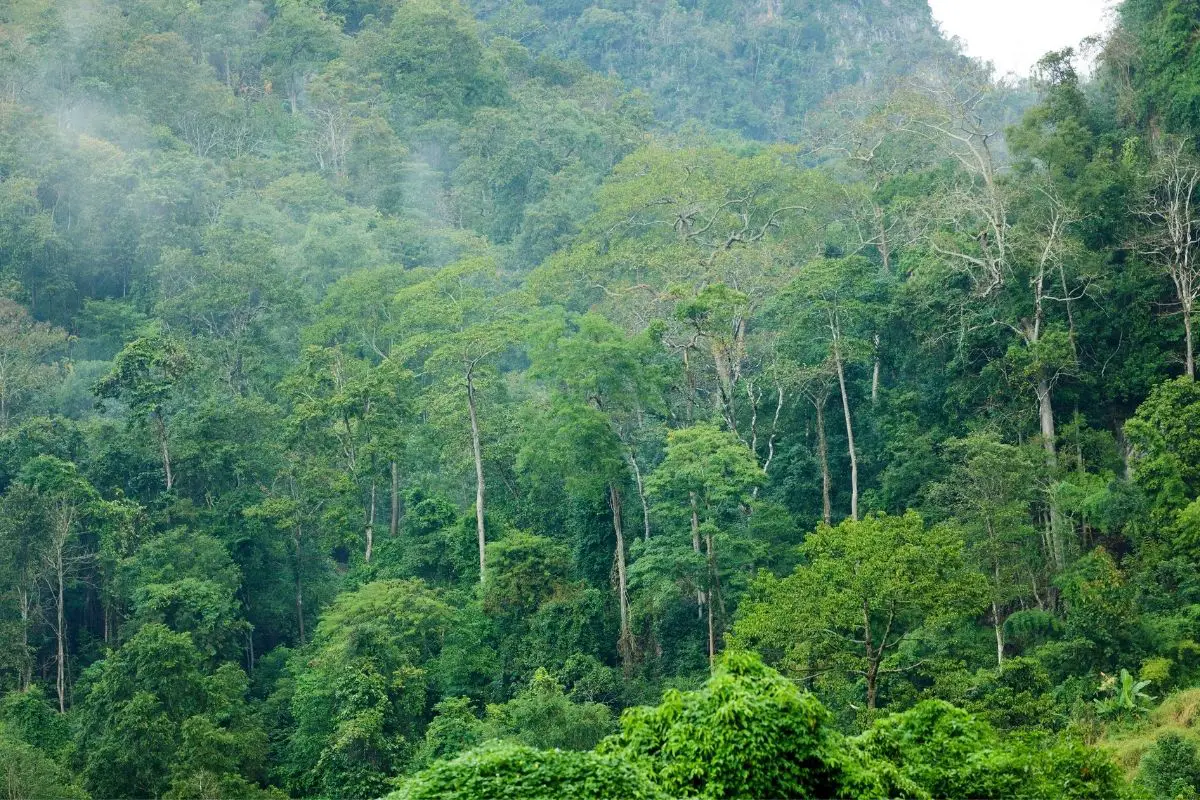
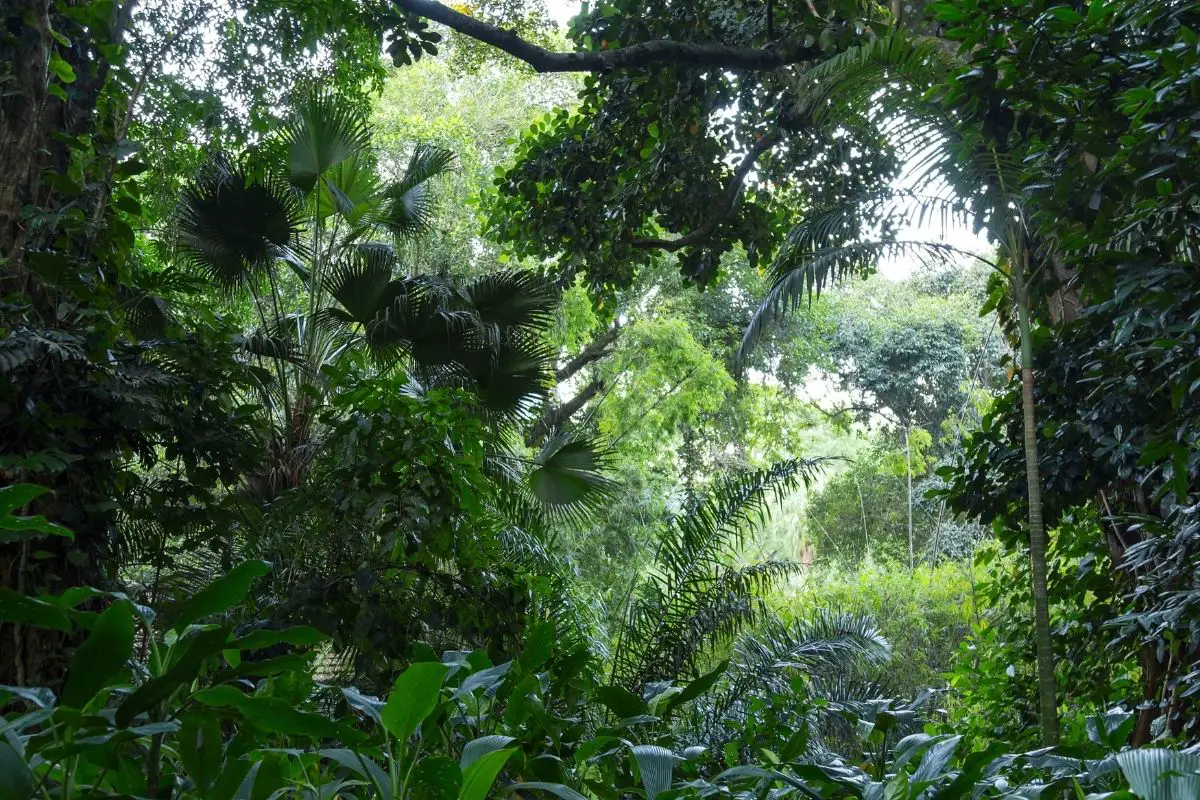
Tropical lush rainforest landscape in Pangmapha, Thailand.

Introduction

What images come to mind when you think of a tropical rainforest? Do you imagine a dense, green forest with tall trees, vines, and flowers? Or do you picture a hot, humid jungle teeming with insects and dangerous animals?

Maybe you envision both. Tropical rainforests are located near the Earth’s equator. They are home to several diverse species of plants and animals.

The tropical rainforest is a biome, or environment, that occurs near the Earth’s equator. These areas are characterized by warm temperatures and high rainfall. Tropical rainforests are home to an amazing diversity of plant and animal life.

What is a tropical rainforest?

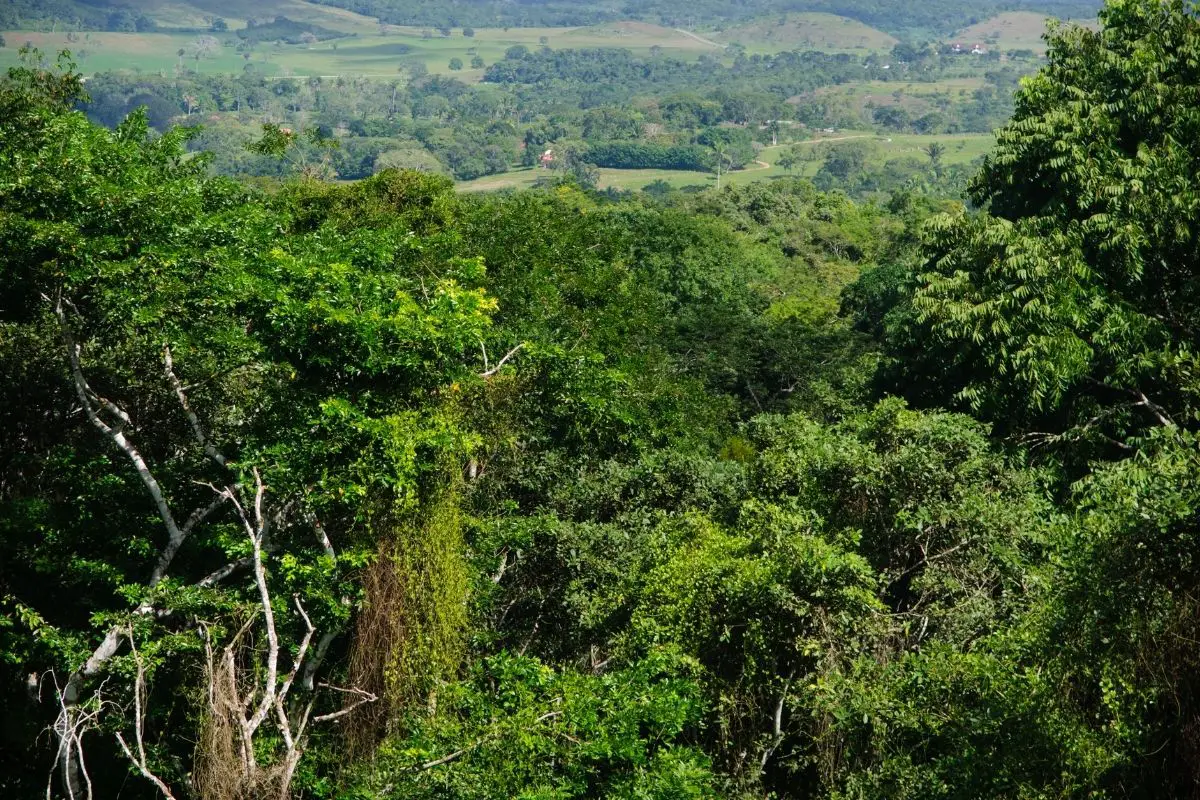
An aerial shot of Tropical rainforest in Belize.

A tropical rainforest is an ecosystem found near the Earth’s equator. This type of forest is characterized by its high rainfall, warm temperatures, and diverse plant and animal life. The tropical rainforest is an incredibly biodiverse ecosystem.

It is home to an incredible variety of plant and animal species, many of which are found nowhere else on Earth. Tropical rainforests are classified into two types: primary and secondary.

Primary forests are those that have never been significantly disturbed by human activity, while secondary forests are those that have been degraded or cleared at some point in history but have since regenerated.

The characteristics of a tropical rainforest

Tropical rainforest in the jungle.

The climate of a tropical rainforest is warm and humid, with average temperatures ranging from 20-30 degrees Celsius (68-86 degrees Fahrenheit). rainfall is also very high, typically exceeding 200 centimeters (79 inches) per year. The plant life of a tropical rainforest is incredibly diverse.

Trees, vines, shrubs, and epiphytes all grow in profusion. Many rainforest plants also have unique adaptations that allow them to survive in the conditions found in this environment. The animal life of a tropical rainforest is also very diverse.

Mammals, reptiles, amphibians, birds, and insects can all be found in abundance. Many animals are also highly specialized for life in the rainforest and are not found anywhere else on Earth.

Why tropical rainforests are important

A scenic photo of Mata atlantics rainforest.

Tropical rainforests are important for a number of reasons. They play a crucial role in the global … Read the rest of the story.

10 Different Types of Possums

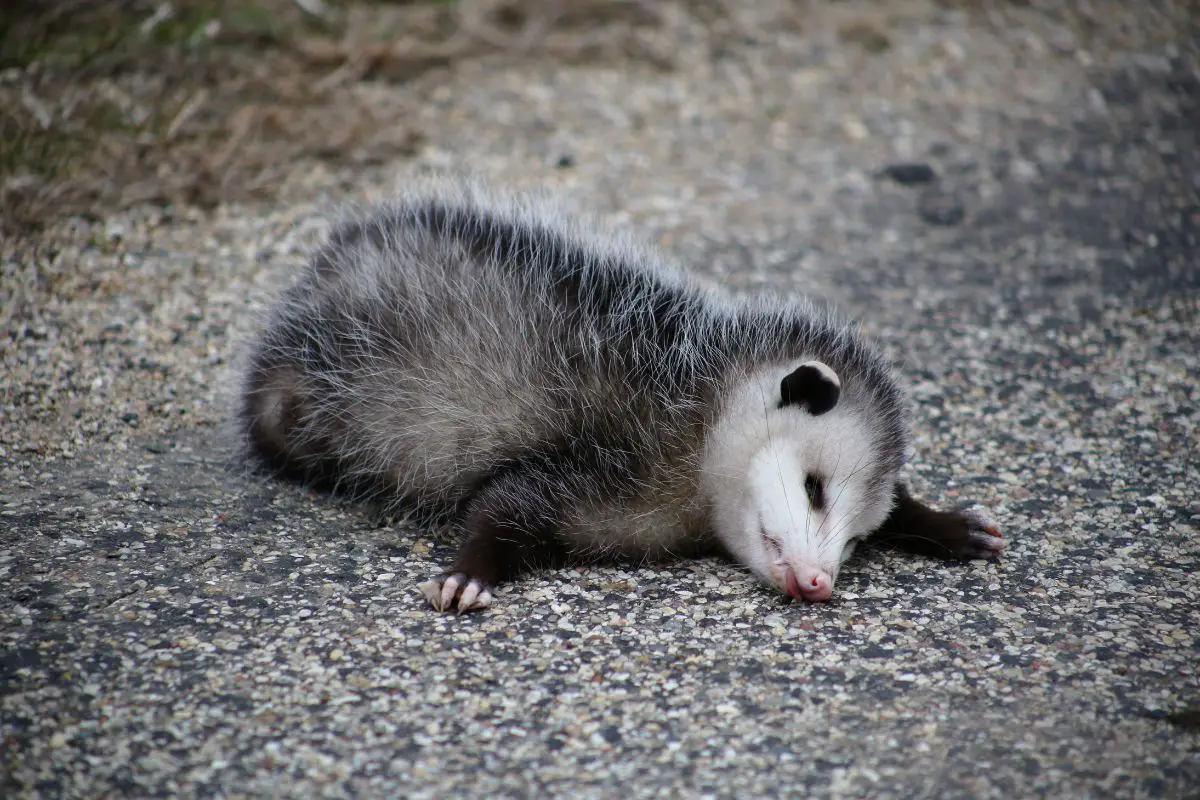
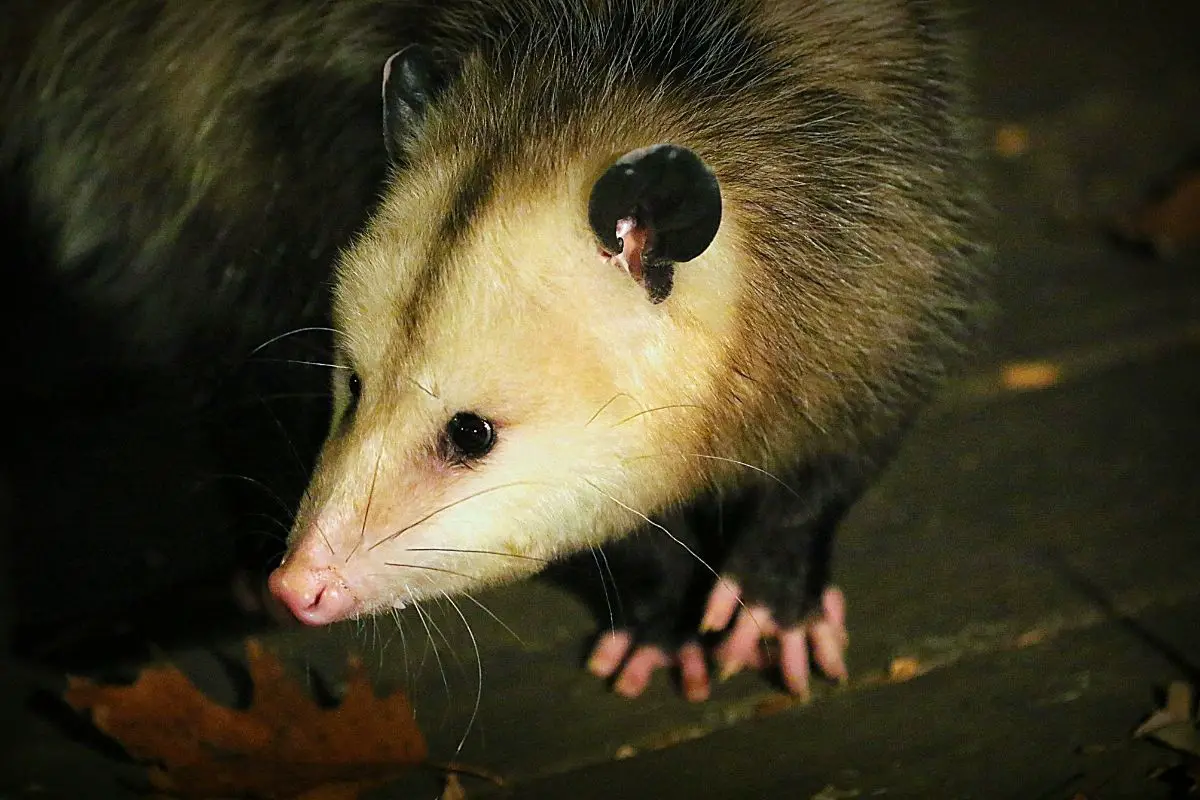
A sleeping virginia opossum.

The words possum and opossum are used interchangeably but they refer to different animals. Scientists and most dictionaries say an opossum is the Virginia opossum or any of those that live in North or South America. The possum is a very similar animal that lives in Australia and New Guinea.

It is not really that simple though. In both countries, people pronounce it “possum” and sometimes use it in writing with or without the “O” at the beginning. Both countries could then lay a claim to either one.

It is popular to write “opossum,” and drop the “O” when speaking in both countries.

They are all marsupials. There are dozens of species on opposite sides of the world. For this article, we are going to focus on the opossum of the Americas.

What is called the Virginia Opossum is the only species of this marsupial that lives in the United States. There are a few dozen species that live in Central and South America. The Opossum that lives in the United States is the size of a cat.

These animals evolved in the Americas and in Australia, but not on other continents. Many of them are small and are called mouse varieties. They are one of the earth’s oldest mammals, according to evolutionary science.

1. Virginia Opossum

A portrait of virginia opossum.

The Virginia Opossum is found in most of the United States, with the exception being the Rocky Mountains, and they are expanding their territory slowly.  Before Europeans arrived, they were known only in Kentucky and Indiana. They were hunted for fur, and later for food, especially in the south. The Virginia Opossum likes to live near water, in the woods, or in thickets.

They are adaptable though and can live in areas where humans have altered the landscape. Some live in towns and suburbs. The Virginia Opossum is one of the larger marsupials but is still only around 12-13 pounds when fully grown, and about 21 inches long.

They reproduce a lot, so hunting and even loss of habitat have not hurt their population.  They have a short lifespan, normally living just two … Read the rest of the story.

51 Different Types of Rats

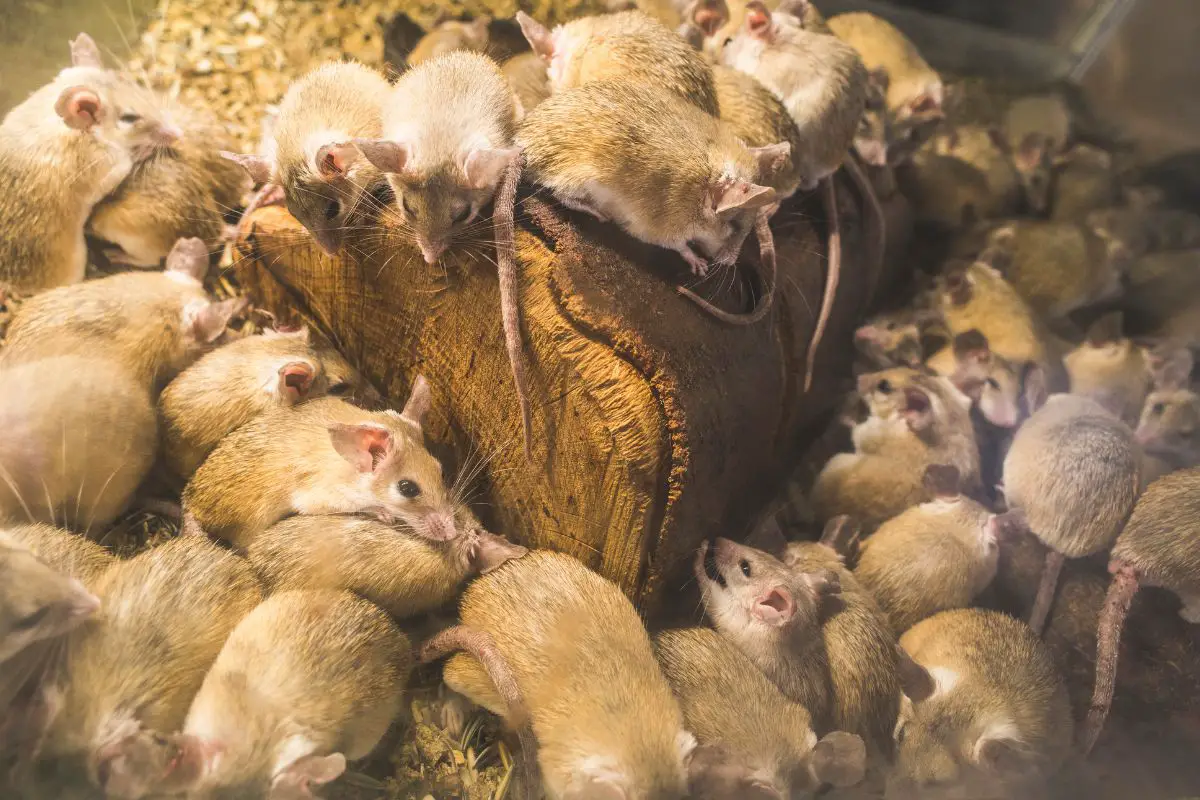
Group of rats on a big lumber.

Rats are one of the most controversial animals in the world. While some people think of them as adorable pets, others see them as nothing more than destructive vermin. But no matter your stance on rats, there’s no denying that they’re pretty exciting creatures. Did you know that rats have poor eyesight, but they make up for it with a fantastic sense of smell, hearing, taste, and touch?

Hard to believe considering all the running they do in our homes! These tiny creatures like to live in large groups and are very social. They can communicate through high-pitched squeaks that are too high for humans to hear.

They are also intelligent animals that can learn to do things like run mazes and use tools.

Types of Rats Explained

In a nutshell, a rat is a small mammal that resembles a mouse. It’s a rodent with an elongated snout, pointed ears, and whiskers. However, most rats are much larger and heavier than mice.

They are generally nocturnal and can eat almost anything—including garbage, insects, seeds, pet food, and even each other! There are different rat types, and they can easily confuse you. For example, some people refer to mice as rats. Mice are smaller with slender bodies than rats.

The “true” rat comes from the genus Rattus family. There are 66 rat species, but 64 are the only existing members of the Rattus species from the Muridae family. The most common ones that are widespread globally are the Brown Rat (Rattus norvegicus) and Black Rat (Rattus rattus).

This article will focus on the genus Rattus, commonly referred to as rats. Tag along and learn everything about these small animals, which can be both cute, stubborn and destructive depending on where they are.

1. Brown Rat (Rattus norvegicus)

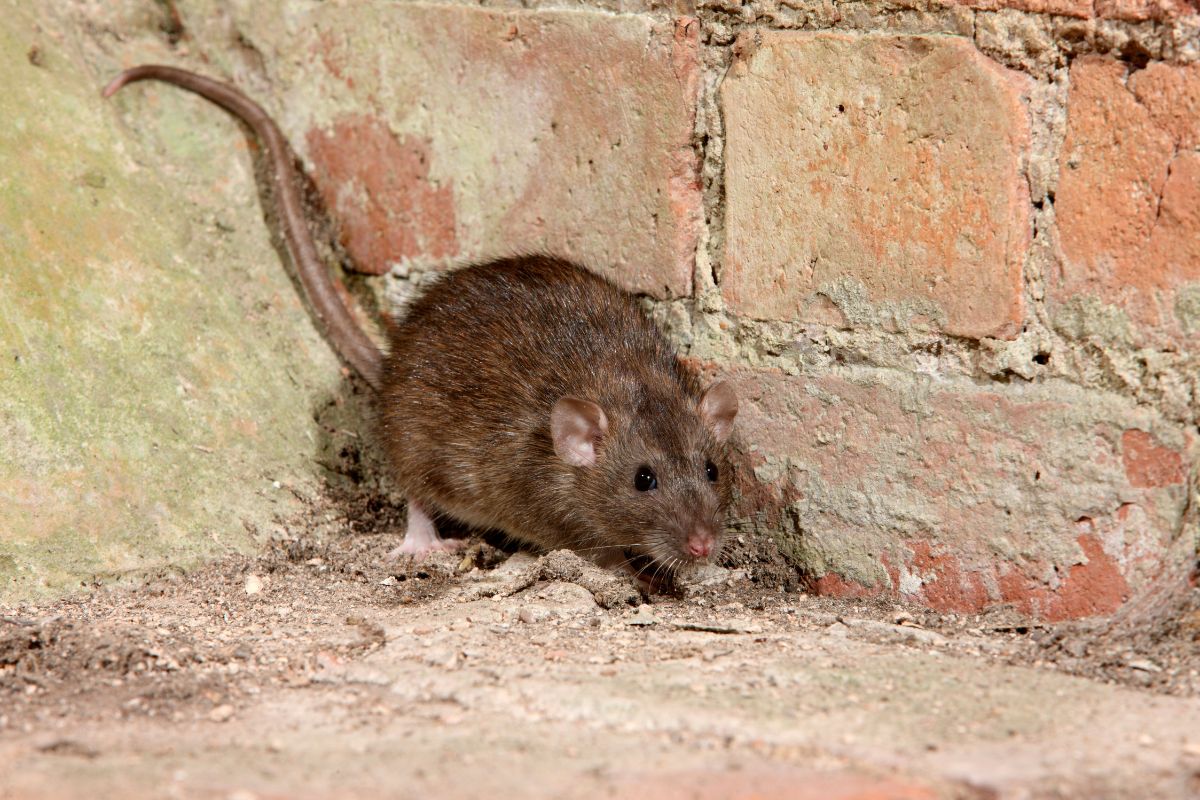
Close-up photo of a rat on the corner.

The most common type of rat you’ll find in your home is the Brown rat (Rattus norvegicus). It’s also known as the Norway rat, Hanover rat, Parisian rat, or the Wharf rat. These rats have brown hair on their backs, with gray fur underneath.

Their … Read the rest of the story.

What Animals Hunt and Eat Porcupines?

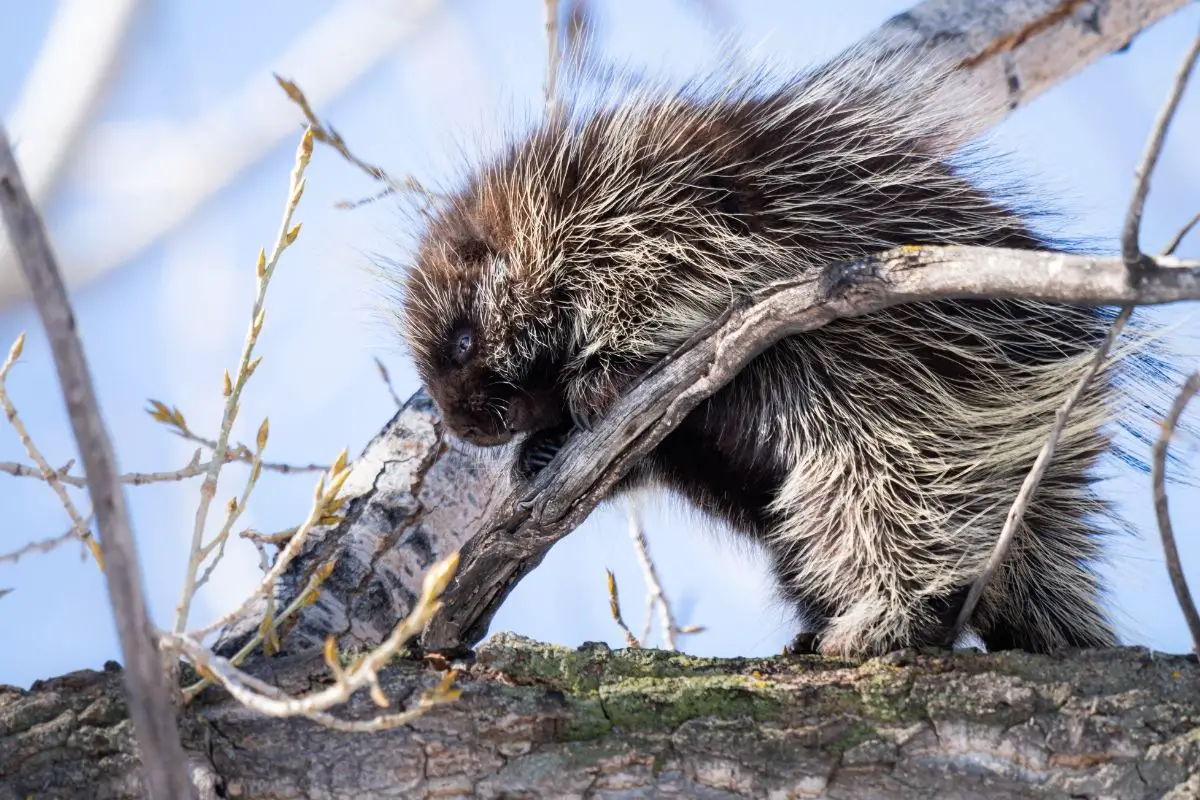
A Porcupine stocked on a branch of a tree.

In addition to fishers, porcupine quills have been detected in the bodies of wolves, bears, lynxes, foxes, bobcats, cougars, coyotes, and even great horned owls. Predators kill porcupines by biting or flipping them over, exposing the weak bottom, and then devouring the defenseless head and neck. However, the fisher is its most successful predator.

What is a Porcupine?

Porcupine being hand-fed.

The second-largest rodent in Canada and the United States is the sluggish North American porcupine. You’ll come across them in most of North America’s wooded areas. The body and tail together can grow to a length of 25 inches (64.5 cm) and 5.5 in (14.5cm) respectively.

Why do Porcupines Have Quills?

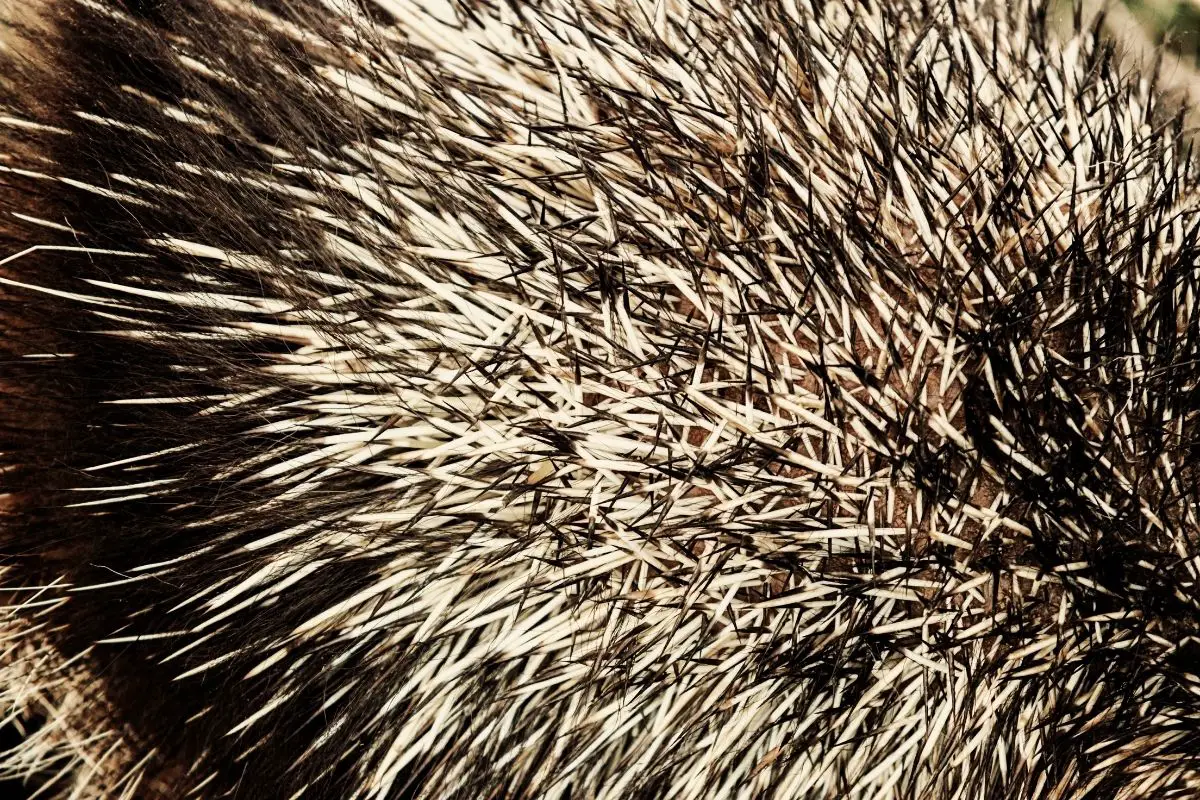
Close-up of porcupine quills.

Quills cover the animal’s rump, neck, and head for added protection against predators. The North American porcupine’s spiny tail is used to lash out at its attacker when it is threatened. Poisonous quills can be easily removed from a porcupine’s body and left stuck in an attacker’s flesh.

It is a myth that porcupines can hurl their quills. Barbs cover the tips of the quills and point backward away from the tips. The barbs on a quill make it tough to remove if it gets lodged in the skin of another animal.

Even though porcupine quills can cause tissue and organ damage, they seldom become infected. The porcupines need this to protect themselves from being impaled by other porcupines, which is a common occurrence among the species. The porcupines’ air-filled quills make them excellent swimmers.

When Can You Come Across Porcupines?

North American porcupines are active throughout the year, even though they are nocturnal. During the warmer months, they eat a wide range of shrubs and tree leaves. They feed on evergreen needles and the cambium and inner bark of trees in the winter.

They are drawn to roads where salt has been used to melt winter ice because of their love of salt. They will nibble on canoe paddles, ax handles, and saddles at campsites because of the salty sweat on them. A porcupine only has one litter.

Unlike their stolid parents, young porcupines may move about pretty quickly after … Read the rest of the story.

How Long Do Porcupines Live?

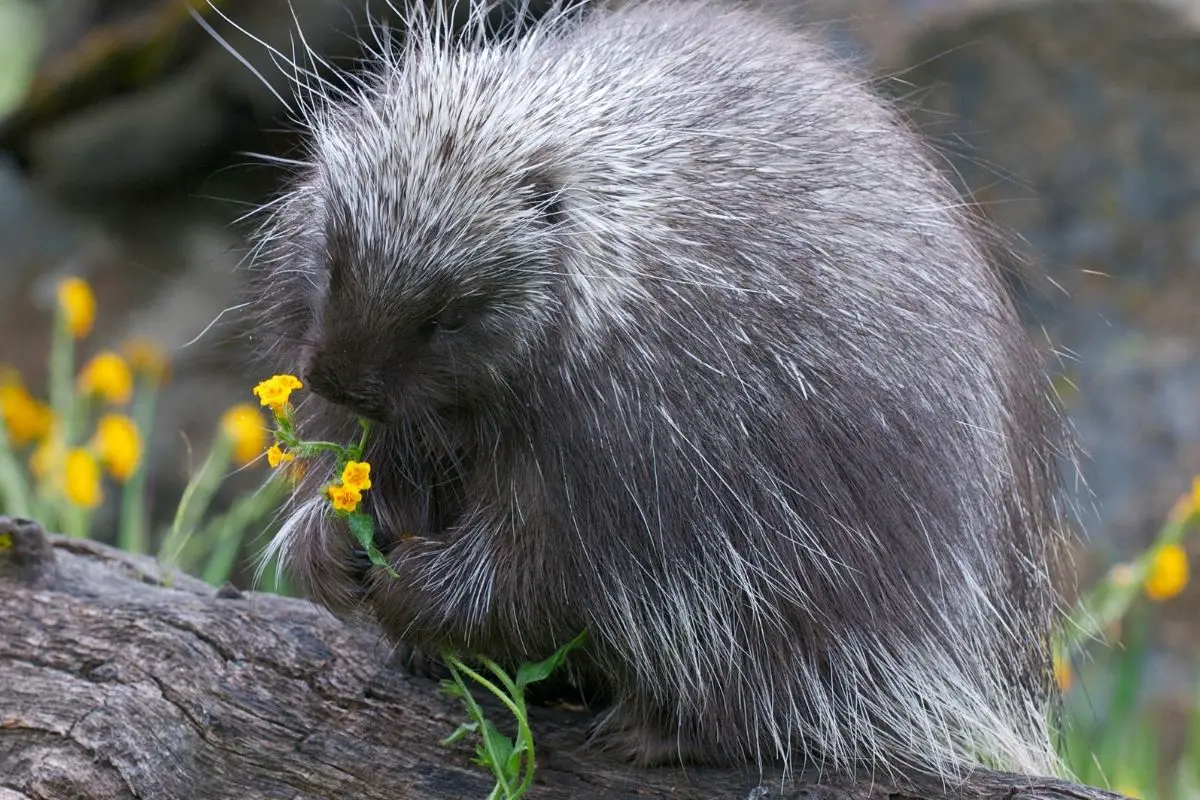
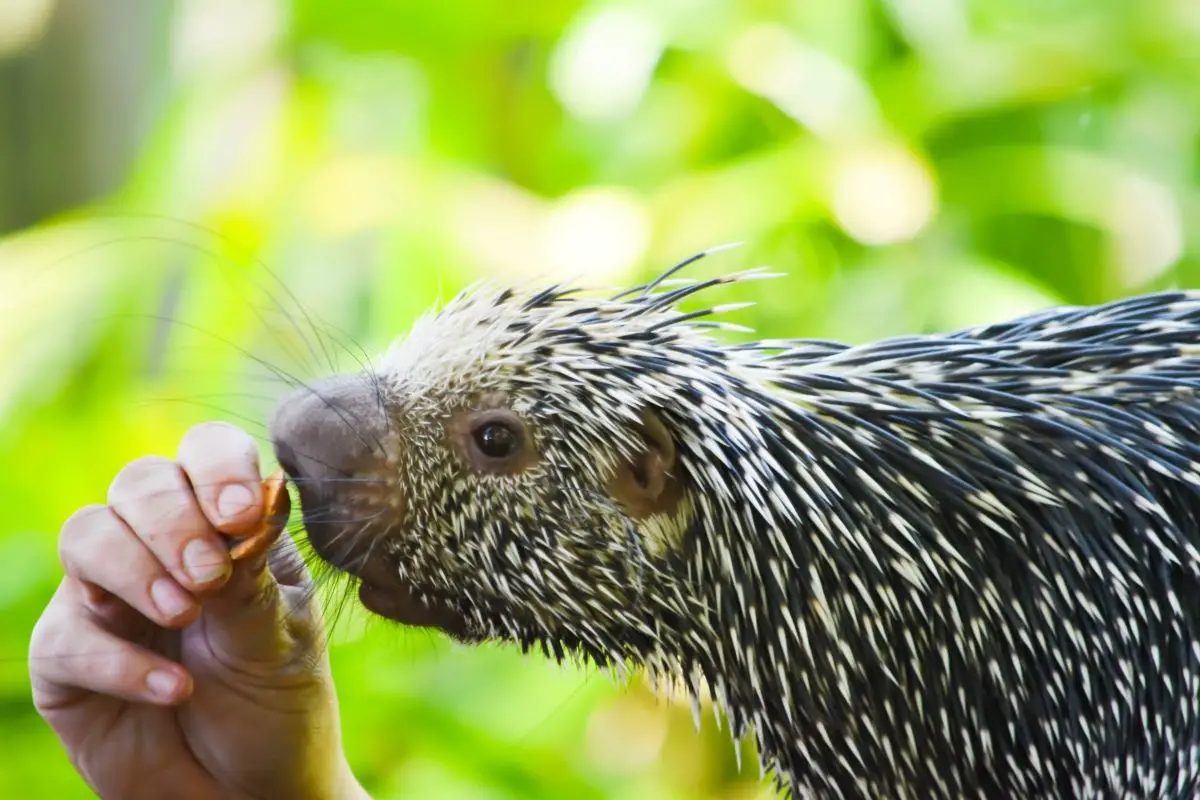
Porcupine on a log with yellow flowers in the background.

Porcupines have a long lifespan. They can live between 10 and 15 years out in the wild, while they can live up to 20 years when in captivity. Some have been known to live up to three decades. The funny or maybe not so funny thing is that these long-lived rodents can die from simple situations like falling out of a tree or getting hit by an automobile.

Their predators and sometimes a lack of food contribute to their mortality too.

About Porcupines

As a member of the New World porcupine genus, the North American porcupine (Erethizon dorsatum) is a big, quill-covered rodent. After the North American beaver, it is North America’s second-largest rodent (Castor canadensis). During the Great American Interchange 3 million years ago, after the Isthmus of Panama had expanded, the ancestors of today’s porcupine crossed the Atlantic from Africa to Brazil 30 million years ago.

What Defenses Does the Porcupine Use to Prevent Attacks?

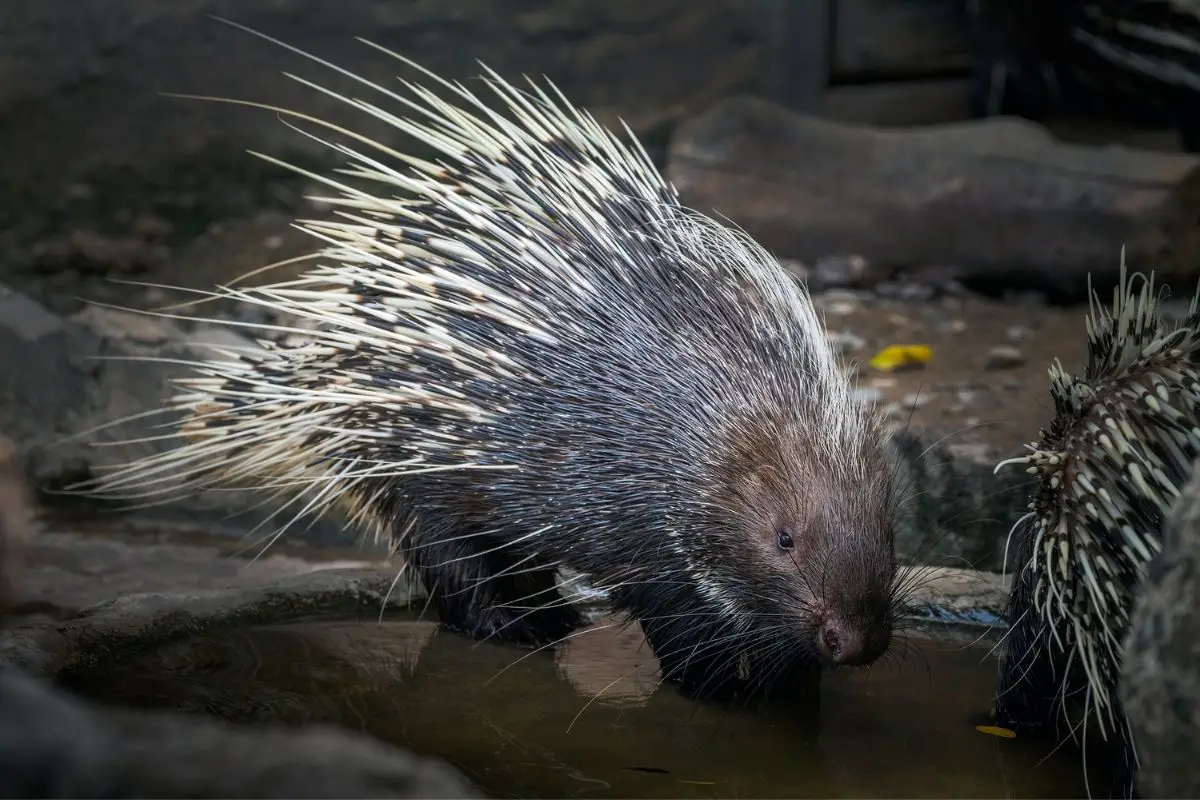
Malayan porcupine quills on a swamp.

To protect itself against predators, the North American porcupine employs a variety of tactics. Aposematism is the cornerstone of the defense strategy. This creature emits a pungent warning stench that can get stronger when provoked. An adult porcupine can use its teeth to produce a warning clacking sound and bristle its quills to show a white stripe down its back when threatened.

As a last resort, it can use its quills if the other senses fail. When assaulted, an adult porcupine turns its back to the predator. The porcupine can swing its tail at an attacker’s face if it feels threatened.

The porcupine does not hurl its quills, contrary to popular belief. Once in touch with an attacker’s flesh, a quill can readily penetrate and implant itself. The minuscule barbs on each quill let it penetrate an attacker’s skin.

This approach is effective against the majority of attackers. It is common for an attacking species to flee with a face full of quills because of the danger it poses. When all else fails, the porcupine’s only option is to climb the tree.

What do Porcupines Eat?

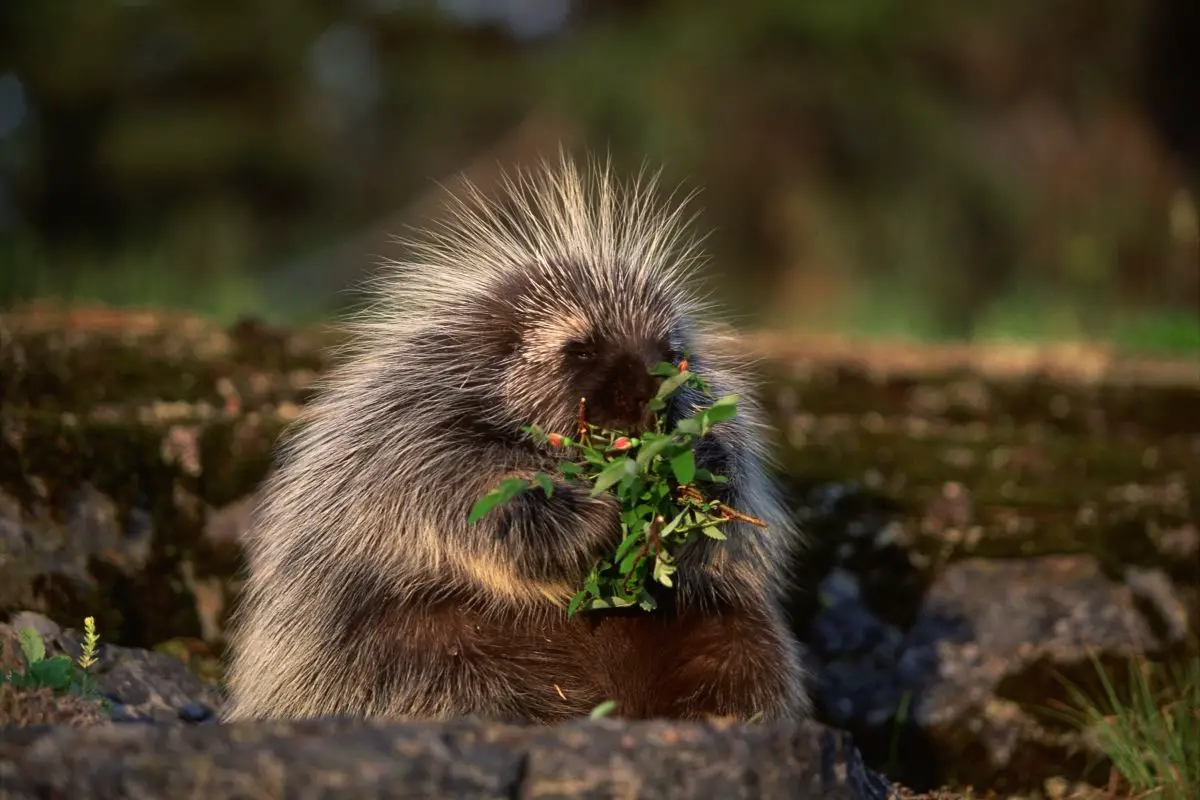
Porcupine eating a pile of green plants.

Vegetation, berries, stalks, roots, and branches … Read the rest of the story.