Pages

Do Porcupines Regrow Quills?

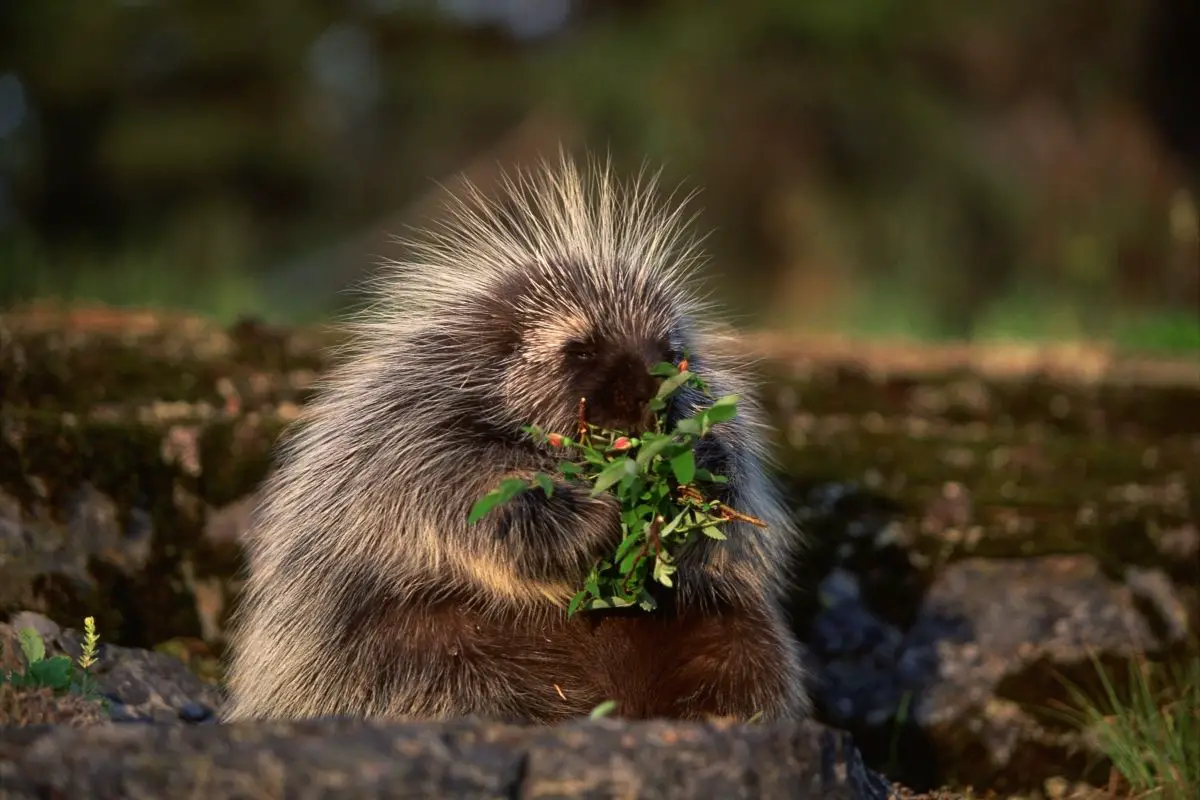
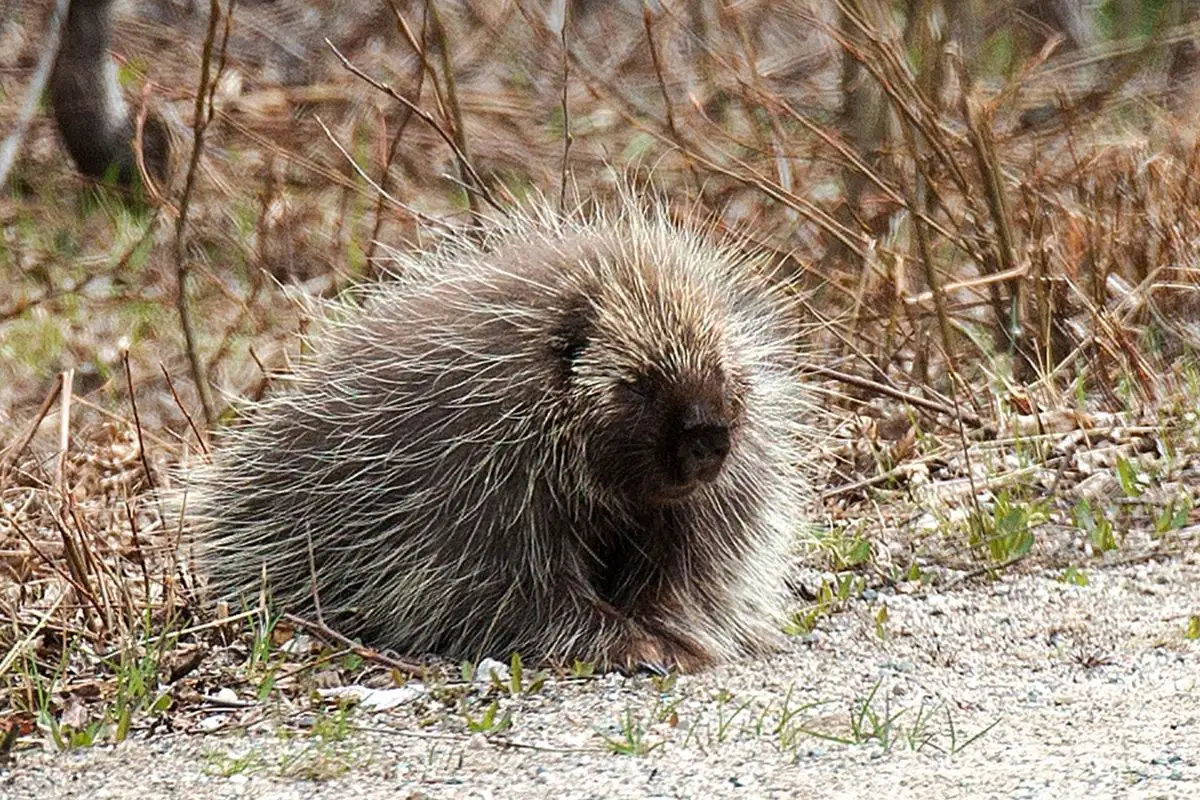
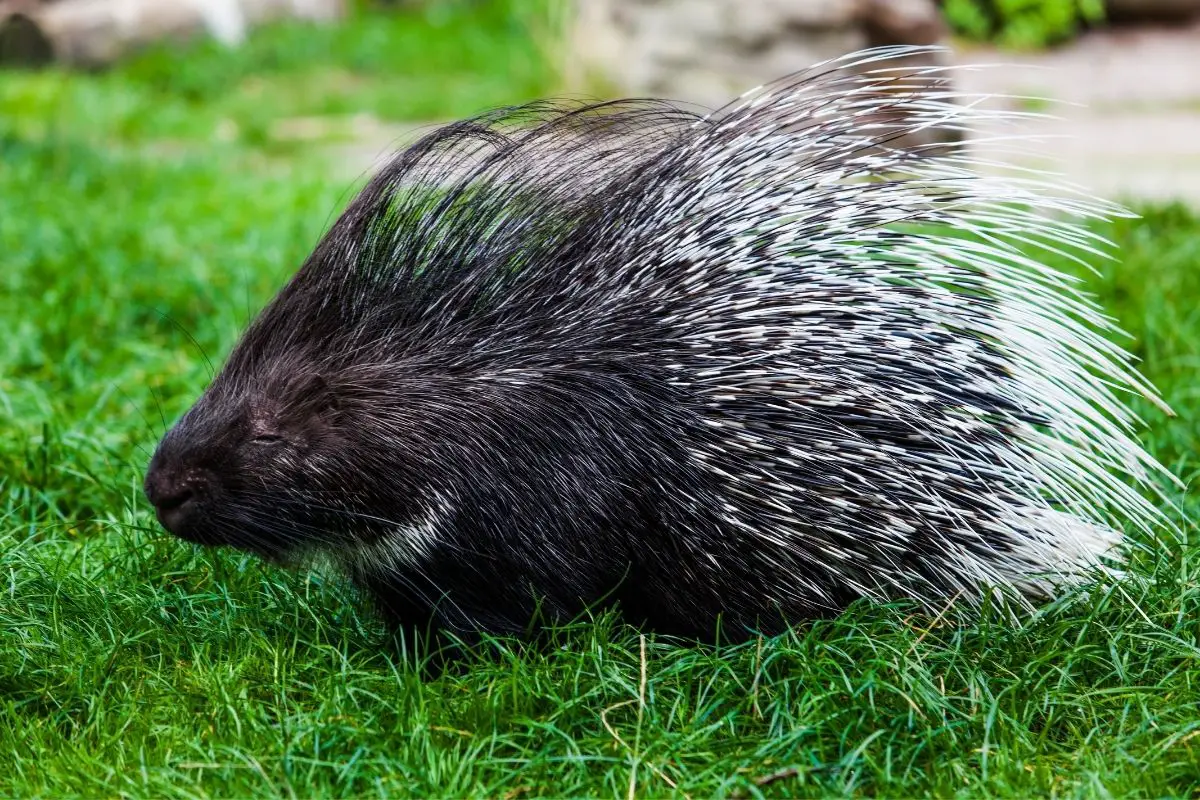
A sleepy Porcupine on a green grass.

Porcupine quills are always growing. They are made of a material very similar to our hair and nails, so they would actually become way too long for the short, round little critter to navigate if old ones didn’t naturally fall out and grow back.

Porcupine quills are very interesting, so let’s take a look at how they work and how the porcupine doesn’t only use them for defense.

How Porcupine Quills are Structured
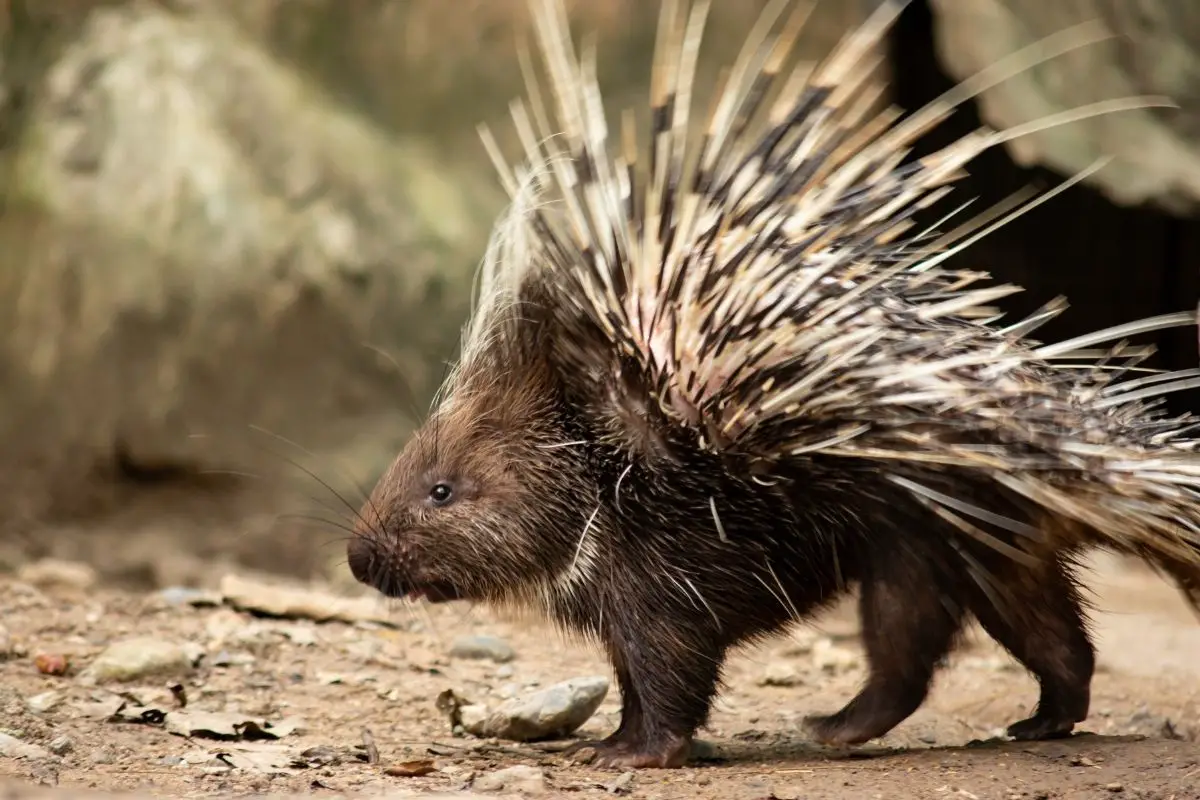
A threatened Malayan porcupine spreading his quills.

Porcupines are born with soft quills that harden within a few hours or days as the quills are exposed to air. The quills are actually modified hairs that are covered with keratin, much like human nails. They are loosely attached to the back, legs, and tail and are mixed  with underfur, bristles, and guard hairs.

Each quill consists of 700-800 minute overlapping barbs that work like fish hooks when they attach to the skin. Different breeds of porcupines have different sized quills with the longest being a foot long! The porcupine has over 30,000 of these at any given time.

When the quills come into contact with something, they attach to the object and the backwards barbs keep them from falling out. As time goes on, they continue to work their way deeper into the flesh and can cause infection. The quills can sometimes embed themselves at a rate of one inch per day.

The quills are mainly hollow. Because of this, the porcupine is able to float on water. Not all porcupines like to swim, but many enjoy the ability to eat in peace, away from predators and they enjoy the delicacies of water plants they can’t find on land.

Not the First Line of Defense
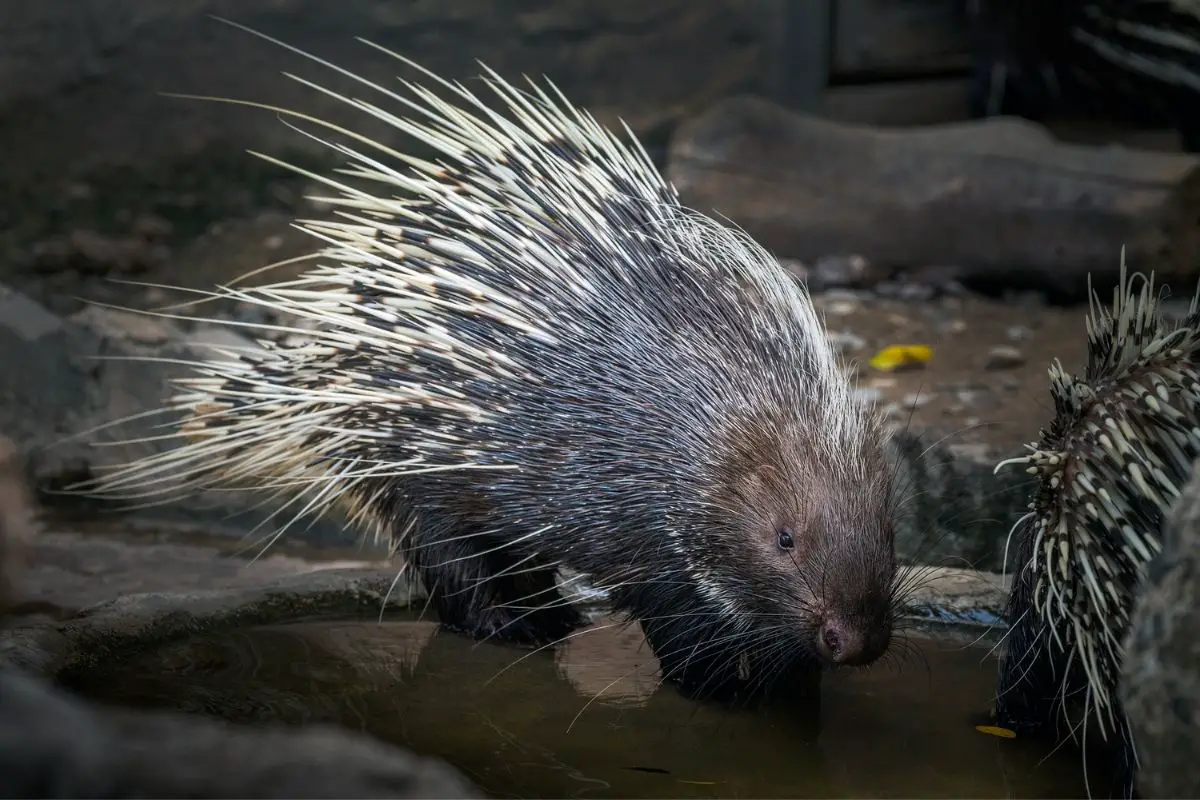
A Himalayan porcupine on a wet surface.

The gentle porcupine doesn’t automatically attack with its quills. They will try to waddle away, but are often much slower than whatever is bothering them. The porcupine’s quills normally lie flat and muscles just under the skin allow him to raise them straight up.

Often, this will make him look two to three times his normal size. The little animal will then make a chattering noise by vibrating his … Read the rest of the story.

Do Porcupines Climb Trees?

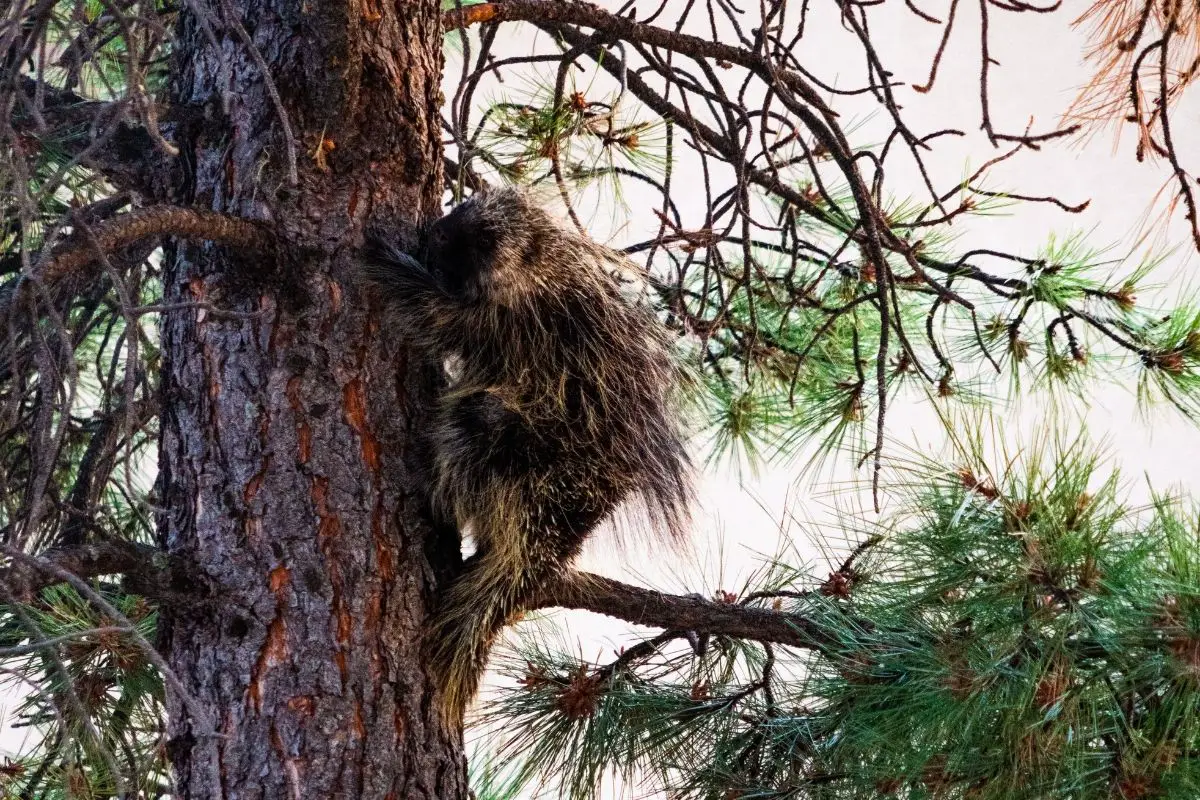
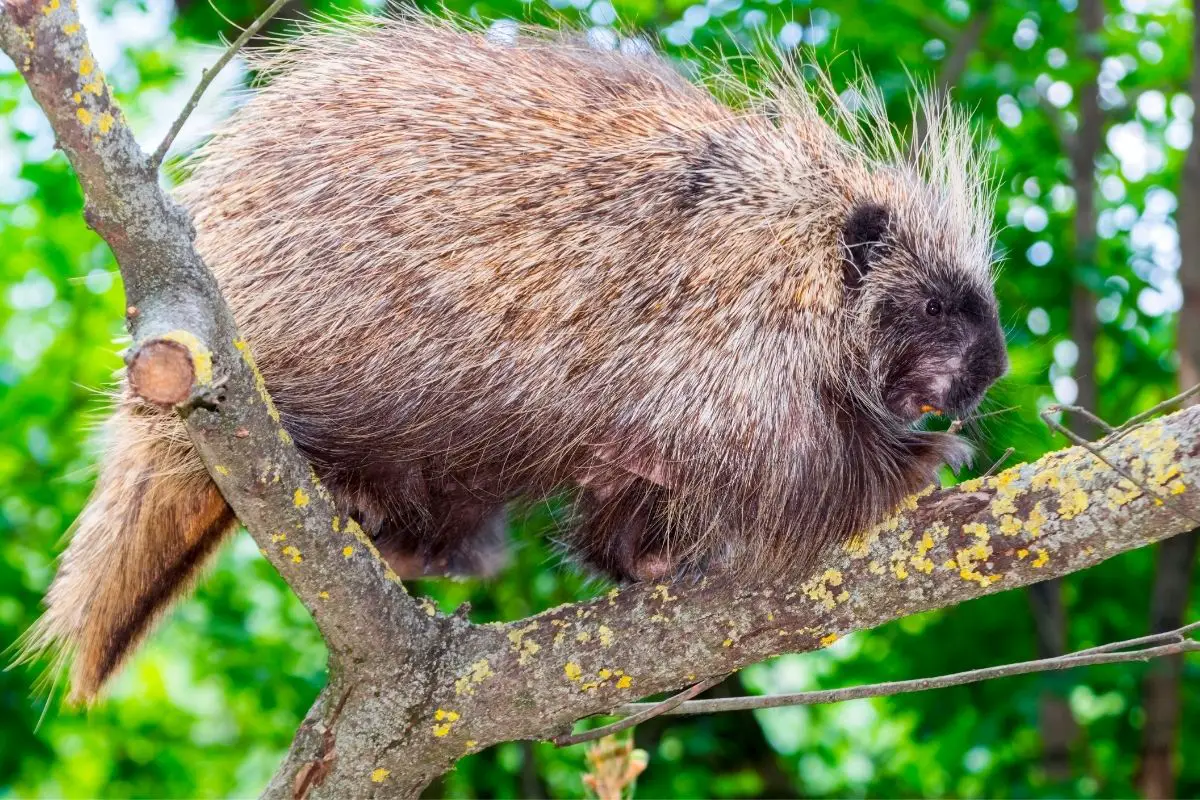
Porcupine climbing tree in the forest of Colorado.

Porcupines are best known for the long, sharp quills they use for defense against predators. Up to 30,000 of these hollow-point weapons cover the North American porcupine. While they can’t shoot their quills, they do have some superpowers: porcupines can swim, sing, dance, and yes, even climb trees!

What is a porcupine?

North American tree porcupine erethizontid resting on a tree branch.

Odds are you know the silhouette of this iconic creature. Perhaps you’ve also heard that it’s name means “thorny pig.” But did you know that it’s actually the second largest member of the rodent family?

(The number one title belongs to…the beaver!). Porcupines can grow to be two to three feet long and weigh more than 20 pounds!  A thick cover of quills, made of keratin like our hair or fingernails, covers their backs.

They also have sharp claws on both their front and hind legs that are excellent for climbing. Their strong, prehensile tails can also be used to stabilize their bodies and even to grip branches as they climb!

What do porcupines eat?

Porcupine eating a strips of plants and leaves.

Porcupines are herbivores, and consume a wide range of plant parts, from nuts, seeds, and fruits to leaves, grasses, roots, and stems. The low-slung, lumbering porcupine struggles to navigate the deep snow in winter, so tree climbing is a useful skill for finding food. Evergreen trees are a favorite snack, and porcupines will eat the bark, twigs, buds, and needles.

In fact, porcupines can feed so heavily on a single tree that they destroy it (which is not so great if the tree is in your yard!) “Hello, critter control? I have a porcupine infestation!”

Joking aside, a desire for salt in their diet can lead porcupines to munch on wooden tool handles and canoe paddles that have picked up salt from sweaty hands. Porcupines will even gnaw on outhouses because of the salt content in urine.

Where do porcupines live?

Porcupine enjoying its surrounding.

There are 29 porcupine species living across the globe, but only one that lives in North America (territorial much?). Despite this, porcupines are social creatures: a group of them is called (appropriately enough) a prickle.

From Mexico and the … Read the rest of the story.

12 Things You Didn’t Know About Wolves

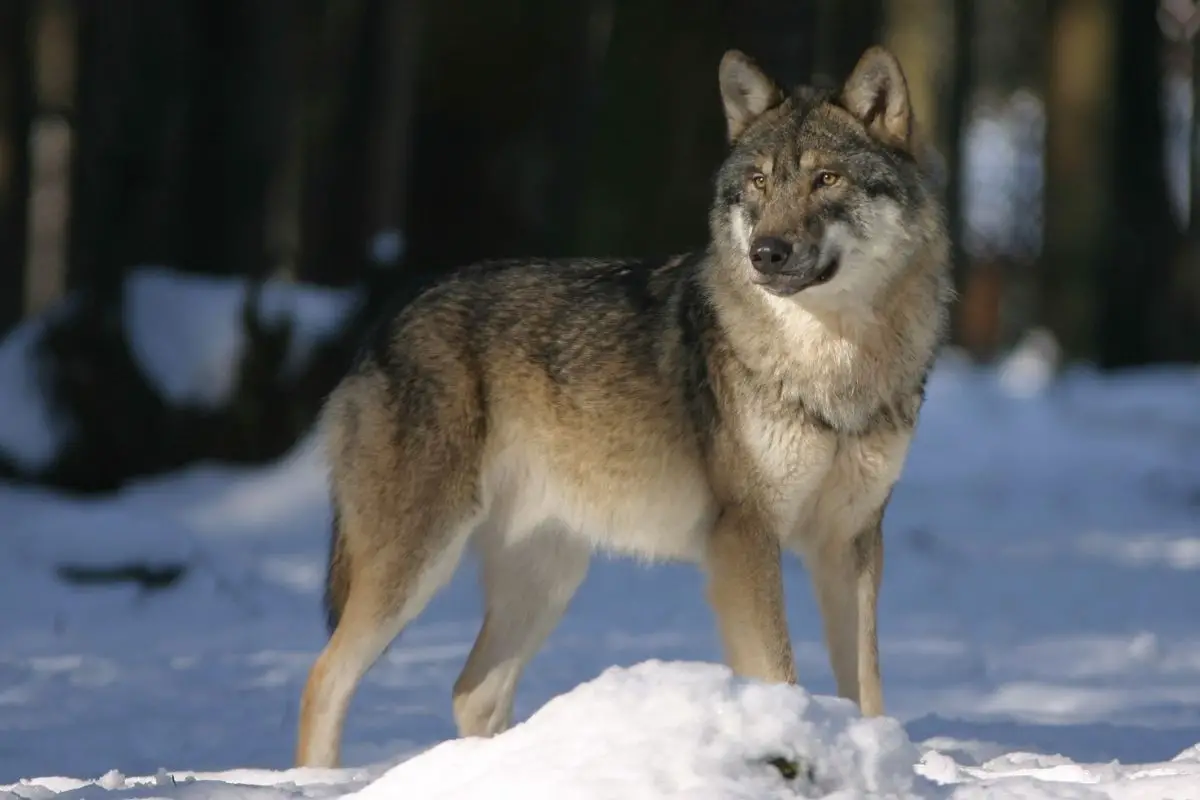
A confused reaction of a wolf during winter.

There are some things you might not know about wolves. For example, did you know that they sometimes like to swim? They also like to play and can be very friendly animals.

Learning more about wolves can be fun and interesting, so if you get a chance, make sure to check out some of the top 10 facts about them!

1. Wolves are not afraid of water

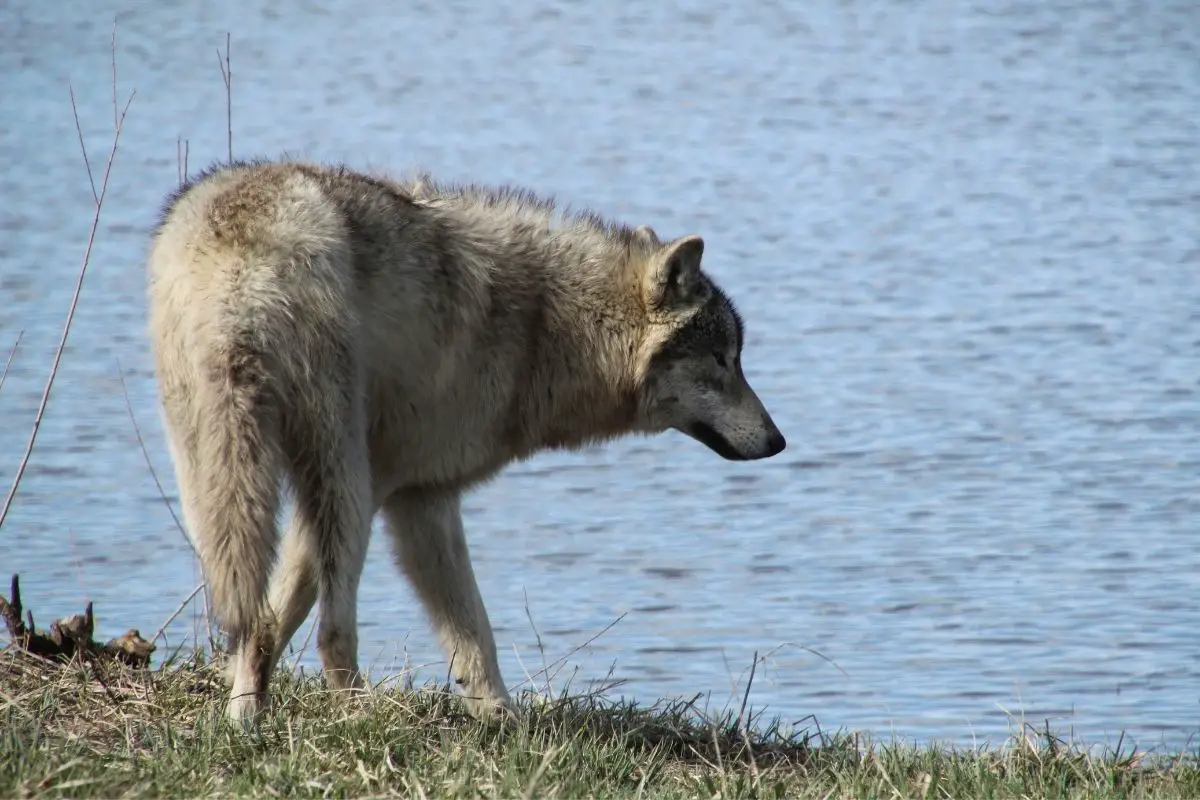
Gray wolf beside the lake.

While it is true that some wolves may be afraid of swimming, this is not always the case. In fact, many wolves enjoy swimming and will even go out of their way to find bodies of water to play in. Wolves are known to live in frozen or semi-frozen wooded areas, which means they are also good swimmers.

They use their swimming skills to help them catch prey that may be trying to escape by crossing a river or lake.

2. Wolves are very social animals

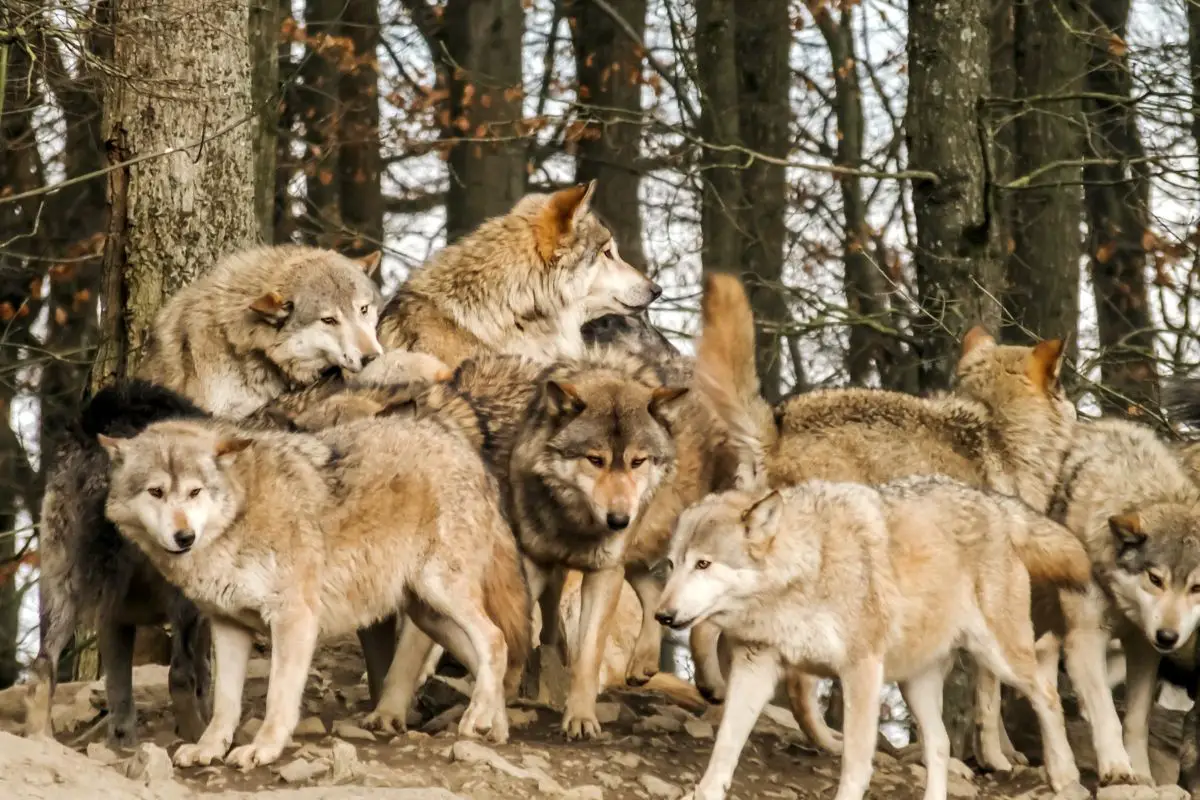
A group of wolves in the forest.

Wolves live in packs of anywhere from two to over 30 individuals. The pack is led by the alpha male and female, who are usually parents of the wolves in the pack. All members of the pack help to care for the young pups, and will defend them from predators or other threats.

Wolves are very loyal to their pack mates and will often stay with the same group for their entire lives.

3. Wolves have excellent hearing

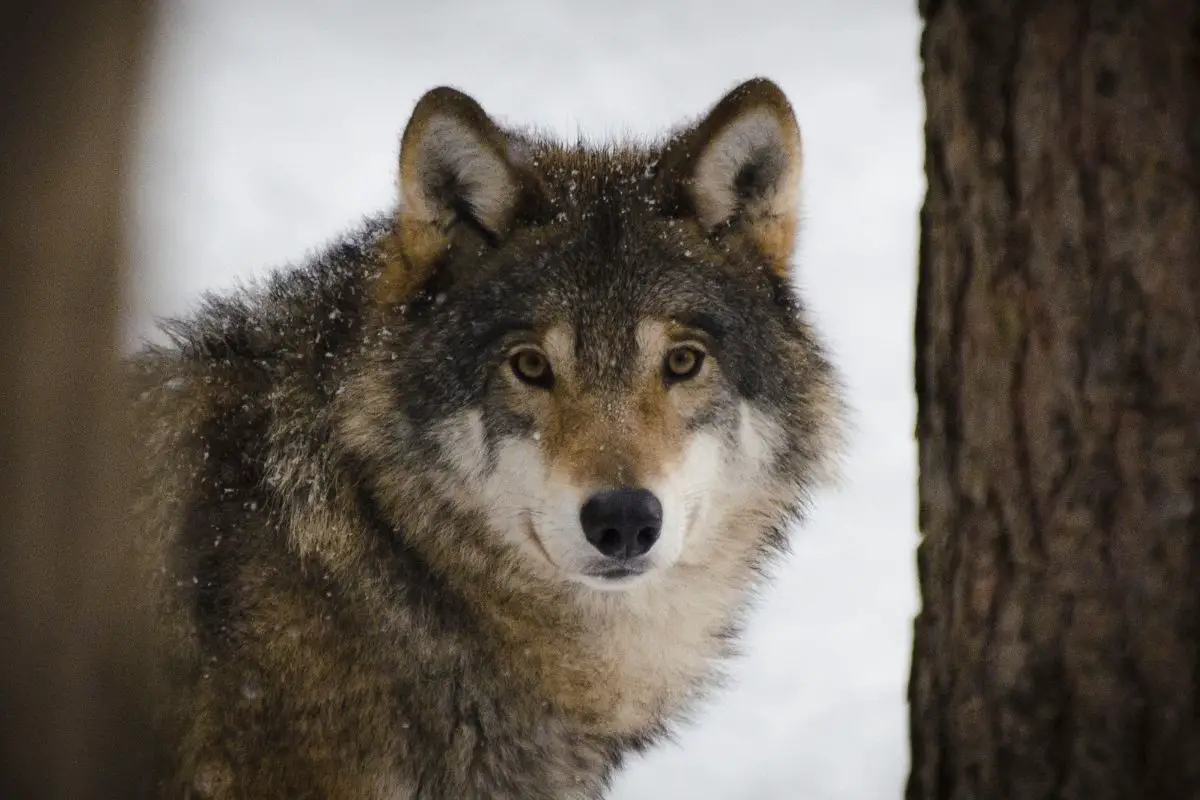
A close-up photo of wolf in winter.

Wolves have much better hearing than humans. They can hear sounds up to six times farther away than we can. This is helpful for them when they are hunting, as they can use their keen hearing to locate prey that may be hiding or trying to escape.

It also helps them to stay aware of potential dangers, such as other predators or approaching humans.

4. They can swim up to 8 miles in a day

Wolves are very good swimmers and can cover a lot of ground in water. They have been known to swim up to 8 miles in a day while hunting. This is a great way for them to catch prey that may be trying … Read the rest of the story.


What is the Smallest Animal in the Amazon Rainforest?

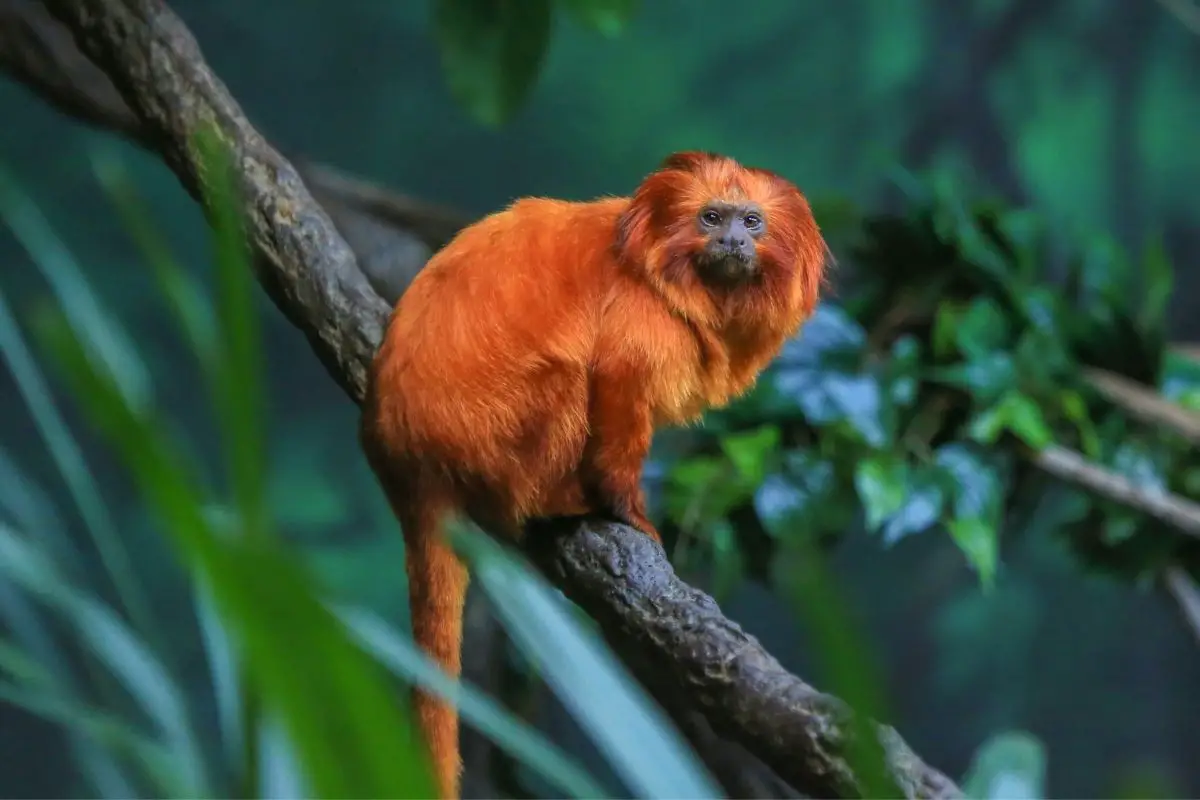
Golden lion tamarin resting on a tree branch.

The smallest animal living in the Amazon Rainforest is a small canopy jumping monkey known as the pygmy marmoset. Also known as the dwarf monkey, thumb monkey, or pocket monkey, this tiny creature can move up to 12 miles per hour and be highly aggressive. However, the pygmy marmoset’s appearance makes it seem cute.

The Amazon Rainforest is home to more than 427 mammal species, newly discovered each year. For now, the pygmy marmoset is the smallest known mammal living in the Amazon forest. I’ve always wondered what these tiny creatures were like as their videos popped up online.

They always seem cute and pet-like, making them enjoyable to learn about. So, I’ll teach you what I’ve learned about this species and how they survive the harsh Amazon Rainforest.

What is the Pygmy Marmoset?

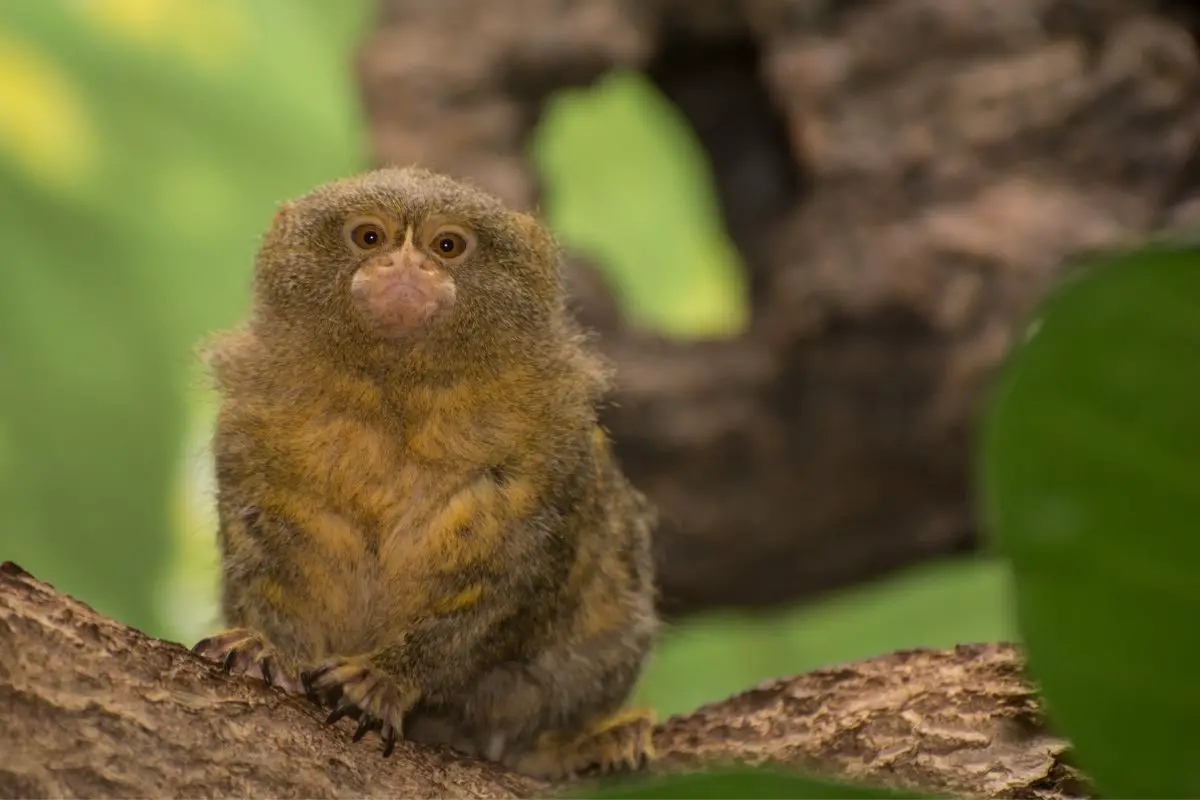
A cute little pygmy marmoset climbing in a tree.

The Pygmy Marmoset belongs to the Cebuella genus family and is native to the rainforests of the western Amazon Basin located in South America. It’s one of the smallest primates and weighs just over 100 grams. As a comparison, they weigh similar to that of a soap bar.

Its physical stature includes a head-body length up to 152 mm and a long tail that extends up to 229 mm. The Pygmy Marmoset also has a fur color of brownish-gold, grey, and black and may have species of yellow, orange, and tawny underparts. Some standout characteristics include a black ring around its tail, a face with white flecks, and a vertical line between its eyes.

Another characteristic that sets this monkey apart is that it’s been adapted to survive the harsh environment. One adaption is that it can rotate its head up to 180-degrees, which can help it stay alert.

Aside from that, the Pygmy Marmoset has sharp claw-like nails called tegulae that help it cling to trees and also collect food. These claws are similar to insect-like claws and can be used for claw-clinging behaviors and foraging.

Lastly, the small monkey possesses enormous strength and can leap up to 16 feet from branch to branch.

Pygmy Marmoset Behavior

A close-up of a pygmy marmoset resting on a tree branch.

The Pygmy Marmosets often live in … Read the rest of the story.

What are Edible Animals in the Amazon Rainforest?

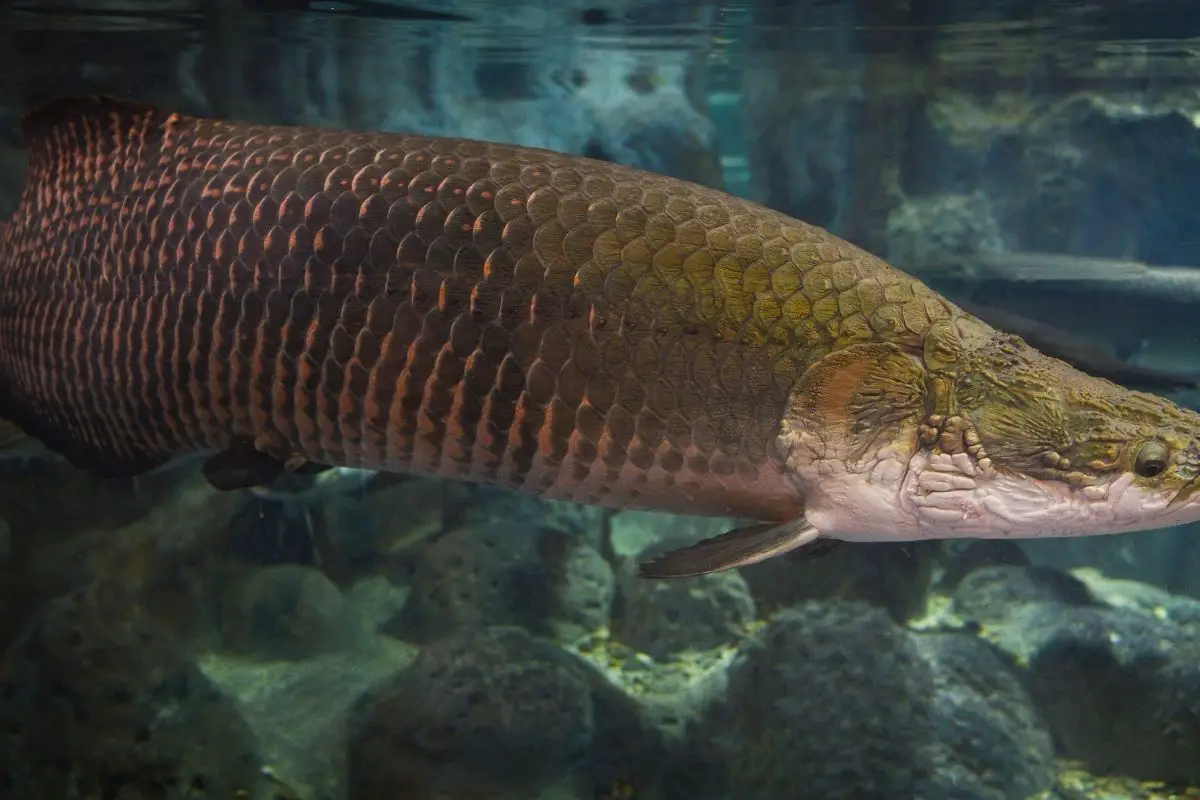
A giant aquatic fish under clear water.

What animals are edible in the Amazon rainforest depends on how hungry you are and your situation. If you survived a plane crash and had little chance of being rescued, you might be willing to eat things that you would not if you were adventure hiking for a weekend. There is also a difference between edible and eatable.

Edible means it can be eaten without harm to the person. There may be things that are too disgusting or too difficult to eat. Here are some animals you could eat in the Amazon rainforest, and you have to use your imagination as to whether that means eatable.

Fish

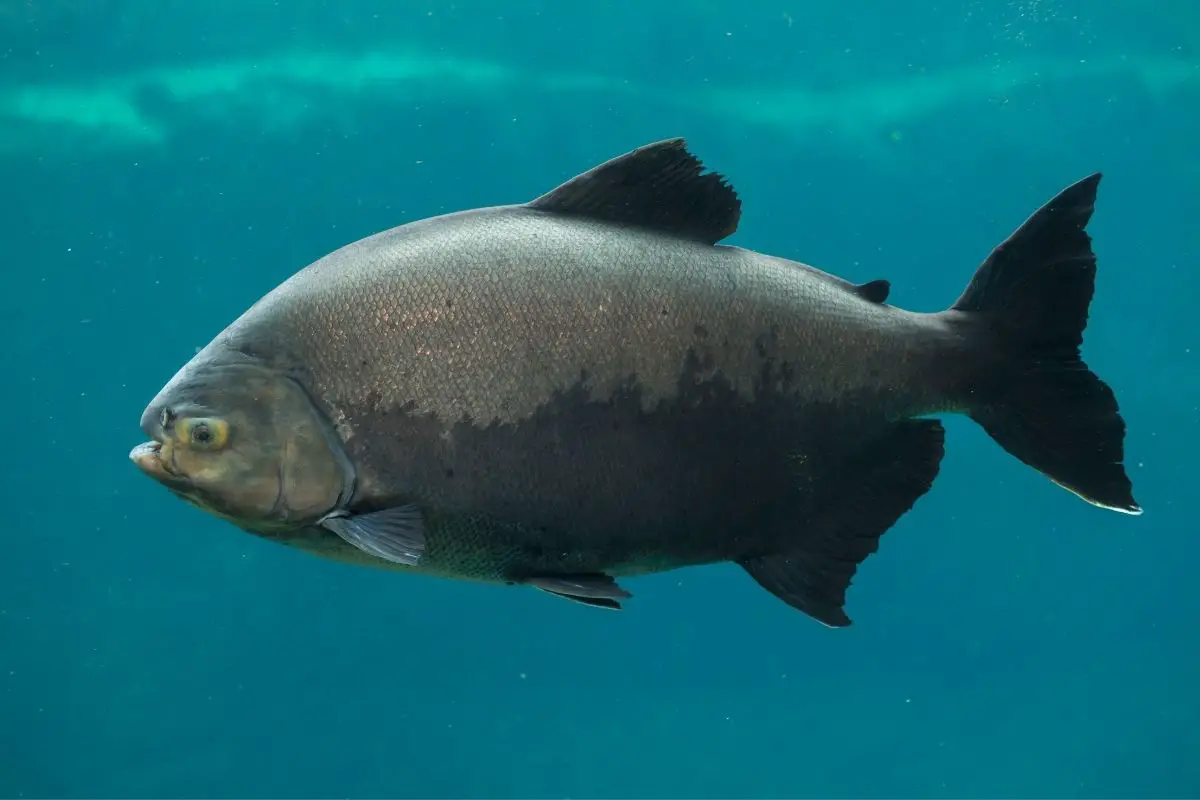
A high-quality shot of Giant Pacu in a blue ocean.

Paiche is the second largest freshwater fish in the world. It is a very tasty fish and restaurants as far away as Canada offer it on their menu. These fish can get to seven-feet long.

They are slowly becoming endangered due to overfishing, but there are ethical ways to eat Paiche. It has a firm substance and can be cooked by any means you can think of. Tambaqui is a fish that eats fruit and seeds and is widely regarded as one of the best-tasting fish in the entire world.

They can get very big, up to three feet long, and are relatively common along rivers. Piranha has a reputation for being a nasty, dangerous fish. Their reputation is overblown, and they are edible.

There are several species of piranha, and some are more popular than others.

Other fish

If you happen to be stranded or lost, you might be willing to eat any fish you can catch. Nearly all fish can be eaten, but not many taste as good as Paiche. You can catch fish at night along a river even if you don’t have any fishing gear.

The website Survive offers this tip for catching fish at night. It describes how to make a torch first. “They are attracted by the light sources, taking the torch near the water surface the fish will approach, take advantage of the time to hit them with a wood weapon, when they have been … Read the rest of the story.

What You Need to Know About Tropical Rainforests

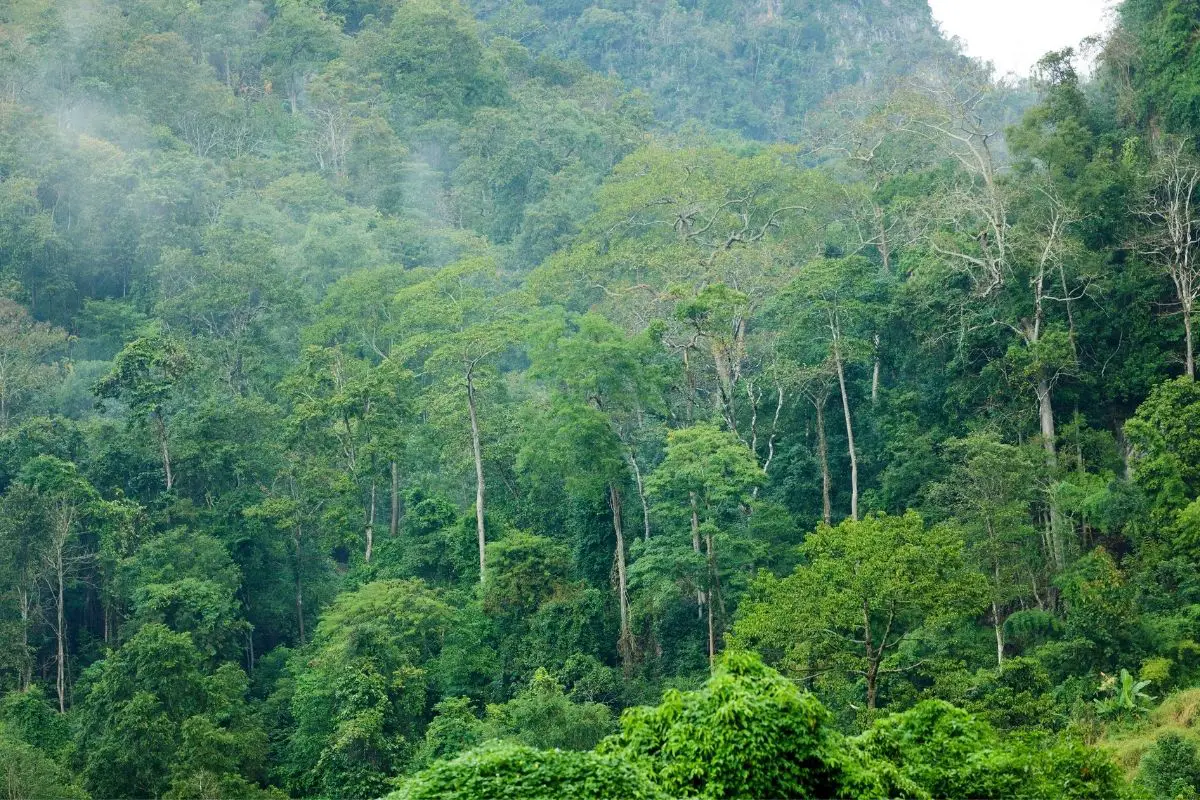
Tropical lush rainforest landscape in Pangmapha, Thailand.

Introduction

What images come to mind when you think of a tropical rainforest? Do you imagine a dense, green forest with tall trees, vines, and flowers? Or do you picture a hot, humid jungle teeming with insects and dangerous animals?

Maybe you envision both. Tropical rainforests are located near the Earth’s equator. They are home to several diverse species of plants and animals.

The tropical rainforest is a biome, or environment, that occurs near the Earth’s equator. These areas are characterized by warm temperatures and high rainfall. Tropical rainforests are home to an amazing diversity of plant and animal life.

What is a tropical rainforest?

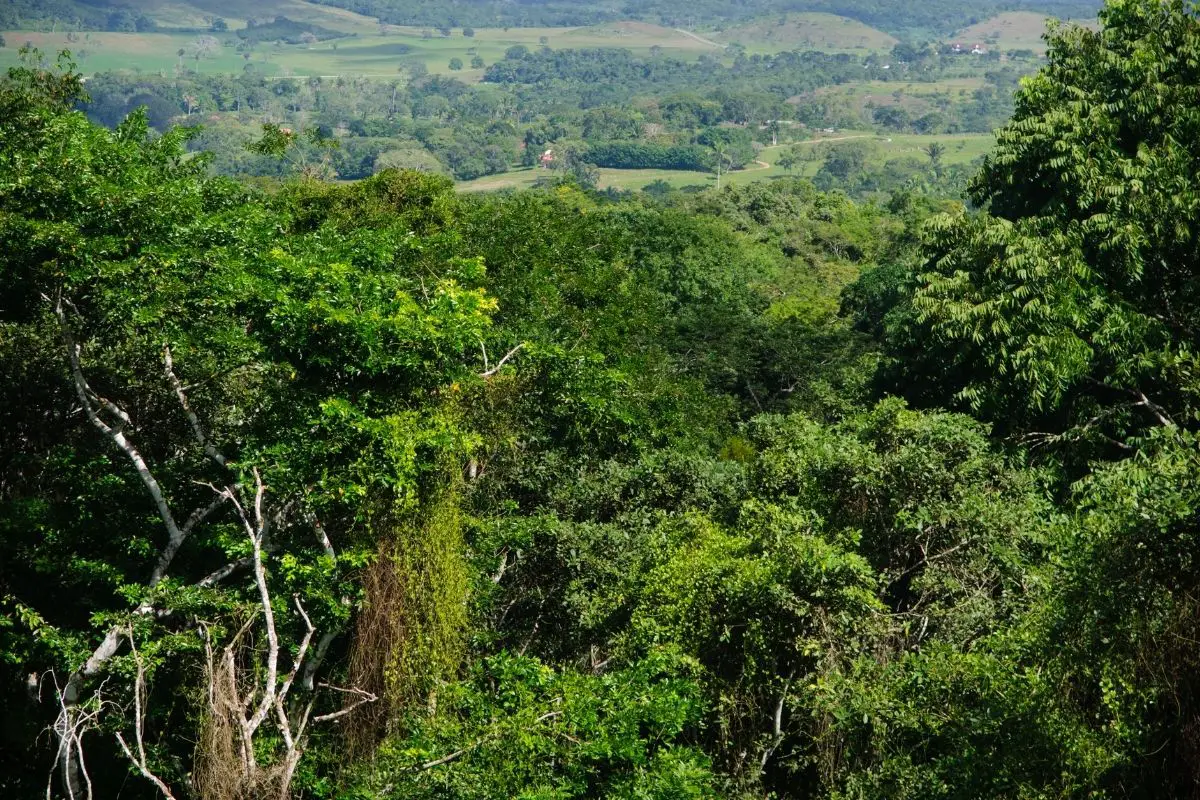
An aerial shot of Tropical rainforest in Belize.

A tropical rainforest is an ecosystem found near the Earth’s equator. This type of forest is characterized by its high rainfall, warm temperatures, and diverse plant and animal life. The tropical rainforest is an incredibly biodiverse ecosystem.

It is home to an incredible variety of plant and animal species, many of which are found nowhere else on Earth. Tropical rainforests are classified into two types: primary and secondary.

Primary forests are those that have never been significantly disturbed by human activity, while secondary forests are those that have been degraded or cleared at some point in history but have since regenerated.

The characteristics of a tropical rainforest

Tropical rainforest in the jungle.

The climate of a tropical rainforest is warm and humid, with average temperatures ranging from 20-30 degrees Celsius (68-86 degrees Fahrenheit). rainfall is also very high, typically exceeding 200 centimeters (79 inches) per year. The plant life of a tropical rainforest is incredibly diverse.

Trees, vines, shrubs, and epiphytes all grow in profusion. Many rainforest plants also have unique adaptations that allow them to survive in the conditions found in this environment. The animal life of a tropical rainforest is also very diverse.

Mammals, reptiles, amphibians, birds, and insects can all be found in abundance. Many animals are also highly specialized for life in the rainforest and are not found anywhere else on Earth.

Why tropical rainforests are important

A scenic photo of Mata atlantics rainforest.

Tropical rainforests are important for a number of reasons. They play a crucial role in the global … Read the rest of the story.

10 Different Types of Possums

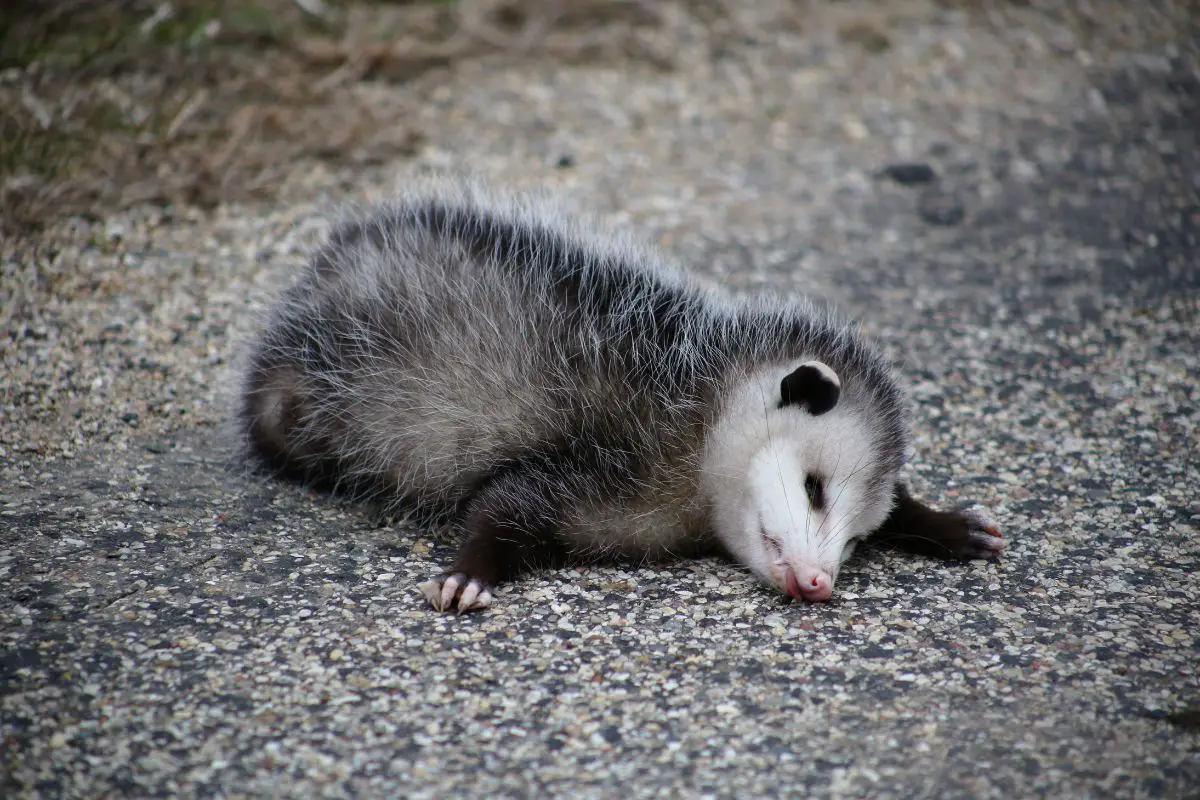
A sleeping virginia opossum.

The words possum and opossum are used interchangeably but they refer to different animals. Scientists and most dictionaries say an opossum is the Virginia opossum or any of those that live in North or South America. The possum is a very similar animal that lives in Australia and New Guinea.

It is not really that simple though. In both countries, people pronounce it “possum” and sometimes use it in writing with or without the “O” at the beginning. Both countries could then lay a claim to either one.

It is popular to write “opossum,” and drop the “O” when speaking in both countries.

They are all marsupials. There are dozens of species on opposite sides of the world. For this article, we are going to focus on the opossum of the Americas.

What is called the Virginia Opossum is the only species of this marsupial that lives in the United States. There are a few dozen species that live in Central and South America. The Opossum that lives in the United States is the size of a cat.

These animals evolved in the Americas and in Australia, but not on other continents. Many of them are small and are called mouse varieties. They are one of the earth’s oldest mammals, according to evolutionary science.

1. Virginia Opossum

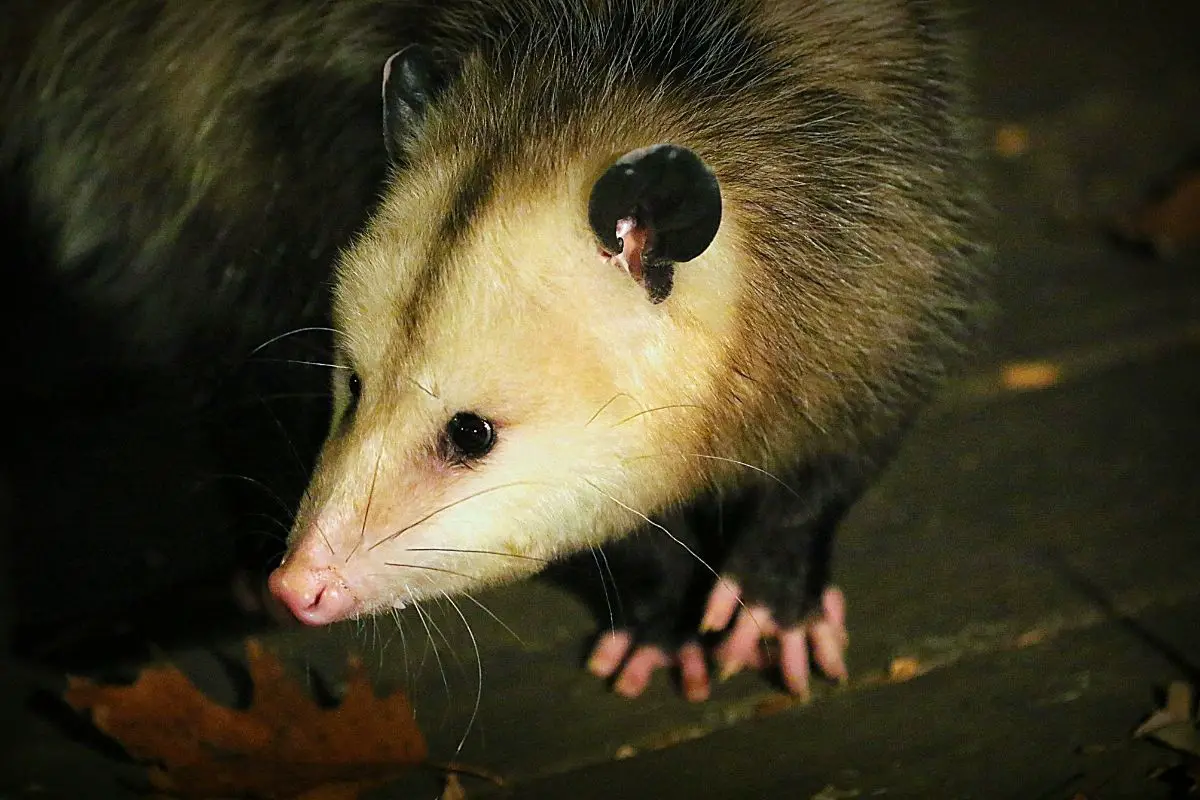
A portrait of virginia opossum.

The Virginia Opossum is found in most of the United States, with the exception being the Rocky Mountains, and they are expanding their territory slowly.  Before Europeans arrived, they were known only in Kentucky and Indiana. They were hunted for fur, and later for food, especially in the south. The Virginia Opossum likes to live near water, in the woods, or in thickets.

They are adaptable though and can live in areas where humans have altered the landscape. Some live in towns and suburbs. The Virginia Opossum is one of the larger marsupials but is still only around 12-13 pounds when fully grown, and about 21 inches long.

They reproduce a lot, so hunting and even loss of habitat have not hurt their population.  They have a short lifespan, normally living just two … Read the rest of the story.